
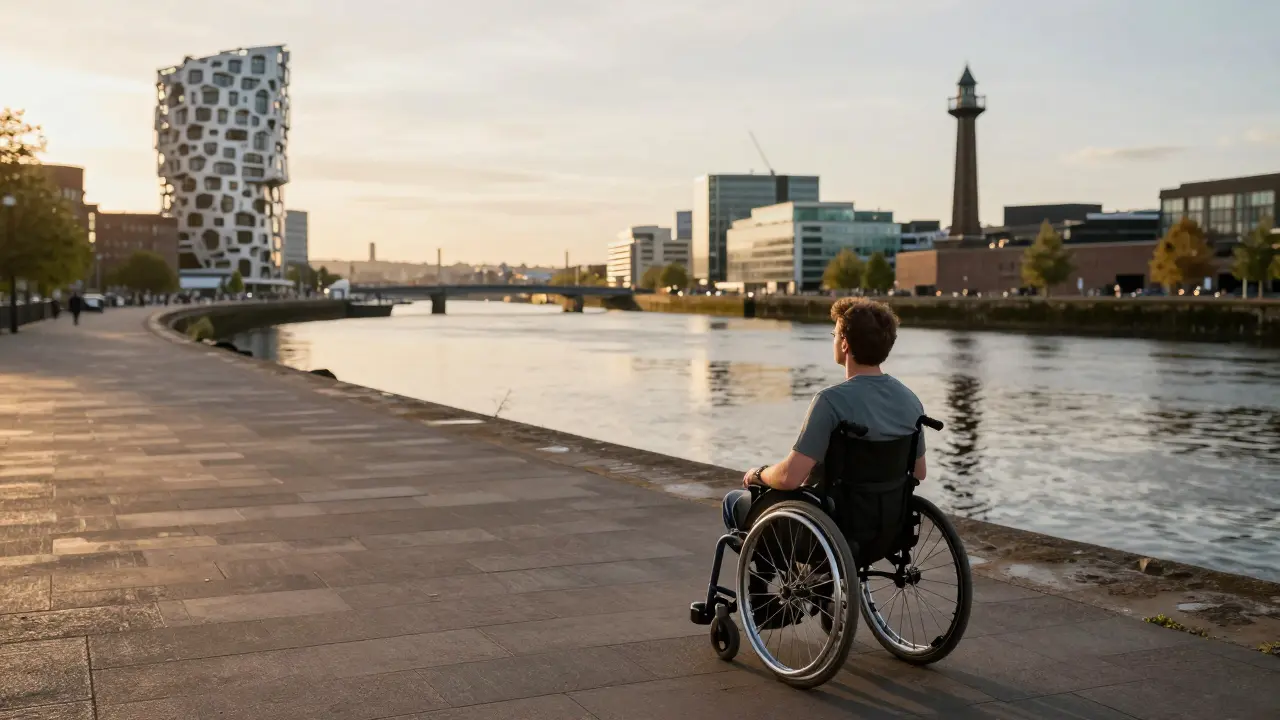
Imagine standing on the banks of the River Clyde, looking up at the iconic Glasgow Tower is a prominent observation tower in Glasgow offering panoramic views of the city and surrounding areas. Now imagine doing that without worrying about whether you can actually get to the viewing platform. For too long, travel guides have treated accessibility as an afterthought-a small footnote at the bottom of a page. But for millions of travelers with mobility impairments, visual impairments, or other disabilities, access isn't optional. It's the difference between a trip and a memory.
Glasgow has made significant strides in recent years to become one of the most accessible cities in the UK. The city center is largely flat, public transport is increasingly equipped with lifts and ramps, and many historic sites have invested heavily in step-free access. However, navigating this landscape still requires knowledge. Where are the hidden barriers? Which museums offer the best sensory experiences? How do you handle the hilly outskirts?
This guide cuts through the noise. We’ll map out the most reliable wheelchair-friendly routes, highlight attractions that go beyond basic compliance to offer genuine inclusion, and give you practical tips for getting around Glasgow with confidence.
Getting Around: Public Transport That Works
The backbone of any accessible trip is reliable transport. In Glasgow, the Subway is the world's second-oldest underground railway system, known locally as the 'Clockwork Orange'. While charming, it’s not fully accessible. Most stations lack lifts, making it difficult for wheelchair users. Don’t despair-this doesn’t mean you’re stuck. The city’s bus network and train services are far more robust for inclusive travel.
First Bus operates the majority of bus services in Greater Glasgow, with a fleet that is over 90% low-floor and wheelchair accessible. Nearly all buses feature kneeling technology (which lowers the bus closer to the curb) and dedicated wheelchair spaces. Drivers are trained to deploy ramps, but it helps to signal your need early. If you’re using a manual wheelchair, ensure your brakes are locked before boarding. Electric wheelchairs should check weight limits (usually around 300kg including user) beforehand.
For longer distances, ScotRail provides train services connecting Glasgow Central and Queen Street stations to destinations across Scotland. Both mainline stations are fully step-free. Glasgow Central, located under the city center, has elevators from street level to platforms. Queen Street, near Buchanan Galleries, also offers full lift access. When booking tickets, use the ‘Accessibility’ filter on the ScotRail website to identify trains with designated wheelchair spaces and assistance options. Always request station assistance at least two hours in advance if you need help boarding or alighting.
A pro tip: Download the Citymapper App is a navigation app that provides real-time transit information, including accessibility features like step-free routes and elevator status. It allows you to filter journeys by ‘step-free,’ showing you which escalators are broken and which routes avoid stairs entirely. This alone can save you hours of frustration.
Museums and Galleries: Culture Without Barriers
Glasgow’s cultural institutions are leaders in inclusive design. They don’t just remove physical barriers; they create environments where everyone feels welcome. Here’s how the big players stack up:
| Attraction | Step-Free Access | Wheelchair Availability | Sensory/Inclusive Features | Best For |
|---|---|---|---|---|
| River Clyde Museum is a museum dedicated to the history of shipbuilding and engineering on the River Clyde. | Full ground floor access; upper floors via lift | Free loan available | Tactile models, audio descriptions | History buffs, tactile learners |
| Kelvingrove Art Gallery and Museum is Glasgow's largest museum, housing art, natural history, and decorative arts collections. | Full building access via multiple lifts | Free loan at reception | Quiet hours, sensory maps | Art lovers, families |
| Glasgow Science Centre is an interactive science museum featuring the UK's tallest indoor slide and IMAX cinema. | 100% step-free | Wide aisles, priority seating | Hands-on exhibits designed for all abilities | Interactive learning, kids |
| Burrell Collection is a museum displaying fine and decorative arts in a striking modern building within Pollok Country Park. | Full access to new building | Available on request | Calm environment, clear signage | Art enthusiasts, quiet visits |
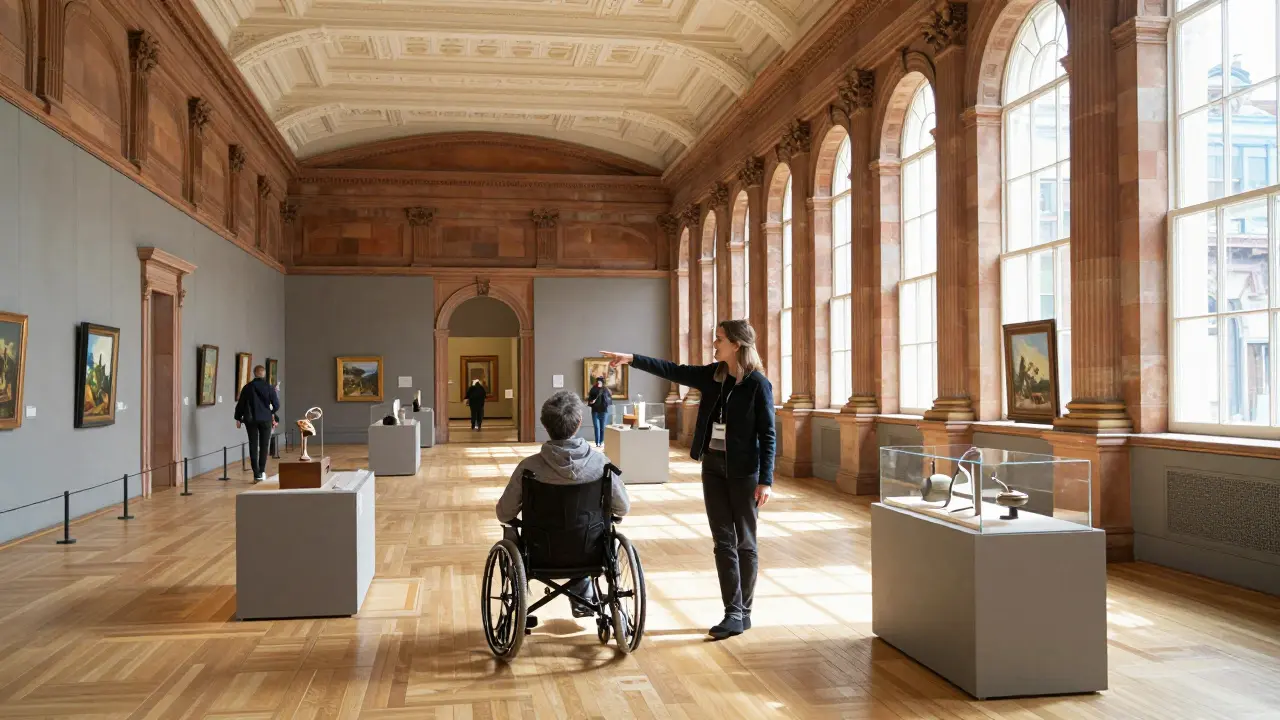
The Kelvingrove Art Gallery and Museum is Glasgow's largest museum, housing art, natural history, and decorative arts collections. stands out for its sheer size and variety. Every floor is connected by wide, smooth lifts. The staff are exceptionally helpful, often guiding visitors to less crowded galleries during peak times. If you have sensory sensitivities, ask for their ‘Sensory Map’-it highlights quieter zones and explains lighting conditions.
For a truly immersive experience, head to the Glasgow Science Centre is an interactive science museum featuring the UK's tallest indoor slide and IMAX cinema.. Located on the South Bank of the Clyde, it’s built from the ground up with accessibility in mind. Wide corridors, lowered interactive panels, and even accessible toilets with hoists make it a gold standard. The IMAX cinema has hearing loops and screen subtitles, ensuring everyone can enjoy the show.
Don’t overlook the Burrell Collection is a museum displaying fine and decorative arts in a striking modern building within Pollok Country Park.. Housed in a stunning circular building designed by Sir David Adjaye, it’s completely step-free. The surrounding park has paved paths suitable for wheelchairs, though some grassy areas may be challenging in wet weather. Visit on a dry day for the best experience.
Outdoor Spaces: Parks and Riverside Walks
Glasgow is known as the ‘Green City’ for a reason. With over 60 parks, there’s no shortage of places to breathe fresh air. But not all green spaces are created equal when it comes to accessibility.
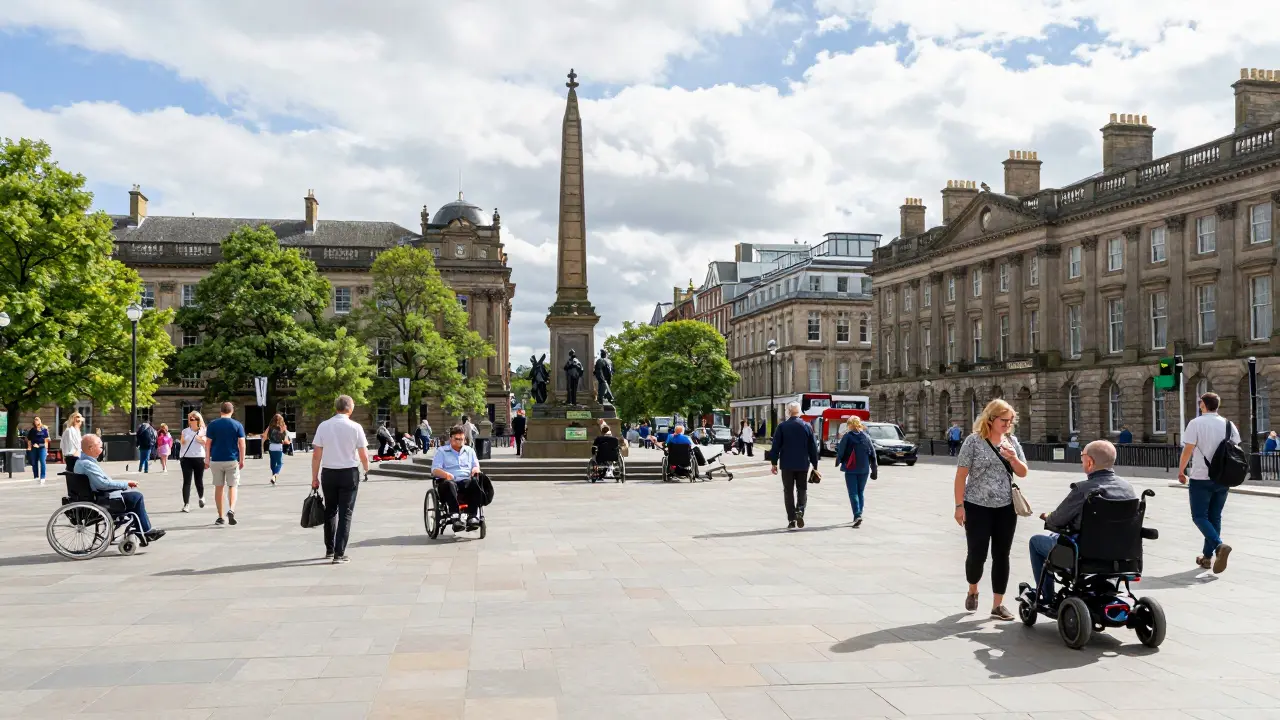
George Square is the civic heart of Glasgow, surrounded by government buildings, statues, and gardens. is perfectly flat and paved, making it ideal for easy navigation. It’s centrally located, close to major hotels and transport hubs. Use it as a base camp for exploring the West End or South Side.
For a more scenic route, try the Clyde Walkway is a 14-mile path following the River Clyde, featuring paved sections, bridges, and viewpoints.. This 14-mile path runs along the riverbank, connecting key landmarks. The section from Finnieston to the SEC Armadillo is particularly well-maintained, with smooth tarmac and gentle gradients. Avoid the older stone-paved sections near the Old Fruitmarket-they can be bumpy for small wheels.
If you venture into the West End, Pollok Country Park is one of Europe's largest urban parks, featuring woodland trails, deer, and the Burrell Collection. offers miles of trails. Stick to the main paths around the Burrell Collection and the Deer Park. These are wide, gravel-free, and regularly maintained. Some side trails are muddy and steep-check the park map online before heading out.
A word of caution: Glasgow’s hills are real. Areas like Hillhead and Partick have steep inclines that can drain battery life quickly. Plan your route carefully, and always carry a backup power source if you use an electric wheelchair.
Dining and Nightlife: Inclusive Socializing
Access shouldn’t end when you leave the museum. Dining and nightlife are crucial parts of any travel experience. Fortunately, Glasgow’s hospitality scene is adapting fast.
In the Merchant City district, look for restaurants with wide doorways and ground-floor seating. Places like The Gannet is a Michelin-starred restaurant in Glasgow known for its modern Scottish cuisine and accessible facilities. offer excellent service and accessible toilets. Call ahead to reserve a table near the entrance if you prefer to avoid navigating through crowds.
For casual eats, the Barrowland Ballroom is a historic music venue in Glasgow's East End, known for live performances and dancing. area has several cafes with step-free entry. Check reviews on apps like Disability Confident is a UK government scheme recognizing employers who actively recruit and support disabled people. or local Facebook groups for real-time updates on accessibility issues.
Nightlife can be trickier. Many pubs in the Old Town have narrow doors and uneven floors. Opt for venues in the City Centre or East End, which tend to be newer and better equipped. The SSE Hydro is a large indoor arena in Glasgow hosting concerts, sports events, and conferences. is fully accessible, with reserved seating areas and accessible restrooms. Book tickets early to secure the best spots.
Practical Tips for a Smooth Trip
- Book Assistance Early: Whether it’s airport transfers, train assistance, or hotel room modifications, request these services at least 48 hours in advance. Last-minute requests may not be accommodated.
- Carry a Backup Plan: Weather in Scotland can change rapidly. Have indoor alternatives ready for outdoor activities. The People's Palace is a museum in Glasgow's East End showcasing the social history of the city's residents. is a great rainy-day option with full step-free access.
- Use Local Knowledge: Join online forums like ‘Disabled Travelers UK’ or connect with local disability advocacy groups. They often share up-to-date info on temporary closures or construction projects.
- Check Hotel Elevators: Not all hotels advertise elevator access clearly. Confirm directly with the property that your room is reachable via lift, especially in converted historic buildings.
- Pack Smart: Bring adhesive tape to smooth out rough pavement edges, and carry a portable charger for your devices. Navigation apps can drain batteries quickly.
Frequently Asked Questions
Is Glasgow generally wheelchair friendly?
Yes, Glasgow is considered one of the most accessible cities in the UK. The city center is largely flat, public transport includes many low-floor buses, and major attractions have step-free access. However, some older buildings and hilly areas may present challenges, so planning ahead is recommended.
Can I use the Glasgow Subway in a wheelchair?
The Glasgow Subway is not fully accessible. Most stations lack lifts, making it difficult for wheelchair users to board trains. It's better to use buses or trains, which have much better accessibility features. Always check station-specific information before traveling.
Which museums in Glasgow are best for wheelchair users?
The Kelvingrove Art Gallery and Museum, Glasgow Science Centre, and Burrell Collection are top choices. All offer full step-free access, wheelchair loans, and inclusive features like tactile exhibits and quiet hours. The Science Centre is particularly noted for its hands-on, accessible design.
Are there accessible parking options in Glasgow city center?
Yes, Glasgow has numerous Blue Badge parking bays throughout the city center. Multi-story car parks like St Enoch and Buchanan Galleries offer accessible spaces close to entrances. Always display your Blue Badge clearly and follow local signage to avoid fines.
How do I find step-free routes in Glasgow?
Use apps like Citymapper or Google Maps, filtering for ‘step-free’ routes. These tools show you which elevators are working and which paths avoid stairs. Additionally, consult the official Glasgow City Council website for detailed accessibility maps of parks and public buildings.
Is the Glasgow Airport accessible for disabled passengers?
Yes, Glasgow Airport is fully accessible. It offers wheelchair assistance, accessible toilets, and priority boarding. You can request assistance when booking your flight or contact the airport’s special assistance team at least 48 hours before departure. Taxis and shuttles from the airport are also wheelchair accessible.