
The Magic of the Grey Stone
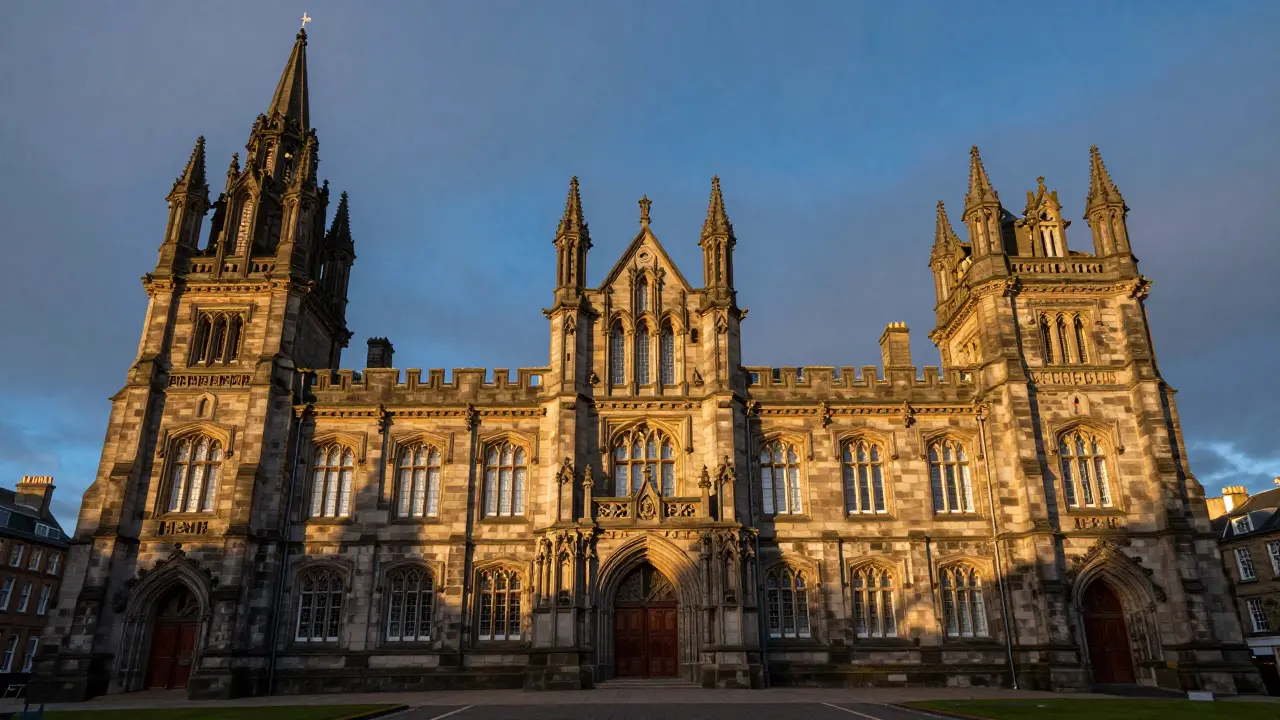
Walking through the center of the city feels like being inside a monochromatic painting. The architecture here isn't just about aesthetics; it's about durability. The city is built almost entirely from Granite, an igneous rock that is incredibly hard and weather-resistant. This choice of material was practical for the harsh coastal winds, but it created a visual identity unlike any other city in the UK. Start your exploration at Marischal College. This is the crown jewel of the city's architecture. It is one of the largest granite buildings in the world, and its Gothic style is breathtaking. When you stand in the courtyard, look up at the intricate carvings. It's easy to forget that this stone was once considered "ugly" and "cold" before the world realized how it catches the light during a Scottish sunset. If you move toward the Old Town, you'll find the contrast. The narrow lanes, known as "closes," are reminiscent of Edinburgh but on a more intimate scale. Here, the granite is rougher, more weathered, and tells the story of a city that grew from a fishing village into a global powerhouse.Diving Into the Local Culture
Aberdeen's culture is a tug-of-war between its traditional roots and its modern identity as an oil and gas hub. To understand this, head to Aberdeen Art Gallery. It isn't just a place to see paintings; it's a community hub that houses a massive collection of European and contemporary art. Their focus on the local landscape ensures that visitors understand how the geography of the region shaped the people. For a bit of a different vibe, spend an afternoon at the Old Aberdeen district. This area feels like it's in a different century. It's home to King's College, founded in 1495. Walking through the cobblestone streets here, away from the noise of the city center, allows you to feel the academic and religious weight of the city's past. The contrast between the sleek skyscrapers of the energy sector and the medieval towers of the university is what makes the city's energy so unique.The Coast and the North Sea Influence
You can't visit Aberdeen without acknowledging the water. The North Sea is the reason the city exists and the reason it is wealthy. A trip to Footdee (affectionately known as "Fittie") is non-negotiable. This tiny fishing village is tucked away at the harbor entrance. The houses are small, colorful, and stand in stark defiance of the grey granite that dominates the rest of the city. Fittie gives you a glimpse into the hardy life of the Aberdeen fisherfolk. While the city center is about grandeur and scale, Fittie is about survival and community. It's the perfect place to grab a coffee and watch the massive tankers glide into the harbor, reminding you that Aberdeen is still very much a working port.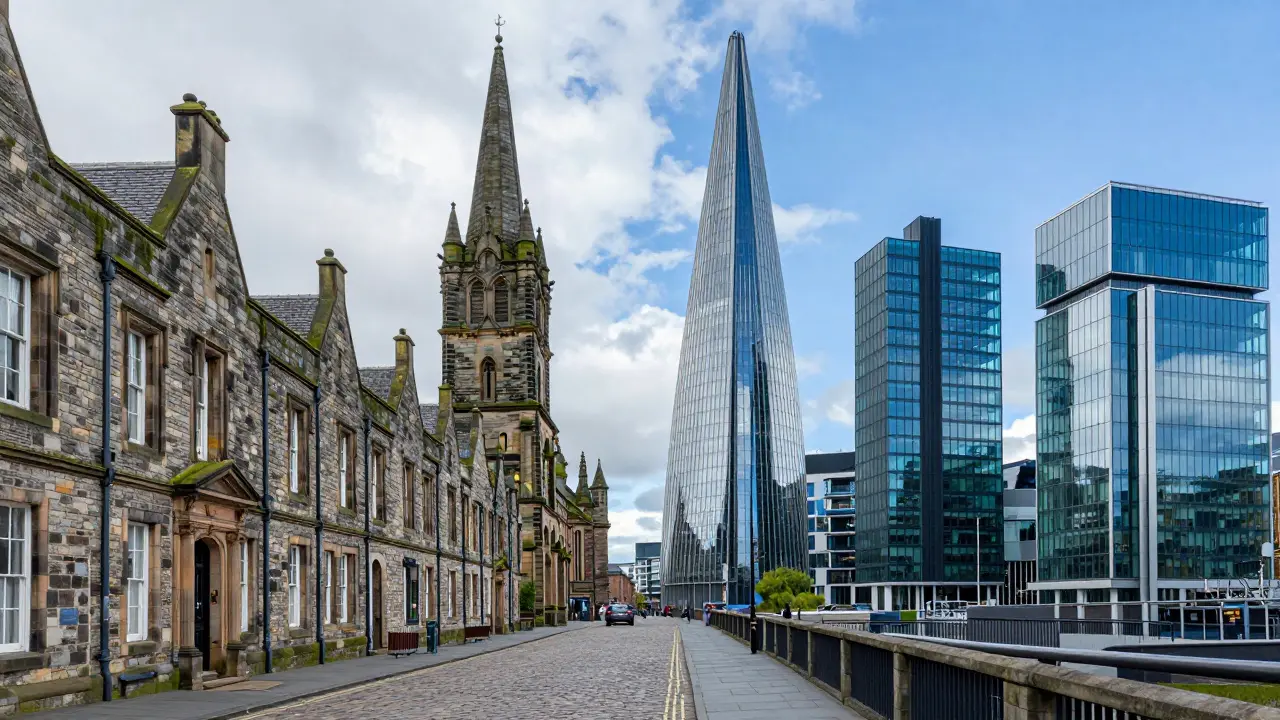
Practical Planning for Your Visit
Knowing how to navigate the city can make or break your trip. The city is relatively compact, meaning you can do a lot on foot, but you'll want to be prepared for the weather. In the Northeast, the wind can be brutal, even in mid-summer. A sturdy windbreaker is your best friend here.| District | Vibe | Must-See Entity | Best For |
|---|---|---|---|
| City Center | Bustling & Grand | Marischal College | Shopping & Architecture |
| Old Aberdeen | Quiet & Academic | King's College | History & Peace |
| Footdee (Fittie) | Quaint & Coastal | Harbor Front | Photography & Walks |
| West End | Residential & Green | Local Parks | Quiet Strolls |
Avoiding Common Tourist Traps
One mistake people make is spending all their time in the shopping malls. While the city has great retail, the real soul of Aberdeen is in the side streets. Don't just walk the main thoroughfare; duck into the smaller alleys. You'll find independent bookstores and cafes that offer a much more authentic taste of the city than the chain stores. Another tip: don't expect the "Highland experience" within the city limits. To see the rugged mountains and purple heather, you'll need to head toward the Cairngorms National Park, which is a short drive away. The city is the sophisticated gateway to the wilds, but it is a creature of its own.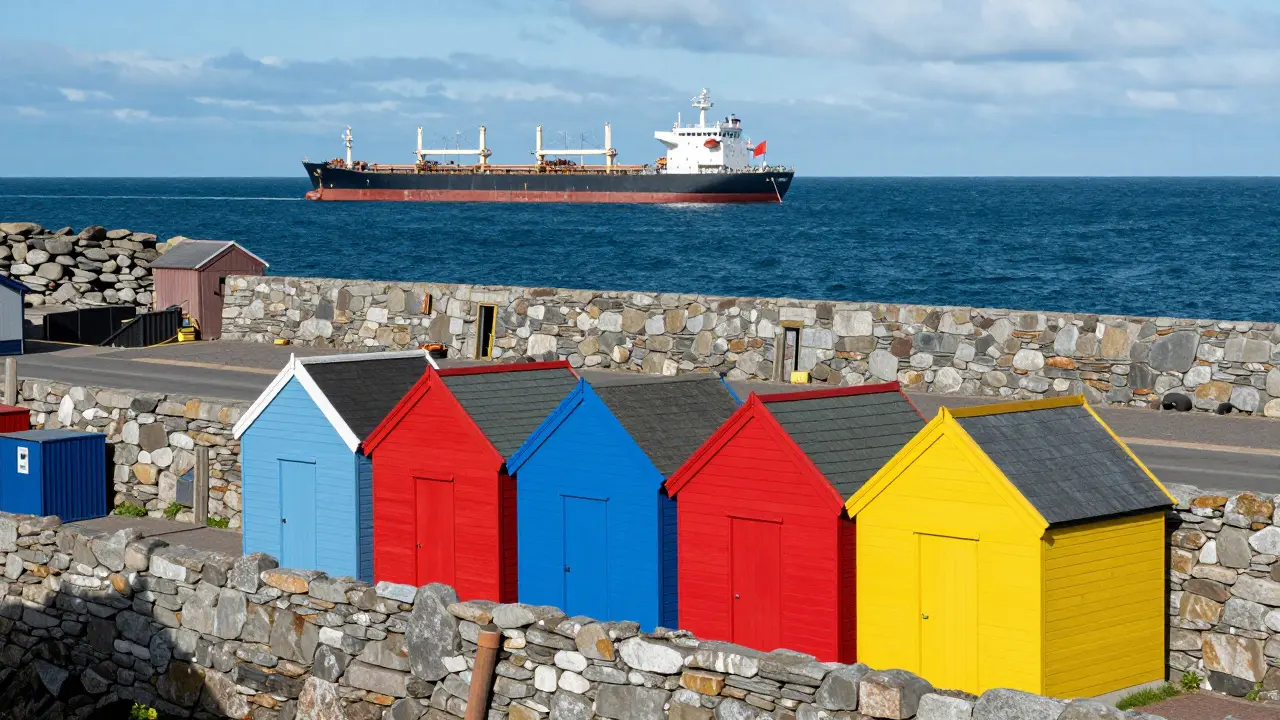
The Energy Legacy
It's impossible to ignore the impact of the oil industry. While many visitors focus on the history, the modern architecture of the business districts shows the wealth that flowed into the city during the oil boom of the 1970s. This has created a multicultural city with a diverse food scene. You'll find an incredible array of international cuisines, reflecting the global workforce that has called Aberdeen home for decades. This industrial side is best seen at the harbor. Watching the logistics of the energy sector move in real-time is a lesson in global economics. It's a reminder that while the granite is permanent, the city's economy is always shifting, moving toward renewables and green energy for the future.Is Aberdeen worth visiting for a weekend?
Absolutely. A weekend is the perfect amount of time to cover the "Granite Triangle" of the city center, Old Aberdeen, and the harbor. You can spend Saturday exploring the architecture and Sunday visiting the coast or heading slightly inland to the foothills of the Highlands.
What is the best time of year to visit?
Late spring (May) and early autumn (September) offer the best balance of weather and light. The "Silver City" effect is most prominent during clear, bright days when the sun reflects off the granite buildings.
How do I get around the city?
The city center is very walkable. For trips to Old Aberdeen or the harbor, local buses are frequent and reliable. Taxis and ride-sharing apps are also readily available, though walking is the best way to spot the architectural details.
Is the city actually grey?
While the predominant building material is grey granite, the city is far from dull. The colorful houses of Footdee, the green spaces of the university, and the blue of the North Sea provide a vibrant contrast to the silver-grey stone.
What should I wear for a city break here?
Layers are essential. Even in summer, the coastal breeze can be chilly. A waterproof jacket and comfortable walking shoes are mandatory for exploring the cobblestones of Old Aberdeen and the harbor front.
Next Steps for Your Journey
If you've fallen in love with the Northeast, don't stop at the city limits. A great next move is to head north to Dunn Ottoman or the coast of Aberdeenshire to see the castle trail. Many of these castles are also built from the same rugged stone, showing how the material defines the entire region's identity. For those who prefer nature over stone, a detour to the Cairngorms will provide the mountain scenery that complements the urban experience. Whether you're a history buff, an architecture lover, or just someone looking for a quiet escape, Aberdeen offers a unique blend of strength and beauty that lingers long after you've left the city walls.Comments (13)
-
Raji viji April 18, 2026
Calling this a "shimmering silver-grey stone" is a massive stretch. It's literally just a bunch of grey rocks and a city that smells like diesel and old fish. The energy capital of Europe just means there are more overpriced hotels for oil execs to crash in. Honestly, the granite is just there because they didn't have anything better back then, not because of some deep aesthetic choice.

-
Vishal Bharadwaj April 19, 2026
Imagine thinking Marischal Collage is a "crown jewel". Its just a big pile of rock. The aarchitecture is way overrated and the weather in Aberdeen is basically just rain falling sideways 24/7. Totaly overblown guide.

-
NIKHIL TRIPATHI April 19, 2026
I actually agree with the part about the side streets. The main roads are just generic shops, but the little alleys have a much better vibe. It's a cool mix of old and new if you know where to look.

-
Rajashree Iyer April 21, 2026
The juxtaposition of the eternal stone against the fleeting nature of the oil industry is a poetic tragedy of our modern existence! We build monuments to last forever while our economies shift like sand in a gale. It's truly a reflection of the human struggle to find permanence in a world of constant flux!

-
sumraa hussain April 22, 2026
OMG!!! The photos of Fittie are literally EVERYTHING!!! Like, how can houses be that cute?!?! I need to go there right now just to see the colors against the grey!!! ABSOLUTELY STUNNING!!!!

-
Rubina Jadhav April 22, 2026
The advice about the windbreaker is very helpful. It is important to be prepared for the cold.

-
Jitendra Singh April 23, 2026
I think the diversity in the food scene is a great point. It makes the city feel welcoming and connected to the rest of the world.

-
Shivani Vaidya April 25, 2026
The description of Old Aberdeen as a different century is quite accurate it provides a necessary stillness compared to the city center the cobblestones really add to that atmosphere

-
pk Pk April 26, 2026
Everyone should definitely make the trip to the Cairngorms if they go! It is the absolute best way to experience the real Scottish wilderness and it balances out the urban trip perfectly. Just get a rental car and go for it!

-
Rajat Patil April 26, 2026
It seems like a very peaceful place to visit for a short time. I appreciate the detailed information provided here.

-
anoushka singh April 27, 2026
The guide is okay but it feels like it missed some of the better pubs in the city. I bet the author just didn't want to spend time searching for the real spots, but it's a cute little list anyway!

-
Parth Haz April 27, 2026
This is a wonderful overview of the city. I believe Aberdeen is often overlooked in favor of Edinburgh or Glasgow, but it clearly has its own unique charm that is well worth experiencing for any traveler.

-
deepak srinivasa April 29, 2026
I wonder how the shift to green energy is actually changing the city's skyline compared to the old oil boom days. It would be interesting to see a side-by-side comparison of the new renewable hubs versus the old rigs. The architecture of the energy sector must be evolving rapidly as the industry changes. I bet the harbor looks completely different now than it did twenty years ago. The transition from fossil fuels to wind and solar probably brings a whole new set of industrial designs to the coast. It's probably a lot more high-tech now. The scale of the infrastructure must be massive to handle the North Sea conditions. I imagine the new ports are built with even more advanced materials than the original granite. It's a fascinating evolution of a city's identity. The economic shift likely changes the demographic of the people moving into the city too. New engineers and scientists probably bring different cultural influences. The food scene mentioned probably reflects this ongoing change. I wonder if there are specific museums dedicated to this transition. The contrast between the 15th-century college and a 21st-century wind turbine hub must be wild. It's a living timeline of human progress. The grey stone just holds it all together. Truly an interesting case study in urban adaptation.
