
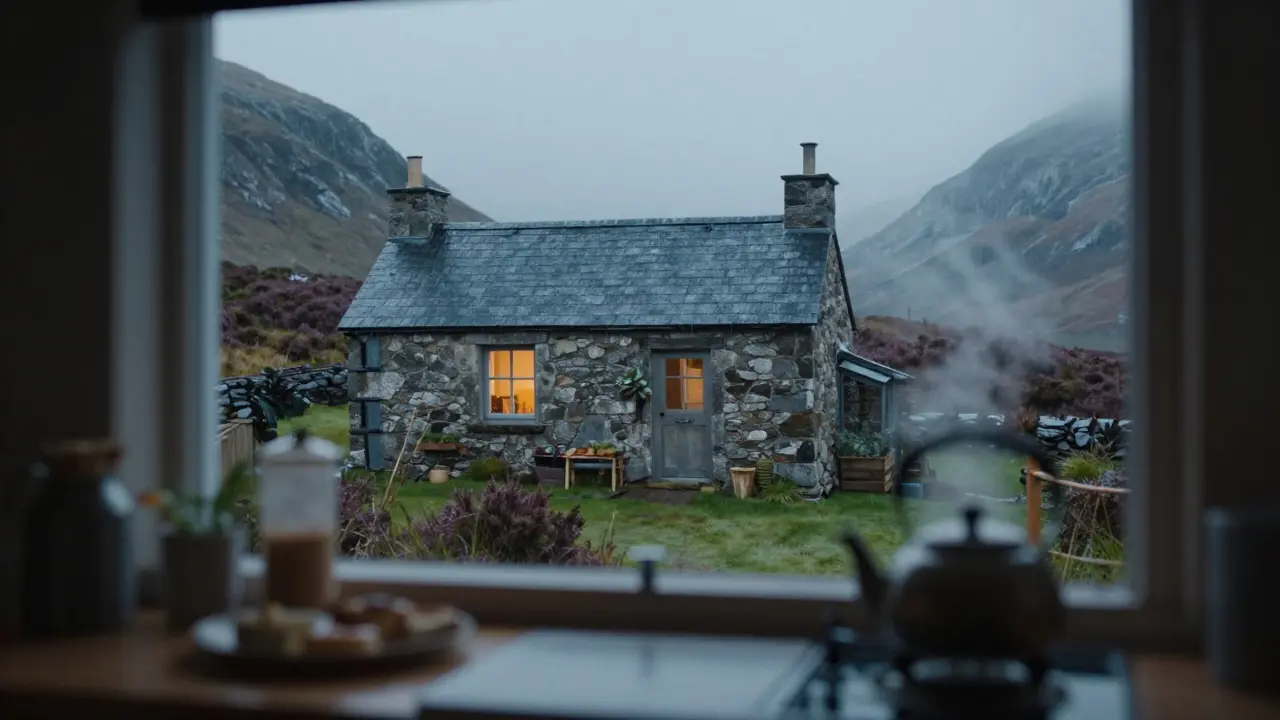
Imagine waking up to the sound of rain tapping against a windowpane, with a full kitchen at your disposal to brew a strong cup of tea or cook a hearty breakfast. That is the promise of self-catering in Scotland, which offers travelers the freedom to explore the country on their own terms without being tied to restaurant hours. Unlike traditional hotels, these accommodations provide a home-away-from-home experience that blends privacy, comfort, and local character. Whether you are planning a romantic getaway, a family adventure, or a solo retreat into the Highlands, choosing the right type of stay can make or break your trip.
The Scottish rental market has evolved significantly over the past decade. What was once dominated by basic guesthouses now includes luxury lodges, converted crofts, and modern city apartments. This shift means you have more choices than ever, but it also requires careful navigation to find value for money. In this guide, we will break down the different types of self-catering properties available, where to find them, and how to avoid common pitfalls.
Why Choose Self-Catering Accommodation?
The primary reason people opt for self-catering is control. You control when you eat, what you eat, and how much you spend on meals. Dining out in Scotland, especially in tourist hotspots like Edinburgh or the Isle of Skye, can be expensive. A simple dinner for two at a mid-range restaurant might cost £60-£80. By cooking your own meals using local ingredients from shops like Waitrose, Tesco, or independent butchers, you can cut food costs by half.
Beyond budgeting, there is the element of flexibility. Families with young children often find hotels restrictive. With a self-catering apartment or cottage, you can prepare familiar foods for picky eaters, manage nap times without worrying about noise complaints, and wash clothes if needed. For groups of friends, splitting the cost of a large house is often cheaper per person than booking multiple hotel rooms.
Another benefit is immersion. Staying in a historic stone cottage in the Highlands feels different from staying in a generic chain hotel. You engage more with the local community, visit local markets, and experience the rhythm of daily life in Scotland rather than just observing it as a tourist.
Types of Self-Catering Properties in Scotland
Scottish accommodation comes in various forms, each suited to different travel styles. Understanding the distinctions helps you choose wisely.
- Holiday Cottages: These are standalone houses, often found in rural areas. They range from rustic stone buildings with open fires to fully renovated modern homes. They typically offer one to three bedrooms and a private garden.
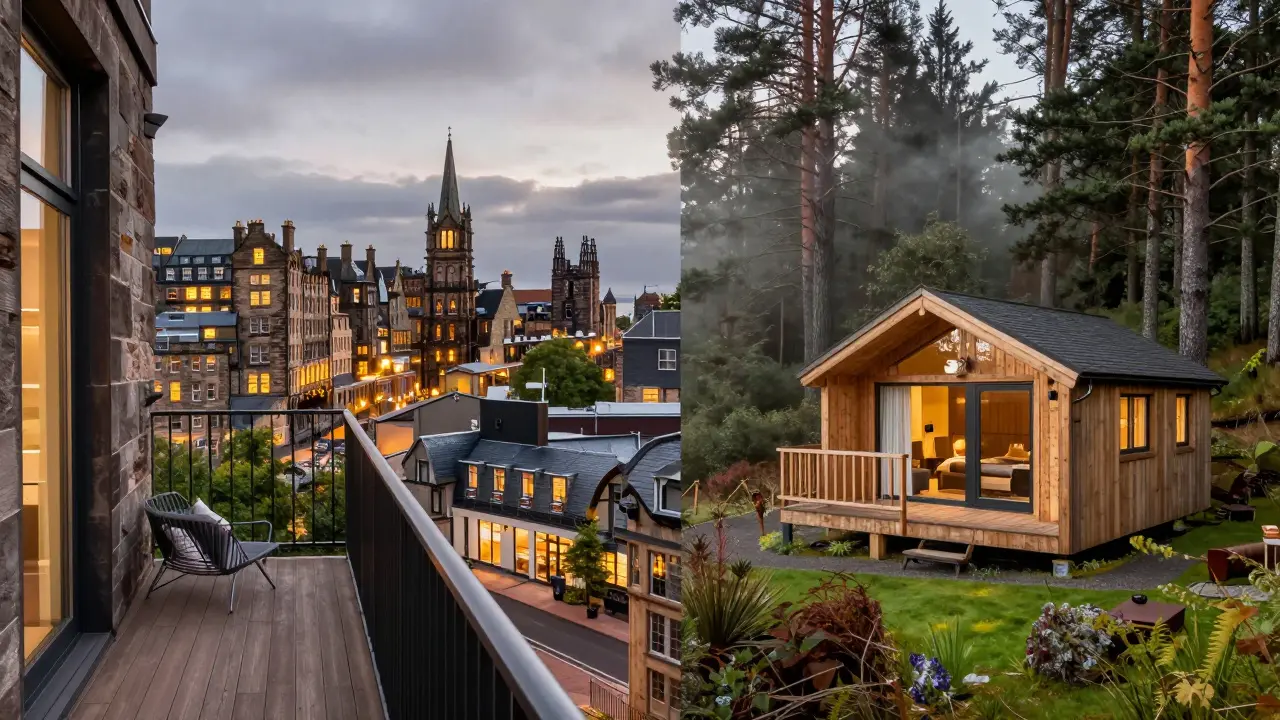
- Apartments: Ideal for city breaks or coastal stays. In cities like Glasgow or Edinburgh, you’ll find modern flats with amenities like gyms or concierge services. In coastal towns like Oban or Ullapool, apartments offer sea views and easy access to beaches.
- Lodges: Popular in national parks like Loch Lomond & The Trossachs. These are usually wooden structures, sometimes off-grid, offering a closer connection to nature. They vary from basic camping-style units to luxury eco-lodges.
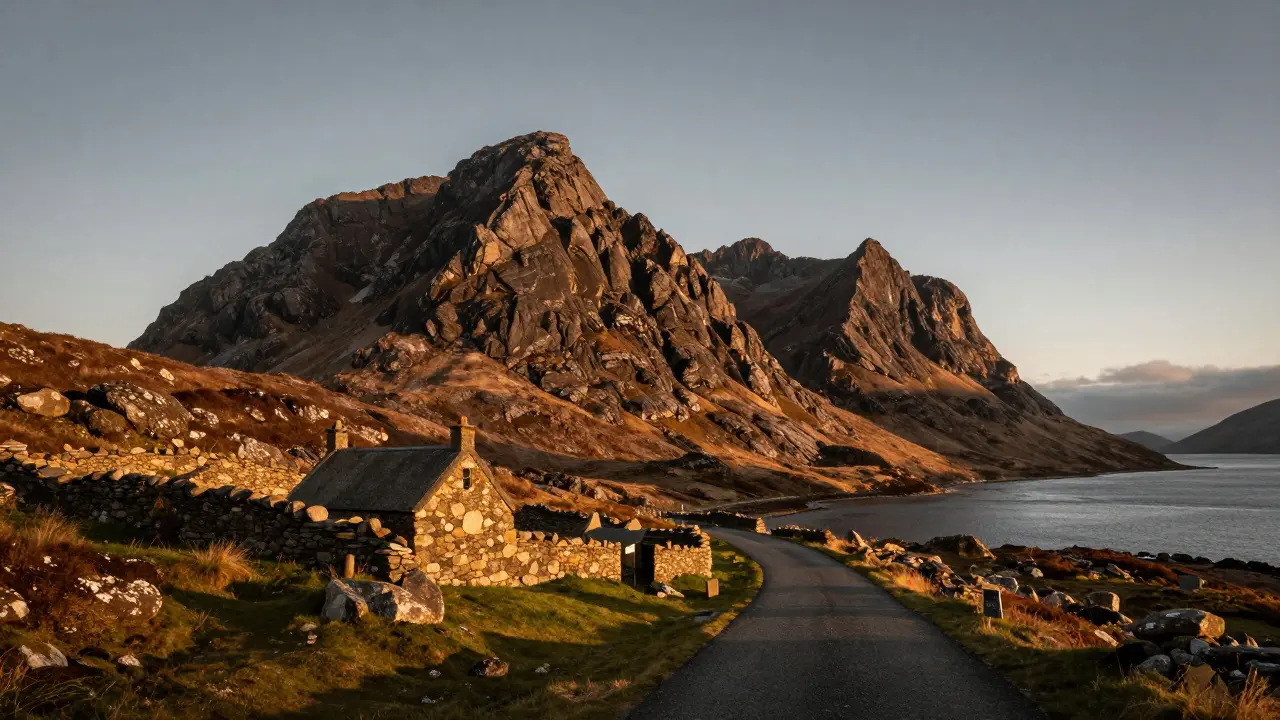
- Converted Crofts: Small traditional farmhouses, mostly in the Highlands and Islands. They offer authentic charm and historical context but may lack modern conveniences unless recently updated.
- Castle Rooms: While not always fully self-catering, some castles offer suites with kitchenettes. This is a premium option for those wanting a touch of history with some independence.
Each type has its pros and cons. Cottages offer space and privacy but may be isolated. Apartments offer convenience and location but less outdoor space. Lodges offer nature immersion but can be cold in winter if not well-insulated.
Top Regions for Self-Catering Stays
Scotland’s geography dictates where the best self-catering options are located. Here are the top regions to consider based on what you want to do.
| Region | Best For | Typical Property Type | Average Weekly Cost (Low Season) |
|---|---|---|---|
| Highlands | Hiking, Wildlife, Scenery | Cottages, Lodges | £400 - £700 |
| Isle of Skye | Dramatic Landscapes, Photography | Crofts, Cottages | £500 - £900 |
| Edinburgh | City Breaks, Culture, History | Apartments | £350 - £600 |
| Loch Lomond | Lake Activities, Family Fun | Lodges, Houses | £450 - £800 |
| Orkney Islands | History, Quiet, Nature | Crofts, Cottages | £300 - £500 |
The Highlands remain the most popular destination for self-catering due to the abundance of remote cottages. However, prices have risen sharply since 2020. The Isle of Skye is equally stunning but suffers from severe overcrowding in summer, making booking essential months in advance. For city lovers, Edinburgh apartments offer excellent transport links and proximity to attractions like the Royal Mile and Calton Hill.
Lesser-known gems include the Hebrides (Isle of Mull, Harris) and the Borders. These areas offer lower prices and fewer crowds, ideal for those seeking tranquility. The Borders region, with its rolling hills and whisky distilleries, is perfect for road trips and golf enthusiasts.
Booking Platforms and Where to Look
Finding the right property requires knowing where to look. Several platforms dominate the Scottish self-catering market.
Vrbo and Airbnb are the most widely used. Vrbo tends to list entire homes, which is great for families, while Airbnb includes a mix of shared and private spaces. Both offer user reviews, which are crucial for verifying cleanliness and accuracy of listings.
VisitScotland.com is an official tourism board site that lists accredited accommodations. This is a reliable source for quality assurance, as listed properties meet certain standards for hygiene and service.
OneGoodPlace specializes in unique and high-quality stays across the UK, including many boutique Scottish cottages. It’s worth checking if you’re looking for something distinctive.
Direct booking through property owners’ websites can sometimes yield better deals or last-minute discounts. Always compare prices across platforms before committing.
What to Expect: Amenities and Standards
Not all self-catering properties are created equal. In Scotland, standards can vary wildly between urban and rural locations. City apartments in Glasgow often come with Wi-Fi, smart TVs, and modern kitchens. Rural cottages, however, might rely on satellite TV and have limited connectivity.
Kitchen equipment is a key consideration. Most reputable hosts provide basic cookware, utensils, and appliances. However, it’s wise to check if specific items like blenders, coffee machines, or washing machines are included. Some older properties may lack microwaves or dishwashers.
Heating is another critical factor. Scotland’s climate is unpredictable, and even in spring, nights can be chilly. Ensure the property has adequate heating-central heating is standard in newer builds, but older stone cottages may use oil-fired boilers or electric heaters, which can be costly to run. Ask about energy efficiency ratings if you’re sensitive to temperature changes.
Parking is generally free and ample in rural areas, but city centers may charge for street parking or require pre-booked spots. Check if off-street parking is available, especially if you’re driving.
Cost Breakdown: Hidden Fees and Budgeting
The advertised price is rarely the final price. When budgeting for self-catering in Scotland, account for additional costs.
- Cleaning Fee: Often charged separately, ranging from £30 to £100 depending on property size.
- Tourism Tax: Edinburgh charges a visitor tax of £2 per person per night. Other cities may introduce similar taxes in the future.
- Energy Costs: Some rural properties ask guests to pay for electricity or fuel usage. Clarify this upfront.
- Security Deposit: Required for damage protection, usually refunded within 14 days after checkout.
- Pet Fees: If traveling with animals, expect an extra charge of £20-£50 per pet.
To get accurate total costs, use filters on booking sites that show “all-inclusive” prices. Read the fine print regarding cancellation policies, as these can be strict during peak seasons like August or Christmas.
Seasonal Considerations: When to Book
Timing affects both availability and price. Summer (June-August) is peak season, with prices up to 50% higher than winter. Weather is milder, but crowds are thick. Spring (April-May) and Autumn (September-October) offer a balance of good weather and lower rates. Winter (November-March) is cheapest but darkest and coldest, suitable for cozy stays and winter sports.
Book at least 3-6 months in advance for summer holidays, especially for popular spots like Skye or Inverness. For shoulder seasons, 1-2 months notice is often sufficient. Last-minute bookings can yield discounts, but selection will be limited.
Practical Tips for a Smooth Stay
Before you arrive, confirm check-in procedures. Many Scottish rentals are unstaffed, requiring key collection from lockboxes or nearby neighbors. Have a backup plan if you miss the window.
Bring essentials if the property is basic. Items like toilet paper, soap, and spices are not always provided. Pack a small kit with basics to save time and money upon arrival.
Respect local rules. In rural areas, keep dogs on leads near livestock, close gates behind you, and dispose of waste properly. Noise restrictions apply, especially in residential neighborhoods.
Finally, communicate with your host. If issues arise-broken appliances, unclear instructions-reach out immediately. Most hosts are responsive and willing to help resolve problems quickly.
Is self-catering cheaper than hotels in Scotland?
For groups or families, yes. Cooking meals saves significant money compared to dining out. For solo travelers, hotels might be comparable or cheaper, especially if they include breakfast.
Can I book self-catering accommodation last minute?
It depends on the season. During summer, availability is low. In winter or shoulder seasons, you may find good deals. Use apps with instant booking features for faster results.
Are pets allowed in Scottish holiday cottages?
Many are, but not all. Always filter for "pet-friendly" on booking sites and confirm with the host. Expect additional cleaning fees and potential restrictions on furniture access.
What should I pack for a self-catering stay?
Pack basics like toilet paper, hand soap, and favorite spices. Also bring comfortable shoes for walking, layers for changing weather, and a power bank if outlets are scarce.
How do I handle check-in for unstaffed properties?
Most provide digital keys, lockbox codes, or instructions for neighbor assistance. Ensure you have mobile signal or download offline maps. Contact the host if you encounter issues.