
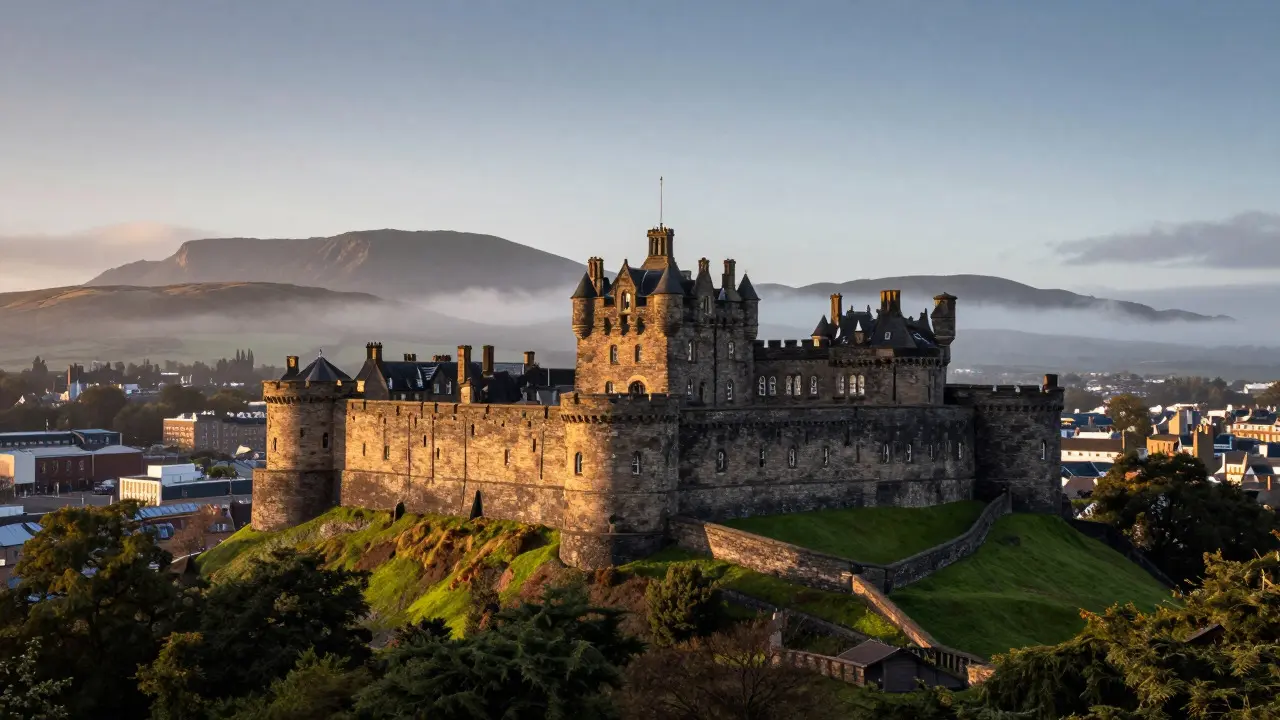
Stirling is a historic city in central Scotland that serves as a strategic gateway between the Highlands and the Lowlands. Often overlooked by tourists rushing to Edinburgh or Glasgow, this compact city packs centuries of military history into a walkable urban center. If you are planning a trip to Scotland, using Stirling as your base for day trips offers unmatched access to some of the country's most significant historical sites.
Why Stirling Makes the Perfect Scottish Base
You might wonder why you should stop here instead of heading straight to the capital. The answer lies in geography and logistics. Stirling sits right on the M9 motorway, connecting it to Edinburgh in just 40 minutes and Glasgow in about an hour. This central location means you can avoid the heavy traffic congestion of larger cities while still being close to major transport hubs.
The city itself is small enough to navigate easily. You don't need a car to explore the main attractions once you arrive. Parking can be tricky near the castle, but there are several pay-and-display lots within walking distance. For those arriving by train, Stirling Allen railway station offers frequent services from both Edinburgh and Glasgow, making it a seamless transit point.
- Central location reduces travel time to major sights
- Affordable accommodation compared to Edinburgh or Glasgow
- Walkable city center with minimal traffic stress
- Excellent public transport connections
Exploring Stirling Castle: A Royal Fortress
Stirling Castle is one of Scotland's most important royal residences, located atop Castle Hill overlooking the city. It has been a stronghold since the 12th century and served as a home to many Scottish monarchs, including Mary, Queen of Scots, who was crowned here as a baby in 1543.
Visiting the castle requires advance planning. Tickets should be booked online to skip the queues, especially during peak summer months. The entry fee includes access to the Great Hall, the King's Old Building, and the Chapel Royal. Each area tells a different part of Scotland's turbulent past.
The view from the top of Castle Hill is breathtaking. On a clear day, you can see the Ochil Hills to the south and the Grampian Mountains to the north. This vantage point explains why the site was so strategically valuable throughout history. Control of Stirling meant control of the route into the Highlands.
- Book tickets online at least two weeks in advance
- Allow at least three hours for a thorough visit
- Wear comfortable shoes for steep cobblestone paths
- Visit the museum shop for high-quality replicas and books
Battlefields That Shaped Scotland
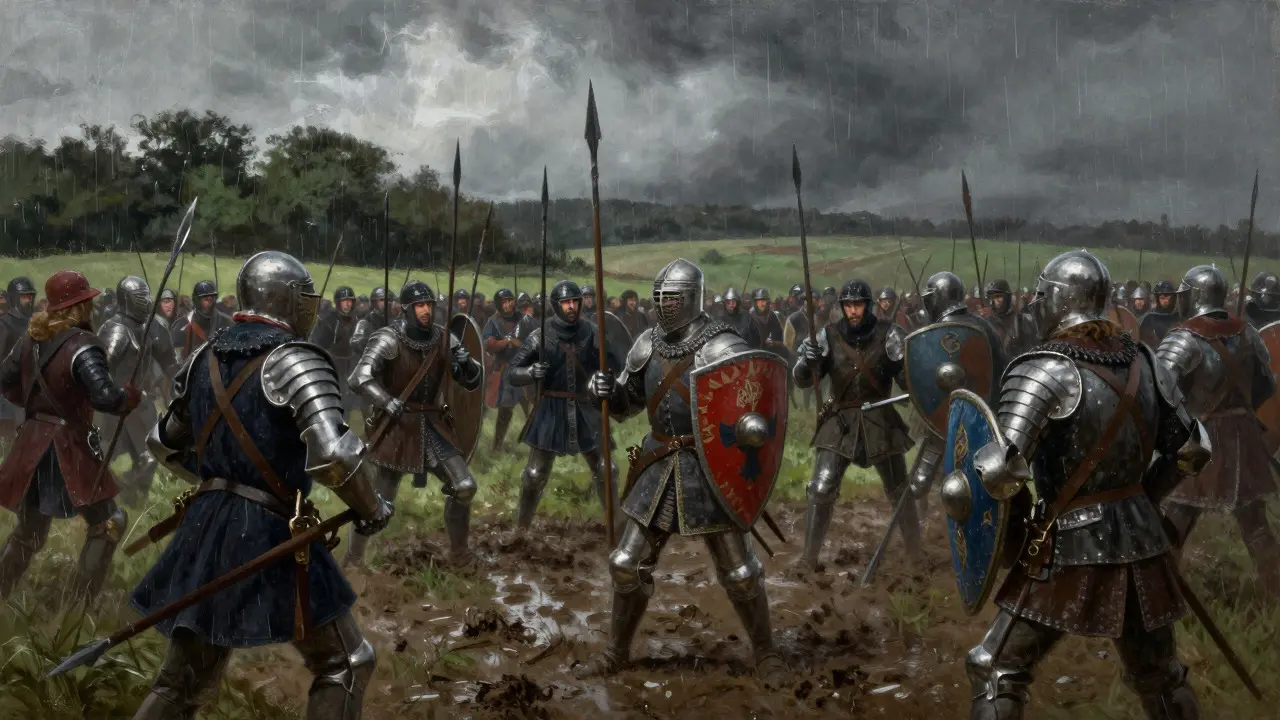
Just outside the city walls lie the grounds where Scotland's fate was decided multiple times. The Battle of Bannockburn took place in 1314, when Robert the Bruce defeated the English army led by Edward II. This victory secured Scottish independence for centuries. Today, the Bannockburn Visitor Centre provides interactive exhibits and guided tours of the battlefield landscape.
Bannockburn Battlefield is a historic site commemorating the decisive 1314 battle between Scottish and English forces. The visitor centre uses modern technology to bring the events to life, helping visitors understand the tactics and terrain that contributed to the Scottish victory.
Nearby, the Battle of Prestonpans occurred in 1746, marking the beginning of the Jacobite rising. Though smaller in scale than Bannockburn, this battle had significant implications for British politics. Both sites are accessible by bus from Stirling city center, making them easy additions to your itinerary.
| Battle Site | Date | Key Figures | Visitor Experience |
|---|---|---|---|
| Bannockburn | 1314 | Robert the Bruce, Edward II | Interactive exhibits, guided tours |
| Prestonpans | 1746 | Charles Edward Stuart, Henry Hawley | Self-guided walks, informational panels |
| Stirling Bridge | 1297 | William Wallace, English forces | Historical markers, scenic views |
Day Trips From Stirling: Beyond the City Walls
Using Stirling as your base opens up incredible opportunities for exploring surrounding areas. Within a 30-minute drive, you can reach Loch Lomond, Scotland's largest freshwater loch. The Trossachs National Park offers hiking trails, cycling routes, and water sports activities perfect for active travelers.
For culture enthusiasts, Falkland Palace sits just 15 minutes away. This former royal residence showcases stunning Renaissance architecture and beautifully maintained gardens. Further afield, Dunblane Cathedral provides insight into medieval religious life, while Callander serves as a gateway to the Highland wilderness.
- Loch Lomond: Boating, fishing, and lakeside walks
- Falkland Palace: Historic architecture and formal gardens
- Dunblane Cathedral: Medieval ecclesiastical heritage
- Callander: Access to West Highland Way trailhead
Practical Tips for Visiting Stirling
Weather in Scotland can change rapidly, so always pack layers even in summer. A waterproof jacket and sturdy footwear are essential, especially when visiting outdoor historical sites. Local restaurants offer hearty Scottish cuisine, including haggis, neeps, and tatties, which provide energy for long days of sightseeing.
Accommodation options range from budget hostels to luxury hotels. Booking early ensures better rates and availability. Many guesthouses in Stirling offer free parking, which can save money if you plan to drive to nearby attractions. Public transportation remains reliable year-round, with buses running regularly to all major sites.
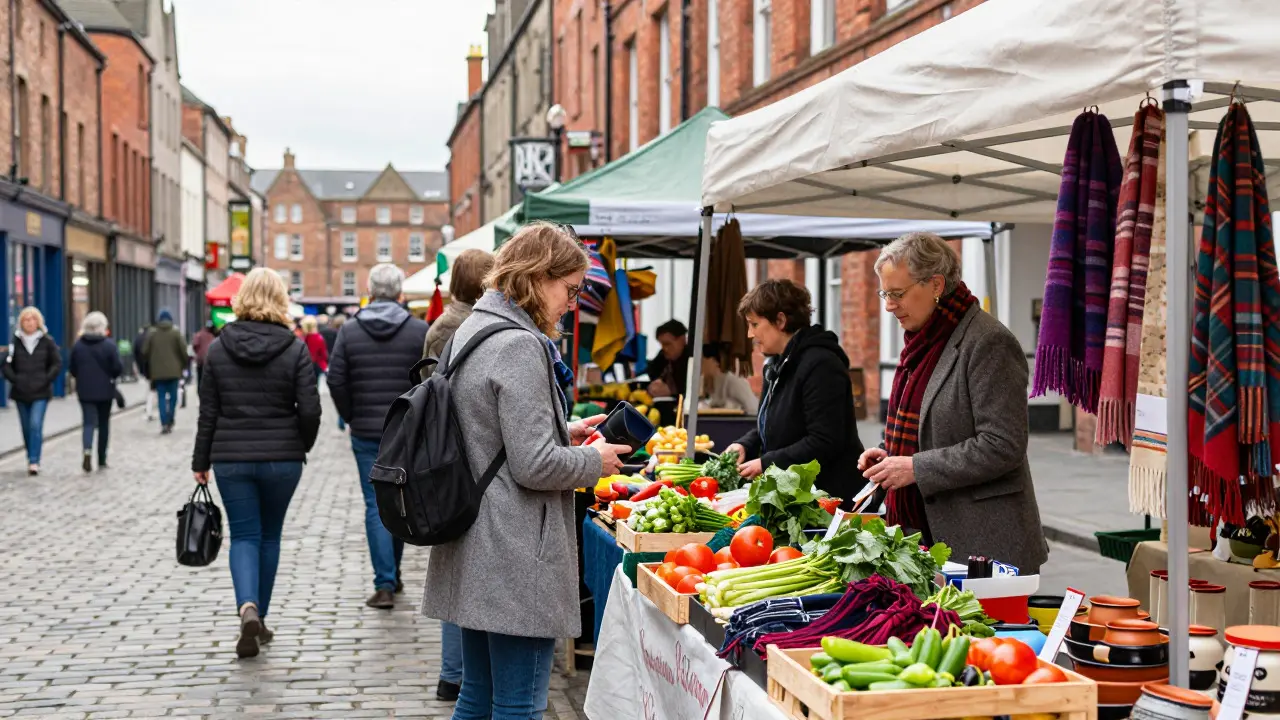
Don't forget to explore the local markets held every Saturday morning. These provide fresh produce, handmade crafts, and traditional foods. It's an excellent way to experience daily life in Stirling beyond the tourist attractions.
Understanding the Historical Significance
Stirling's importance extends far beyond its castles and battlefields. The city played a crucial role in shaping modern Scotland through political decisions made within its walls. The Treaty of Perth in 1266 transferred the Hebrides and Isle of Man from Norway to Scotland, expanding the kingdom's territory significantly.
The University of Stirling, founded in 1967, continues this legacy of intellectual achievement. While not directly related to medieval history, the campus adds vibrancy to the city with student-led events and cultural programs. This blend of ancient and contemporary makes Stirling unique among Scottish destinations.
How much does it cost to enter Stirling Castle?
Adult admission costs approximately £18, with concessions available for students, seniors, and children under 16 entering free. Family tickets offer savings for groups.
Is Stirling safe for solo female travelers?
Yes, Stirling is generally very safe. The city has low crime rates and friendly locals. Standard precautions apply, such as keeping valuables secure and avoiding poorly lit areas late at night.
What is the best time to visit Stirling?
Spring (April-May) and autumn (September-October) offer pleasant weather and fewer crowds. Summer brings longer daylight hours but higher prices and more visitors.
Can I visit Bannockburn without a car?
Yes, regular bus services run from Stirling city center to Bannockburn Visitor Centre. Journey time is approximately 20 minutes, with departures every 30 minutes during peak seasons.
Are there any free attractions in Stirling?
Several free options exist, including walking tours of the city center, visiting the Stirling Smith Art Gallery & Museum (free entry), and exploring the parks around the castle.
Comments (13)
-
Joanna Mucha August 6, 2026
It is absolutely pathetic how the masses flock to Edinburgh like mindless drones while ignoring the actual soul of Scotland here in Stirling. The architectural grandeur of the castle is not merely 'cool' but a testament to a lineage that modern tourists barely comprehend. You stand on those cobblestones and feel the weight of centuries, yet people are too busy taking selfies to absorb the existential dread of history. It is a place for contemplation, not for Instagram influencers with their filtered realities. The strategic positioning between Highlands and Lowlands is not just geography; it is a metaphor for the human condition, suspended between chaos and order. Most guides miss this nuance entirely, reducing profound historical trauma to bullet points about parking. One must approach Stirling with a certain intellectual humility, or better yet, leave it to those who can appreciate its quiet, crushing majesty without needing a souvenir shop.

-
Kim Edwards August 7, 2026
I literally screamed when I saw the view from the castle hill because it was SO dramatic!! Like imagine being Mary Queen of Scots as a baby there?? My heart is pounding just thinking about the battles. The wind was howling and I felt so alive and terrified at the same time. Everyone needs to come here and feel something real instead of just sitting in cafes in Glasgow. It’s an absolute emotional rollercoaster and I am still recovering from the intensity of the Bannockburn exhibits. I cried. Actually cried. Who knew history could be this visceral??

-
Bonnie Watt August 7, 2026
Oh please, spare me the romanticized nonsense about 'feeling alive.' You went to a tourist trap, paid overpriced tickets, and stood in line for three hours to see some old stones that have been cleaned up for your amusement. It’s not a spiritual journey, it’s a commodity. And don’t get me started on the 'strategic gateway' rhetoric. It’s a small town with a castle on a hill, big deal. People treat it like it’s the center of the universe when really it’s just another stop on the bus route. The locals probably hate you for clogging up the streets with your enthusiasm. Keep dreaming though, it’s cute.

-
Meagan Mueller August 8, 2026
they dont want you to know the truth about stirling its all staged the castle is a front for something bigger look at the angles of the walls they align with ley lines that control energy flow from the highlands down to the lowlands its not just history its suppression robert the bruce knew it thats why he fought but now its sanitized for tourists so you can buy haggis and forget what really happened wake up sheeple the battlefields are cursed grounds that keep the population docile through fear of the past

-
Dave Gibbeson August 10, 2026
Listen up folks if you are going to do this right you need to plan ahead no excuses book your tickets online two weeks prior or you will waste your day standing in line which is inefficient and stupid wear good shoes because the cobblestones are uneven and you will twist an ankle if you are lazy allow three hours minimum for the castle itself then hit bannockburn immediately after do not dawdle take the bus it is fast and reliable stay hydrated and eat before you go because the food options near the visitor centers are mediocre at best this is how you conquer travel preparation is key execution is mandatory

-
Sabrina Newland August 11, 2026
oh my gosh i totally agree with dave about planning but also like isn't it wild how history just repeats itself? 🤔 i mean we are still fighting over land and power basically the same stuff as 1314 lol but maybe if we visited more places like stirling we would understand each other better? the universe feels very connected there especially when you look at the mountains 🏔️✨ i think the energy of the place makes you want to be nicer to people even if they are rude in line 😅 has anyone else felt that vibe?

-
Amara Akbar August 11, 2026
It is truly remarkable how such a compact city can offer such a rich tapestry of experiences. One should certainly consider the ethical implications of tourism, ensuring that one's presence supports the local economy rather than detracting from it. The suggestion to visit the Saturday markets is particularly astute, as it allows for genuine cultural exchange. Furthermore, the accessibility via public transport is a model for sustainable travel practices. We must strive to be mindful travelers, respecting both the historical significance of the sites and the contemporary community that resides within them. It is a harmonious blend of the ancient and the modern that deserves our utmost respect and attention.

-
Mark Harvey August 13, 2026
you guys are missing the point it is all about the mindset if you go in with a positive attitude you will have a great time regardless of the rain or the crowds i always say bring your own snacks and smile at strangers it changes everything the view from the castle is amazing if you just breathe it in no need to stress about logistics just go with the flow and enjoy the moment life is short make memories not lists

-
Art HND August 15, 2026
typical american optimism applied to scottish misery. the rain does not care about your mindset. the cobblestones do not care about your smile. you will slip and break an ankle and then cry. simple physics. stop trying to psychoanalyze the weather. just pay the money and look at the rocks.

-
Brandon Olvera August 15, 2026
Stirling is important because it kept the English out for a long time. That is the only thing that matters. If you are not interested in military strategy you should probably skip it. The Bruce was a warrior king. Not a poet. Respect the steel.

-
Elizabeth Brooks August 15, 2026
i think art is being a bit harsh lol but yeah the military history is super cool. i found out that you can actually walk around the battlefield at bannockburn and it is pretty spooky seeing where things happened. also did you know that the university is pretty new compared to the castle? it is wild to see students walking past medieval walls. i took so many pics of the contrast. highly recommend checking out the smith gallery too it is free and has some weird cool artifacts

-
Deb Kortyna, MBA August 17, 2026
The logistical efficiency of using Stirling as a hub cannot be overstated. With direct rail links to both Edinburgh and Glasgow, the time savings are substantial when calculated against the opportunity cost of navigating urban congestion. Furthermore, the accommodation price differential offers a significant margin for error in budgeting. One must approach this itinerary with a structured methodology: secure lodging early, prioritize ticket reservations, and allocate specific time blocks for each historical site. Disorganization leads to suboptimal experiences. Precision is paramount.

-
alex kobri August 18, 2026
there is a boundary between observing history and consuming it most people cross it without noticing. stirling demands silence not noise. when you stand on the bridge remember wallace was not a hero he was a man doing what he had to do. the landscape holds the memory not the plaques. listen to the wind it tells the real story. let the stones speak for themselves
