
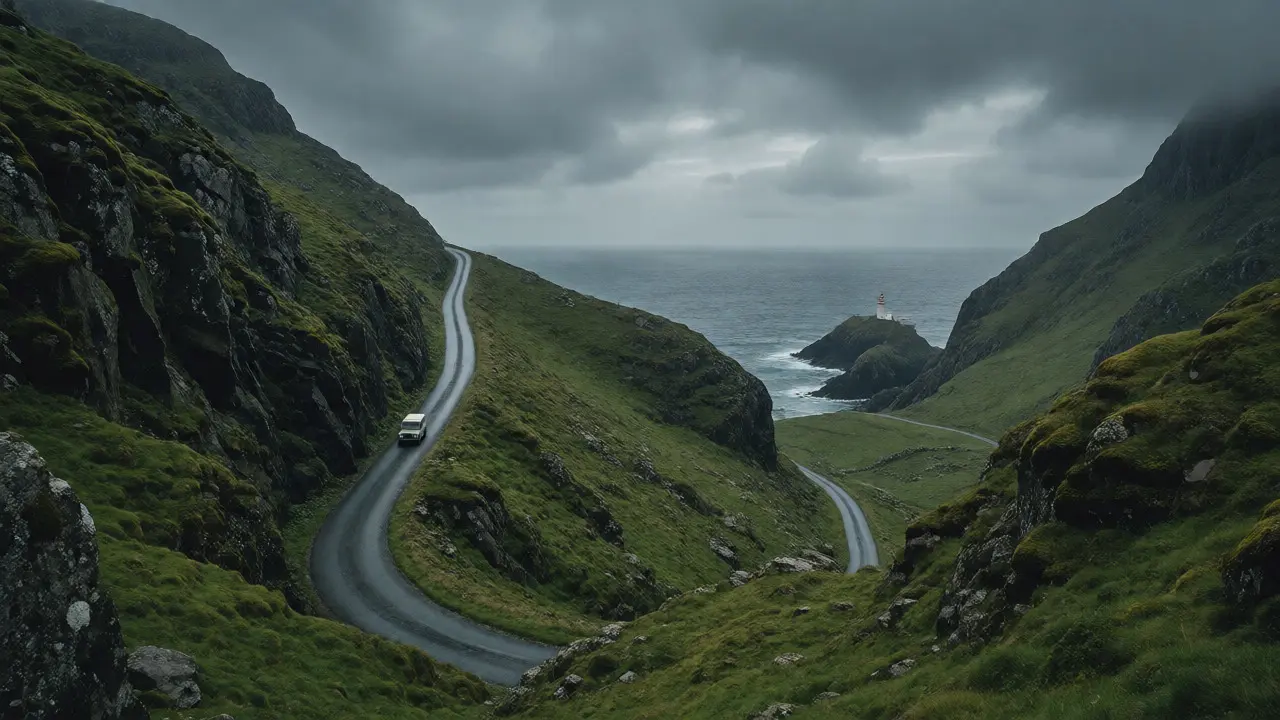
There’s something undeniably magnetic about a lighthouse. It stands at the edge of the world, defying the Atlantic swell, keeping watch while the rest of us sleep. But in Scotland, these aren't just pretty pictures for your Instagram feed. They are hard-won monuments to engineering stubbornness and maritime history that spans centuries. If you’re planning a trip north, don’t just look at them from afar. Drive to them. Walk up to them. Touch the stone.
A lighthouse road trip in Scotland offers a unique blend of rugged coastal scenery, historical depth, and driving adventure along some of the most remote roads in Europe. Unlike standard tourist traps, these routes take you off the motorway and onto single-track passes where the only traffic is sheep and the occasional camper van. Whether you’re chasing the ghost of Robert Louis Stevenson or hunting for the best whisky distillery near a cliff face, the beacon lights guide the way.
Why Chase Lights? The Allure of the Scottish Coast
You might ask, why bother with a specific theme? Why not just drive around? Because Scotland is big, and without a narrative thread, it can feel overwhelming. A lighthouse trail gives you purpose. It turns a 400-mile drive into a story. Each tower tells you about a specific era of shipbuilding, trade, and survival.
Most people know the iconic red-and-white stripes, but the reality is far more varied. Some are squat and fortress-like, built to withstand hurricane-force winds. Others are slender white needles piercing the sky. Many are automated now, silent sentinels, but their presence still dictates the flow of traffic on the coast. When you plan a route around these structures, you naturally hit the high points-literally and figuratively-of the Scottish landscape.
The North Coast 500: The Ultimate Beacon Run
If you have one week and a decent car, start with the North Coast 500 (NC500). This isn't just a road; it's a rite of passage. While the entire loop is famous, the northern and western arcs are dense with lighthouse heritage.
Begin in Inverness. Head west towards Applecross. The climb over the Bealach na Bà is brutal, but worth it. Once you drop down to the coast, keep an eye out for Applecross Lighthouse, a small but significant marker guiding vessels through the treacherous waters of the Sound of Sleat. It’s not open to the public, but the viewpoint nearby offers a stark reminder of why ships needed these guides.
Continue north to Ullapool. Here, the terrain gets wilder. The highlight here isn't a single tower, but the journey to Rubha Reidh Lighthouse, located on the Wester Ross coastline. This one is special. It’s been converted into holiday accommodation. You can actually stay in the keeper’s cottage. Imagine waking up to the sound of gulls crashing against the glass, with nothing but sea in every direction. It’s isolated, expensive, and absolutely unforgettable.
Fife and East Lothian: The Historic Heartland
Not all lighthouse adventures require four-wheel drive and waterproofs. If you prefer comfort and culture, head east. The Northern Lighthouse Board, established in 1786, has its headquarters in Edinburgh, but its legacy is strongest along the Fife and East Lothian coasts. These areas were the industrial heart of Scottish shipping, so the density of beacons here is unmatched.
St Abb’s Lighthouse is a prime example of accessible history. Located in Berwickshire, this site is part of a country park. You can walk right up to the base. The contrast between the manicured paths and the violent rocks below is striking. Nearby, the ruins of St Abb’s Monastery add a layer of medieval intrigue that few other coastal sites offer.
Further south, near Dunbar, lies Bass Rock Lighthouse. You can’t visit it-it’s perched on a jagged rock three miles offshore-but you can see it from the harbor. It holds the record for being one of the highest lighthouses in Britain relative to sea level. On clear days, spotting it feels like finding a hidden Easter egg. Combine this with a stop at Tantallon Castle for a day that balances military history with maritime safety.
The West Coast: Islands and Isolation
For those who want to get away from everything, the west coast islands are the final frontier. This requires ferries, patience, and a tolerance for rain. But the payoff is immense.
Take the ferry to Arran. The Mull of Galloway Lighthouse is technically in the southwest, but let’s stick to the main west coast highlights first. Let’s talk about Muckle Flugga in Shetland if you’re feeling ambitious, but for a more manageable island trip, look at Cumbrae Island Lighthouse near Millport on the Isle of Cumbrae. It’s a short hop from Glasgow, making it perfect for a weekend escape. The light itself is automated, but the surrounding area is quiet, green, and peaceful.
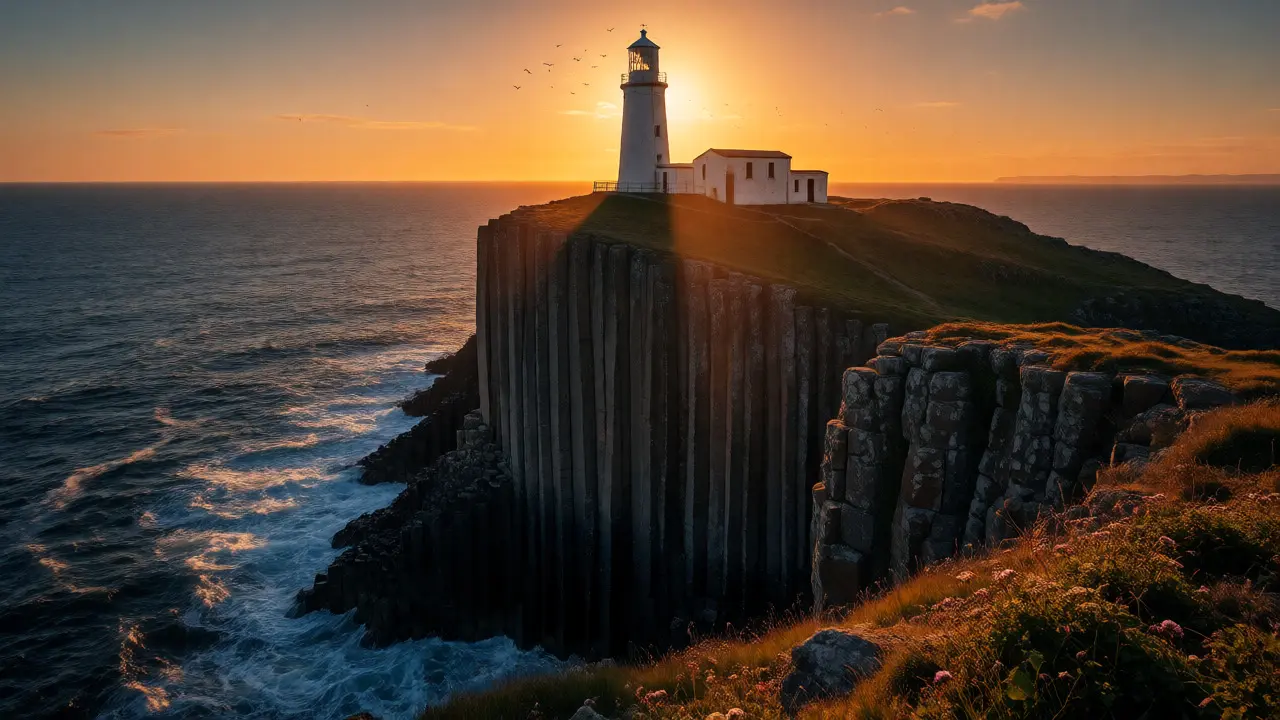
If you venture further north to Skye, you’ll encounter Neist Point Lighthouse, the most westerly point on the island. This is arguably the most photographed lighthouse in Scotland, and for good reason. The basalt cliffs plunge hundreds of feet into the ocean. There’s no cafe, no gift shop cluttering the view-just raw nature. Visit at sunset, and you’ll understand why sailors feared this spot. The currents here are notorious, creating whirlpools that could swallow a boat whole.
Practical Tips for Your Lighthouse Pilgrimage
Driving in Scotland is different from driving in England or the US. The roads are narrow, often winding, and shared with livestock. Here’s how to survive-and enjoy-the trip.
- Check Access: Not all lighthouses are open. Many are active navigational aids with restricted access due to safety. Always check the Northern Lighthouse Board website before traveling specifically to visit a tower.
- Parking Etiquette: At popular spots like Neist Point, parking is limited. Arrive early (before 10 AM) or late (after 4 PM). Midday crowds can block the single-track road behind you, causing gridlock.
- Weather Prep: Even in July, wind speeds can hit 60 mph at exposed sites. Dress in layers. A waterproof shell is non-negotiable.
- Respect Wildlife: Many lighthouse sites are seabird colonies. During breeding season (April-July), stay on marked paths to avoid disturbing puffins, guillemots, and kittiwakes.
| Lighthouse Name | Location | Accessibility | Best For |
|---|---|---|---|
| Rubha Reidh | Wester Ross | Stay available | Isolation & Luxury |
| Neist Point | Isle of Skye | Viewpoint only | Photography & Sunsets |
| St Abb’s | Berwickshire | Walkable grounds | Family Day Trip |
| Bell Rock | Angus Coast | Boat tour required | Engineering Marvels |
| Mull of Kintyre | Kintyre Peninsula | Open to visitors | Remote Exploration |
The Engineering Behind the Light
It’s easy to romanticize the keeper’s life, but the engineering was pure science. Most of the great Scottish lighthouses were designed by the Stevenson family-Robert Louis’s father and grandfather among them. Thomas Stevenson invented the oscillating lens system, which made lights visible from greater distances with less fuel.
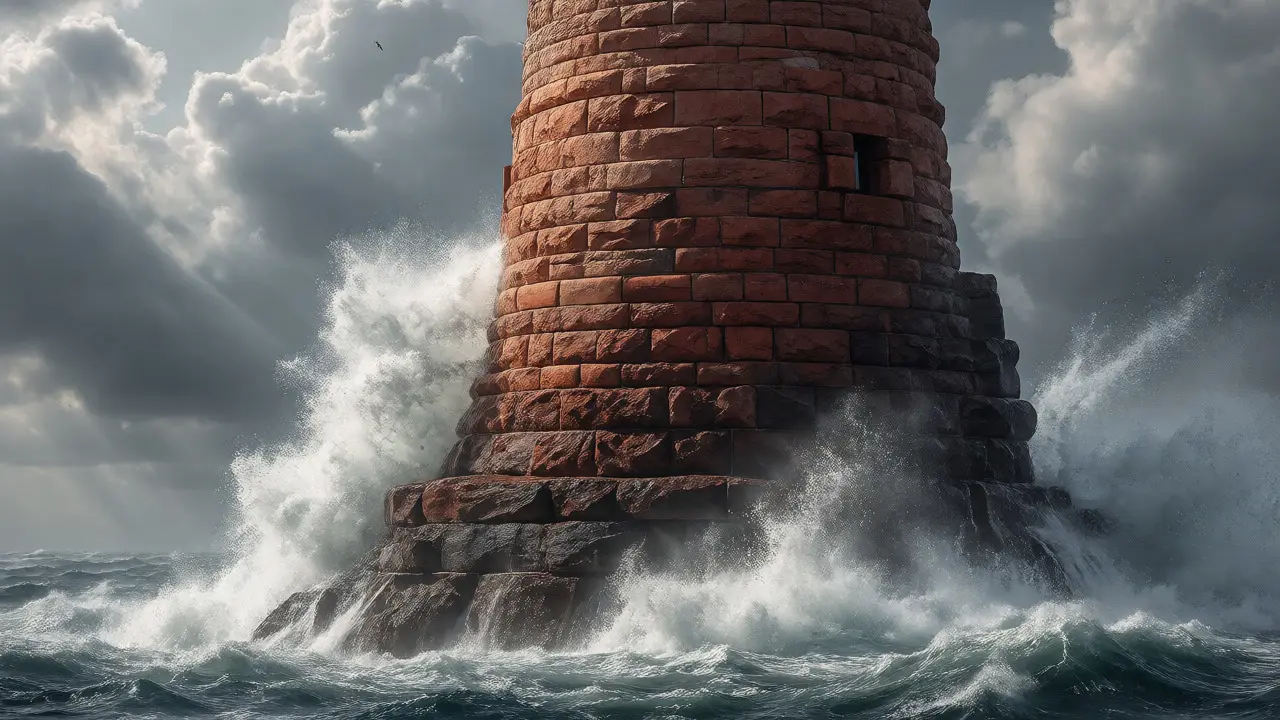
When you stand at Bell Rock Lighthouse, you’re looking at a feat that took ten years to build. Located nine miles off the Angus coast, it sits on a submerged reef that had claimed countless ships. The construction involved building a temporary beacon first, then constructing the tower piece by piece as the tide allowed. Today, you can take a boat tour from Arbroath to see it up close. It’s a testament to human persistence against the odds.
This history adds weight to your visit. You’re not just seeing a building; you’re witnessing the solution to a deadly problem that plagued mariners for generations. Understanding this context transforms a simple photo op into a meaningful experience.
Beyond the Tower: What Else to See
A lighthouse trip shouldn’t end at the tower. The surrounding areas are rich with culture. Near Bell Rock, explore Arbroath Abbey, where the Declaration of Independence was signed. In Fife, combine your lighthouse visits with a tour of the fishing villages like Anstruther, home to the Scottish Fisheries Museum.
Food is another major draw. The seafood caught in these waters is world-class. Stop at a harborside shack for langoustines or smoked salmon. In the Highlands, pair your lighthouse hike with a dram of single malt whisky. Many distilleries are within a short drive of coastal routes, offering tastings that complement the salty air.
Can I go inside any Scottish lighthouse?
Yes, but options are limited. Rubha Reidh offers overnight stays. Mull of Kintyre and some others allow daytime tours during summer months. Many others, like Neist Point, are exterior-only viewpoints due to safety or automation.
How long does a full lighthouse road trip take?
A focused trip covering the North Coast 500 and key eastern sites takes about 7-10 days. A shorter weekend trip focusing on Fife and East Lothian can be done in 2-3 days.
Are lighthouses open in winter?
Most visitor centers close between November and March. However, the exterior views remain accessible year-round, though weather conditions may make driving hazardous. Check local council websites for road closures.
What is the Northern Lighthouse Board?
The NLB is the organization responsible for operating lighthouses and buoyage services in Scotland and the Isle of Man. Founded in 1786, it maintains the infrastructure and technology of these vital maritime aids.
Do I need a 4x4 vehicle?
No, a standard car is sufficient for most routes, including the NC500. However, higher clearance vehicles provide more comfort on rougher tracks leading to remote sites like Rubha Reidh.