
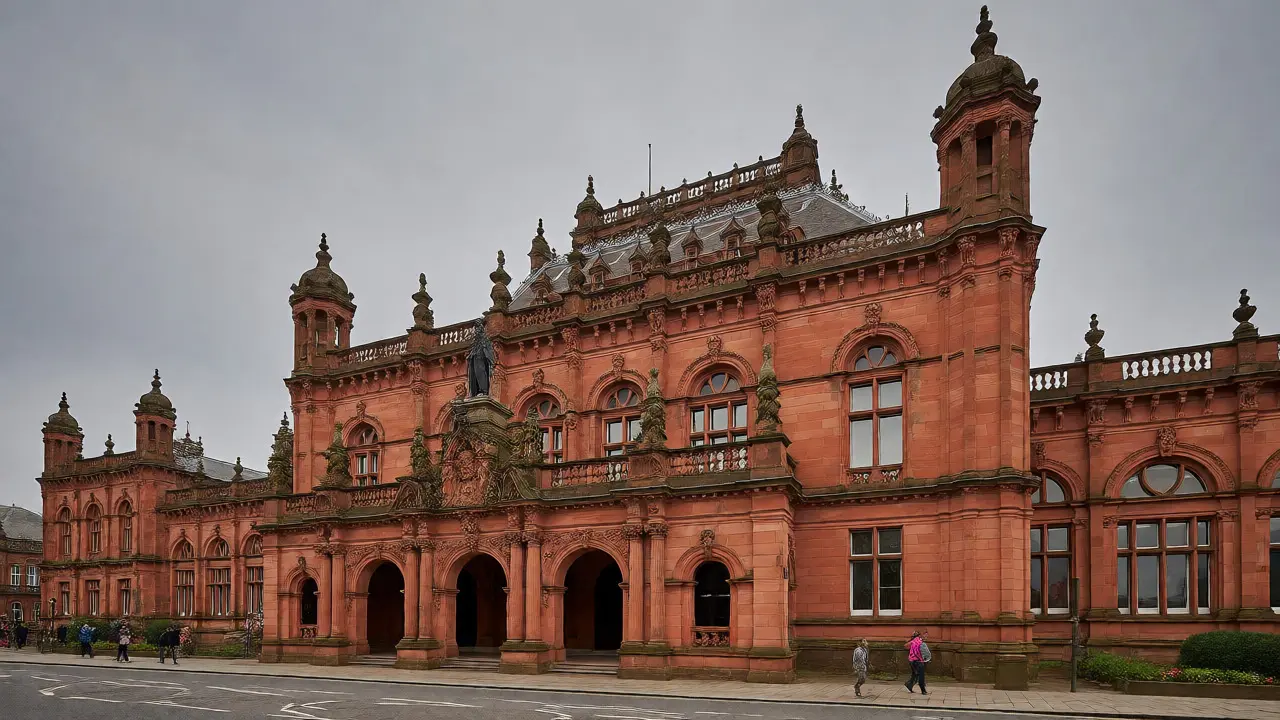
You’ve landed in Glasgow, you’ve got a few hours to kill, and you want to see something that defines the city’s soul without draining your wallet. Enter Kelvingrove Art Gallery and Museum, a red sandstone masterpiece on Argyle Street that serves as both a world-class cultural institution and Glasgow’s favorite living room. It is consistently ranked as one of the most visited free attractions in the UK, drawing over two million people annually. If you are looking for a place where high art meets local history under one spectacular roof, this is it. But before you rush in, you need to know how to navigate its forty galleries without getting overwhelmed.
| Feature | Details |
|---|---|
| Admission Cost | Free (Permanent Collection) |
| Standard Hours | 10:00 AM - 5:00 PM (Daily) |
| Last Entry | 4:30 PM |
| Closed Days | 25-26 December, 1 January |
| Key Highlight | Salvador Dalí’s Christ of Saint John of the Cross |
| Location | Argyle Street, Glasgow G3 8AG |
The Architecture That Stops You in Your Tracks
Before you even step inside, take a moment to appreciate the building itself. Designed by Sir John James Burnet and opened in 1901, Kelvingrove is a prime example of Spanish Baroque architecture mixed with Scottish Baronial touches. The exterior is clad in red sandstone from Girvan, which gives it that warm, distinctive glow against the often grey Glasgow sky. Look up at the main entrance; the statue of St Mungo, the patron saint of Glasgow, stands guard above the doors. This isn’t just a container for art; it’s a piece of civic pride built during Glasgow’s industrial peak when the city was known as the "Second City of the Empire."
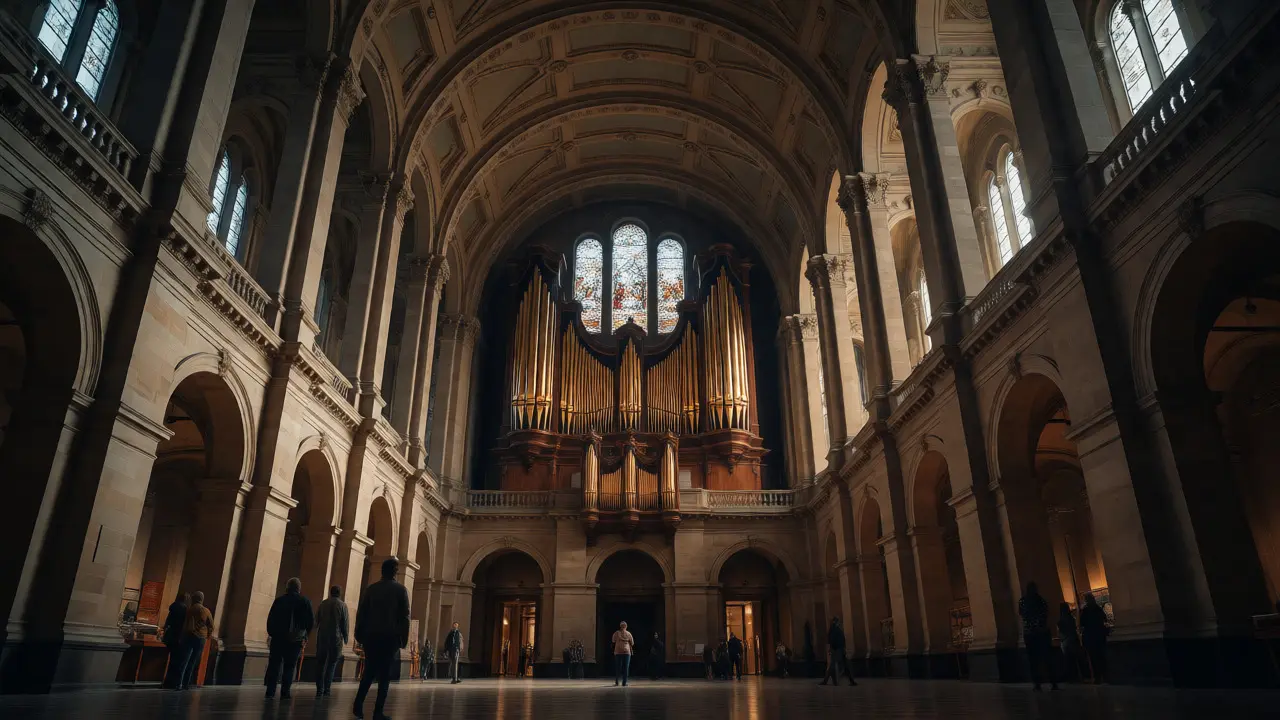
The central hall is where the magic happens. With its vaulted ceiling, stained glass windows, and massive pipe organ, it feels more like a cathedral than a museum. On Sundays, if you’re lucky, you might catch an organ recital. The sound reverberating off those stone walls is genuinely spine-tingling. It’s a sensory experience that no photograph can capture, so put your phone down for a minute and just listen.
Must-See Masterpieces Inside
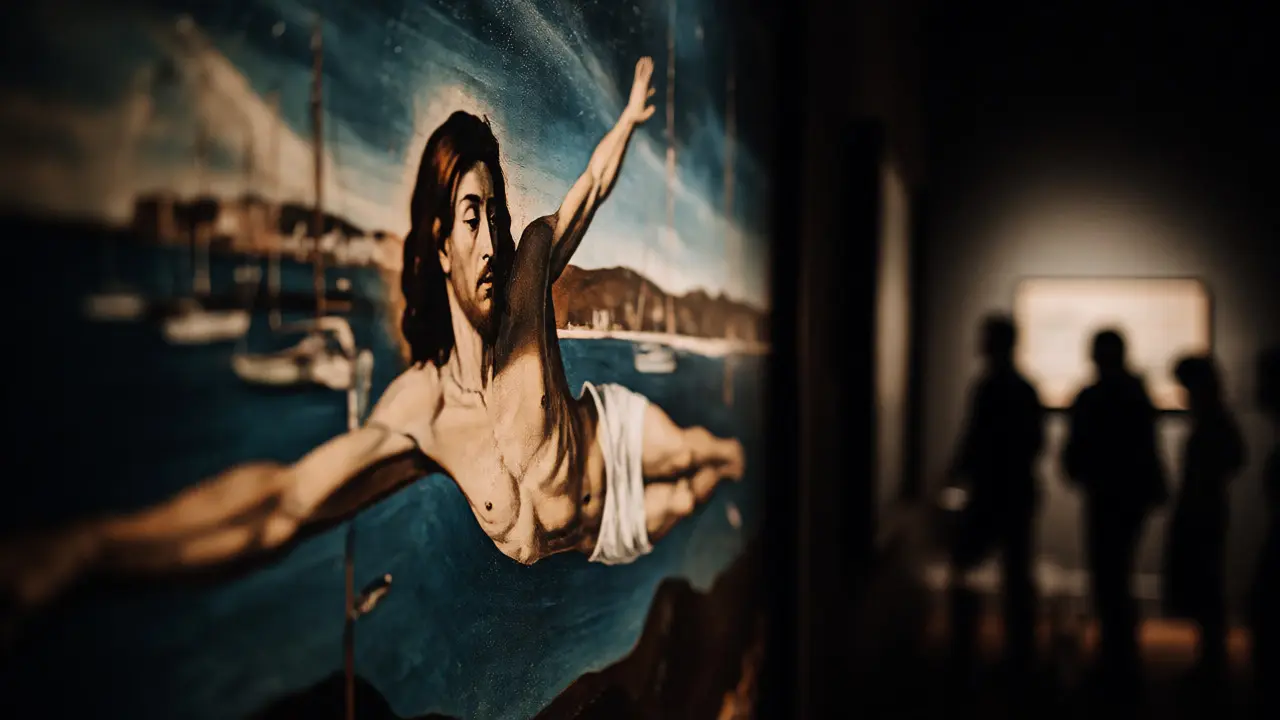
With forty galleries, you can’t see everything in one go unless you have all day. So, let’s cut through the noise. What do you actually need to see? Start with the Salvador Dalí painting. Christ of Saint John of the Cross is arguably the most famous artwork in the collection. Painted in 1951, it depicts Jesus floating above Port Lligat harbor. It’s surreal, striking, and historically significant because Glasgow was one of the first cities to acquire a major Dalí work. People flock here specifically for this canvas, so expect a small crowd around it.
Next, head to the Dutch Masters gallery. You’ll find works by Rembrandt and Van Gogh here. The lighting is subdued, which helps preserve the pigments but also creates an intimate atmosphere. Don’t skip the Scottish Colourists section either. Artists like Samuel Peploe and Francis Cadell used bold, vibrant colors to capture the light of France and Scotland. Their work is less about historical accuracy and more about emotional impact. If you enjoy impressionism, this corner of the museum will feel like a breath of fresh air.
Glasgow History and Natural Wonders
Beyond fine art, Kelvingrove houses a fascinating natural history collection. The Mammal Hall features dioramas that were popular in the early 20th century. While some might find them dated, they offer a unique glimpse into how Victorians viewed the animal kingdom. You’ll see taxidermy displays ranging from African elephants to Scottish deer stags. It’s educational and surprisingly engaging for kids, who tend to love the large-scale models.
For those interested in local heritage, the Glasgow Life galleries tell the story of the city’s transformation from a small burgh to an industrial powerhouse. You’ll see artifacts related to the Clyde shipyards, including models of famous ships like the Queen Mary and the Cunard Line vessels. These exhibits explain how Glasgow’s wealth was built on trade and manufacturing. There’s also a dedicated section on Charles Rennie Mackintosh, the architect who defined Glasgow’s aesthetic style. His furniture designs and sketches show the intricate craftsmanship that made his name famous worldwide.
Practical Tips for Your Visit
Since admission is free, the museum gets busy, especially on weekends and school holidays. Here is how to handle the crowds:
- Go Early or Late: Arrive right at opening time (10:00 AM) or stay until closing (5:00 PM). Midday is peak chaos.
- Use the Cloakroom: Large bags and coats aren’t allowed in some galleries. The cloakroom is near the entrance and costs a nominal fee (usually £1-£2), but it saves you hassle.
- Check for Special Exhibitions: While the permanent collection is free, temporary exhibitions sometimes charge a ticket. Check the website before you go to avoid surprises.
- Accessibility: The building is fully wheelchair accessible with lifts to all floors. Audio guides are available for rent, providing deeper context to the artworks.
If you’re traveling with children, keep in mind that the museum is family-friendly. They often run activity trails for younger visitors, which turns a potentially boring walk-through into a scavenger hunt. Ask staff at the information desk about current kids’ activities. Also, there’s a café inside called the Kelvingrove Café. It’s decent for coffee and snacks, though prices are typical for tourist spots. For better value, head out to nearby Sauchiehall Street for independent cafes.
Nearby Attractions and Getting There
Kelvingrove sits in the West End, a vibrant area full of culture and green space. Once you’re done, walk across the street to Kelvin Park, one of Glasgow’s largest public parks. It’s perfect for stretching your legs after hours of standing. Inside the park, you’ll find the Glasgow Science Centre and the Glasgow Tower, which offers panoramic views of the city. If you prefer shopping, Byres Road is a short walk away, offering boutique stores and bookshops.
Getting there is easy. Take the Subway to Kelvinhall station and walk ten minutes south. Alternatively, many bus routes stop directly outside the museum. Driving is possible, but parking in the West End can be tricky. Look for pay-and-display bays on nearby streets or use the official car park if spaces are available.
Frequently Asked Questions
Is entry to Kelvingrove Art Gallery really free?
Yes, entry to the permanent collection is completely free. This includes all forty galleries, the natural history exhibits, and the art collections. However, special temporary exhibitions may require a paid ticket.
How long does it take to visit Kelvingrove?
A quick highlight tour takes about 1 to 1.5 hours. To properly explore the art, history, and natural science sections, plan for 3 to 4 hours. If you’re an art enthusiast, you could easily spend a whole day here.
Are photos allowed inside the museum?
Non-flash photography is generally permitted for personal use in most galleries. However, restrictions apply in certain areas, particularly where copyright issues exist or in specific temporary exhibitions. Always check signage or ask staff if unsure.
Is Kelvingrove suitable for young children?
Absolutely. The museum is very family-friendly. The Mammal Hall and dinosaur skeletons are big hits with kids. Staff often provide activity sheets, and pushchairs are welcome throughout the building.
What is the best way to get to Kelvingrove from Glasgow Central?
Take the Subway (Orange Circle line) to Kelvinhall station. From there, it’s a 10-minute walk south along Argyle Street. Buses also run frequently from the city center directly to the museum entrance.