
Scotland is often painted as a land of rugged cliffs, boggy moors, and steep hills. For many travelers with mobility impairments, this image can feel like a closed door. The reality, however, is shifting fast. Over the last decade, a network of accessible outdoor trails that are designed to accommodate wheelchairs, walkers, and prams has emerged across the country. These aren't just flat sidewalks; they are genuine nature experiences that offer stunning views without the physical barrier of rough terrain.
If you are planning a trip to Scotland and rely on a wheelchair or have limited mobility, you don't have to stick to museum halls and city centers. You can hike through ancient forests, walk along dramatic coastlines, and explore historic castles. The key is knowing where to go. This guide breaks down the best **wheelchair-friendly routes** in Scotland, categorized by region and terrain type, so you can plan an adventure that fits your needs.
Understanding Accessibility Standards in Scottish Parks
Before picking a route, it helps to know what "accessible" actually means in the context of Scottish National Parks and local councils. Not all smooth paths are created equal. Some might be gravel, which can be bumpy for manual wheelchairs but fine for power chairs. Others might be tarmac, offering the easiest roll but potentially lacking drainage during heavy rain.
Look for these specific indicators when researching trails:
- Tarmac or Paved Surfaces: The gold standard for accessibility. These provide the least resistance and are suitable for most manual and electric wheelchairs.
- Compacted Gravel: Acceptable for robust wheels and power chairs, but can be challenging for thin-tired manual chairs.
- Gradient: A slope of less than 1:20 (5%) is generally considered manageable. Steeper slopes require significant upper body strength or a powered chair.
- Width: Paths should be at least 1.8 meters wide to allow two people to pass comfortably.
Many trails are now audited under the Access for All initiative, a partnership between Scottish Natural Heritage, local authorities, and disability groups. Look for their signage, which provides detailed information about surface quality, width, and any potential hazards like tree roots or uneven stones.
Top Accessible Trails in Edinburgh and Lothians
Edinburgh offers some of the most impressive accessible landscapes in the UK, largely because much of its green space was designed with public access in mind centuries ago. The capital’s proximity to both sea and hill makes it a versatile starting point.
| Trail Name | Surface Type | Length | Key Features |
|---|---|---|---|
| Arthur's Seat Path | Paved/Tarmac | 3.5 km loop | Panoramic city views, historic volcano |
| Royal Botanic Garden | Paved/Gravel | Various loops | Greenhouses, diverse plant life, cafes |
| Leith Links Coastal Walk | Tarmac | 4 km round trip | Ferry terminal, sea views, playgrounds |
The path up Arthur's Seat is a dormant volcano in Holyrood Park is perhaps the most famous example. While the summit itself involves some steps, there is a fully paved alternative route that climbs steadily but smoothly to a high vantage point. From here, you get the same sweeping views of the Firth of Forth and the city skyline as those who climb the steeper paths. It’s a testament to how good design can democratize access to iconic landmarks.
For a flatter experience, the Royal Botanic Garden Edinburgh features extensive paved pathways connecting various themed gardens. The main avenues are wide and well-maintained, making it easy to navigate between the glasshouses and the Japanese Garden. It’s a peaceful escape from the city bustle, with plenty of seating and accessible toilets nearby.
Coastal Wonders: The North Sea and Firth of Forth
Scotland’s coastline is dramatic, but often difficult to access due to cliffs and rocky shores. However, several stretches have been developed into accessible coastal paths. These routes combine the sensory experience of the ocean with practical infrastructure.
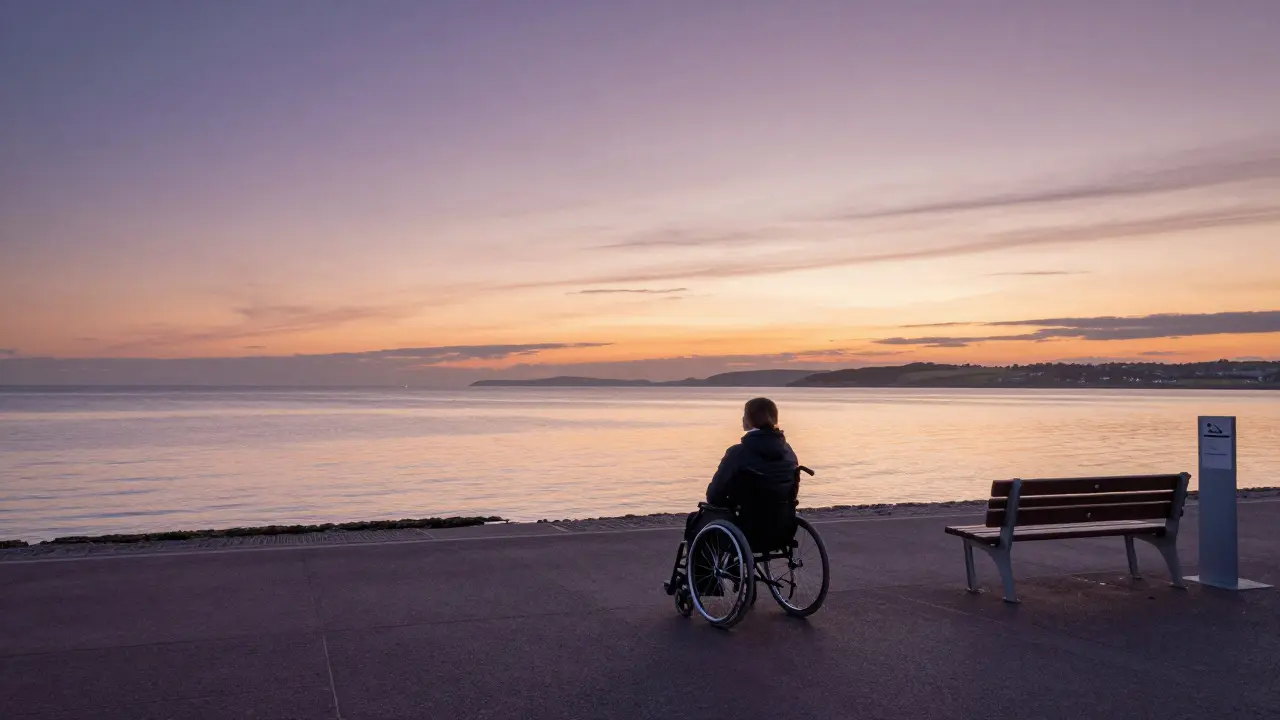
In Aberdeen, the Granite City's waterfront promenade offers miles of smooth tarmac walking. The route extends from the harbour out towards Torry, passing through parks and past modern sculptures. The surface is consistently even, and there are regular rest stops with benches and accessible facilities. It’s particularly beautiful at sunset when the light hits the granite buildings and the sea.
Further south, the Fife Coastal Path includes several sections specifically upgraded for accessibility. The stretch between St Andrews and Leuchars is largely flat and paved. St Andrews itself is a hub for accessible tourism, with ramped access to the castle ruins and smooth paths around the golf links. The combination of history, sport, and seaside scenery makes it a top destination for visitors with mobility needs.
Forest Escapes: Woodlands and Ancient Trees
Woodland trails can be tricky for wheelchairs due to roots and mud. But Scotland has invested heavily in creating boardwalks and paved loops within its national forests. These areas offer a different kind of beauty-quiet, shaded, and rich in wildlife.
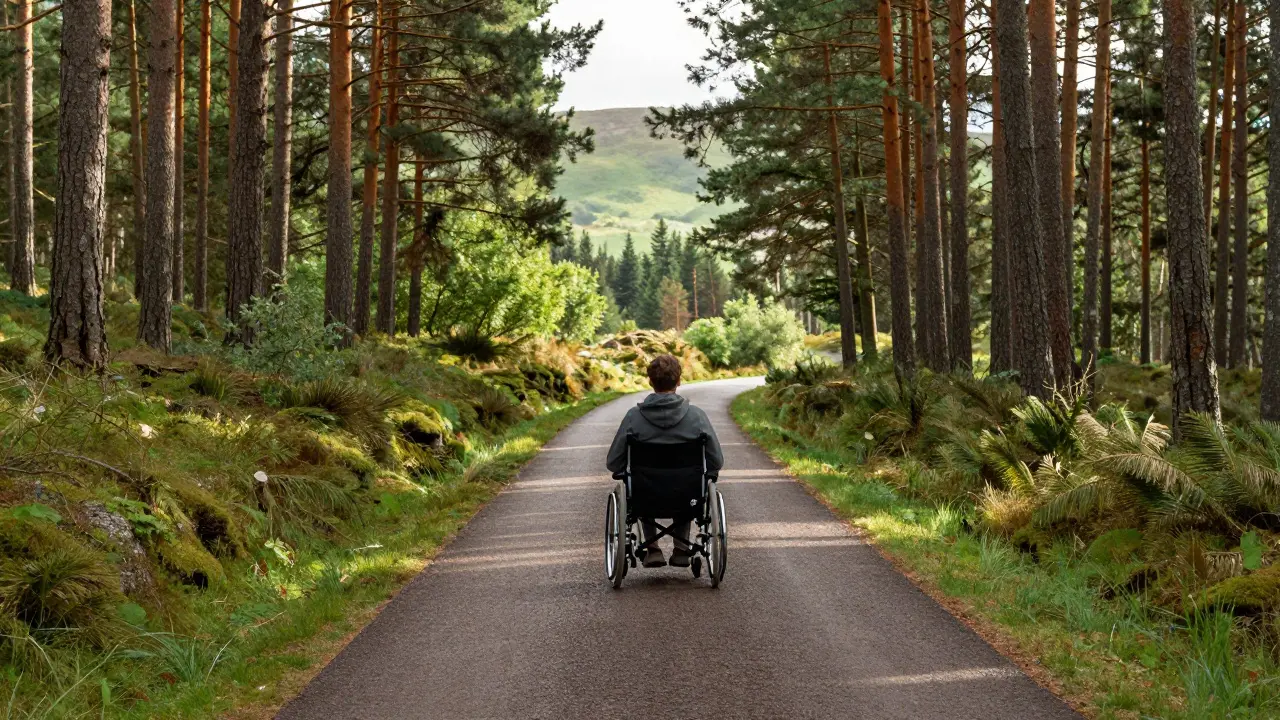
Cairngorms National Park may seem remote, but it has excellent accessible options. The Aviemore Forest Drive is a short, paved loop that takes you through dense pine forest. There are viewing platforms built at ground level, allowing you to stop and observe red deer or golden eagles without having to navigate rough ground. The drive is also car-accessible, meaning you can park right next to the trailhead.
Another gem is Glenfeshie Forest near Braemar. Here, you’ll find a dedicated accessible trail that follows a gentle stream. The path is surfaced with compacted stone dust, which is firm enough for most wheelchairs. Along the way, interpretive signs explain the local ecology in large print and braille. It’s a quiet, immersive experience that feels worlds away from the tourist crowds.
Historic Sites with Modern Access
Castles and ruins are central to the Scottish experience, but old stone structures rarely comply with modern accessibility standards. Fortunately, many major sites have added ramps, lifts, and adapted tours.
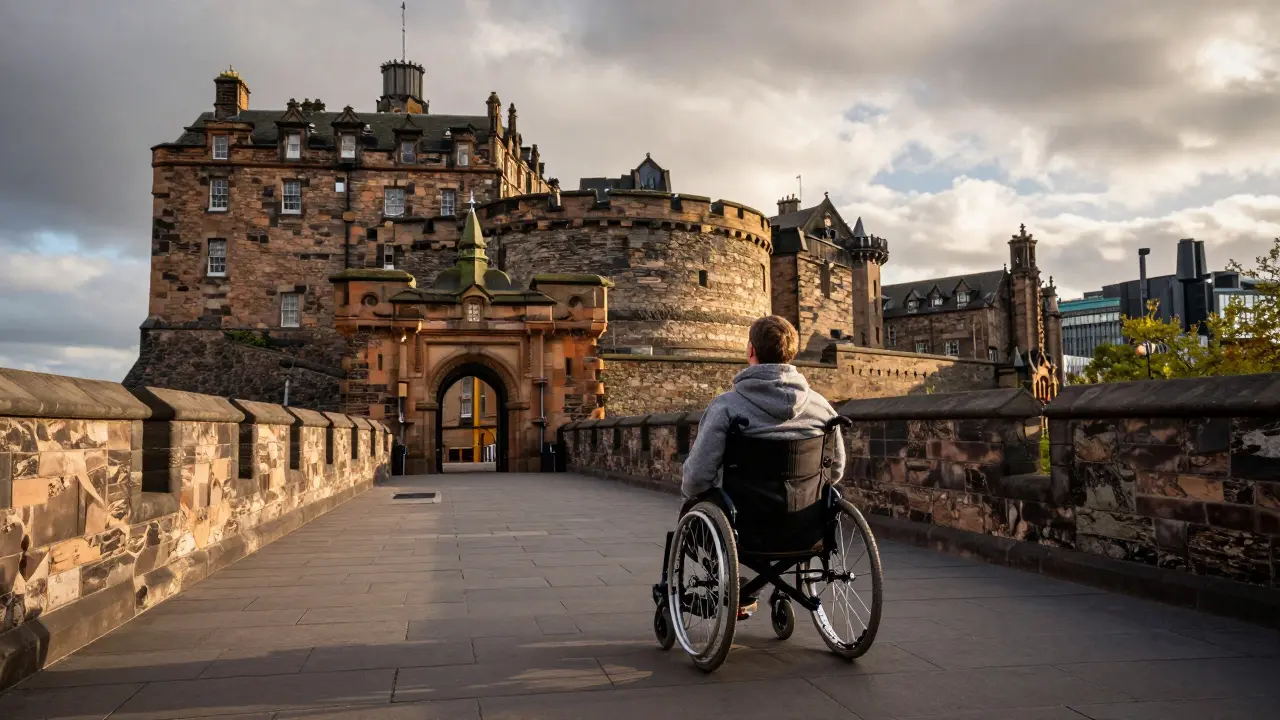
Edinburgh Castle has made significant improvements. While the main gatehouse still requires climbing steps, there is a separate entrance via the Esplanade that uses a ramp system. Inside, the Great Hall and the Stone of Destiny are accessible via lift. Staff are trained to assist visitors with mobility aids, and loaner wheelchairs are available on-site.
Stirling Castle is another standout. The castle sits on a crag, but the approach road is paved and gently sloping. Once inside, the courtyard and the King’s Old Palace are accessible. The castle’s visitor center offers detailed guides on navigating the site with a wheelchair, including maps highlighting the best routes and avoiding bottlenecks.
Practical Tips for Planning Your Trip
Even with the best trails, preparation is key. Weather in Scotland can change rapidly, affecting trail conditions. A sunny morning can turn into a muddy afternoon after a quick shower. Here’s how to stay safe and comfortable:
- Check Recent Reviews: Use apps like Wheelmap or local council websites to see recent user reports. Conditions can vary seasonally.
- Dress for Layers: Even in summer, temperatures can drop. Wear waterproof layers and sturdy clothing that protects against wind and rain.
- Plan Rest Stops: Identify cafes or picnic spots along the route. Having a place to recharge is essential for longer trips.
- Inform Your Hotel: Let your accommodation know you’ll be returning with wet gear or needing extra assistance. Many hotels offer drying rooms for coats and shoes.
- Carry a Backup Plan: If a trail is too slippery or crowded, have an alternative indoor activity ready. Museums and galleries in cities like Glasgow and Edinburgh are highly accessible.
Transportation is another factor. Scotland’s bus network is increasingly accessible, with low-floor buses and priority seating. Trains also have step-free access at most major stations. When renting a car, consider vehicles with hand controls or automatic transmission if you need more independence on the road.
Why Inclusive Travel Matters
Accessible tourism isn’t just about compliance; it’s about inclusion. When trails are designed for everyone, they benefit families with prams, older adults, and people with temporary injuries. By choosing these routes, you support businesses and organizations that prioritize diversity and equity. Your visit sends a message that Scotland welcomes all visitors, regardless of ability.
The landscape of Scotland is vast and varied. With careful planning and the right resources, you can experience its beauty firsthand. Whether you’re rolling through a pine forest, watching the sunset over the Firth of Forth, or exploring the ramped corridors of a medieval castle, the adventure is yours to claim.
Are there any free accessible trails in Scotland?
Yes, many trails in National Parks and local woodlands are free to access. Examples include the Aviemore Forest Drive and parts of the Fife Coastal Path. Always check for parking fees, which may apply at popular sites.
Can I take my dog on these wheelchair-friendly trails?
Most accessible trails allow dogs on leads. However, some nature reserves or sensitive habitats may restrict pets. Check the specific rules for each location before you go.
What should I do if the weather turns bad?
If rain makes gravel paths slippery, switch to tarmac routes or seek shelter in nearby visitor centers. Many trails have covered shelters or nearby cafes. Always carry waterproof gear.
Are there accessible toilets on these trails?
Major trails and parks usually have accessible toilets at trailheads or visitor centers. Smaller woodland walks may not. Plan your route around known facilities or use portable solutions if needed.
How do I find real-time updates on trail conditions?
Check the official websites of Scottish Natural Heritage or local councils. Social media groups for disabled travelers in Scotland also share recent photos and tips on current conditions.
Comments (15)
-
Lisa Nally June 29, 2026
It is absolutely imperative that we recognize the systemic barriers still present in so-called 'accessible' tourism infrastructure. The jargon used here, such as 'compacted gravel,' often masks the reality of high rolling resistance for manual wheelchair users who lack the upper body strength to navigate uneven terrain. We must demand stricter adherence to ISO standards for path width and gradient, rather than relying on subjective assessments by local councils. Furthermore, the reliance on tarmac is not just a convenience but a civil rights issue regarding equitable access to public spaces.

-
Edward Gilbreath June 30, 2026
they say accessible but its all a lie. government wants you stuck in cities watching screens. trails are traps. mud hides cameras. dont go out there

-
kimberly de Bruin July 2, 2026
the nature is just a mirror of our own broken minds really. walking or rolling it does not matter because the soul is always trapped in the body. scotland is beautiful but also empty like us

-
Edward Nigma July 4, 2026
Actually, most of these 'accessible' paths are worse than the regular ones because they force everyone into a single narrow corridor which ruins the experience for everyone else. It's lazy planning disguised as progress. Also, Arthur's Seat isn't a volcano, it's a volcanic neck, and calling it a dormant volcano is scientifically inaccurate. You people need to do better research before spreading misinformation.

-
Francis Laquerre July 5, 2026
I have spent considerable time exploring the cultural landscapes of Europe and I can attest that Scotland has made remarkable strides in recent years. The integration of historical sites with modern accessibility features is nothing short of inspiring. It reflects a deep societal commitment to inclusivity that we should all admire and emulate in our own communities. The effort to preserve heritage while ensuring equal access is truly commendable.

-
michael rome July 6, 2026
I am incredibly motivated by this initiative and believe it sets a powerful precedent for global tourism standards. It is essential that we support these developments financially and vocally to ensure they continue to expand. Let us celebrate this progress and encourage other nations to follow suit in creating inclusive environments for all travelers regardless of their physical abilities.

-
Andrea Alonzo July 8, 2026
I completely understand the frustration that many individuals feel when encountering inaccessible infrastructure despite the best intentions of planners, and I want to emphasize that every small step towards improvement is significant. It is important to remember that these changes take time and resources, but the ultimate goal of creating a world where everyone can enjoy the beauty of nature without restriction is worth the effort. Please keep sharing your experiences and feedback as it helps advocates push for even better solutions in the future.

-
Saranya M.L. July 9, 2026
In India, we have been implementing similar initiatives under the Rights of Persons with Disabilities Act, and while progress is slow, the framework is robust. However, Scotland's approach seems more organic and less bureaucratic. It is crucial to note that true accessibility requires not just physical infrastructure but also attitudinal shifts among service providers. We must learn from each other's successes and failures to create a globally standardized model for inclusive tourism.

-
om gman July 11, 2026
oh look another western nation pretending to care about disabled people. meanwhile their healthcare system is collapsing. nice try though. probably just doing it for the tax breaks. i bet the toilets are never clean anyway

-
Jeanne Abrahams July 11, 2026
From my perspective in South Africa, we are still fighting basic battles for curb cuts, so seeing Scotland offer paved loops through national forests feels almost futuristic. It is ironic that a country known for its ruggedness is leading in smooth surfaces. Perhaps we should import some of that Scottish pragmatism along with the rain.

-
Bineesh Mathew July 12, 2026
The moral imperative of accessibility is often overshadowed by economic concerns, yet it is the very fabric of our humanity that binds us together in shared experiences. To deny someone the view of a sunset because of a steep slope is to deny them a piece of the human condition. We must rise above petty grievances and embrace the collective joy of inclusion.

-
Oskar Falkenberg July 13, 2026
i was there last summer and honestly the aviemore forest drive was amazing. the boardwalks were super well maintained and i saw a red deer right next to the path. it was really cool how quiet it was too. if you go make sure you take layers because it gets windy up there even in july. hope you guys get to check it out soon!

-
Caitlin Donehue July 14, 2026
i wonder if the ferry terminal at leith links has accessible boarding ramps for wheelchairs directly onto the boats? that would be really useful info for anyone planning to combine the coastal walk with a trip across the firth.

-
Stephanie Frank July 15, 2026
this whole article is basically just marketing fluff for tourism boards trying to boost numbers during off-peak seasons. nobody cares about 'inclusive travel' unless it makes them money. cut the crap and just tell me which paths have actual working toilets that aren't locked.

-
Marissa Haque July 15, 2026
Oh my goodness!! This is such an incredible resource!!! I cannot wait to plan my trip now!!! The part about Stirling Castle having ramped access is literally a game changer for me!!! Thank you so much for sharing this!!!
