
There is a specific kind of magic that happens when you stand on the exact patch of grass where your favorite movie scene was shot. For fans of historical dramas, visiting these spots transforms a standard vacation into a pilgrimage. The 2018 film Mary Queen of Scots, directed by Josie Rourke and starring Saoirse Ronan as Mary Stuart and Margot Robbie as Elizabeth I, brought the turbulent history of the 16th century to life with stunning visuals. But beyond the acting and the costumes, the landscape itself played a leading role.
If you are planning a trip to Scotland to trace the steps of this production, you aren't just looking at pretty scenery. You are exploring places that defined the political and personal struggles of two rival queens. From the rugged peaks of Glencoe to the imposing stone walls of Blackness Castle, each location tells a story. This guide breaks down exactly where the key scenes were filmed, how to visit them today, and what makes these sites historically significant for both the movie and real life.
The Dramatic Peaks of Glencoe
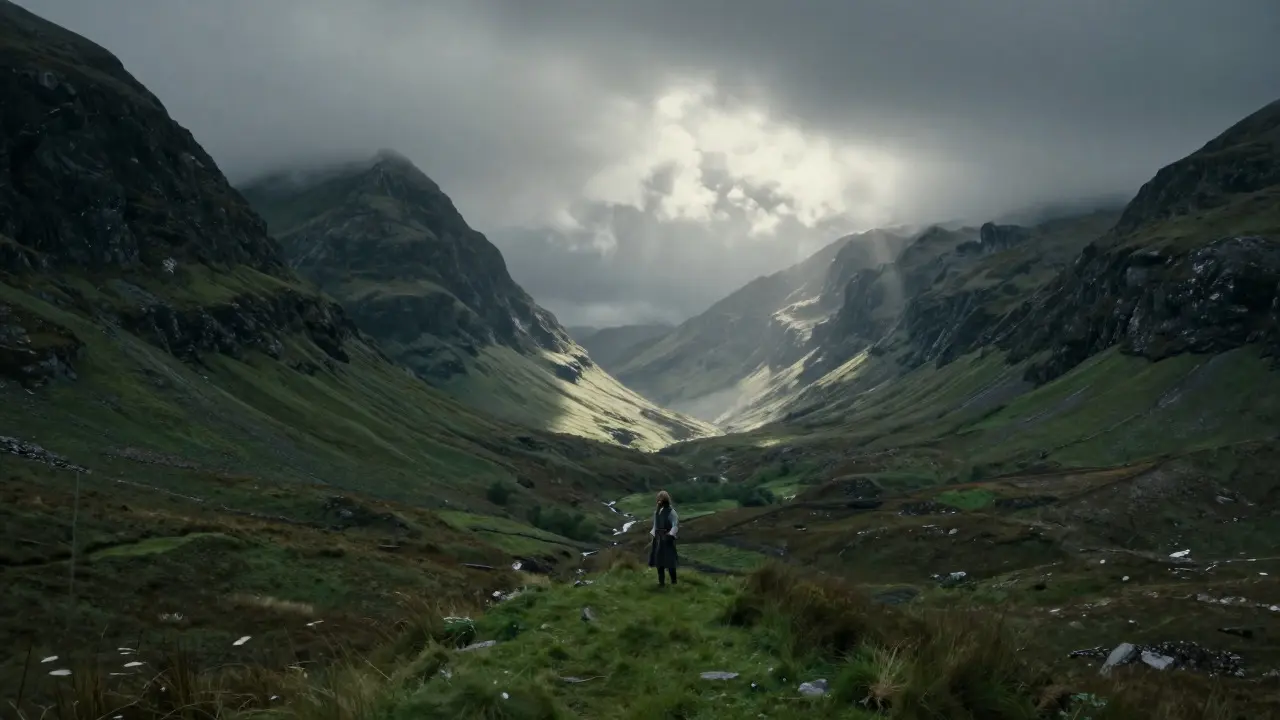
When you think of Scotland’s dramatic landscapes, Glencoe often comes to mind first. Located in the Scottish Highlands, this valley is famous for its steep mountains, deep glens, and dark history. In the film, Glencoe served as the backdrop for some of the most emotionally charged moments between Mary and her husband, Lord Darnley. The sheer scale of the mountains emphasizes the isolation and danger Mary faced during her early reign.
| Feature | Details |
|---|---|
| Location | Broadford, Inverness-shiv, IV63 7YD, UK |
| Movie Role | Backdrop for Mary and Darnley's journey; symbolizes isolation |
| Historical Significance | Site of the Massacre of Glencoe (1692) |
| Best Time to Visit | May to September for clear views and accessible roads |
Visiting Glencoe today is an experience in itself. The road through the pass offers breathtaking views of Buachaille Etive Mòr, a mountain that looks like a crouching warrior. If you want to see the specific angles used in the movie, head towards the visitor center and look towards the northern end of the glen. The production team utilized the natural light and the stark contrast between the green valleys and grey rocks to create a sense of foreboding. It’s not just a scenic drive; it’s a place where you can feel the weight of history. Keep in mind that weather changes rapidly here, so bring layers and sturdy shoes if you plan to hike any of the trails near the filming spots.
Blackness Castle: The Ship on Shore
While Glencoe provided the wild backdrop, Blackness Castle provided the prison. Often described as the "ship on shore" due to its unique triangular shape, this fortress sits on the south bank of the Firth of Forth near Edinburgh. In the film, Blackness Castle stood in for various royal residences and prisons, including scenes depicting Mary’s captivity. Its thick walls and narrow windows perfectly captured the claustrophobic reality of being a prisoner of war in the 16th century.
The castle’s architecture is distinctively medieval, with features dating back to the 15th century. When you walk through the gatehouse, you step into a space that has witnessed centuries of conflict. The film crew took advantage of the castle’s authentic interiors, using the great hall and the dungeons to stage tense dialogues between Mary and her captors. Today, visitors can explore these same rooms through tours organized by Historic Environment Scotland. The guides often mention the film, pointing out where cameras were positioned and how modern technology helped recreate the period atmosphere without damaging the historic structure.
One practical tip for visiting Blackness Castle is to book tickets online in advance, especially during peak tourist season. The site can get crowded, and having a timed entry ensures you don’t spend half your visit waiting in line. Additionally, consider combining your visit with a trip to nearby Stirling Castle, which also featured in the movie. The proximity of these sites makes it easy to create a full day itinerary focused on Mary Queen of Scots’ life and imprisonment.
The Scottish Borders: A Landscape of Conflict
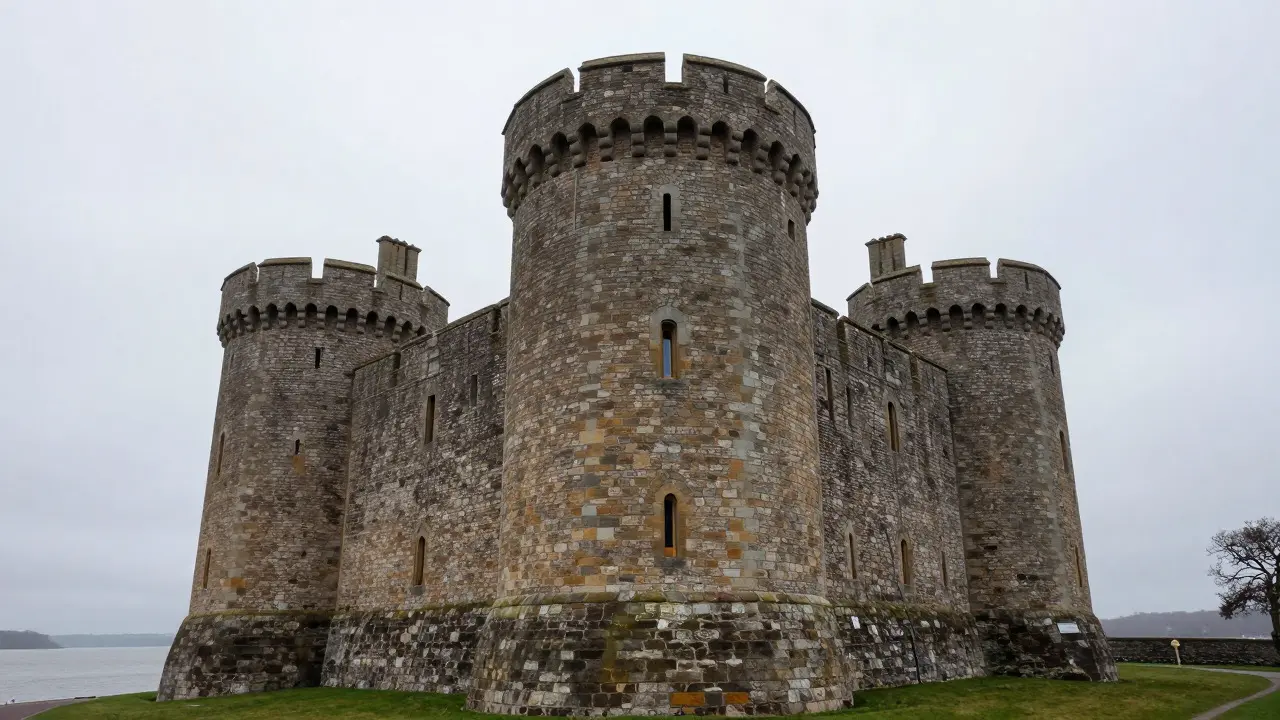
The border region between Scotland and England played a crucial role in the narrative of Mary Queen of Scots. This area, known as the Scottish Borders, is characterized by rolling hills, ancient abbeys, and fortified towers. The film used several locations here to depict the tension between the two nations and the constant threat of invasion. One notable spot is Dryburgh Abbey, whose ruins overlook the River Tweed. The abbey’s romantic decay provided a poignant setting for scenes reflecting on loss and legacy.
Another key location in the Borders is Craigmillar Castle, located just outside Edinburgh. While technically in Lothian, it serves as a gateway to the Borderlands culture. In the movie, Craigmillar was used for interior scenes involving Mary’s court and secret meetings. The castle’s spiral staircase and vaulted ceilings add a gothic charm that enhances the drama. Visitors today can climb the tower and imagine the whispers of conspiracy that once echoed through these halls.
- Dryburgh Abbey: Ideal for photography and quiet reflection. Open access grounds.
- Craigmillar Castle: Guided tours available; focus on Mary’s time there.
- Jedburgh Abbey: Another ruined abbey in the Borders with strong historical ties to the Reformation.
Exploring the Borders requires a bit more driving than staying in central Scotland, but the rewards are worth it. The region is less commercialized, offering a more authentic glimpse into rural Scottish life. Local cafes and pubs often serve as good stopping points, where you can enjoy traditional food while discussing the history with locals who know the stories well. Don’t miss the opportunity to visit the Border Museum in Galashiels, which provides context for the raids and conflicts that shaped this part of the country.
Edinburgh: The Royal Capital
No discussion of Mary Queen of Scots filming locations is complete without mentioning Edinburgh. As the capital of Scotland, the city boasts numerous landmarks associated with Mary’s life. The film utilized Holyrood Palace, where Mary actually lived and died. The palace’s grand halls and gardens provided a realistic setting for court scenes. Walking through Holyrood today, you can see the very room where Mary met her last night before her forced abdication.
Another iconic spot is Edinburgh Castle, which dominates the skyline. While much of the castle dates from later periods, it still holds immense symbolic power. The film used exterior shots of the castle to establish the political stakes of Mary’s reign. For visitors, the castle offers guided tours that include segments on Mary’s history. The crown jewels displayed inside are replicas of those worn by Mary, adding a tangible connection to the past.
Staying in Edinburgh allows you to combine film tourism with general sightseeing. The city’s compact size means you can easily walk from one historical site to another. Consider taking a guided walking tour specifically focused on Mary Queen of Scots. These tours often reveal hidden details about the city’s layout and how it influenced the events of the 16th century. Plus, Edinburgh’s vibrant food and drink scene provides plenty of opportunities to relax after a day of exploring.
Planning Your Visit: Tips and Logistics
Visiting multiple filming locations across Scotland requires careful planning. Distances can be deceiving; what looks close on a map might take hours to drive due to winding roads and limited public transport. Here are some practical tips to help you make the most of your trip:
- Rent a Car: Public transport in the Highlands and Borders is sparse. Having your own vehicle gives you flexibility to stop at viewpoints and reach remote locations like Glencoe.
- Book Accommodation Early: Popular areas like Edinburgh and Stirling fill up quickly, especially in summer. Look for B&Bs or cottages in smaller towns to save money and experience local hospitality.
- Check Opening Hours: Many castles and abbeys have seasonal hours. Some may close for maintenance or bad weather. Always verify current status before heading out.
- Download Offline Maps: Cell service can be unreliable in remote areas. Downloading maps beforehand ensures you don’t get lost.
- Respect Private Property: Some filming locations are on private land. Stick to marked paths and respect signage to avoid trespassing.
Weather is another critical factor. Scotland is known for its changeable climate, so pack waterproof gear regardless of the season. Layering is key, as temperatures can fluctuate throughout the day. Also, consider purchasing a National Parks Pass if you plan to visit multiple sites managed by NatureScot or Historic Environment Scotland. These passes often offer discounts on entry fees and parking.
Why These Locations Matter Beyond the Movie
While the film brought attention to these sites, their significance extends far beyond cinema. Glencoe represents the harsh beauty and tragic history of the Highlands. Blackness Castle stands as a testament to medieval military engineering. The Borders embody the complex relationship between Scotland and England. By visiting these places, you engage with real history, not just a dramatized version.
Moreover, supporting tourism in these regions helps preserve these heritage sites. Entry fees fund conservation efforts and educational programs. So, when you buy a ticket to Blackness Castle or pay for a tour in Edinburgh, you’re contributing to the upkeep of national treasures. This creates a positive cycle where cultural appreciation leads to better preservation for future generations.
Ultimately, tracing the filming locations of Mary Queen of Scots offers a unique way to connect with Scotland’s past. It’s not just about checking off spots on a list; it’s about immersing yourself in the stories that shaped a nation. Whether you’re a history buff, a film enthusiast, or simply curious traveler, these destinations promise unforgettable experiences.
Is Glencoe safe to visit alone?
Yes, Glencoe is generally safe for solo travelers. However, always inform someone of your plans if hiking remote trails. Weather conditions can change quickly, so check forecasts and carry appropriate gear. Stick to marked paths and be aware of your surroundings.
Can I visit Blackness Castle without a tour?
You can explore the grounds independently, but guided tours provide valuable context about the castle’s history and its use in the film. Self-guided audio tours are also available for those who prefer flexibility.
What is the best time of year to visit Scottish filming locations?
Spring (April to June) and early autumn (September to October) offer mild weather and fewer crowds. Summer is busy but has longer daylight hours. Winter can be beautiful but challenging due to short days and potential snow.
Are there any other movies filmed in Glencoe?
Yes, Glencoe has been featured in numerous films and TV shows, including Braveheart, Highlander, and Outlander. Its dramatic landscape makes it a popular choice for productions seeking epic settings.
How do I get from Edinburgh to Glencoe?
The drive takes approximately 4 to 5 hours via the A82 and A85 roads. Alternatively, you can take a train to Fort William and then a bus or taxi to Glencoe. Renting a car is recommended for maximum flexibility.
Comments (10)
-
Patrick Dorion July 25, 2026
Glencoe is absolutely breathtaking but the weather there is a genuine hazard if you are unprepared. I hiked the path near the visitor center last July and saw three distinct seasons in an hour. The article mentions sturdy shoes which is good advice but I would add that waterproof hiking boots are non-negotiable because the ground gets slick fast. It is easy to get distracted by Buachaille Etive Mòr and step into a muddy puddle or worse. The isolation depicted in the film is real because there is literally no cell service for miles once you leave the main road. You have to respect the landscape because it does not care about your Instagram story. Bring more layers than you think you need because the wind chill at the top of the pass will cut through any cotton t-shirt. The historical weight of the massacre site adds a somber tone to the visit that most tourists underestimate. It is not just a pretty backdrop for Saoirse Ronan; it is a place where history feels heavy and present. Plan your drive times carefully because the A82 can be congested with tour buses during peak season.

-
Marissa Haque July 27, 2026
Oh my gosh!!! This guide is exactly what I needed!!!!!! I have been dying to see Blackness Castle since watching the movie!!!!!! The way they described it as a ship on shore is so accurate!!!!! And did you know that the interior shots were done in actual medieval rooms?!?! It gives me chills just thinking about it!!!!! We are planning our trip for next month and this list is going to save us so much time!!!!! Thank you so much for breaking down the logistics!!!!!

-
Lisa Puster July 29, 2026
most americans who go to scotland just want to take selfies and buy tartan socks they do not understand the nuance of the history here. the film romanticizes mary stuart while ignoring the political reality of her reign. visiting these sites requires intellectual engagement not just tourism. the borders region is particularly misunderstood by outsiders who see only rolling hills instead of centuries of border reiving and conflict. dryburgh abbey is not a photo op it is a ruin that speaks to the dissolution of the monasteries under henry viii. people should read primary sources before they judge the aesthetics of craigmillar castle. the elitist perspective is necessary to preserve the integrity of these locations from mass consumerism.

-
Joe Walters July 31, 2026
i totally agree with lisa puster above lol. everyone thinks they are experts after one netflix documentary. i went to edinburgh last year and holyrood palace was packed with people who had no idea who marie antoinette was let alone mary queen of scots. it was embarrassing to watch them wander around the private apartments. also the food in the local cafes was overpriced garbage compared to what you get in new york. dont waste your money on the national parks pass unless you are actually going to hike everywhere. just rent a car and park illegally near the viewpoints if you have to. the fines are cheaper than the entry fees sometimes.

-
Lisa Nally August 1, 2026
The semiotic implications of the location choices in Josie Rourke’s direction are often overlooked by casual viewers. The use of Glencoe is not merely aesthetic but serves as a visual metaphor for the psychological fragmentation of Mary Stuart. Furthermore, the architectural determinism evident in Blackness Castle reinforces the narrative constraint placed upon the protagonist. One must consider the diegetic function of the Scottish Borders in establishing geopolitical tension. The intertextuality between the filmic representation and the actual historical sites creates a palimpsest of memory that demands rigorous academic analysis rather than superficial tourism. Craigmillar Castle’s spiral staircase operates as a liminal space between public duty and private conspiracy.

-
Edward Gilbreath August 3, 2026
the whole thing is staged anyway. historic environment scotland changes things up for the cameras. the ruins at dryburgh abbey look different now than they did in the movie. they probably used cgi to enhance the decay. nobody really knows what the castles looked like back then because records were burned or lost. its all just propaganda to sell tickets. i bet the actors didn't even spend much time on location. they filmed most of it in studios in london and just added green screen backgrounds. dont fall for the marketing hype.

-
Michael Richards August 4, 2026
You need to stop making excuses for bad planning. If you want to see the filming locations you simply need to wake up early and beat the crowds. The article says book tickets online and you should listen to that advice. Most people fail because they are lazy and expect everything to be handed to them. Renting a car is not optional if you want to see Glencoe properly. Public transport is a joke in the highlands. Stop complaining about the cost and start prioritizing your experiences. Life is short and these places are not going to wait for you to figure out your schedule. Get organized or stay home.

-
Laura Davis August 4, 2026
Hey Michael! Love the energy but maybe dial back the aggression just a tiny bit? 😅 Seriously though great point about renting a car. I tried to rely on buses in the Borders and ended up missing two key sites because the schedules were erratic. But hey every traveler has their own journey right? Just remember to be kind to yourself if things don't go perfectly. The magic is in the attempt not the perfection. Also bring snacks because those cafe prices will shock you!

-
Robert Barakat August 5, 2026
The concept of pilgrimage in modern tourism is fascinating. We seek authenticity in spaces that have been commodified for our consumption. Standing in Glencoe offers a momentary connection to the past yet we remain observers behind glass barriers of time. The silence of the valley contrasts sharply with the noise of contemporary life. It forces a contemplation of mortality and legacy that few other environments can provide. The stone walls of Blackness Castle stand as silent witnesses to human ambition and failure. There is a profound melancholy in walking through halls where queens once plotted their survival. We project our narratives onto these landscapes hoping to find meaning in their permanence.

-
Keith Barker August 6, 2026
it is just rocks and grass. people make too big a deal out of movie locations. the history is interesting enough without the celebrity filter. glencoe is nice but so are many other valleys in scotland. blackness castle is cool architecture wise but the ticket price is steep for what you get. just go there and walk around. dont need a guide to tell you where the camera was. the view from the top of the castle is worth it though. rest is meh.
