

Scotland’s coffee scene isn’t just about caffeine-it’s about craftsmanship, community, and quiet moments in historic streets. If you think good coffee in Scotland means instant powder in a paper cup, you haven’t been to the right places. In Edinburgh and Glasgow, coffee isn’t an afterthought. It’s the main event.
What Makes Scottish Coffee Different?
Scottish coffee isn’t defined by roast levels or bean origins alone. It’s shaped by climate, culture, and a quiet pride in doing things well. The country’s long winters mean people linger. Cafes aren’t rush spots-they’re living rooms with espresso machines. Baristas here don’t just pull shots. They talk about terroir, water profiles, and how the humidity in Leith affects extraction.
Unlike in cities where coffee is a commodity, here it’s a conversation. You’ll find roasteries tucked into old bookshops, single-origin beans from Ethiopia and Colombia roasted just blocks away, and pour-overs served on handmade ceramics. This isn’t trend-chasing. It’s tradition built over the last 15 years, fueled by a generation that refused to settle for bad coffee.
Edinburgh’s Top Specialty Cafes
Edinburgh’s coffee scene thrives in the gaps between its medieval alleys and Georgian squares. You won’t find chains dominating the corners. Instead, small teams with passion run each spot.
The Artisan Coffee Roasters on Leith Walk has been roasting since 2012. Their house blend, Arthur’s Seat, uses washed Ethiopian Yirgacheffe and Guatemalan Antigua. It’s bright, with notes of bergamot and dark chocolate. They serve it in ceramic cups that are warm to the touch. The barista will ask how you like your milk-steamed, frothed, or oat. No defaults. No rush.
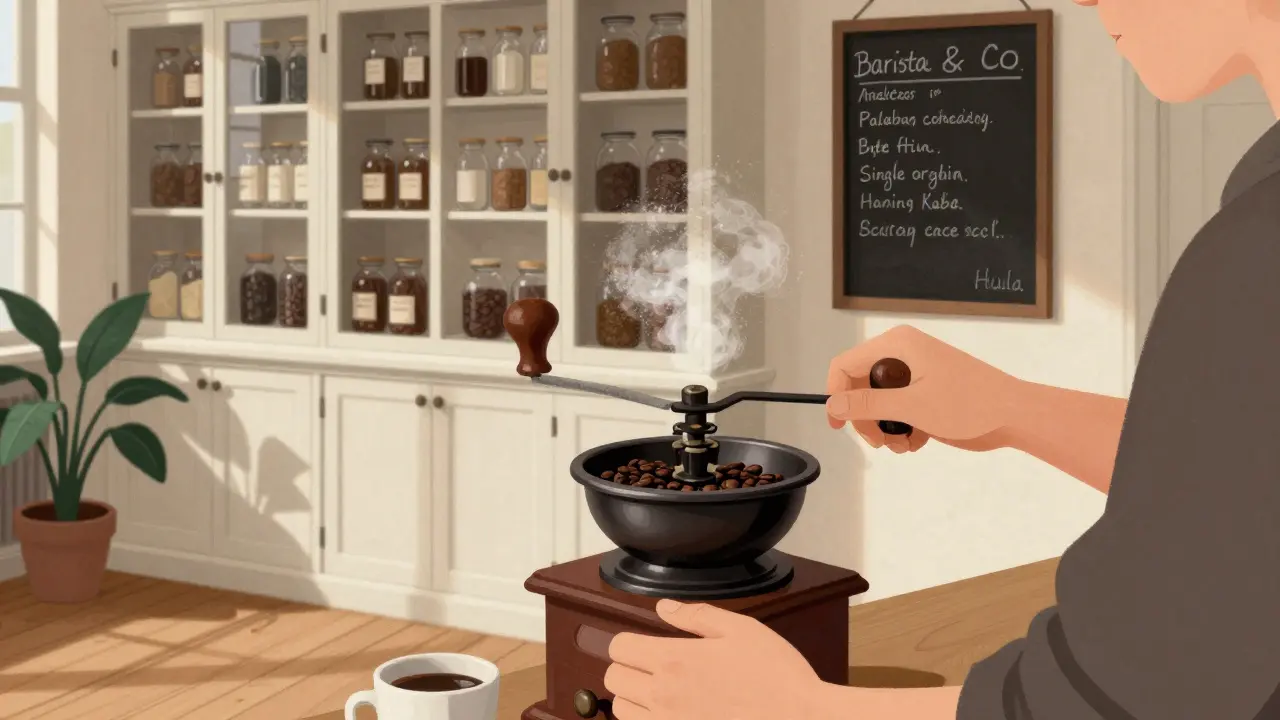
Just around the corner, Barista & Co. opened in 2018 in a converted 19th-century pharmacy. Their single-origin pour-overs change weekly. Last month, it was a natural-processed Kenyan from the Nyeri region. This time, it’s a honey-processed Colombian from Huila. They grind beans to order. You watch. You smell. You taste.
For something quieter, head to Whitewall Coffee in the West End. It’s tucked into a quiet street behind the University of Edinburgh. The space is all wood and soft light. They roast their own beans in the back. Their Winter Blend is a mix of Brazilian Santos and Sumatran Mandheling-low acidity, heavy body, with hints of molasses and smoked almond. It’s the kind of coffee you drink slowly, staring out the window as rain taps the glass.
Glasgow’s Coffee Heartbeat
Glasgow’s coffee culture is louder, grittier, and just as precise. It’s less about the view and more about the vibe. You’ll find students, artists, and engineers all sitting elbow-to-elbow, talking over the hiss of steam wands.
House of Mocha in the West End is a Glasgow institution. Opened in 2015, it was one of the first places in the city to roast its own beans. Their City Centre Blend is a staple: 60% Colombian, 40% Brazilian. It’s balanced, sweet, and smooth-perfect for a morning before work. They also serve a cold brew on tap, steeped for 18 hours. It’s rich, not bitter, and served over ice made from filtered Scottish spring water.
On Byres Road, Baristas Glasgow is a tiny space with a big reputation. They source beans directly from small farms in Rwanda and Peru. Their Single Origin Saturdays are legendary. You can taste a washed Ethiopian from the Guji zone one week, then a anaerobic-fermented Honduran the next. The baristas will explain the fermentation process like it’s poetry. You’ll leave knowing more about coffee than you ever thought possible.
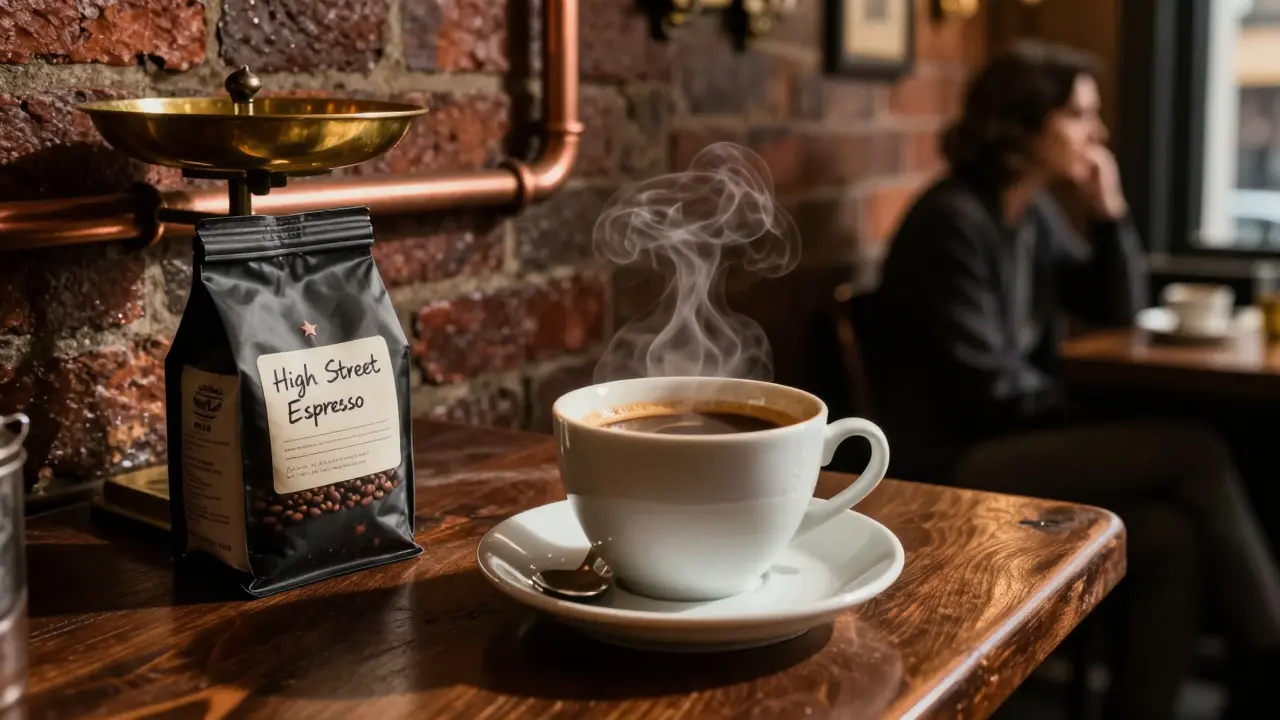
Don’t miss Persephone Coffee in the Merchant City. It’s hidden behind a plain door, no sign. Inside, it’s all exposed brick and copper pipes. They roast in-house every Tuesday and Friday. Their High Street Espresso is their signature-dark, syrupy, with notes of blackberry and caramelized sugar. It’s the espresso you’ll crave when you’re back home.
How to Order Like a Local
If you’re new to specialty coffee, the menu might feel overwhelming. Here’s how to navigate it without sounding like a tourist.
- Ask for the “current single origin” if you want to taste something unique. It’s usually the barista’s favorite that week.
- Don’t say “just a black coffee.” Say “a pour-over, please” or “an espresso, double shot”. The difference matters.
- Ask about the roast date. Fresh beans (under three weeks) make all the difference. If they don’t know, move on.
- Try oat milk if you’re not into dairy. Scottish oat milk is thick, creamy, and made locally in Fife. It froths better than almond.
- Stay for at least 15 minutes. Coffee here isn’t to-go. It’s to-sit.
Where to Buy Beans to Take Home
Want to bring a piece of Scotland back with you? Every top cafe sells their beans. But not all are worth it.
From The Artisan Coffee Roasters, grab the Arthur’s Seat blend. It’s balanced, reliable, and travels well. From House of Mocha, their City Centre Blend is the most popular takeaway. For something bold, pick up a bag of Persephone’s High Street Espresso. It’s darker, richer, and perfect for espresso machines or moka pots.
Some places even let you grind it yourself. Ask. It’s worth it.
When to Visit
Weekends are busy. If you want quiet, go on a weekday morning. Between 8 and 10 a.m., you’ll have your pick of seats. Afternoon is when the students come in. Late afternoon, around 4 p.m., is when the locals show up for a second cup and a chat.
Winter is the best time to experience Scottish coffee culture. The cafes are warm. The air is crisp. The coffee is hot. You’ll find people reading, writing, or just staring into their cups. That’s the point.
What to Expect in Price
Expect to pay £3.50 to £4.50 for a single-origin pour-over. Espresso shots are £2.80 to £3.20. A flat white with oat milk? Around £4. It’s more than you’d pay in a chain, but you’re paying for quality, not branding.
And yes-it’s worth it. One sip of a freshly brewed Ethiopian from Leith, and you’ll understand why Scotland’s coffee scene is quietly one of the best in Europe.
What’s the best time of year to try specialty coffee in Scotland?
Winter is ideal. The cold makes you appreciate a warm, rich cup even more. Cafes are cozier, and baristas often feature seasonal blends-like spiced Brazilian or dried-fruit Ethiopian-perfect for the season. Plus, fewer tourists mean better service and quieter corners.
Can I find vegan-friendly coffee options in Edinburgh and Glasgow?
Absolutely. Nearly every specialty cafe offers oat milk, soy milk, or almond milk. Oat milk is the most popular-it’s creamy, locally made, and froths beautifully. Many places also offer vegan pastries, like almond croissants or beetroot brownies. Just ask.
Are there any coffee tours in Edinburgh or Glasgow?
Yes. Several companies run guided coffee tours that visit 3-4 roasteries and cafes in a single day. They include tastings, behind-the-scenes roasting demos, and sometimes even a chance to blend your own coffee. Book ahead-spots fill up fast, especially in spring and summer.
Do Scottish cafes serve food?
Most do, but not in the way you’d expect. You won’t find full breakfast menus. Instead, think sourdough toast with smoked salmon and dill, or oat scones with clotted cream. Many cafes bake their own bread and pastries daily. It’s simple, fresh, and made to pair with coffee-not overwhelm it.
Is Scottish coffee more expensive than in other parts of the UK?
Slightly, but not because of location. It’s because most Scottish cafes roast their own beans, source directly from farms, and pay baristas a living wage. You’re paying for transparency and quality, not just caffeine. In London, you might pay £4 for a coffee from a mass-roasted blend. In Edinburgh, you pay £4 for a single-origin, freshly roasted, traceable cup. The difference is clear.
Comments (14)
-
chioma okwara January 2, 2026
thats so cute how they spell ‘espresso’ like its a ritual not a drink lol

-
John Fox January 4, 2026
edinburghs coffee is just fine i guess
no need to overthink it

-
Samar Omar January 4, 2026
Oh my god. I sat in Whitewall Coffee last November for three hours just watching the rain blur the window while sipping their Winter Blend, and I swear to you, the barista didn’t just serve me coffee-she handed me a meditation. The way the Sumatran Mandheling unfolded on my tongue, that smoky almond whisper like a secret from the forest floor, the ceramic cup warm enough to feel like it remembered my hands before I even held it-I didn’t drink coffee that day, I underwent a spiritual recalibration. And don’t even get me started on how the humidity in Leith affects extraction. I’ve read three academic papers on it. The water profile there is not just mineral-rich-it’s emotionally intelligent. I cried when I left. Not because it was expensive. Because I knew I’d never taste that again. Not like that. Not with that kind of reverence.

-
Tasha Hernandez January 5, 2026
Of course it’s ‘one of the best in Europe’-because nothing says cultural superiority like charging £4.50 for a pour-over while pretending you’re not selling a $300 life aesthetic to people who still think ‘oat milk’ is a trend and not a corporate scam. These cafes are just Instagram backdrops with caffeine and guilt-tripping baristas who stare at you like you’ve offended their ancestors by asking for ‘just a black coffee.’ And don’t even mention the ‘artisan’ ceramics-those are mass-produced in China and shipped over with a hand-written label that says ‘Made with Love (and 47% profit margin).’ You’re not sipping tradition-you’re paying for performative melancholy.

-
Anuj Kumar January 5, 2026
they say coffee is craft but its just marketing
the real truth is the government pays these places to make you think scotland is cool
they want you to forget about the oil crisis

-
Christina Morgan January 6, 2026
This is such a beautiful piece-it really captures how coffee in Scotland isn’t just about the drink, but the space it creates. I’ve been to Barista & Co. in Edinburgh and the way they let you watch the grind, smell the beans, and then taste the difference… it’s like a quiet celebration of patience. And the oat milk from Fife? Game changer. I’ve tried it everywhere else and nothing compares. If you’re ever in Glasgow, go to Persephone at 9am on a Tuesday. The barista there remembers your name, your usual, and the name of your dog. That’s the kind of community you don’t find in chains. This isn’t coffee tourism. It’s belonging.

-
Kathy Yip January 6, 2026
i wonder if the humidity affecting extraction is actually measurable or just poetic license
also i think they meant ‘water profile’ not ‘water profile’
but i still want to go to whitewall

-
Bridget Kutsche January 6, 2026
If you’re new to specialty coffee, don’t be intimidated. Ask questions. The baristas love sharing. Try the single origin. Try oat milk. Stay longer than you think you should. That quiet moment with your cup? That’s the whole point. And if you’re bringing beans home? Get the Arthur’s Seat blend. It’s the one that’ll make your kitchen smell like a Scottish autumn. You won’t regret it. And yes-it’s worth every penny. You’re not just buying coffee. You’re buying a story.

-
Jack Gifford January 7, 2026
the fact that they roast on tuesdays and fridays is legit
that’s when the beans are freshest
and the cold brew on tap at house of mocha? chef’s kiss
no cap

-
Sarah Meadows January 7, 2026
Europe? Please. This is just another example of cultural appropriation disguised as ‘craft.’ The beans come from Ethiopia, Colombia, Rwanda-countries with real struggles-and now American tourists are paying £5 to feel superior while sipping it in a brick-walled café with a ‘artisan’ sign. Meanwhile, the farmers get pennies. This isn’t coffee culture-it’s colonialism with a pour-over spout. And don’t tell me ‘they pay fair wages’-that’s PR. The real wage is paid in guilt and Instagram likes.

-
Nathan Pena January 8, 2026
The entire premise of this article is fundamentally flawed. The notion that climate shapes coffee culture is a romanticized fallacy. Coffee extraction is governed by thermodynamic principles, not emotional ambiance. The reference to ‘terroir’ is scientifically inaccurate when applied to roasted beans. Furthermore, the claim that Scottish coffee is ‘one of the best in Europe’ is statistically indefensible without standardized sensory evaluation protocols. The pricing model is economically irrational. The baristas’ ‘conversations’ are performative labor. This is not craftsmanship. It is consumerist theater.

-
Mike Marciniak January 10, 2026
you know who controls all these cafes right
it’s not the baristas
it’s the same people who own the chains
they just rebranded them as ‘independent’
they want you to think you’re special for choosing oat milk
you’re not
you’re being manipulated

-
VIRENDER KAUL January 11, 2026
It is imperative to note that the linguistic construction of this article exhibits a marked propensity toward hyperbolic sentimentalism, which, while rhetorically efficacious, lacks empirical grounding in the field of beverage economics. The assertion that humidity affects extraction is not merely misleading-it is a dangerous oversimplification of fluid dynamics in relation to porous media. Furthermore, the glorification of ‘handmade ceramics’ as a determinant of quality constitutes a classic case of aesthetic fallacy. The price premium is unjustifiable. One must ask: who benefits? The answer is not the barista. It is the investor. The consumer is being sold an illusion. I have drunk coffee in 47 countries. Scotland is not exceptional. It is merely well-marketed.

-
Mbuyiselwa Cindi January 12, 2026
I’ve been to all these places and you’re right-it’s the quiet moments that stick with you. I went to Persephone on a rainy Tuesday and just sat there reading. The barista brought me a free biscuit without me asking. No one rushed me. I didn’t feel like I had to leave. That’s rare. If you’re ever in Cape Town, I’ll show you our little coffee spot that does the same thing. It’s not about the beans-it’s about the space you let people have. And yeah, the oat milk? Best in the world. Fife does it right.
