
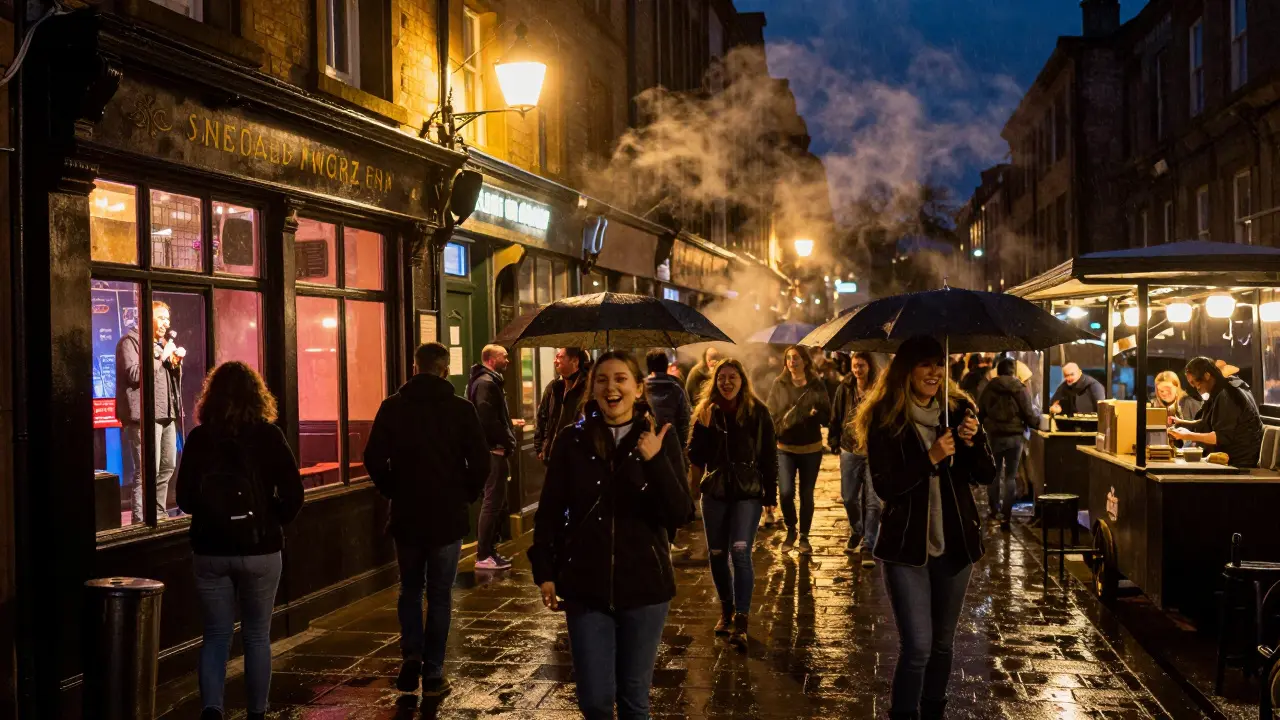
Every year, Glasgow turns into a buzzing hub of laughter and cinematic magic. If you’re planning a trip to Scotland in 2026 and want to experience something truly local - not just the castles and lochs - the city’s two biggest cultural events are the ones you shouldn’t miss: the Glasgow Comedy Festival and the Glasgow Film Festival. Both happen in early 2026, back-to-back, and they’re not just for fans. They’re for anyone who wants to feel the pulse of the city.
Glasgow Comedy Festival: Where Laughter Lives
The Glasgow Comedy Festival kicks off on February 6, 2026, and runs through March 1. It’s one of the UK’s longest-running comedy festivals, and it doesn’t play it safe. You’ll find stand-up acts from rising stars to household names, improv troupes, sketch shows, and even comedy nights in pubs you’ve never heard of.
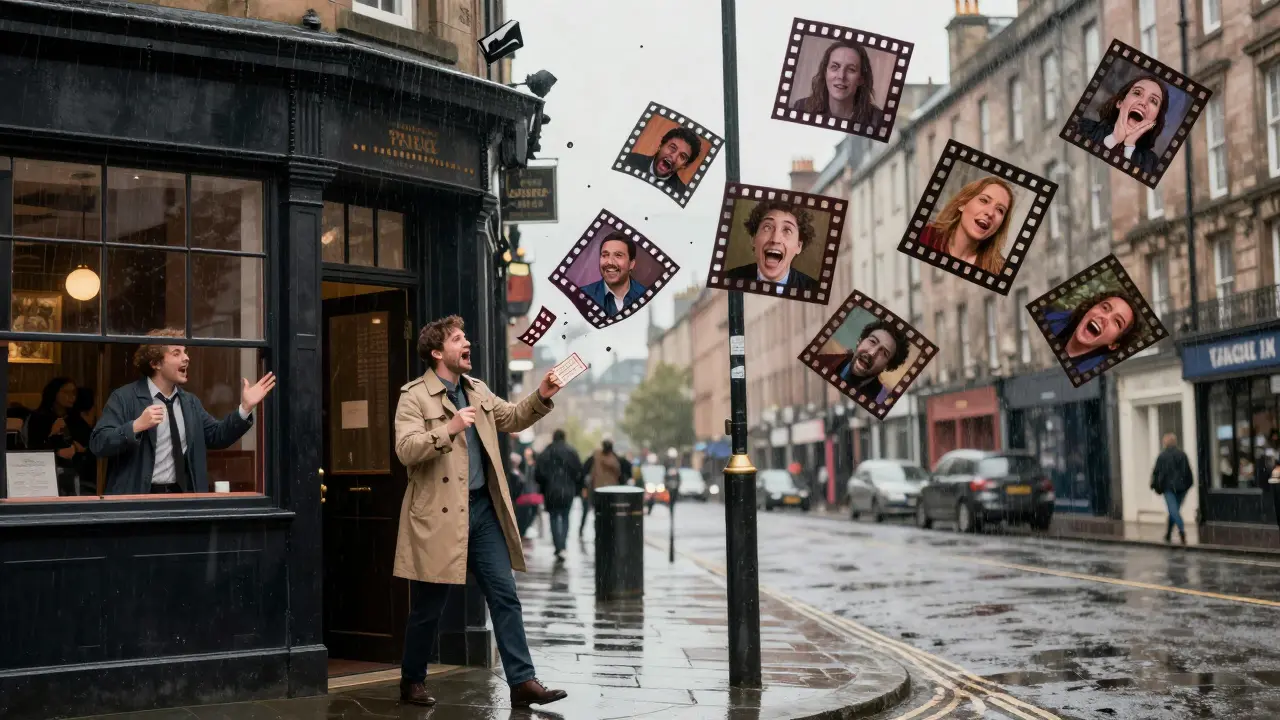
This isn’t just about big names on big stages. The real magic happens in smaller venues like the Stand Comedy Club on Ashton Lane, where you might see a comedian who’s about to blow up on Netflix. Or at the Tron Theatre, where experimental comedy blends with theater in ways you won’t see anywhere else. In 2025, over 120,000 people attended shows - and nearly 40% of them were first-timers.
Some of the 2026 highlights already announced include:
- Stewart Lee’s new show, ‘The Last Laugh’, a brutally honest take on aging and fame
- Shappi Khorsandi returning with her latest autobiographical set, blending Iranian heritage with British awkwardness
- A late-night slot at the Glasgow Royal Concert Hall featuring a live podcast recording with comedians from across Europe
- Free outdoor shows in George Square on weekends - rain or shine
Tickets go on sale January 15, 2026. Most shows are £10-£18, but the free events are just as good. Pro tip: Book early for the Stand. It holds 120 people. Last year, 87% of tickets for the first week sold out in under 48 hours.
Glasgow Film Festival: More Than Just Premieres
Right after the comedy festival wraps up, the city shifts gears. The Glasgow Film Festival starts on February 26, 2026, and runs for 12 days. It’s not the biggest film festival in the UK - that’s Edinburgh - but it’s the most daring. You won’t find a lot of Hollywood blockbusters here. Instead, you’ll find indie films from Ukraine, documentaries shot in remote Scottish islands, and animated shorts from South Korea that made the Oscars shortlist.
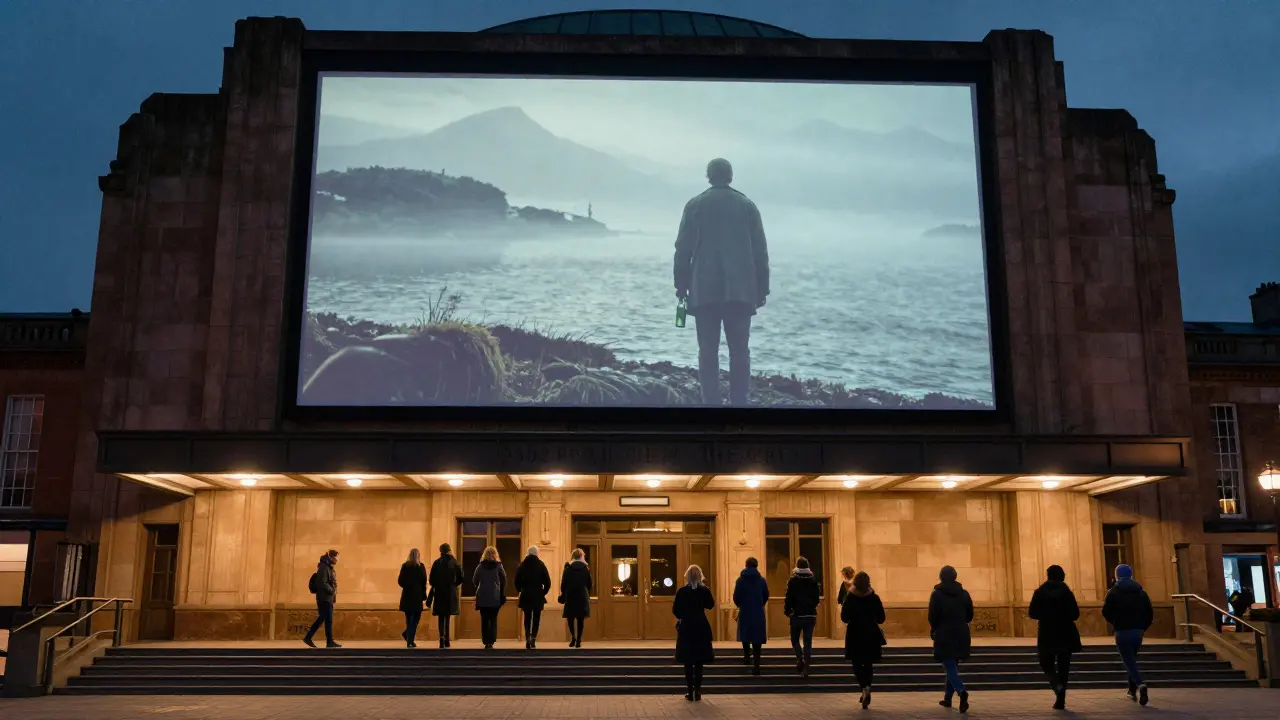
The festival screens in 12 venues across the city. The main hub is the Glasgow Film Theatre (GFT), a 1939 art deco cinema that still uses its original projection equipment. It’s the oldest operating cinema in Scotland and the heart of the festival. But don’t skip the smaller ones: the Mitchell Library’s auditorium hosts Q&As with filmmakers, and the CCA (Centre for Contemporary Arts) turns into a late-night experimental film zone.
In 2025, over 80,000 people attended screenings. 32% of those were under 25. That’s not accidental - the festival works hard to make itself accessible. Student tickets are £5. There are free community screenings in neighborhoods like Govan and Pollok. And every year, they pick one obscure film from a country you’ve never heard of and give it a full spotlight.
Here’s what’s already confirmed for 2026:
- World premiere of ‘The Last Ferry’, a Scottish-Gaelic drama about a fisherman who discovers a hidden message in a bottle
- A retrospective of 1970s Glasgow punk cinema, featuring rare footage from the city’s underground scene
- A VR experience called ‘Glasgow Through Time’ - walk through 1972 Glasgow in 3D, with real audio interviews from locals
- Special family screenings of Studio Ghibli films with live Scottish folk music accompaniment
Passes are available for unlimited access to all screenings, but individual tickets are easy to buy online. Most cost £9-£12. The big premieres sell out fast, so set a reminder for February 10, when the full program drops.
Where to Stay and How to Get Around
You don’t need to stay in the city center to enjoy both festivals. In fact, staying near the South Side - in areas like Hillhead or Kelvinside - puts you within walking distance of the GFT, the Tron, and several comedy clubs. Hostels like the YHA Glasgow are packed during this time, so book early.
Public transport is simple. The subway (locals call it the “Clockwork Orange”) connects the north and south of the city. A single ride is £1.80, or you can get a day ticket for £4.50. Buses run until 1 a.m. on festival nights. Taxis are easy to find, but Uber doesn’t operate in Glasgow - local minicabs do, and they’re cheaper.
Walking is the best way to experience the festivals. Ashton Lane, packed with bars and street performers, becomes a festival corridor between the comedy and film events. You’ll hear snippets of stand-up drifting out of pub doors. You’ll see people arguing over the ending of a film they just watched. That’s the vibe.
What Makes These Festivals Different
Most festivals are about seeing famous people. Glasgow’s are about seeing real moments. A comedian might forget their lines and turn it into a 10-minute bit. A filmmaker might join you for coffee after a screening and tell you why they spent three years filming in a village with no internet. These aren’t polished events. They’re messy, human, and alive.
And unlike Edinburgh’s Fringe, where everything feels like a sales pitch, Glasgow doesn’t care if you’re a critic or a tourist. You’re just someone who showed up. That’s enough.
What to Pack and What to Expect
February in Glasgow is cold. Average temperatures hover around 3°C (37°F). Rain is almost guaranteed. Bring a waterproof coat, sturdy shoes, and layers. Don’t count on sunny weather - even if the forecast says it’s clear, it’ll change by lunchtime.
Bring cash. Many small venues still don’t take cards. And bring an open mind. You might end up watching a 20-minute silent film about a cat in a Glasgow tenement. You might laugh until you cry at a 70-year-old woman doing stand-up in a wheelchair. You might leave a screening feeling like you just witnessed something no one else in the world has seen.
When to Go and How to Plan
If you can only pick one, go for the comedy festival. It’s bigger, louder, and more accessible. But if you love film, especially the kind that doesn’t come with a trailer on YouTube, the film festival is where the real gems hide.
Best plan: Book a 10-day trip. Arrive February 4. Catch the last few comedy shows. Then dive into the film festival from February 26 to March 8. You’ll have time to explore the Kelvingrove Art Gallery, sip whisky in a hidden bar in the West End, and maybe even catch a live ceilidh if you’re lucky.
There’s no official guidebook. The best source is the festival websites: glasgowcomedyfestival.com and glasgowfilm.org. They update daily with last-minute shows, cancellations, and surprise pop-ups. Sign up for their newsletters - they’re the only way to get early access to tickets and free events.
Why This Matters
Glasgow doesn’t have the budget of London or the fame of Edinburgh. But it has something rarer: heart. These festivals aren’t run by corporations. They’re run by local arts officers, volunteers, ex-comedians, and film students who still believe in the power of live performance. You’re not just watching a show. You’re part of a community that’s keeping culture alive - one laugh, one frame, one rainy night at a time.
Are the Glasgow Comedy and Film Festivals suitable for families?
Yes, but not all shows. The Glasgow Comedy Festival has a dedicated family-friendly program with shows marked as "All Ages" - usually early afternoon performances. The Glasgow Film Festival includes special family screenings, like Studio Ghibli films with live music, and child-friendly documentaries. Always check the age rating on the event listing before booking.
Can I buy tickets at the door?
Sometimes, but don’t count on it. Popular shows - especially at the Stand Comedy Club or big film premieres at the GFT - sell out days or weeks in advance. Smaller venues and late-night screenings might have a few tickets left, but it’s risky. Online booking is the only reliable way to guarantee entry.
Is there free entry to any events?
Yes. Both festivals offer free outdoor comedy shows in George Square during weekends. The film festival runs free community screenings in public libraries and housing estates. These are often the most memorable events - less crowded, more authentic, and sometimes featuring local talent you won’t find anywhere else.
Do I need to speak Scottish Gaelic to enjoy the festivals?
No. While some films and shows feature Scottish Gaelic or Scots dialect, most are in English. Subtitles are always provided for non-English content. The festivals pride themselves on being inclusive - you don’t need to know the local language to get the jokes or the stories.
How do I get from Glasgow Airport to the festival venues?
Take the Glasgow Airport Express bus (service 500) to Buchanan Bus Station. It runs every 10 minutes, takes 15 minutes, and costs £8.50 one way. From there, you can walk, take the subway, or catch a local bus to most festival venues. Taxis are available but cost around £25.
If you’re looking for a Scottish experience that’s not about whisky tours or castle selfies, these festivals are it. They’re raw, real, and full of people who care more about art than fame. Come for the comedy. Stay for the films. Leave with stories you didn’t know you needed.
Comments (11)
-
Patrick Bass January 12, 2026
The Stand Comedy Club sells out faster than a vegan bakery on a Monday. I went last year and ended up standing in the back for Stewart Lee’s set-worth every cold, wet minute.

-
Tyler Springall January 14, 2026
Let’s be honest-this piece reads like a tourism board’s PR draft. The Glasgow Film Festival is a pretentious echo chamber for indie filmmakers who think obscurity equals art. The real gems are buried under layers of self-congratulatory curation. And don’t get me started on the ‘authenticity’ nonsense-it’s just a marketing gimmick dressed in raincoats.

-
Colby Havard January 15, 2026
While the article presents a charming, if somewhat idealized, portrait of Glasgow’s cultural offerings, one must question the underlying assumption that ‘authenticity’ can be commodified-particularly when ticket sales, venue capacity, and logistical constraints are systematically engineered to create artificial scarcity. The notion that ‘you’re just someone who showed up’ is, in fact, a carefully curated illusion, sustained by selective access and algorithmic ticket distribution.
Furthermore, the assertion that Glasgow lacks corporate sponsorship is demonstrably false; numerous local businesses, including distilleries and tech startups, are heavily involved in sponsorship structures, albeit under the guise of ‘community support.’
The cultural value of these festivals is undeniable-but the romanticization of their ‘messiness’ obscures the structural inequalities that determine who gets to participate, and who remains on the periphery.

-
Amy P January 17, 2026
OH MY GOD I JUST BOOKED MY FLIGHTS FOR FEBRUARY 4TH. I’M GOING TO STAND IN THE RAIN FOR 4 HOURS JUST TO HEAR A 70-YEAR-OLD WOMAN DO STAND-UP IN A WHEELCHAIR. I’M CRYING. I’M SO READY FOR THIS. I’VE NEVER BEEN SO EXCITED FOR A TRIP IN MY LIFE. I’M BRINGING MY GRANDMA. SHE’S GOT A THING FOR SCOTTISH FILMS AND A FAVORITE COAT THAT’S BEEN THROUGH THREE CONTINENTS.

-
Ashley Kuehnel January 19, 2026
Hey everyone! Just a heads-up-don’t forget to check out the free George Square shows on weekends. Last year I saw a guy doing stand-up while juggling oranges and it was the funniest thing I’ve ever seen. Also, the GFT has comfy chairs if you’re worried about the cold. And bring a thermos-hot tea saves lives in February. Oh! And the family Ghibli nights? Pure magic. My niece still talks about it. You’re gonna love it!

-
adam smith January 19, 2026
These festivals sound good. I might go. The comedy one seems fun. The film one sounds boring. I don’t like subtitles. Also, the weather is probably terrible. But I’ll try it once. Maybe.

-
Mongezi Mkhwanazi January 20, 2026
Let me tell you something about these ‘authentic’ festivals-they’re not authentic at all. They’re curated by a small, insular elite who control access to venues, ticket allocations, and press coverage. The ‘free outdoor shows’? They’re staged in George Square precisely because it’s the most visible location for PR optics. The real grassroots performers? They’re relegated to basements and church halls, ignored by the festival’s official program. And the ‘student discounts’? They’re a smokescreen-most students can’t afford the travel, the accommodation, or the fact that the cheapest hostel is booked 11 months in advance. This isn’t community culture-it’s cultural capitalism with a tartan veneer.

-
Mark Nitka January 22, 2026
I get why Tyler and Mongezi are upset, but let’s not throw the baby out with the bathwater. Yes, there are flaws-ticket access, gentrification, corporate sponsorship-but the fact that a 70-year-old woman in a wheelchair can kill a room full of strangers in a pub in Glasgow? That’s real. That’s human. That’s worth fighting for. If you want to change the system, don’t just rant about it-volunteer. Help run a free screening. Buy a ticket for someone who can’t afford it. These festivals aren’t perfect, but they’re alive. And that’s rare.

-
Kelley Nelson January 22, 2026
The article’s tone is decidedly unrefined, and its reliance on anecdotal sentimentality undermines any pretense of critical analysis. One cannot reasonably equate ‘messiness’ with ‘authenticity’-such a conflation is both aesthetically and intellectually indefensible. Moreover, the romanticization of poverty-stricken venues and ‘rain-soaked’ audiences betrays a troubling aesthetic of cultural voyeurism. One must ask: who benefits from this narrative? And at what cost to the actual laborers who sustain these events?

-
Aryan Gupta January 22, 2026
Did you know that the Glasgow Film Festival is secretly funded by the same people who run the Edinburgh Fringe? It’s all connected. They use ‘community’ as a cover to funnel money into private arts trusts. And the ‘free shows’? They’re tracked by facial recognition software now. They’re collecting data on who attends, who laughs, who cries. That’s how they predict which comedians to sign to Netflix. Don’t be fooled. You’re not part of the culture-you’re the product.

-
Fredda Freyer January 23, 2026
I’ve been to both festivals five years in a row. The real secret? Go to the late-night Q&As after the obscure films. That’s where the magic happens. Last year, I sat next to a Ukrainian filmmaker who had fled Kyiv with just his camera and three reels of film. He screened a 12-minute piece about his grandmother’s kitchen-no dialogue, just the sound of boiling water and a cat meowing. No one clapped. Everyone just sat there, quiet. Then he said, ‘This is what we lost. And this is what we still have.’ I’ve never forgotten it. That’s why I keep going. Not for the big names. Not for the free tickets. Just for those moments. You don’t need to be a critic. You just need to show up-and listen.
