
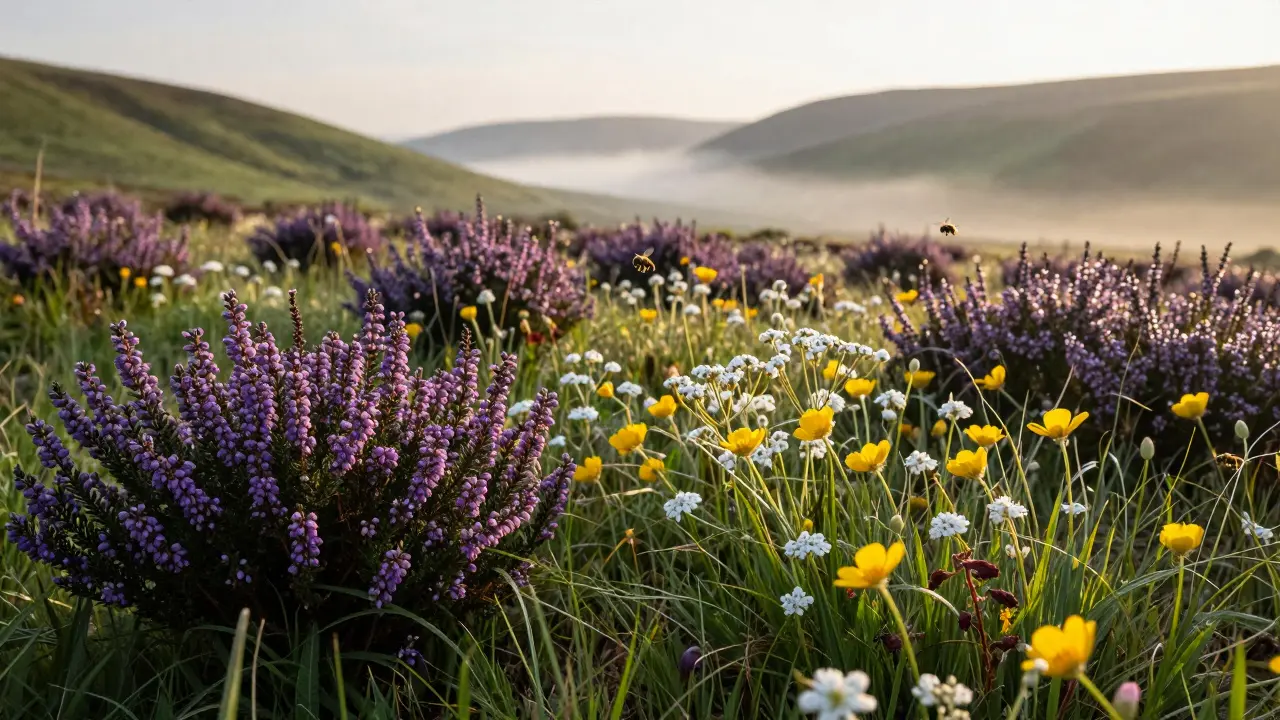
By early July, the hills of Scotland come alive in ways most visitors never see. You won’t find them on postcards or in tourist brochures. These are the wildflower meadows-quiet, sunlit valleys where color explodes without warning. One moment, the grass is green and ordinary. The next, you’re standing in a sea of purple heather, yellow buttercups, and white stitchwort, all humming with bees. This isn’t just scenery. It’s a living system, shaped by centuries of grazing, rainfall, and soil type. And if you know where to look, you can see it at its peak in late June and early July.
Where to Find Scotland’s Best Wildflower Meadows
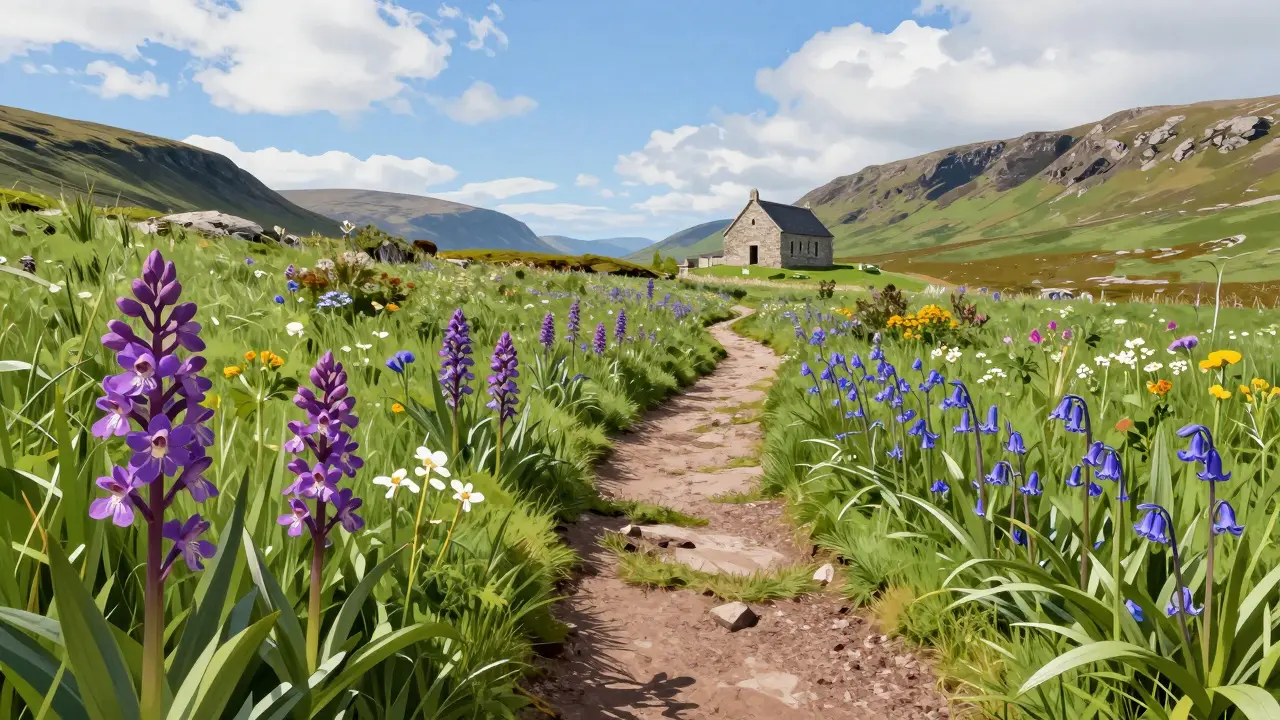
The best meadows aren’t near cities. They’re tucked into the Highlands, the Borders, and the islands. In the Hebrides, on the Isle of Mull, the slopes above Tobermory burst with orchids-pyramidal and common spotted-mixed with bluebells and harebells. Walk the trail from Calgary Bay to the old chapel, and you’ll see why this spot is protected under the EU Habitats Directive. The soil here is limestone-rich, which supports rare plants like the Scottish primrose, found nowhere else in the UK.
Further south, in the Scottish Borders, the meadows around Melrose and Jedburgh are managed by local farmers who still cut hay the old way: with scythes, not tractors. This lets flowers like oxeye daisies and knapweed thrive. In 2023, a survey by NatureScot found over 80 species of wildflowers in a single 10-acre field near Earlston. That’s more diversity than most national parks in England.
Don’t overlook the Loch Lomond area. The shores of the loch, especially around Luss and Arrochar, host carpets of white campion and red campion. The air here smells like crushed mint and damp earth. It’s not just pretty-it’s critical habitat for the endangered Scottish wildcat and the small tortoiseshell butterfly, both of which rely on these meadows for food.
What You’ll See: The Key Wildflowers
Not all wildflowers are the same. Each has its season, its soil preference, and its role in the ecosystem. Here’s what to look for in late June:
- Heather (Calluna vulgaris): The classic purple blanket. In Scotland, it’s not just decoration-it’s the backbone of moorland ecology. Bees and moths feed on it; sheep and deer browse it in winter.
- Buttercups (Ranunculus acris): Bright yellow, growing in damp patches. They’re everywhere, but in places like the Cairngorms, they bloom in clusters so thick they look painted.
- Stitchwort (Stellaria holostea): Tiny white stars on thin stems. They thrive in shaded woodland edges and often grow alongside bluebells.
- Devil’s-bit Scabious (Succisa pratensis): A deep purple flower that looks like a puffball. It’s a magnet for butterflies, especially the small skipper and the marbled white.
- Yellow Rattle (Rhinanthus minor): A sneaky one. It’s a parasitic plant that weakens grasses, giving other flowers room to grow. Farmers used to call it “meadow maker” because it improved pasture diversity.
These aren’t just pretty names. Each plant has a function. Yellow rattle, for example, helps prevent grass from choking out other species. Without it, meadows would turn into monocultures-boring, lifeless lawns.
Why These Meadows Are Disappearing
Scotland had over 1 million hectares of species-rich grassland in 1945. Today, less than 50,000 hectares remain. Why? Three things: fertilizers, development, and neglect.
After WWII, the government pushed for more food production. Farmers sprayed chemicals to grow more grass for livestock. The result? Wildflowers died. The soil became too rich for delicate species. What was once a mosaic of color became a uniform green.
Then came housing and roads. The A9 expansion near Inverness swallowed a meadow that had hosted 40 different wildflower species since the 1800s. Local groups tried to save it. They didn’t win.
But there’s hope. In 2024, the Scottish government launched a £2 million program to restore 100 meadows. Farmers are being paid to stop using chemicals. Volunteers are hand-sowing native seeds. In Perthshire, one restored field went from 12 species to 89 in three years. That’s not magic-it’s science.
How to Photograph These Meadows
If you’re bringing a camera, don’t just snap wide shots. The magic is in the details.
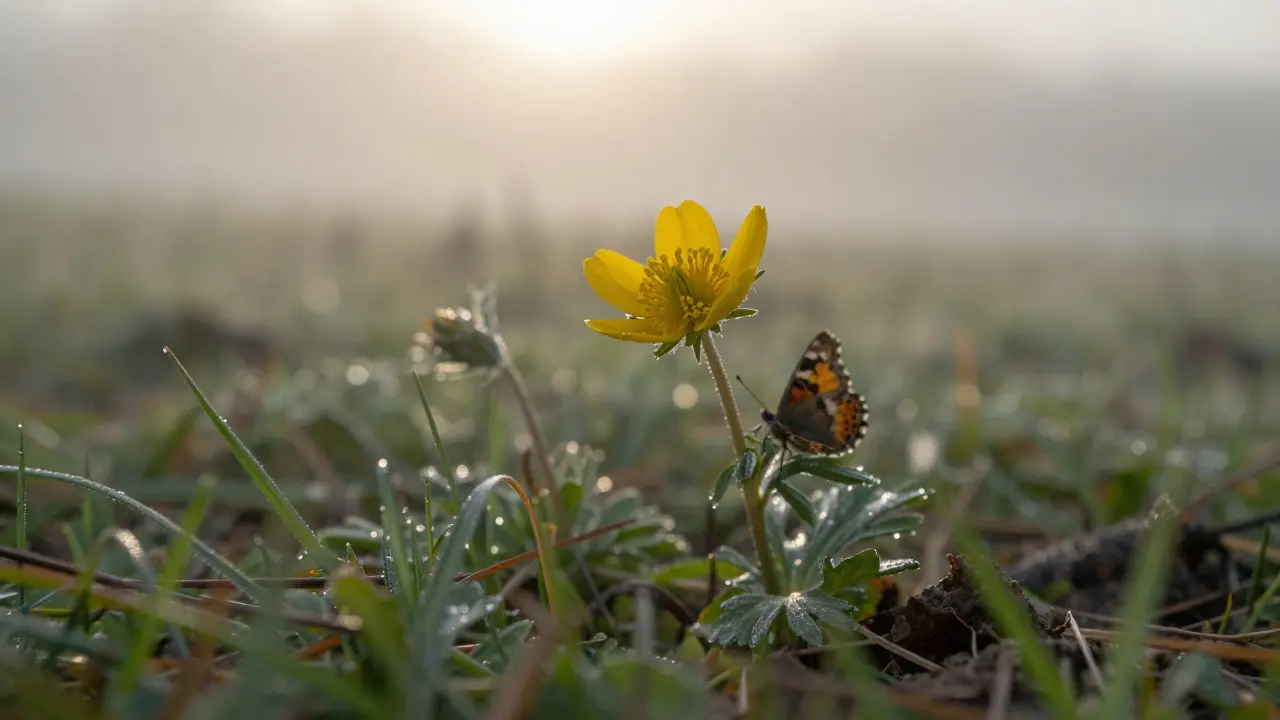
- Go early. Dew on petals at sunrise turns a buttercup into a jewel.
- Use a macro lens. A single stitchwort flower is only 5mm wide. Get close, and you’ll see the tiny veins, the pollen dust, the insect tracks.
- Shoot against the light. Backlighting makes the petals glow. Try it at dusk when the sun is low and the heather turns gold.
- Don’t step on the flowers. Many meadows are protected. Walk the paths. Use a tripod. Your photos will be better, and the plants will survive.
One photographer from Dundee, who’s been documenting meadows since 2018, shared a trick: use a white card to reflect light onto shaded flowers. It’s cheap, simple, and works better than any flash. His photo of a lone yellow rattle in a misty glen won a national nature award last year.
When to Visit
Peak bloom is late June to mid-July. Earlier than that, and you’ll miss the heather. Later, and the flowers start to fade. Weather matters too. A dry spring means blooms come early. A wet one delays them by two weeks.
Check local reports. The Scottish Wildflower Society updates their website weekly in summer. They list which meadows are at 80% bloom, which have rare orchids, and which are closed for conservation. It’s free. It’s reliable. Use it.
How to Help
You don’t need to be a scientist to protect these places.
- Support local farms that grow wildflower hay. Look for “meadow hay” at farmers markets.
- Volunteer with NatureScot or RSPB Scotland. They run seed-collecting days in August.
- Don’t pick flowers. Even one daisy from a patch can mean the difference between survival and extinction for a local population.
- Report sightings. Apps like iNaturalist let you upload photos and help scientists track where species are thriving.
These meadows aren’t just pretty. They’re insurance. Against climate change. Against insect collapse. Against the loss of something quiet, ancient, and irreplaceable.
When is the best time to see wildflower meadows in Scotland?
The peak bloom is typically between late June and mid-July. Heather turns purple, buttercups glow yellow, and orchids are in full flower. Exact timing depends on the season-dry springs bring earlier blooms, while wet ones delay them by up to two weeks. Always check the Scottish Wildflower Society’s weekly updates for real-time reports.
Can I walk through wildflower meadows?
Yes, but only on marked paths. Many meadows are protected habitats. Walking off-trail crushes plants and disturbs nesting insects. Some areas, like those on the Isle of Mull or in the Borders, have designated viewing boards and boardwalks to let visitors see the flowers without damaging them. Always follow local signs and stay on paths.
Are wildflower meadows in Scotland endangered?
Yes. Over 95% of species-rich grasslands in Scotland have been lost since the 1940s due to farming chemicals, development, and abandonment. Only about 50,000 hectares remain. But restoration projects are working. In 2024, the Scottish government funded the revival of 100 meadows, and some have already gone from 12 to over 80 plant species in just three years.
What’s the difference between heather and wildflower meadows?
Heather dominates moorland-high, acidic, and often dry. Wildflower meadows are lowland grasslands with richer soil, supporting dozens of plant species like buttercups, stitchwort, and yellow rattle. Heather is one flower. Wildflower meadows are entire ecosystems. You’ll find heather on the moors; wildflowers in the valleys and near rivers.
Can I take wildflower seeds home as souvenirs?
No. Picking flowers or seeds from protected meadows is illegal in Scotland. Many species are rare or protected under the Wildlife and Countryside Act. Instead, buy native seeds from trusted nurseries like the Royal Botanic Garden Edinburgh. They grow plants from locally sourced seeds and help restore habitats.
Next Steps
If you’re planning a trip, start with the Scottish Wildflower Society’s map. It shows 27 open meadows with access details. Pack a field guide-Wild Flowers of Scotland by David McClintock is still the best. Bring water, sturdy shoes, and a camera with a macro setting. And if you see someone picking flowers? Gently remind them: these blooms aren’t just for looks. They’re part of Scotland’s living history.
Comments (14)
-
Vishal Gaur March 10, 2026
man i wish i could just hop on a plane right now and wander through these meadows, honestly. the way you described the heather and buttercups? that’s the kind of magic you don’t get from instagram. i’ve seen pictures, sure, but reading this felt like being there. the stitchwort with the bees buzzing around? yeah, that’s the stuff. i’d probably trip over a root and ruin the whole thing, but still. worth it.

-
Nikhil Gavhane March 11, 2026
Thank you for writing this with such care. It’s rare to see a post that doesn’t just show beauty, but explains why it matters. The part about yellow rattle changing the soil dynamics? That’s the kind of detail that turns a pretty view into a living story. These meadows aren’t just scenery-they’re archives of ecological wisdom.

-
Rajat Patil March 12, 2026
I am pleased to read this thoughtful and well-researched article. The dedication to preserving these natural spaces is commendable. It is important that we recognize the historical and ecological value of such habitats. I hope more people will support restoration efforts with patience and respect.

-
deepak srinivasa March 13, 2026
Can you clarify something? You mentioned the Scottish primrose is found nowhere else in the UK. But is it truly endemic to the Hebrides, or does it exist in small pockets elsewhere? I’m curious about the genetic isolation and whether any studies have been done on its adaptation to limestone soils.

-
pk Pk March 13, 2026
You’re doing the right thing by highlighting these places. Not everyone gets it, but you made it clear: this isn’t just about pretty flowers. It’s about survival. I’m telling my whole family to check out the Scottish Wildflower Society’s map. We’re going next summer. No selfies. Just quiet walks and maybe a sketchbook. These places deserve more than a quick scroll.

-
NIKHIL TRIPATHI March 15, 2026
I love how you broke down the flowers by function, not just looks. Yellow rattle as a meadow maker? That’s genius. I used to think nature was just… there. But now I see it’s a system. Like a puzzle where every piece has a role. I’ll be bringing my kid to one of these meadows this summer. Not just to see, but to learn. Thanks for the nudge.

-
Shivani Vaidya March 15, 2026
The restoration figures are encouraging. 12 to 89 species in three years. That is not luck. That is science applied with humility. I believe in quiet action. Not grand gestures. Small, consistent efforts. This is the model we need to replicate elsewhere.

-
Rubina Jadhav March 16, 2026
Don’t pick the flowers. Stay on the path. These are simple rules. But they matter. I’ve seen people walk right through the orchids just to get a better photo. It breaks my heart. Nature doesn’t need us to touch it. It just needs us to leave it alone.

-
sumraa hussain March 17, 2026
oh my GOD. I just read this while sipping tea at 3am and I’m crying. I didn’t even know I needed this. The dew on the buttercup? The crushed mint smell? The way heather turns gold at dusk? That’s not a place. That’s a feeling. I’m booking a flight. I don’t care if I have to sleep in a tent. I need to breathe that air. I need to stand in that silence. I’m not joking. I’m not dramatic. I’m just… done pretending I’m okay without this.

-
Raji viji March 19, 2026
Okay, but let’s be real-this whole ‘wildflower meadow’ thing is just a fancy way of saying ‘unmanaged pasture.’ You’re romanticizing neglect. The real problem? People who think ‘restoring’ a meadow means putting back a few flowers while ignoring the bigger picture: soil degradation, invasive species, and climate-driven phenology shifts. And don’t even get me started on the ‘hand-sowing seeds’ crowd. That’s not science. It’s performative gardening. Real restoration needs genetic sequencing, soil microbiome analysis, and controlled grazing regimes. But no, let’s just post pretty photos and call it a day.

-
Rajashree Iyer March 21, 2026
These meadows… they’re not just plants. They’re echoes. Echoes of ancient winds, of forgotten shepherds, of soil that remembers every footstep, every raindrop, every bee’s last flight. To walk among them is to touch time-not as a line, but as a circle. The flowers bloom, die, return. We come, we gaze, we leave. And yet, we are never truly gone. We become part of the quiet rhythm. The heather remembers us. The stitchwort whispers our names. And if we listen… we hear ourselves again.

-
Parth Haz March 21, 2026
This is an excellent overview of Scotland’s remaining wildflower habitats. The data provided on species diversity and restoration outcomes is both compelling and actionable. I recommend sharing this with environmental education programs. The emphasis on citizen science and non-invasive photography is particularly commendable.

-
Vishal Bharadwaj March 21, 2026
Wait, you say 95% of meadows are gone? That’s not even close. According to the 2021 Land Use Survey, the loss is closer to 87%, and a lot of the ‘restored’ areas are just reseeded monocultures with a few extra species. And that £2 million program? Half of it went to admin. The real success stories? The ones in Perthshire? They were privately funded by a retired botanist with a tractor and a dream. The government’s program is just PR. Don’t fall for the hype.

-
anoushka singh March 22, 2026
Can you just send me the exact GPS coordinates of the best meadow? I want to go at sunrise and take 500 photos. And can you tell me which flower is the most Instagrammable? I need to know what to focus on. Also, do they have Wi-Fi there? Just asking.
