
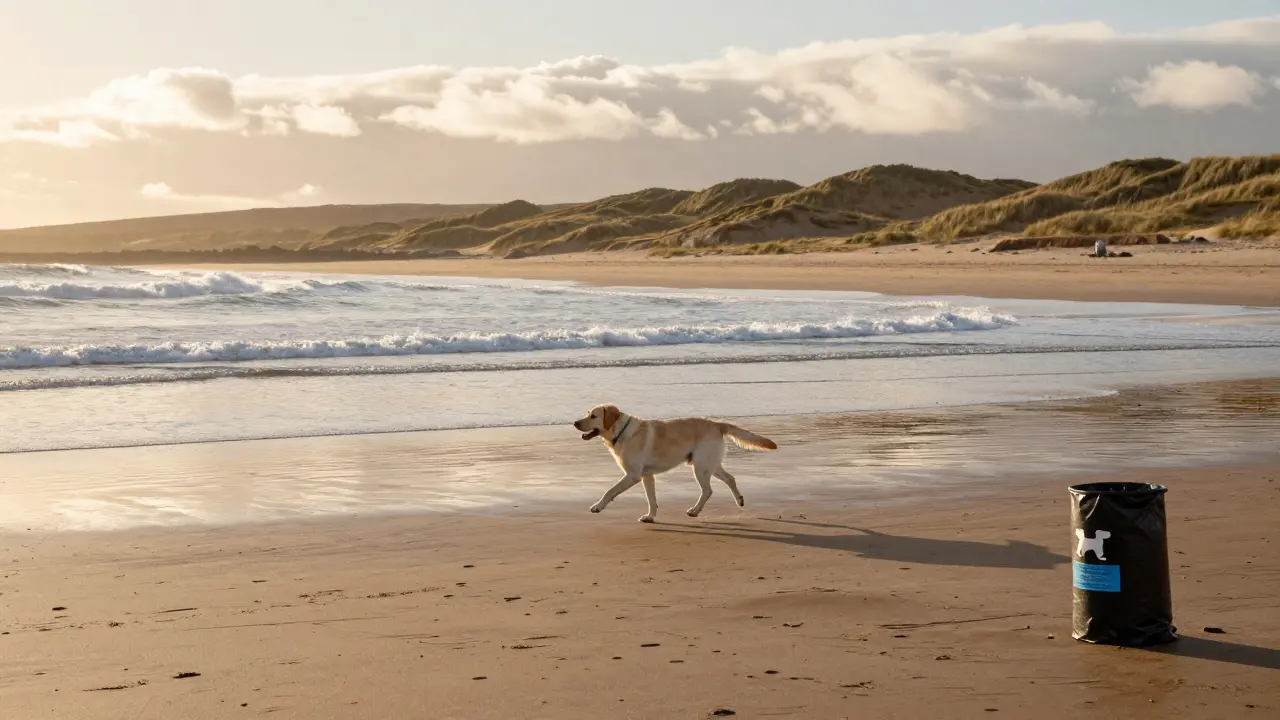
Scotland’s coastline is one of its greatest treasures-wild, windswept, and perfect for long walks with your dog. But if you’ve ever shown up at a beach only to find signs saying no dogs allowed, you know it’s not as simple as grabbing a leash and heading out. Rules change by location, season, and even the time of day. Some beaches welcome dogs year-round. Others lock them out between May and September. And a few? They’ll let your pup run free… if you clean up after them.
Why the Rules Exist
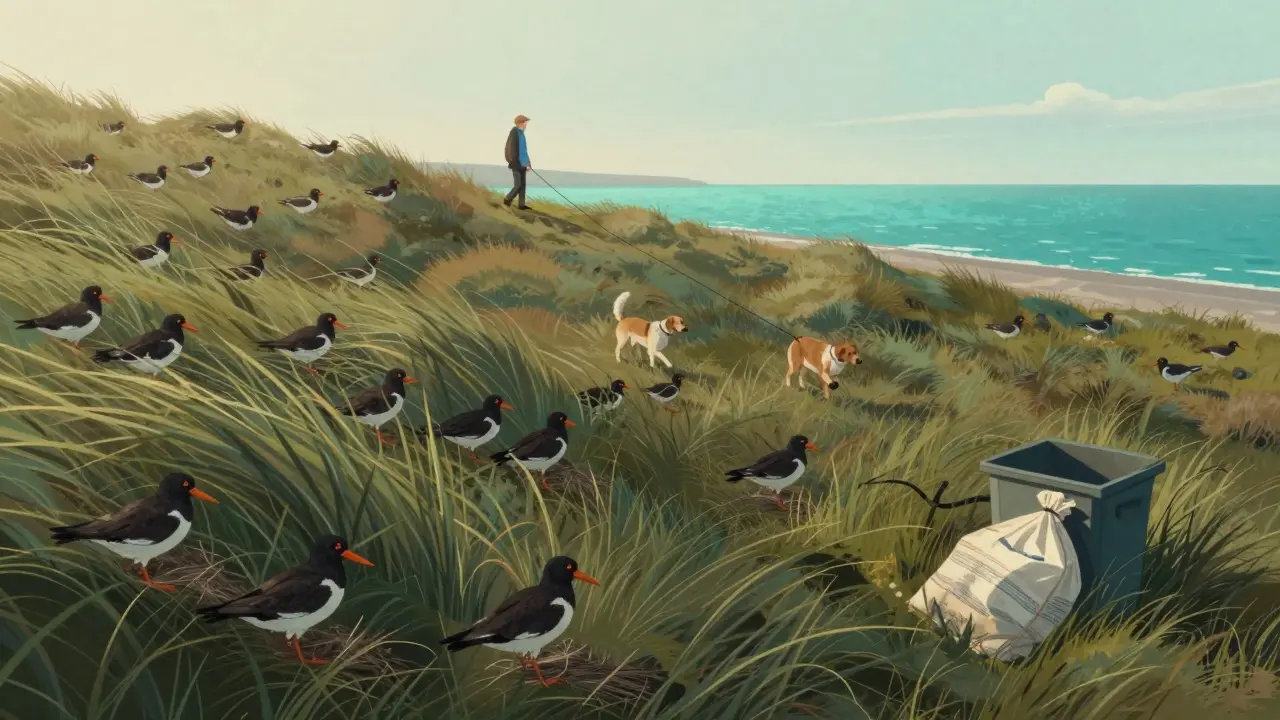
It’s not about being mean. It’s about balance. Scottish beaches aren’t just for people-they’re nesting grounds for seabirds, feeding zones for seals, and quiet retreats for families who don’t want muddy paws on their towels. Local councils and conservation groups set rules to protect wildlife and keep beaches clean. On the Firth of Forth, for example, terns and oystercatchers lay eggs in the dunes. A single unleashed dog can scare them off, leaving eggs exposed to predators or the sun. That’s why some beaches ban dogs during breeding season.
And let’s be real: dog waste is a problem. One owner forgetting a bag can turn a pristine stretch of sand into a health hazard. Councils don’t want to spend thousands on extra cleaning crews, so they use bans as a tool. It’s not punishment-it’s preservation.
Seasonal Dog Bans: When and Where
The most common restriction? Dogs banned from May 1 to September 30. That’s the peak tourist season, when beaches are busiest and wildlife is most vulnerable. But not all beaches follow the same calendar.
- North Berwick (East Lothian): Dogs allowed all year on the main beach, but banned from the area near the harbour and the nature reserve between April 1 and September 30.
- St Andrews (Fife): No dogs allowed on the West Sands between May 1 and September 30. The East Sands? Dogs welcome year-round.
- Portobello (Edinburgh): Dogs banned from the main promenade and beach area between May 1 and September 30. The northern end near the pier? Still open.
- Lochinver (Sutherland): No seasonal bans. Dogs allowed everywhere. This is one of the few places in the Highlands where you can walk your dog right up to the water’s edge without restrictions.
- Isle of Arran (Brodick Bay): Dogs permitted year-round, but must be kept on a lead near the beachfront café and boat launch area.
Some councils, like Highland Council, have blanket rules: dogs must be on a lead between sunrise and sunset from April to September. Others, like Orkney, leave it up to each beach. Always check the local council website before you go. Don’t assume because one beach allows dogs, the next one will too.
Top 5 Pet-Friendly Beaches (Year-Round)
If you want to take your dog to the beach without checking a calendar, these five spots are your best bets:
- Findhorn Bay (Moray): Wide, flat sands, low tide stretches for miles. Dogs off-leash allowed. Plenty of parking. No shops or cafes nearby-bring your own water and snacks.
- Clachtoll Beach (Northwest Highlands): Remote, rugged, and nearly always empty. Dogs can run free. Access is rough-4x4 recommended. No facilities. Pack everything in, pack everything out.
- Barra’s Traigh Mhòr (Outer Hebrides): One of the longest beaches in Scotland, with white sand and turquoise water. Dogs allowed year-round. No restrictions. Bring a towel. You might have the whole beach to yourselves.
- Drumossie Moor (Inverness): Not a beach, but a tidal estuary that feels like one. Dogs love the soft mud and shallow water. Tides come in fast-watch the forecast. Keep them close near the water’s edge.
- Whitburn Sands (West Lothian): Quiet, clean, and rarely crowded. Dogs allowed off-leash all year. Local council even provides free dog waste bags at the main car park.
What the Law Actually Says
There’s no single Scottish law about dogs on beaches. It’s all local bylaws. But here’s what’s consistent:
- If a sign says “Dogs must be on a lead”, you must obey. Fines can be up to £500.
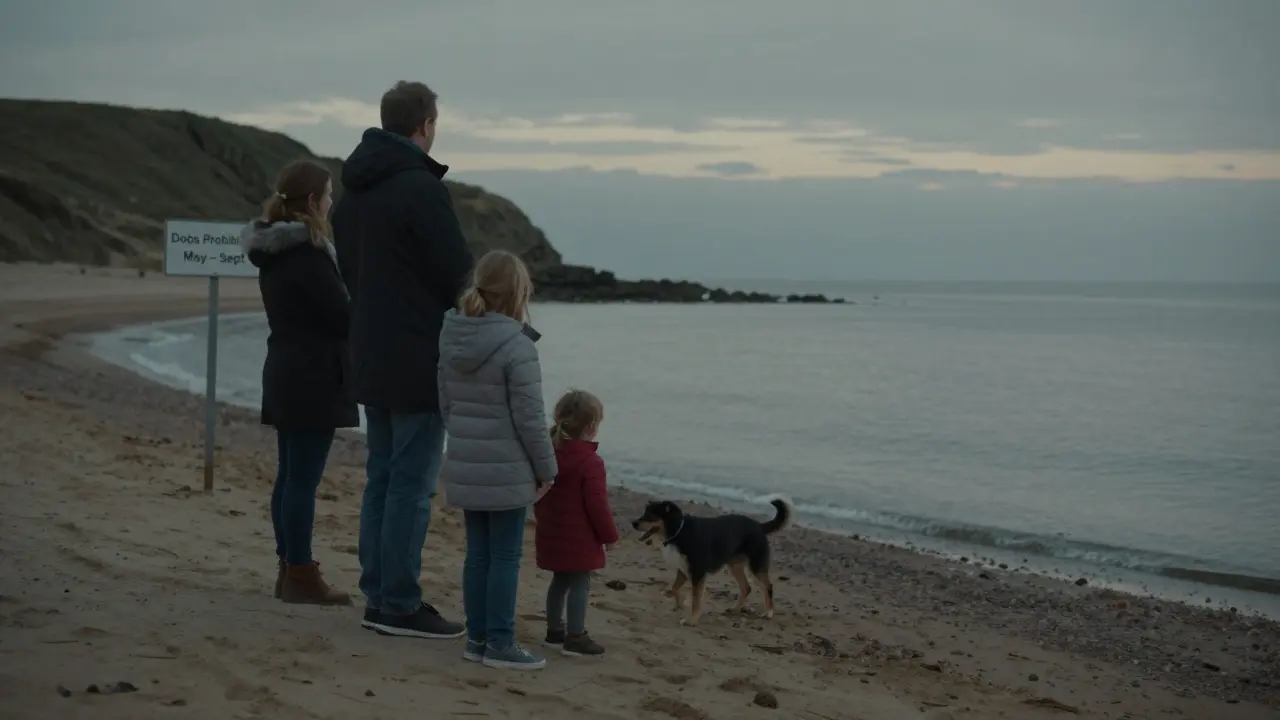
- Some beaches have “Dogs prohibited” signs-those are legally enforceable. Ignoring them is a breach of the local council’s public spaces order.
- Under the Environmental Protection Act 1990, dog owners must clear up after their pets. Failure to do so can result in a £1,000 fine.
- Some beaches, especially near nature reserves, are protected under the Wildlife and Countryside Act 1981. Disturbing nesting birds can lead to prosecution.
Just because you don’t see a sign doesn’t mean you’re safe. Councils don’t always post signs everywhere. If you’re near a dune system, a bird sanctuary, or a tidal inlet, assume dogs are restricted.
What to Bring (Beyond the Leash)
Here’s what smart dog owners pack for a Scottish beach day:
- At least two bags for waste-even if the beach has bins, they’re often full.
- Fresh water and a portable bowl-saltwater makes dogs sick. Don’t let them drink from the sea.
- A towel or mat-wet, sandy dogs make car seats miserable.
- A long lead (4-6 feet)-better than a short one for controlling your dog near water or other people.
- A first-aid kit-sea urchins, broken shells, and jellyfish are real risks.
- A leash that glows or reflects-sunsets come early in Scotland. Visibility matters.
And don’t forget sunscreen-for your dog. Light-colored breeds like Greyhounds or Whippets can get sunburned on their noses and bellies. Dog-safe sunscreen is available at vet clinics.
How to Spot a Dog-Friendly Beach
You don’t need to memorize every beach rule. Here’s how to tell at a glance:
- Look for bins with dog waste bags-if they’re there, the council expects dogs.
- Check for posted maps-many beaches have signs showing where dogs can and can’t go.
- Look at other dogs-if you see three or four dogs running free, you’re probably safe.
- Ask a local-fishermen, lifeguards, or shopkeepers know the rules better than any sign.
- Use the Scotland’s Beaches app-it’s free, updated monthly, and shows real-time restrictions.
Pro tip: Visit during low tide. That’s when most beaches open up the most space. Dogs love the wet sand, and you’ll avoid crowded areas.
What Not to Do
Even the best dog owners make mistakes. Here’s what to avoid:
- Letting your dog chase seals-they’re protected. Even if your dog is just playing, seals panic and can abandon pups.
- Letting your dog dig near dunes-they’re natural barriers against erosion. Digging can destroy habitats.
- Leaving your dog unattended-tides rise fast. One wave can trap a dog on a sandbar.
- Bringing a dog that hates water-forcing them in just makes a mess. Not every dog loves the sea.
- Ignoring signs just because it’s quiet-you’re not the only one there. A family with kids or a nesting bird doesn’t care if you think it’s fine.
What to Do If You Get Fined
It happens. You didn’t see the sign. The wind blew it down. You thought the beach was open.
If you get a fixed penalty notice (usually £100), you can pay it within 14 days to avoid court. But if you believe it’s wrong-say, the sign was missing or the area wasn’t clearly marked-you can appeal. Contact the local council’s environmental enforcement team. Keep photos of the beach, the time, and any signs (or lack thereof). Some councils will waive the fine if you show you’ve learned your lesson.
More importantly: learn from it. Next time, check the council website before you leave the house.
Final Tip: Respect the Balance
Scotland’s beaches belong to everyone-people, pets, birds, and seals. You can enjoy them with your dog, but only if you respect the rules. The same beach that lets your dog run free in October might be closed in June. That’s not unfair. It’s necessary.
When you follow the rules, you help keep these places open for everyone. And that means your next trip with your pup? It’s still going to be just as magical.
Can I take my dog to any beach in Scotland?
No. Many beaches have seasonal bans, especially between May and September. Some only allow dogs on leads, and others ban them entirely. Always check local council rules before you go.
Are there fines for taking a dog to a banned beach?
Yes. Fines can range from £50 to £500 depending on the council and the offense. If you’re caught letting your dog disturb protected wildlife, you could face a £1,000 fine under the Wildlife and Countryside Act.
What if my dog eats seaweed or jellyfish?
Seaweed can cause blockages if eaten in large amounts. Jellyfish stings can be painful or even dangerous. Rinse your dog’s mouth with fresh water and call your vet if they show signs of vomiting, lethargy, or swelling. Always carry a basic pet first-aid kit.
Do I need to clean up after my dog even if the beach is empty?
Yes. Under the Environmental Protection Act 1990, dog owners must remove waste no matter how quiet the beach is. Leaving it behind is illegal and can lead to a £1,000 fine. Always carry bags.
Are there any beaches in Scotland where dogs are always allowed off-leash?
Yes. Findhorn Bay, Clachtoll Beach, and Traigh Mhòr on Barra are among the few where dogs can run free year-round. But even there, keep your dog under control near wildlife or other visitors.
Comments (10)
-
Andrew Nashaat January 28, 2026
Okay, but why is it that every single beach in Scotland has a different rule? It’s not like we’re dealing with nuclear codes here-just DOGS. And yet, you need a PhD in local bylaws just to take your pup to the seaside? I’ve seen signs that say ‘Dogs prohibited’… but then there’s a dog running free 20 yards away. Who’s enforcing this? The Ghost of Nessie?
And don’t get me started on the ‘clean up after your dog’ mandate-yes, I know, it’s the law, but do you know how many people just leave it? I’ve seen bags full of dog poop just sitting there like a monument to apathy. So why punish the responsible ones with confusing, inconsistent rules? It’s like the council’s idea of environmentalism is ‘make it complicated enough that nobody tries’.
Also, why is it always May to September? Who decided that? Is it because tourists are more likely to complain about paw prints than actual bird eggs? I’m not saying the birds don’t matter-I’m saying the system is a mess. And don’t even get me started on the ‘dog-safe sunscreen’ thing. That’s not a thing. That’s a marketing ploy by some vet who saw a trend on TikTok.
And yes, I checked the Scotland’s Beaches app. It crashed. Twice. So now I’m just guessing. Thanks, Scotland.

-
Gina Grub January 28, 2026
Seasonal bans aren’t about convenience-they’re about trophic cascade mitigation and anthropogenic disturbance thresholds in coastal microhabitats. The Firth of Forth tern colonies? They’re sentinel species. One off-leash terrier triggers a behavioral cascade that ripples through the intertidal zone. It’s not ‘mean’-it’s ecological governance.
And the waste issue? It’s not just about aesthetics. Can you quantify the nitrogen load from uncollected feces in tidal zones? No. Because you’re too busy taking selfies with your corgi to care. The £1000 fine isn’t punitive-it’s actuarial. You’re not paying for a bag-you’re paying for the cost of remediation.
Also, ‘dog-safe sunscreen’? That’s not a scam. It’s zinc oxide-based, non-nano, reef-safe. You’re welcome.

-
Nathan Jimerson January 29, 2026
This is exactly the kind of information every dog owner needs. Thank you for laying it out so clearly. Planning our trip to Findhorn Bay next month-will bring extra bags, water, and a towel. Simple rules, smart choices. Dogs and nature can coexist if we try.

-
Sandy Pan January 30, 2026
It’s funny how we treat nature like a theme park with rules written by bureaucrats. We want our dogs to run free, but we also want the beach to be pristine-like we’re entitled to both. But here’s the truth: we’re not separate from the ecosystem. We’re just loud, messy, and forgetful guests.
That dog running free on Traigh Mhòr? He’s not breaking rules-he’s participating. The real violation is when we pretend we can control everything. The sea doesn’t care about our calendars. The birds don’t care about our convenience. Maybe the answer isn’t more signs-it’s more humility.
And yes, I did just cry a little thinking about a Greyhound getting sunburned on its belly. That’s just… too human.

-
Meredith Howard February 1, 2026
Thank you for the comprehensive overview. The distinction between legal enforceability under the Environmental Protection Act 1990 and local council bylaws is critical for responsible pet ownership. I appreciate the inclusion of specific locations and the emphasis on checking official sources rather than relying on signage alone. This level of detail promotes informed decision-making and reduces unintentional noncompliance. Well structured and highly informative.

-
Yashwanth Gouravajjula February 2, 2026
In India, dogs roam everywhere. No rules. No fines. But no birds either. Scotland’s balance is smart. Respect the land. Respect the life. Simple.

-
Kevin Hagerty February 3, 2026
So let me get this straight… I can’t take my dog to the beach because some bird might get ‘disturbed’? Cool. So next time I see a kid screaming and running through a nesting zone, are they getting fined too? Or is it just the dogs? Because I’ve seen toddlers dig up dunes like they’re on a treasure hunt. But hey, let’s just make the dog owner feel guilty. Classic.
Also, ‘dog-safe sunscreen’? Who’s buying this? My dog licks his paws. He’s gonna eat the damn sunscreen. You want to save the terns? Ban the tourists. Not the dogs.
And why is the app crashing? Because the government can’t code. Obviously.

-
Janiss McCamish February 4, 2026
Low tide is your friend. Always. And if you’re near a dune or a bird sign, assume it’s off-limits. No exceptions. Bring two waste bags. One for your dog, one for the trash you didn’t plan to carry. And if you’re not sure? Ask the fisherman. They’ve seen it all. This isn’t complicated. Just be thoughtful.

-
Pamela Tanner February 5, 2026
One of the most thoughtful and well-researched guides I’ve seen on this topic. The inclusion of legal references, specific locations, and practical preparation tips transforms this from a casual article into a vital resource. The emphasis on respect-not restriction-is the key takeaway. Thank you for not just listing rules, but explaining the why. This is how we build responsible communities.

-
Kristina Kalolo February 7, 2026
What about beaches that allow dogs but don’t have waste bags? Is that a violation of the council’s responsibility? Or is it still entirely on the owner?
