
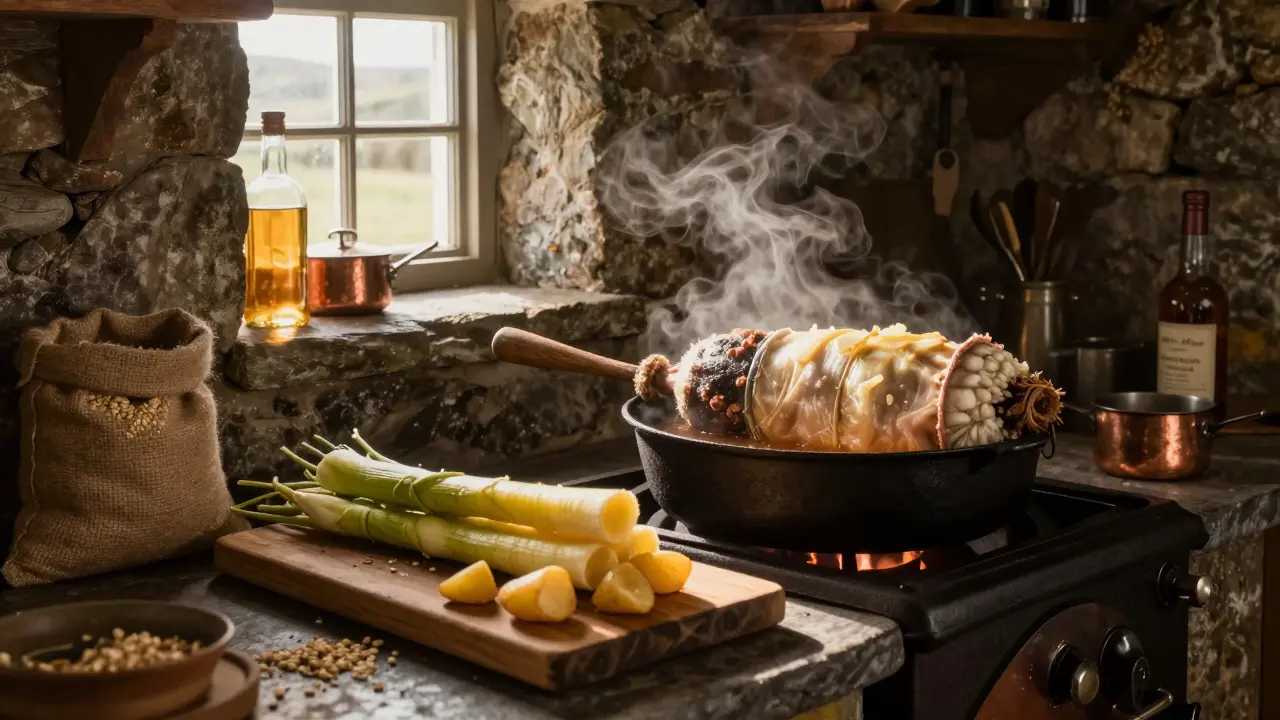
When you think of Scottish food, haggis probably comes to mind first. But there’s so much more beneath the surface - a rich, rugged culinary tradition shaped by centuries of weather, geography, and hard work. Scottish cuisine isn’t just about offal and oatmeal. It’s about smoky fish, buttery shortbread, slow-cooked stews, and whisky that warms you from the inside out. And today? It’s evolving. Chefs across Scotland are reimagining these old dishes with fresh ingredients, global influences, and a deep respect for what came before.
What Makes Scottish Food Unique?
Scotland’s food identity comes from its land and sea. Long winters meant preservation was key. Smoking, salting, fermenting - these weren’t trends, they were survival. The Highlands gave us game, oats, and dairy. The coasts gave us haddock, salmon, and shellfish. And the islands? They gave us some of the most distinctive flavors in the world.
Unlike French or Italian cuisine, Scottish food doesn’t rely on elaborate sauces or complex techniques. It’s about letting quality ingredients speak for themselves. A good piece of Aberdeen Angus beef needs nothing but salt and fire. A freshly caught Arbroath smokie doesn’t need a sauce - just a sprinkle of pepper and a side of brown bread.
Traditional Dishes You Can’t Miss
- Haggis - Often misunderstood, haggis is not a mystery meat. It’s a savory pudding made from sheep’s offal (heart, liver, lungs), mixed with oatmeal, onions, and spices, all cooked inside a sheep’s stomach. It’s not as weird as it sounds. The texture is hearty, the flavor is deeply savory, and it’s usually served with neeps and tatties - mashed turnips and potatoes. This dish is the centerpiece of Burns Night, celebrated every January 25th across Scotland.
- Cullen skink - A thick, creamy soup from northeast Scotland. It’s made with smoked haddock, potatoes, and onions. The smokiness from the fish cuts through the richness of the broth. It’s comfort food at its best, especially on a cold day in Aberdeen or Inverness.
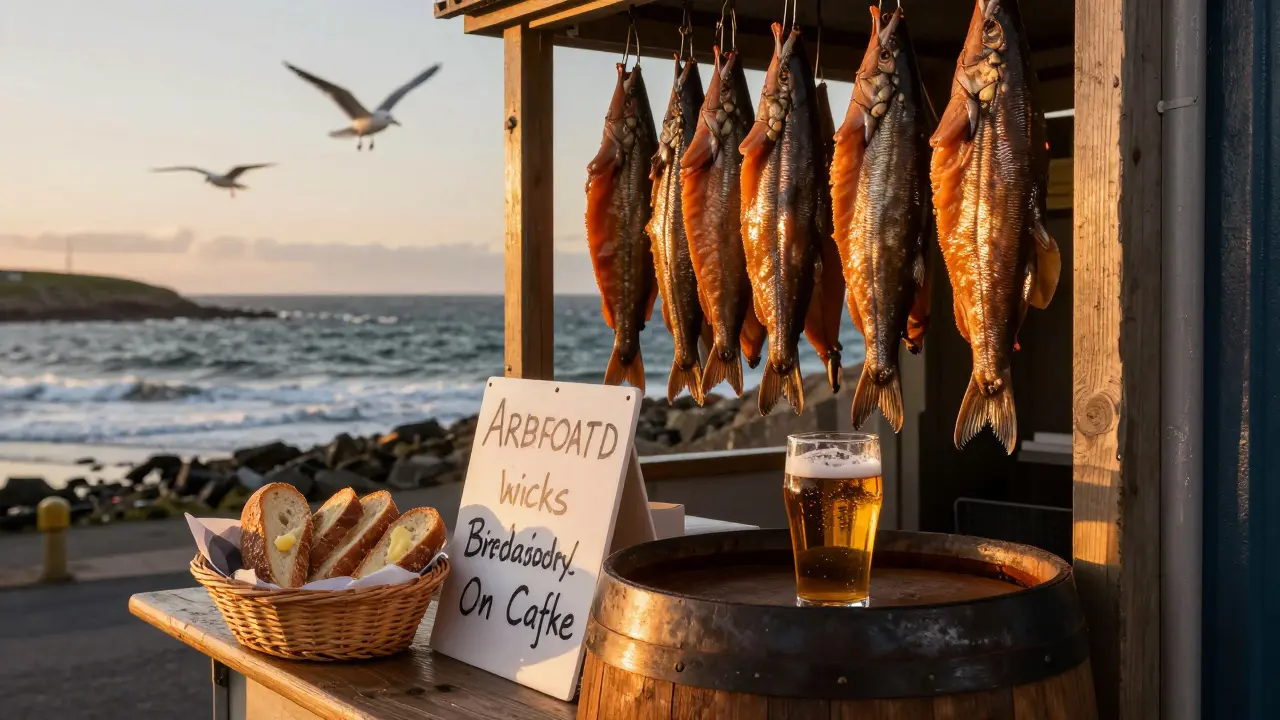
- Arbroath smokies - These are whole haddock, salted, then smoked over hardwood fires in a special barrel. The result? Tender, flaky fish with a deep, sweet smokiness. You’ll find them in fishmongers along the Angus coast. They’re often served with buttered bread and a dollop of cream.
- Scotch broth - A rustic stew with barley, root vegetables, and lamb or beef. It’s been a Sunday staple for generations. The barley gives it body, the meat gives it depth, and the vegetables make it feel like home.
- Whisky - Not a dish, but essential. Scotland produces over 100 single malts, each with its own character. Islay whiskies are peaty and smoky. Speyside ones are fruity and floral. A dram isn’t just a drink - it’s a ritual. Sip it neat, with a drop of water, and let the flavors unfold.
Modern Takes on Classic Dishes
Traditional doesn’t mean stuck in the past. Across Edinburgh, Glasgow, and even rural villages, chefs are reworking old recipes with precision and creativity.
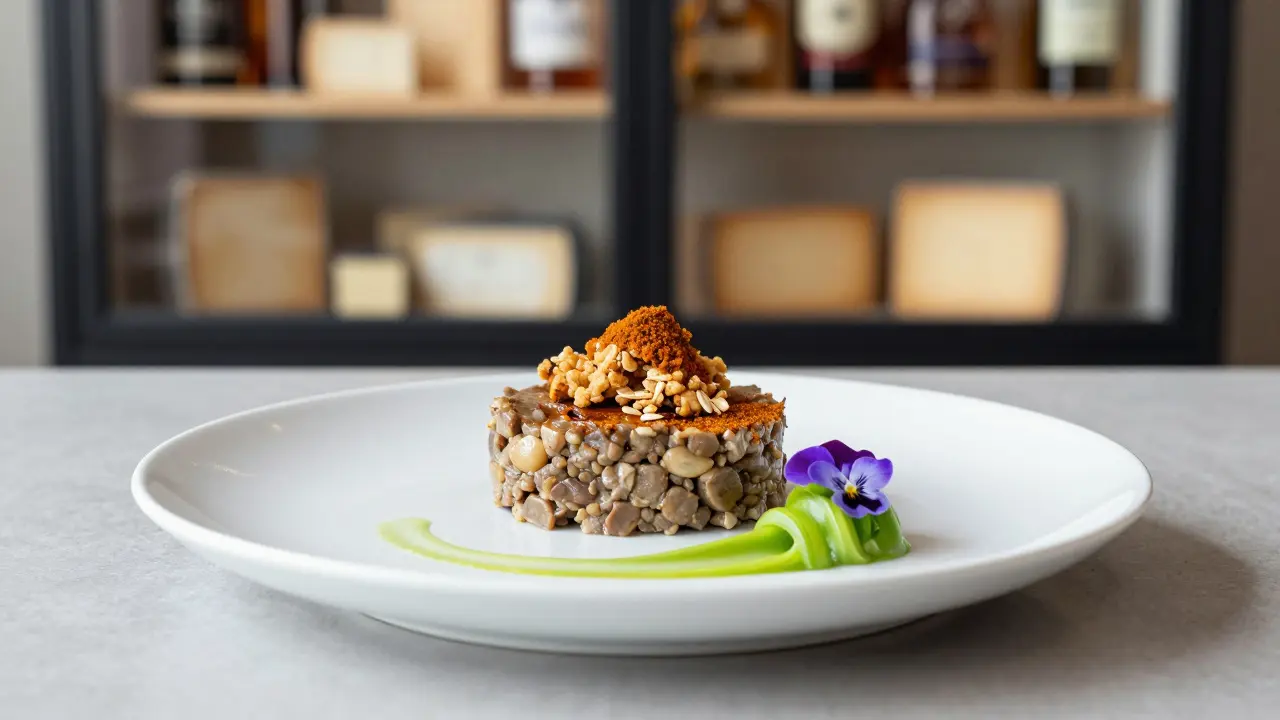
In Glasgow, The Gannet serves a deconstructed haggis - the spices roasted into a powder, the oatmeal turned into a crisp crumble, and the offal braised into a silky terrine. It’s still haggis. But it’s also something new.
On the Isle of Skye, a restaurant called The Three Chimneys uses local lobster and wild garlic to make a seafood version of Cullen skink. No haddock. No potatoes. Just smoked lobster, cream, and chives. It’s still creamy, still smoky, still unmistakably Scottish.
Even the humble Scottish breakfast is getting an upgrade. Instead of just fried eggs and sausages, you’ll find venison sausages, black pudding made with venison blood, and locally smoked salmon on sourdough. The ingredients are still Scottish. The presentation? Modern.
The Role of Local Ingredients
Scottish chefs today are obsessed with provenance. You’ll see menus that say: “Beef from the Cairngorms, oats from Tayside, mushrooms foraged in the Trossachs.” This isn’t marketing. It’s tradition with accountability.
Scotland’s wild food culture is thriving. Foraged sea kale, wild garlic, crowberries, and chanterelles are showing up on fine-dining plates. Even the humble oat - once just a porridge grain - is now being turned into flour for gluten-free bread, oat milk, and even whisky-infused chocolate.
And then there’s the cheese. Scotland has over 100 artisanal cheeses now. Stornoway Blackface, made from ewe’s milk in the Outer Hebrides, has a nutty, earthy flavor. Orkney Gold is buttery and mild, aged in sea air. These aren’t imports. They’re made by small farms using centuries-old methods.
Drinks That Define Scotland
Whisky gets all the attention, but it’s not the only drink worth sipping.
- Scotch whisky - Over 130 distilleries operate across Scotland. Each region has its own profile. Islay = peat. Highlands = spice. Lowlands = soft. Speyside = honey and orchard fruit. Try a flight. You’ll find your favorite.
- Scotch ale - A dark, malty beer with caramel notes. It’s not hoppy like an IPA. It’s rich, smooth, and meant to be sipped slowly. Try McEwan’s 80 Shilling - a classic.
- Irish-style gin - Wait, no. Scottish gin. Distilleries like Edinburgh Gin and The Botanist use native botanicals: rowan berry, heather, juniper, and even seaweed. It’s not just gin. It’s a taste of the Highlands in a bottle.
- Claret - No, not French wine. This is a Scottish soft drink made from blackcurrants and sugar. It’s sweet, tart, and nostalgic. Grandparents still drink it with tea.
Where to Eat Like a Local
You don’t need a Michelin star to taste real Scottish food. Some of the best meals happen in pubs, markets, and family-run kitchens.
- Edinburgh Farmers Market - Every Saturday. Try the Arbroath smokies, oatcakes, and handmade shortbread.
- The Scotch Egg in Glasgow - Not what you think. It’s a bar that serves haggis-stuffed Scotch eggs with whisky gravy. Yes, really.
- Loch Fyne Oyster Bar - Fresh oysters, mussels, and langoustines, all from the loch. Eat them with a squeeze of lemon and a glass of white wine.
- Local bakeries - Look for bannocks (oat flatbreads), scones with clotted cream, and cranachan (whisky, cream, raspberries, and toasted oats).
What to Avoid
Not every restaurant serves authentic Scottish food. Watch out for these traps:
- Pre-packaged haggis - If it comes in a plastic tub with no name of the producer, skip it. Real haggis is made fresh, often daily.
- “Scottish-style” fish and chips - If the fish is frozen and battered with flour from a bag, it’s not Scottish. Look for hand-dipped, locally caught cod or haddock.
- Whisky with cola - It’s not wrong. But you’re masking the flavor. Try it neat first. Then add water. Then, if you must, cola.
Final Thoughts
Scottish food isn’t about nostalgia. It’s about resilience. It’s about turning tough conditions into something nourishing, flavorful, and deeply satisfying. The old recipes survived because they worked. And now, they’re being reinvented - not because they’re outdated, but because they’re worth saving.
Try a bowl of Cullen skink on a rainy afternoon. Sip a dram of Islay whisky as the sun sets over the Highlands. Eat haggis with your hands, not a fork. You’re not just eating food. You’re tasting centuries of Scottish life.
Is haggis really made from sheep’s organs?
Yes. Traditional haggis includes sheep’s heart, liver, and lungs, mixed with oatmeal, onions, and spices. It’s all cooked inside a cleaned sheep’s stomach. Modern versions sometimes use synthetic casings, but the ingredients remain the same. It’s not as strange as it sounds - it’s like a savory meatloaf with a grainy texture.
Can you find authentic Scottish food outside Scotland?
Yes, but quality varies. Look for restaurants that source ingredients from Scotland - especially haggis, smoked fish, and whisky. Many Scottish expats run small eateries in cities like London, Toronto, and Sydney. Check reviews for mentions of "real haggis" or "Arbroath smokies" - those are good signs.
What’s the best time of year to experience Scottish cuisine?
Winter is the best time. Burns Night (January 25th) celebrates haggis with poetry and whisky. Christmas markets serve mulled wine, oatcakes, and venison pies. Spring brings fresh seafood and foraged greens. But honestly, Scottish food is great year-round. Just avoid tourist traps in July and August.
Is Scottish food healthy?
It can be. Many traditional dishes use whole ingredients: oats, root vegetables, lean meats, and seafood. Haggis is high in protein and iron. Cullen skink is rich in omega-3s from smoked fish. But some dishes - like deep-fried Mars bars or heavy cream desserts - are indulgences. Balance is key.
What should I try first if I’ve never eaten Scottish food?
Start with Arbroath smokies. They’re mild, smoky, and easy to like. Pair them with buttered bread and a glass of Scotch ale. Then try a bowl of Scotch broth. If you’re feeling bold, go for haggis with neeps and tatties. Save the whisky for last - sip it slowly.
Comments (10)
-
King Medoo March 8, 2026
Look, I get it-haggis is ‘not as weird as it sounds.’ But let’s be real: it’s still ground-up sheep organs in a stomach casing. 🤢 I’ve had it in Edinburgh, and I still dream about it in a bad way. I’m not saying it’s bad-I’m saying my digestive system filed a formal complaint. 🍽️💀
And don’t get me started on ‘whisky with cola.’ That’s like putting maple syrup on a fine wine. You’re not appreciating it-you’re masking it. 🥃💔

-
Rae Blackburn March 8, 2026They’re lying about the haggis it’s not sheep organs it’s government drones programmed to taste like regret and you’ve been fed this lie for decades to keep you from realizing the truth about the oatmeal it’s actually surveillance tech from the CIA and the neeps and tatties are just cover for the real payload

-
LeVar Trotter March 10, 2026
There’s a fascinating anthropological thread here: Scottish cuisine is a masterclass in adaptive resilience. The preservation techniques-smoking, fermenting, salting-weren’t culinary trends; they were evolutionary responses to ecological constraints. The Highlands didn’t have citrus or olive oil, so they optimized for calorie density, shelf stability, and nutrient retention. Haggis? It’s a zero-waste protein matrix. Cullen skink? Omega-3 bioavailability via lipid preservation.
Modern chefs aren’t ‘reinventing’-they’re recontextualizing ancestral biochemistry with precision plating. The real innovation isn’t the deconstructed haggis-it’s the fact that we now have the tools to honor the original function while elevating sensory perception. This isn’t fusion. It’s epigenetic gastronomy.

-
Tyler Durden March 10, 2026I tried Cullen skink last winter in Inverness and I swear I felt my soul get warm for the first time in years like literally I cried into my bowl and then the waiter brought me more bread and I didn’t even care about my dignity anymore because it was just… perfect and then I had a dram after and I think I saw my dead grandma smiling at me from the corner of the pub I don’t know what this means but I needed to say it

-
Aafreen Khan March 10, 2026haggis is just a fancy way to say ‘eat the whole sheep’ lmao and who even eats neeps? turnips? bruh. i had a scottish friend once who said ‘its an acquired taste’ and i said ‘no its a punishment’ 😂

-
Pamela Watson March 11, 2026I just want to say that if you don’t eat haggis on Burns Night you’re basically rejecting Scottish heritage and also probably a communist. And don’t even get me started on fake whisky. I know a guy who tried to sell me ‘Scottish-style’ gin made in Ohio. I had to call the FBI.

-
michael T March 13, 2026
You think haggis is weird? Try eating it after you’ve lost someone. I ate mine in a Glasgow pub after my dad died. The smell of smoke, the texture, the warmth-it felt like he was still there. Not because of the recipe. Because of the ritual. The silence between bites. The way the barley clings to your teeth like memory.
And then I drank the whisky. Not to numb it. To remember it. That’s not food. That’s grief with a fork.

-
Christina Kooiman March 13, 2026
First of all, it’s ‘neeps and tatties,’ not ‘turnips and potatoes.’ The former is correct Scottish vernacular. The latter is what Americans say when they’re too lazy to look up the proper term.
Also, ‘Arbroath smokies’ are not ‘smoked haddock’-they are specifically haddock smoked in a barrel over hardwood, using a centuries-old technique that dates back to the 18th century. You can’t just ‘smoke fish’ and call it an Arbroath smokie. That’s like calling a Big Mac a gourmet burger. It’s not just incorrect-it’s an affront to culinary history.

-
Stephanie Serblowski March 14, 2026
Okay but can we talk about how beautiful it is that a culture built on harsh winters and isolation created food that’s so deeply comforting? 🌄❤️
Haggis isn’t ‘weird’-it’s poetic. It’s the culinary equivalent of a blanket woven from storm clouds and hearth smoke. And the fact that modern chefs are honoring that legacy instead of erasing it? That’s hope. That’s resilience. That’s the kind of tradition we should all be protecting.
Also, I tried the Orkney Gold cheese last month. I cried. It tasted like a sunset over the North Sea. 🧀✨

-
Renea Maxima March 16, 2026The whole ‘resilience’ narrative is just romanticized suffering. Scottish food didn’t evolve because of ingenuity-it evolved because they had no other choice. You call it ‘tradition.’ I call it starvation aesthetics. And now you’re selling it as artisanal? That’s not appreciation. That’s exploitation dressed up in tweed.
