
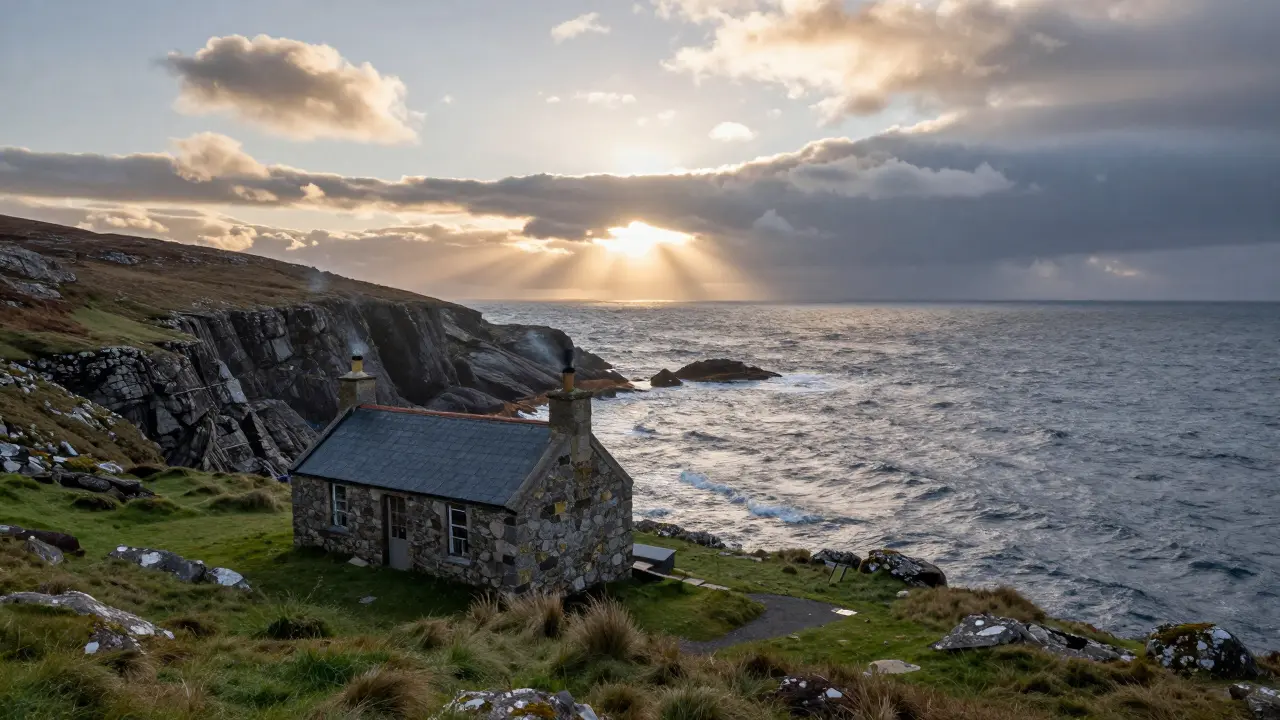
Booking a place to stay on the Scottish islands is less like picking a hotel and more like solving a logistical puzzle. You aren't just choosing between a bed and breakfast or a luxury resort; you are deciding how you will get there, what weather you can handle, and whether you need Wi-Fi for work or silence for sanity. The archipelagos of Orkney, a northern archipelago known for its Viking heritage, Neolithic sites like Skara Brae, and relatively mild climate due to the Gulf Stream, Shetland, the most northerly part of the UK, famous for its rugged landscapes, wildlife including puffins and seals, and distinct cultural identity, and the Hebrides, a large group of islands off the west coast of Scotland, divided into the Inner and Outer Hebrides, offering dramatic cliffs, sandy beaches, and Celtic history offer vastly different experiences. If you wait until June to book for July, you won't find anything. The inventory here is limited, seasonal, and fiercely loyal to locals.
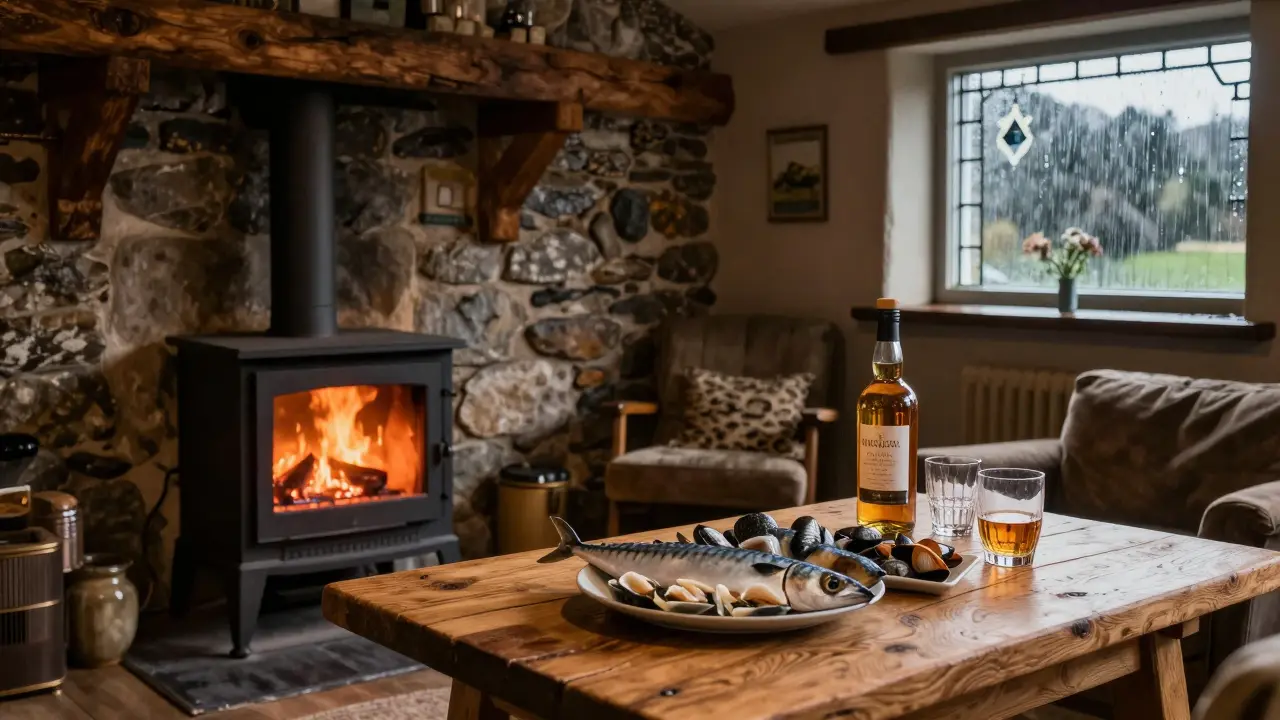
I’ve spent years navigating these routes from my base in Dundee, watching friends struggle with last-minute ferry cancellations and tourists arrive unprepared for the lack of central heating in budget rentals. This guide cuts through the noise. It’s not about listing every Airbnb; it’s about understanding the infrastructure of island living so you can pick the right spot for your specific needs. Whether you want to hike the Old Man of Hoy, surf in Stornoway, or simply drink whisky by a fire in Lewis, your accommodation choice dictates your entire trip.
The Golden Rule: Book Early or Don’t Go
There is no such thing as a spontaneous trip to the Scottish islands in summer. The high season runs from late May to early September. During this window, availability evaporates weeks before arrival. In places like Islay or Westray, you might see bookings close up to twelve months in advance. For the rest of the islands, six months is a safe baseline.
Why is it so tight? Because many accommodations are secondary homes for islanders who only rent out during their absence, or small family-run B&Bs that cannot scale up quickly. There are no big hotel chains dropping new properties onto these shores overnight. When you see a listing, it’s likely the only one of its kind in that village. If you miss it, you’re either paying double for a last-minute cancellation or sleeping in a car on a layby.
- Peak Season (June-August): Book 6-12 months ahead. Prices are at their highest.
- Shoulder Season (May, September): Book 3-4 months ahead. Better rates, but still risky for popular spots.
- Winter (October-April): Book 1-2 months ahead. Many places close entirely. Check if the property has heating and if ferries are running.
Orkney: Practicality Meets Heritage
Orkney feels different from the rest of Scotland. It’s flatter, greener, and the light lasts longer in summer. The capital, Kirkwall, is the hub. If you are staying here, you have access to shops, restaurants, and the airport. But the magic is in the villages and the single-track roads leading to Neolithic circles.
Accommodation in Orkney tends to be practical. You’ll find plenty of self-catering cottages converted from old farmhouses. These are often stone-built, meaning they hold heat well but can feel cold if the heating isn’t efficient. Look for properties with wood burners-they’re common and add to the atmosphere. For those wanting convenience, Kirkwall offers a few boutique hotels and B&Bs within walking distance of the waterfront. However, if you plan to visit the mainland islands like Mainland Orkney’s north coast or South Ronaldsay, you need a car. Parking in Kirkwall can be tight, so check if your accommodation has a driveway.
A pro tip: Many Orkney hosts are farmers or fishermen. They respect privacy but love a chat about the weather. Don’t expect five-star concierge service; expect genuine hospitality and maybe a bag of fresh potatoes if you’re lucky.
Shetland: Remote Luxury and Rugged Reality
Shetland is further north than Iceland. The wind is constant, and the landscape is starkly beautiful. Accommodation here reflects that duality. On one hand, you have ultra-luxury lodges catering to birdwatchers and anglers, offering all-inclusive packages that cost more than a week in London. On the other hand, you have basic guesthouses in Lerwick or remote crofts with no signal.
Lerwick is the main town. Staying here gives you access to pubs, museums, and the ferry terminal to the Northern Isles’ smaller islands. But if you want solitude, look towards the Out Skerries or Unst. Properties here are sparse. A cottage in Unst might be the only building for miles. That’s the point. You pay for isolation. Ensure the property has a reliable generator or solar power setup, as grid failures can happen during storms.
Food is a major draw in Shetland. Seafood is incredibly fresh. Choose accommodations that include breakfast or have kitchens equipped for cooking local produce. You’ll find mackerel, haddock, and even shellfish straight from the harbor. Don’t underestimate the importance of a good kitchen when you’re stuck inside for a day due to gale-force winds.
The Hebrides: Diversity Defines the Stay
The Hebrides are not a monolith. They are split into the Inner Hebrides (closer to the mainland) and the Outer Hebrides (the long chain of islands to the west). Your accommodation strategy changes drastically depending on which side you choose.
Inner Hebrides: Accessibility and Charm
Islands like Mull, Iona, and Skye (technically an island but connected by bridge) are busier. Mull is a favorite for campers and caravan owners. The accommodation scene here is mixed. You’ll find charming B&Bs in Tobermory, but prices skyrocket during peak weekends. Skye has seen a boom in glamping pods and luxury cabins, catering to Instagram travelers. While beautiful, these can be pricey and sometimes lack the authentic community feel of older establishments.
If you’re visiting Iona for its abbey, consider staying on Mull or Islay rather than trying to find a bed on Iona itself, which has very limited options. The ferry connections are frequent, making day trips feasible.
Outer Hebrides: Wild and Untamed
The Outer Hebrides-Lewis, Harris, Uist, Barra-are for those who want raw nature. Lewis has the largest population and the airport. Staying in Stornoway means you have supermarkets, petrol stations, and nightlife. Harris is quieter, with stunning beaches like Luskentyre. Accommodation here is often family-run B&Bs or holiday lets. The key difference is pace. Life moves slower. Shops close early. Plan your grocery shopping accordingly.
In Uist and Barra, options are extremely limited. You might find a guesthouse in Tarbert or a cottage in Castlebay. Booking errors here are costly because alternatives are non-existent. Always confirm your booking directly with the host, not just through a platform. Phone calls work better than emails in remote areas.
Type of Accommodation: What Fits Your Style?
| Type | Best For | Pros | Cons |
|---|---|---|---|
| B&B / Guesthouse | Solo travelers, couples, socializers | Local insight, breakfast included, cheaper | Less privacy, fixed meal times |
| Self-Catering Cottage | Families, groups, cooks | Flexibility, space, kitchen access | Need to shop/cook, cleaning fees |
| Hotel | Convenience seekers, business travelers | Reliable amenities, reception, dining | Expensive, fewer options on islands |
| Campsite/Caravan | Budget travelers, outdoors enthusiasts | Cheapest option, immersion in nature | Weather dependent, facilities vary |
Hotels are rare outside of Kirkwall, Lerwick, and Stornoway. If you value reliability, stick to these hubs. B&Bs are the backbone of island tourism. They offer warmth and connection. Self-catering is essential if you’re traveling with kids or dietary restrictions. Campsites are plentiful in the Inner Hebrides but scarce in the North. Always check if a campsite has electric hook-ups if you’re bringing a van.
Logistics: Ferries, Flights, and Connectivity
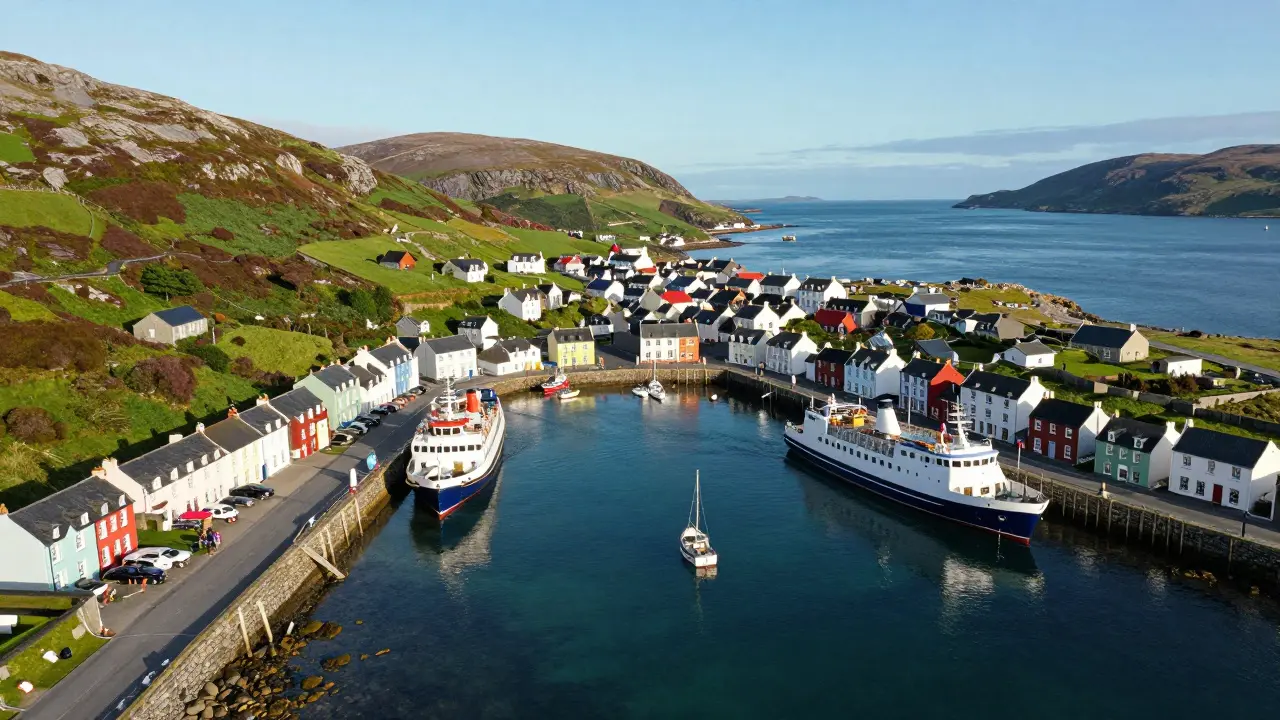
Your accommodation must align with your transport method. If you’re driving, ensure your rental car company allows cross-border travel and check insurance for island ferries. CalMac ferries serve the Hebrides. Caledonian MacBrayne tickets can sell out weeks in advance. Book them simultaneously with your accommodation.
Flights are faster but expensive. Loganair operates services to Orkney, Shetland, and the Hebrides. Baggage limits are strict. If you’re staying in a remote cottage, you’ll need to carry your own supplies. No delivery drivers will venture down single-track tracks in heavy rain.
Connectivity is a growing issue. While mobile coverage has improved, broadband speeds in rural cottages can be sluggish. If you need to work remotely, ask specifically about fiber optic or satellite internet. Don’t assume "Wi-Fi" means usable speed. Test it if possible, or read recent reviews mentioning work setups.
Budgeting for Island Life
Expect to pay more than on the mainland. Transport costs add up. Fuel is pricier due to delivery charges. Food imports increase grocery bills. A night’s stay in a mid-range B&B in Orkney might cost £80-£120 per person, including breakfast. In Shetland, luxury lodges can exceed £300 per night. Budget campsites charge £15-£25 per pitch. Factor in these costs early. Don’t let accommodation expenses eat your entire budget, leaving nothing for activities or food.
Look for deals in shoulder seasons. May and September offer similar daylight hours to summer but with fewer crowds and lower prices. Some properties offer discounts for longer stays, especially in winter when demand drops.
Final Thoughts on Choosing Your Base
Choosing where to stay in Scotland’s islands is about prioritizing your experience. Do you want convenience and culture? Stick to the capitals: Kirkwall, Lerwick, Stornoway. Do you want wildness and silence? Head to the outer reaches: Unst, Uist, Harris. Are you on a budget? Consider camping or self-catering with a packed fridge. Whatever you choose, book early, pack for wind, and embrace the unpredictability. That’s what makes island life unforgettable.
How far in advance should I book accommodation in Orkney, Shetland, and the Hebrides?
For peak season (June-August), book 6-12 months ahead. Popular spots like Islay or Westray may require 12 months. Shoulder season (May, September) needs 3-4 months. Winter bookings can be made 1-2 months ahead, but verify availability as many places close.
Are there hotels on all the Scottish islands?
No. Hotels are concentrated in the main towns: Kirkwall (Orkney), Lerwick (Shetland), and Stornoway (Outer Hebrides). Smaller islands rely on B&Bs, guesthouses, and self-catering cottages. Remote islands may have no commercial lodging at all.
What is the best type of accommodation for families with young children?
Self-catering cottages are ideal. They provide space, kitchen facilities for preparing child-friendly meals, and flexibility with schedules. Look for properties with fenced gardens or proximity to calm beaches. Avoid steep, isolated locations if safety is a concern.
Can I find Wi-Fi suitable for remote work on the islands?
Coverage varies. Mainland-connected islands and larger towns generally have decent broadband. Remote cottages may rely on satellite or mobile hotspots, which can be slow. Always ask hosts specifically about internet speed and reliability before booking if you need to work online.
Is it cheaper to stay in Orkney, Shetland, or the Hebrides?
Orkney and the Inner Hebrides tend to have more competitive pricing due to higher supply. Shetland and the Outer Hebrides often command premium prices for limited inventory, especially for luxury lodges. Budget options like camping are cheapest across all regions, but availability is lowest in the North.
Do I need a car to explore the islands?
Yes, a car is highly recommended. Public transport is limited and infrequent, especially in rural areas. Having a vehicle allows you to reach remote attractions, buy groceries, and escape bad weather. Rentals should be booked in advance due to limited stock on islands.
What should I pack for island accommodation?
Pack waterproof layers, sturdy boots, and warm clothing regardless of season. Wind and rain are constant factors. Bring cash for small shops that may not accept cards. If staying in a self-catering property, bring essential toiletries and snacks, as local stores may have limited selections.
Are there any pet-friendly accommodations on the islands?
Yes, many B&Bs and cottages welcome pets, especially in rural areas. However, always confirm directly with the host. Some properties have restrictions on size or breed. Pet-friendly campsites are also available, particularly in the Inner Hebrides.