
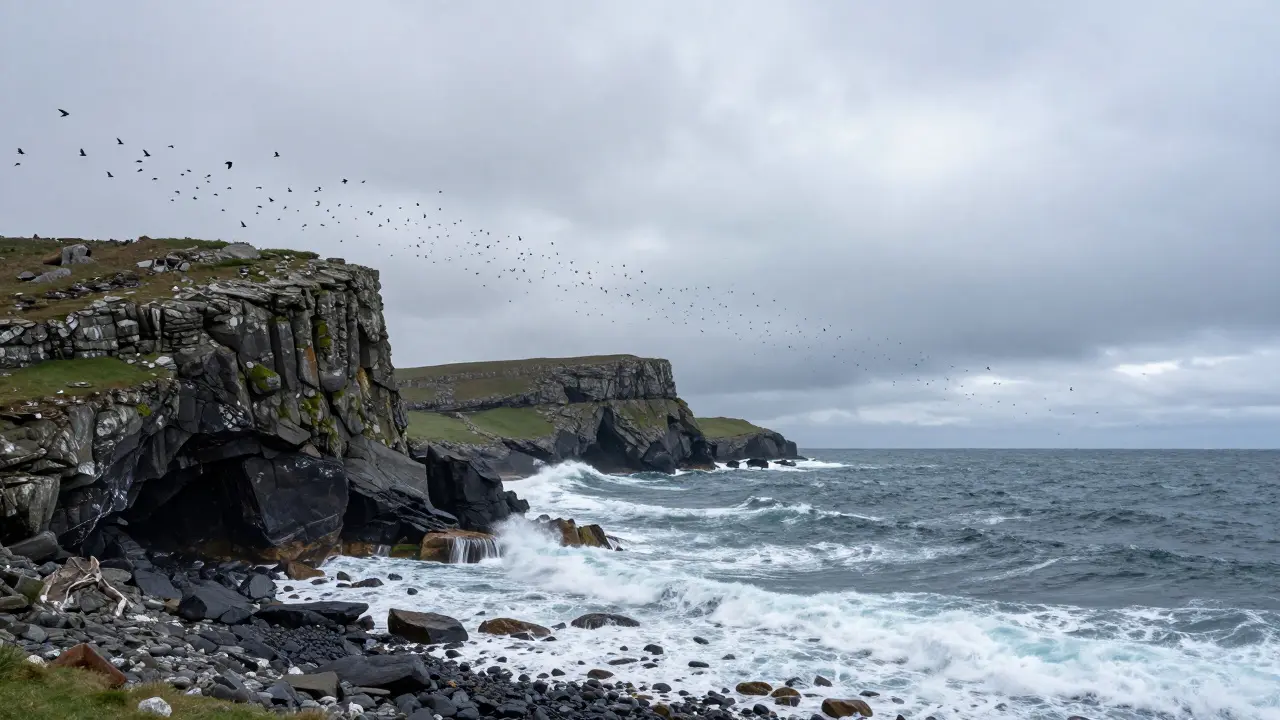
Scotland transforms into a living corridor for millions of birds every spring. From the rocky shores of the Hebrides to the sheltered bays of Fife, the coastline becomes a bustling highway for species returning from winter grounds across Europe and Africa. Understanding spring bird migration in Scotland means knowing when to look, where to stand, and what signals the arrival of these seasonal travelers.
The Timing Window: March to May
You don't need a calendar to know when migration peaks; you just need to watch the weather. The main surge happens between mid-March and late April. This is when daylight stretches enough to trigger hormonal changes in birds like the Puffin and Gannet. However, timing isn't fixed. A warm spell in February can bring early arrivals, while a cold snap in April might delay them by weeks. If you're planning a trip, aim for the second week of April for the highest probability of seeing active colonies. By May, most seabirds are settled on their nests, shifting from noisy courtship displays to quieter incubation duties.
Coastal Hotspots: Where the Action Is
The coast is the front line for migrating birds. Inland sites offer good views of landbirds, but the drama of spring migration plays out at sea. Key coastal areas include:
- Fair Isle: Located between the Shetlands and Orkney, this tiny island is one of the best bird observatories in the world. It sits directly on the flight path for birds moving north from Scandinavia and Iceland.
- Machair Cliffs (Western Isles): The flat, grassy cliffs here host massive numbers of Manx Shearwater and Storm Petrel, which return at dusk to breed.
- North Sea Coast (Berwickshire to Aberdeenshire): This stretch attracts large flocks of waders like the Curlew and Redshank as they move up the coast before settling into breeding territories.
If you are based near Dundee, head to the Broughty Island or the Tay Estuary. These spots regularly see thousands of migratory ducks and geese passing through. The mudflats provide essential feeding stops for birds exhausted from crossing the North Sea.
Island Colonies: The Seabird Spectacle
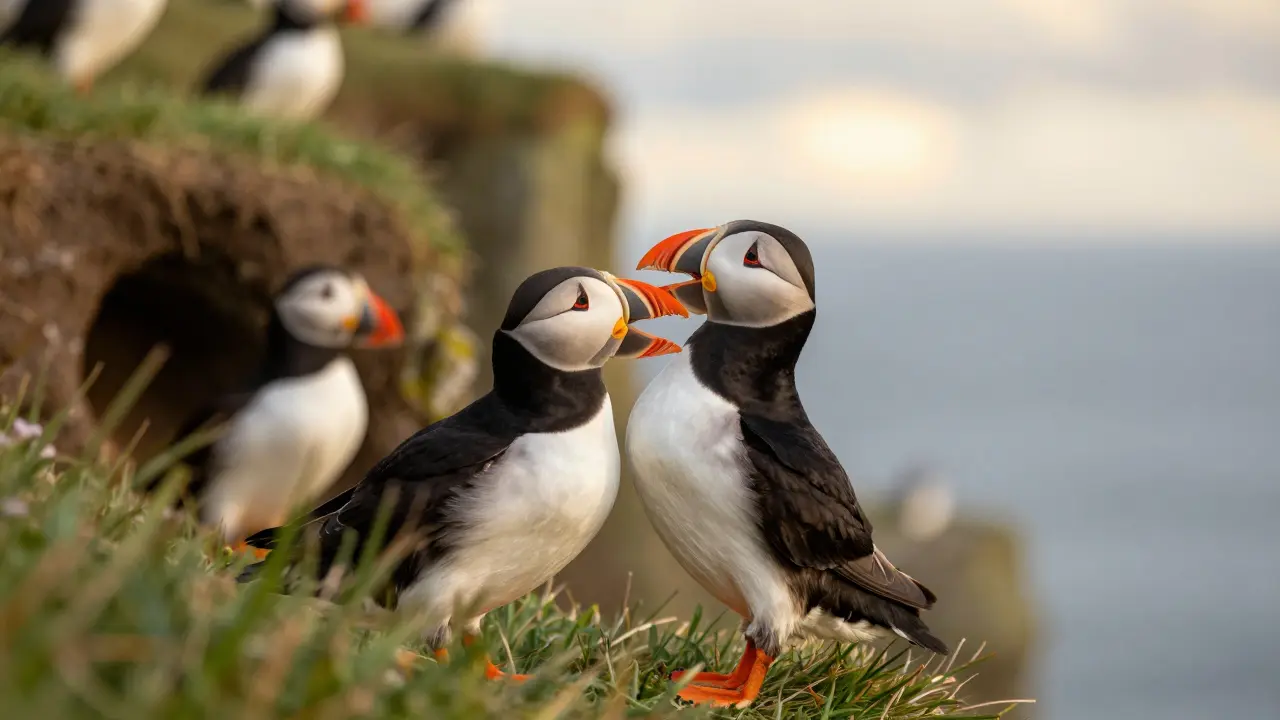
Islands are critical because they offer safety from ground predators. When you visit places like Skomer, Mull, or the Shetland Islands, you aren't just seeing individual birds; you're witnessing complex social structures. The Atlantic Puffin arrives in April, engaging in elaborate bowing rituals to re-establish pair bonds. Their arrival is often signaled by loud squawking that echoes off the cliffs.
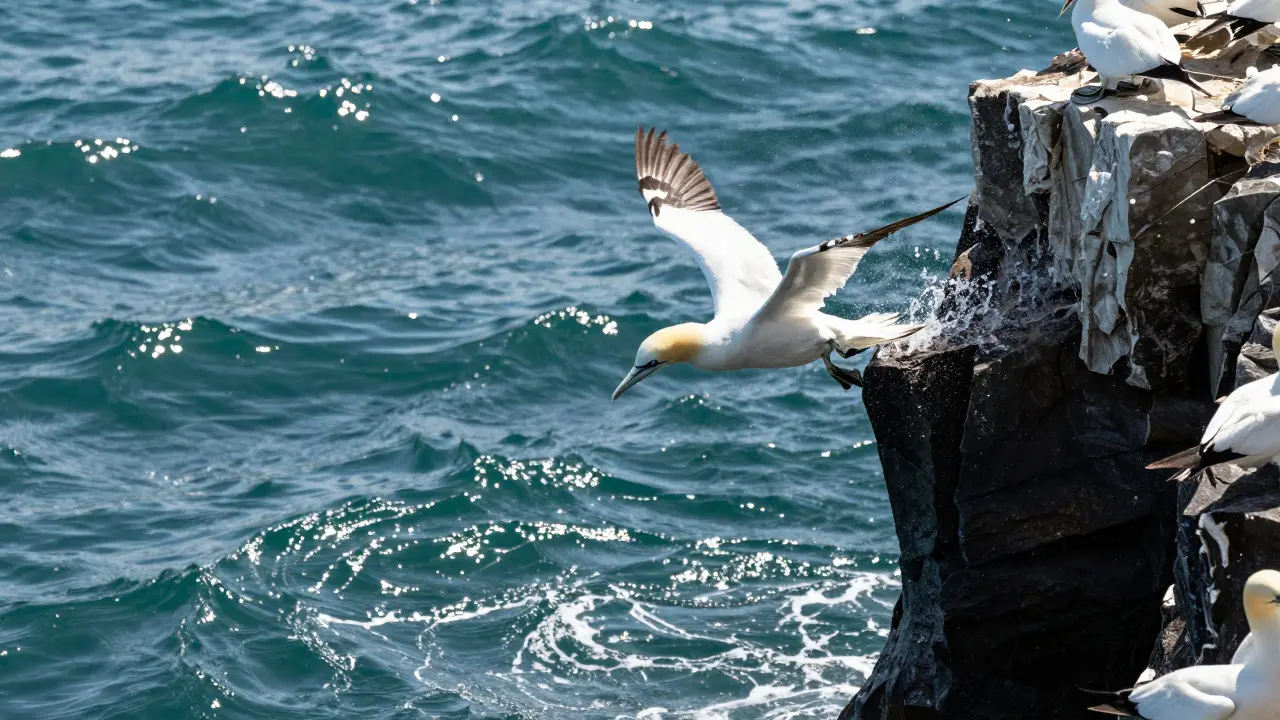
Another key species is the Northern Gannet. They dive from heights of over 100 feet to catch fish, creating spectacular splashes that draw photographers from miles away. On islands like Fair Isle, you can also spot rarer visitors such as the Temminck's Stint or Sanderling, which pass through rather than stay to breed. These "passage migrants" rely on specific tidal conditions to feed, making tide tables essential tools for any serious birder.
Landbirds vs. Seabirds: Different Strategies
Not all migrating birds follow the same path. While seabirds stick to the coast, landbirds use different routes. The Blackcap, once a rare visitor, now arrives in significant numbers from Central Europe, often appearing in gardens across Scotland by late April. They prefer hedgerows and woodland edges.
Waders like the Lapwing and Snipe arrive earlier, sometimes in February, claiming territory on open moors and wetlands. Their presence is marked by distinctive calls-the Lapwing's curdling cry is unmistakable. Unlike seabirds, which nest in dense colonies, these landbirds spread out, making them harder to spot unless you know where to listen. Always walk slowly and scan the horizon rather than focusing on the ground immediately beneath your feet.
Weather Patterns and Migration Surges
Wind direction dictates migration speed. Southerly winds push birds northward quickly, leading to "superb days" where thousands pass through in hours. Northerly winds cause delays, forcing birds to wait inland or along sheltered bays. Check the Met Office forecast for wind direction, not just temperature. A strong south-south-west wind in March is your green light to head to the coast.
Rainfall also matters. Heavy rain can halt migration temporarily, as birds seek shelter. Conversely, clear skies after a storm often trigger a burst of activity. Keep an eye on local bird observatory reports online; groups like the Scottish Ornithologists' Club publish daily sightings that help pinpoint hotspots.
| Species | Typical Arrival | Preferred Habitat | Best Viewing Spots |
|---|---|---|---|
| Puffin | Mid-April | Cliff burrows | St Kilda, Skomer, Bass Rock |
| Gannet | Early April | High cliff ledges | Fowlsheugh, Fair Isle |
| Manx Shearwater | May | Open ocean/night landing | Lewis, Harris |
| Blackcap | Late April | Hedgerows/Gardens | Inland woodlands, parks |
| Curlew | February-March | Coastal mudflats | Tay Estuary, Moray Firth |
Practical Tips for Ethical Observation
Birds are sensitive to disturbance, especially during nesting. Stay on designated paths and keep a safe distance-usually at least 50 meters from active colonies. Use binoculars with high magnification (8x42 or 10x50) rather than approaching closer. Noise disrupts mating calls and can cause adults to abandon nests. If you're visiting islands, check if permits are required; some reserves limit visitor numbers to protect fragile ecosystems.
Dress in muted colors to blend into the landscape. Bright jackets scare birds and reduce your chances of close observation. Bring a notebook or use a birding app to log sightings; this helps track patterns and contributes to citizen science projects like the British Trust for Ornithology surveys.
Why Spring Migration Matters
These annual journeys are indicators of environmental health. Declining numbers of certain species, such as the Common Tern, signal issues with fish stocks or habitat loss. Monitoring migration helps scientists understand climate change impacts. For example, earlier springs have caused mismatches between peak insect availability and chick hatching times, affecting survival rates. By observing these patterns, you contribute to a larger understanding of ecological balance.
When is the best time to see puffins in Scotland?
The best time is from mid-April to July. Puffins arrive in mid-April to establish territories and mate. Chicks hatch in June, so July offers opportunities to see young birds learning to fly. However, crowds are largest then, so April-May provides better access and less pressure on the birds.
Do I need special equipment for birdwatching?
Good binoculars are essential. An 8x42 model offers a wide field of view and bright images, ideal for coastal conditions. A spotting scope is useful for distant seabirds but requires a tripod. Dress warmly and wear waterproof gear, as Scottish weather changes rapidly.
Can I visit bird colonies without a guide?
Some sites allow independent access, like parts of the Tay Estuary or public beaches. However, many island colonies require guided tours or permits to prevent disturbance. Always check local regulations before visiting protected areas.
Which birds migrate through Scotland but don't breed here?
Passage migrants include species like the Sanderling, Temminck's Stint, and various warblers. These birds stop briefly to refuel before continuing north to Arctic breeding grounds. They are most visible in spring and autumn along coastal flyways.
How does climate change affect spring migration?
Warmer temperatures cause earlier springs, leading to mismatches. Birds may arrive too late for peak food supplies, reducing chick survival. Some species are adjusting their timing, but others struggle to adapt, resulting in population declines.