
Planning a trip from Edinburgh to the Isle of Skye? Choosing the right transport option can make your journey smooth and enjoyable. Whether you're a first-time visitor or a seasoned traveler, knowing the best ways to get there is key. Let's explore the train, bus, and car rental choices available in Edinburgh to Skye travel for 2026.
Train Options
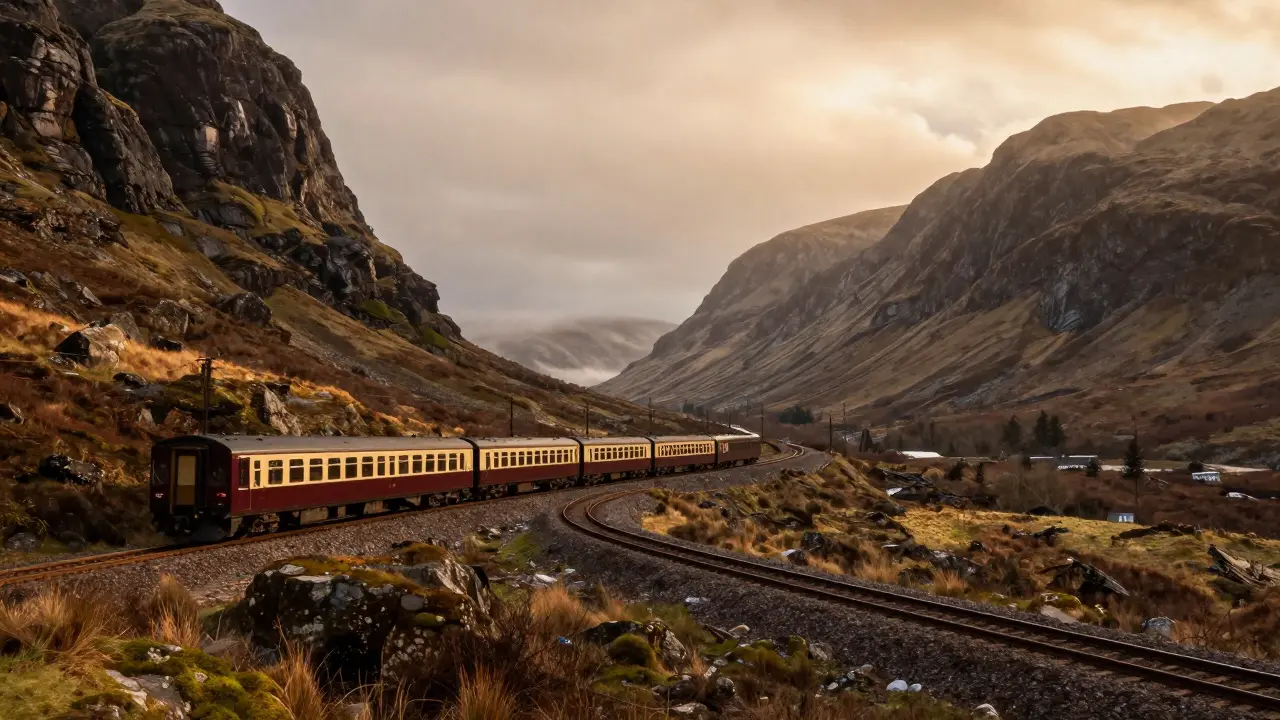
ScotRail operates the train services from Edinburgh to Skye. The journey starts at Edinburgh Waverley Station. You'll take a train to Glasgow Queen Street first, then transfer to the West Highland Line heading to Kyle of Lochalsh. This route covers some of Scotland's most breathtaking scenery, including Loch Lomond and the dramatic Glen Coe valley. The total travel time is about 4 hours and 15 minutes. Ticket prices vary, but booking in advance can get you fares as low as £35. Remember, the final leg from Kyle of Lochalsh to Skye requires a short drive across the Skye Bridge. There's no direct train to Skye itself-the bridge connects the mainland to the island. Trains run multiple times daily, but schedules can be limited on weekends. For example, the morning departure from Edinburgh leaves at 7:45 AM, arriving in Kyle around 12:00 PM. If you miss the last train, you'll need to spend the night in Kyle or nearby.
Bus Options
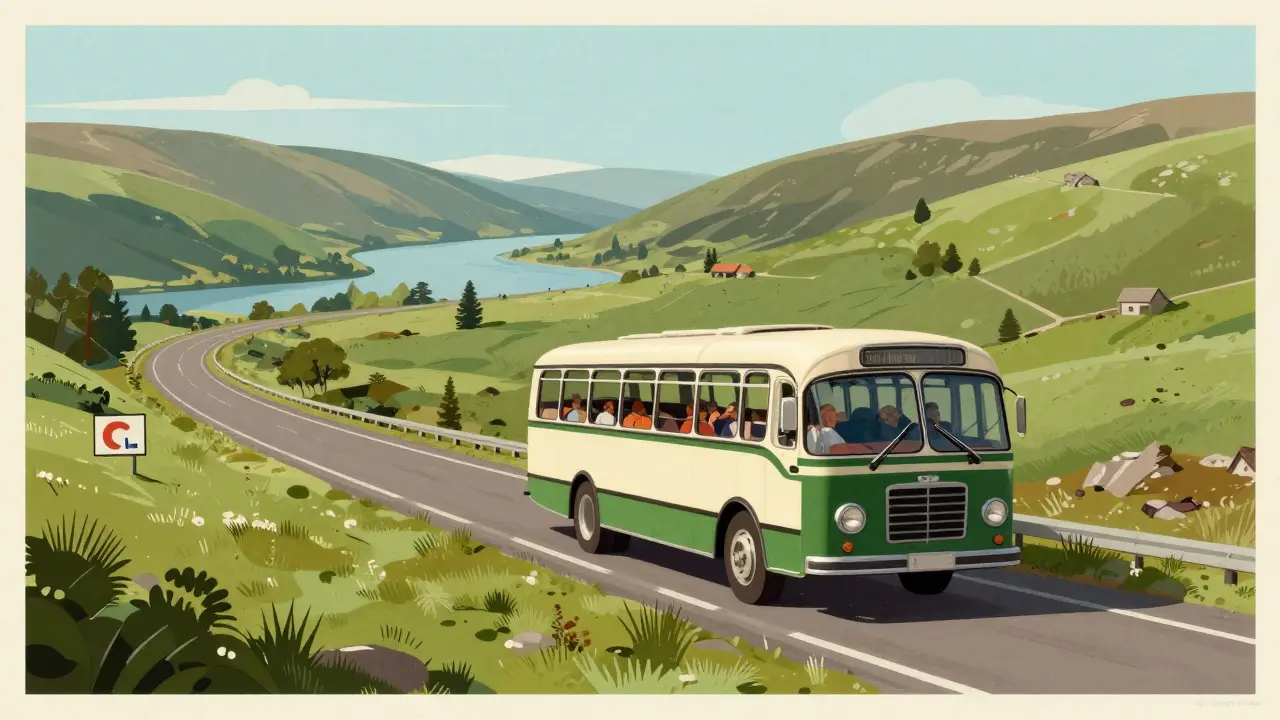
Scottish Citylink offers bus services from Edinburgh to Inverness, with connections to Kyle of Lochalsh. The total journey takes approximately 6 hours. A one-way ticket usually costs between £25 and £40. While buses are cheaper than trains, they don't offer the same scenic views. However, they're a solid budget-friendly option. You can book tickets online through Citylink's website or at the bus station. Just be aware that bus schedules may be affected by road conditions, especially in winter. The Citylink service 905 runs from Edinburgh to Inverness, departing hourly. From Inverness, you'll transfer to service 903 or 905 to Kyle of Lochalsh. This leg takes about 1.5 hours. Total travel time includes waiting for connections, so plan accordingly. Bus stops in Edinburgh are at St Andrew Square or Haymarket, while in Inverness, it's at the main bus station.
Car Rental
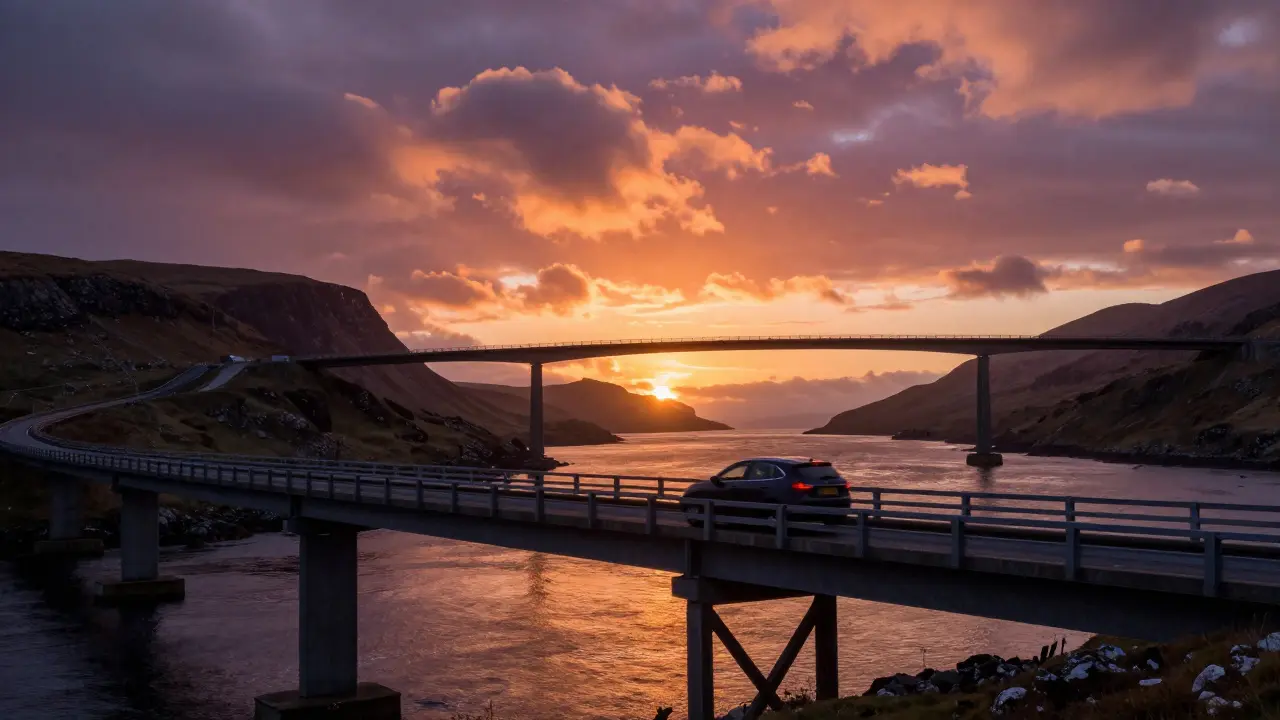
Renting a car in Edinburgh gives you complete flexibility. Major companies like Hertz and Enterprise have locations at Edinburgh Airport and in the city center. The drive to Skye takes about 4 to 5 hours via the A9 highway. You'll pass through Perth, Inverness, and then head west to Kyle of Lochalsh. The Skye Bridge is toll-free, so no extra fees. Rental prices start at £40 per day, but add insurance and fuel costs. This option is perfect if you plan to explore Skye's remote areas or want to stop along the way for photos. Just remember to check road conditions before driving, especially in winter. The A9 is a major highway, but parts of it are single-lane with heavy truck traffic. If you're driving in winter, ensure your rental car has winter tires. Also, parking in popular spots like the Old Man of Storr can fill up quickly in summer-arrive early to secure a spot.
Transport Options Compared
| Option | Travel Time | Cost (2026) | Flexibility | Scenery |
|---|---|---|---|---|
| Train | 4-5 hours | £35-£60 | Fixed schedules | Mountain and coastal views |
| Bus | 5-6 hours | £25-£40 | Limited flexibility | Scenic but slower |
| Car Rental | 4-5 hours | £40+/day | Maximum flexibility | Custom stops and views |
Practical Tips for Your Journey
Before you set off, here are some key tips. Book your tickets early-especially for trains and buses-to lock in lower prices. Skye's weather changes quickly, so pack waterproof clothing and sturdy shoes. If driving, check road conditions on the A9, as winter storms can cause delays. Also, consider renting a car with four-wheel drive if you plan to visit remote parts of Skye. For train and bus travelers, remember that the last connection from Kyle to Skye is early evening, so plan accordingly. And don't forget: the Skye Bridge is toll-free, so no extra fees when crossing. If you're traveling with children, bring snacks and entertainment for the long journey. Finally, consider staying overnight in Inverness or Fort William if you're driving and want to break up the trip.
Frequently Asked Questions
Is there a direct train from Edinburgh to Skye?
No, there's no direct train to the Isle of Skye itself. The train ends at Kyle of Lochalsh on the mainland. From there, you'll need to drive across the Skye Bridge to reach the island. The journey typically involves a transfer at Glasgow Queen Street to the West Highland Line. The West Highland Line is one of Scotland's most scenic rail routes, passing through the Highlands. However, it's a single-track line with limited departures, so checking schedules in advance is crucial. If you miss the last train, you may need to stay overnight in Kyle or nearby.
What's the cheapest way to get to Skye?
Taking the bus is usually the cheapest option. Scottish Citylink offers one-way fares from £25. However, prices can vary based on booking time and availability. Train tickets can sometimes be cheaper if booked well in advance, but generally, buses are more budget-friendly.
Do I need a car on Skye?
While not absolutely necessary, having a car makes exploring Skye much easier. Public transport on the island is limited, and many attractions like the Cuillin Mountains or the Quiraing are hard to reach without a vehicle. If you're staying in Portree, you might manage with buses, but for full exploration, a rental is recommended.
Can I take a bike on the train or bus?
Yes, most ScotRail trains allow bikes for free, but you may need to reserve space in advance. Scottish Citylink buses also carry bikes, though there's limited space and you should check their policy beforehand. Always confirm with the operator before your trip.
Are there any tolls on the Skye Bridge?
No, the Skye Bridge has been toll-free since 2004. You can cross it without paying any fees, making driving to Skye more convenient and cost-effective.
What's the best time to visit Skye?
Summer (June to August) offers the longest daylight hours and mildest weather, but it's also the busiest season. For fewer crowds and stunning autumn colors, consider September or October. Winter travel is possible but requires extra planning-snow and ice can make roads tricky, and some attractions may close. Always check weather forecasts before your trip.
Comments (12)
-
saravana kumar February 6, 2026
ScotRail's train service from Edinburgh to Kyle of Lochalsh is woefully inadequate. The schedule is inconsistent, particularly on weekends. Transferring at Glasgow Queen Street is unnecessarily cumbersome. The bus options are unreliable and lack scenic value. Car rental is the best choice despite winter hazards on the A9. The Skye Bridge toll-free policy is a relief, but infrastructure improvements are needed. The current system fails to meet the needs of tourists and locals alike. This is a clear case of poor planning by the authorities. The lack of direct services is unacceptable. Travelers should demand better options. The entire transport infrastructure in Scotland needs a complete overhaul. Proper investment is required to enhance connectivity. It's frustrating to see such a beautiful route with such poor service. The government must prioritize this corridor. Local businesses suffer due to inadequate transport links. This situation is unacceptable for a country that prides itself on tourism.

-
Tamil selvan February 7, 2026
This guide is incredibly thorough and well-researched! It provides all the necessary details for travelers. However, I would recommend checking the latest schedules, as they may have changed. Additionally, it's important to note that the bus service can be affected by weather conditions, especially in winter. The train route through Glen Coe is breathtaking, and it's worth the extra time. Overall, this is a fantastic resource for planning your trip to Skye. I appreciate the detailed comparison table. It makes choosing the right transport option much easier. Thank you for sharing this information. The inclusion of FAQs is particularly helpful for first-time visitors. It's clear that a lot of effort has gone into compiling this guide. I hope more people use this resource before traveling. The information on car rental insurance is also very useful. Well done on creating such a comprehensive guide! I especially like the practical tips section-it's very actionable.

-
Kieran Danagher February 9, 2026
Oh, sure, ScotRail is terrible. What a shock! But let's not forget that the West Highland Line is one of the most scenic routes in the world. Maybe you'd rather have a boring drive? The bus might be slower, but it's cheaper. Car rental is great if you have the money, but not everyone does. Just saying. The fact is, the train offers a unique experience that you can't get from a car. Plus, you don't have to worry about driving on single-lane roads. And the scenery along the route is worth every minute. If you're complaining about the schedule, maybe you should have booked earlier. It's not that complicated. The system works fine if you plan ahead. But hey, what do I know? The real issue is that people expect everything to be perfect without understanding the challenges of running services in remote areas. Infrastructure in the Highlands is difficult to maintain. It's not like the train runs through flat farmland. It's mountainous terrain. So maybe stop complaining and appreciate what we have.

-
poonam upadhyay February 10, 2026
Ugh, this is so naive! You think the West Highland Line is scenic? It's just a slow, unreliable service. And you're saying to 'appreciate what we have'? What a joke! The train is always delayed, and the bus is even worse. The car rental companies are ripping people off with hidden fees. This entire system is broken! They don't care about tourists. It's all about money. The government should be ashamed. No wonder Scotland's tourism is suffering. The infrastructure is a disaster. I've been there, and it's awful. You're just a lazy critic who doesn't know anything. This is ridiculous! The fact is, the train schedule is so bad that it's impossible to plan a trip. You have to wait hours for connections. And the buses? They're overcrowded and dirty. Car rentals? The insurance costs are insane. They're just trying to squeeze money out of tourists. This guide is completely misleading. It's a propaganda piece for the transport companies. Everyone knows the truth. The authorities are corrupt. They don't care about the people. It's a shameless scam. I've reported them multiple times, but nothing happens. This system needs to be dismantled. It's not just about transport-it's about systemic corruption. The whole thing is a mess. You should be ashamed for defending it.

-
Mark Brantner February 12, 2026
Car rental is the way to go! Just don't forget to check the tires, 'cause winter driving on A9 is a nightmare, lol. P.S. Did you know the bridge is toll-free? Awesome! Oh, and the scenery is amazin! You'll love it. Just make sure to book early. It's super easy. Trust me, you won't regret it. The A9 is a breeze once you get used to it. Just keep an eye on the weather. And hey, the bus is okay too. But car is better. Definitely! Oh, and the train is great for views, but it's slow. You have to transfer at Glasgow, which is annoying. But if you want to see the highlands, it's worth it. But for flexibility, car is the best. Just make sure you have a good GPS. And don't forget to pack snacks! The drive is long, but so worth it. I did it last summer and it was epic. The views of Glen Coe are unreal. You'll be taking pics the whole way. So yeah, rent a car. It's the way to go!

-
Christina Morgan February 12, 2026
Thanks for the tip about the GPS! I always make sure to have one when driving in Scotland. The scenery along the A9 is truly breathtaking, especially around Glencoe. Booking early is definitely wise, especially during peak season. I've driven this route multiple times and it's always a joy. Just be mindful of the weather-sudden changes can happen. But overall, car rental is the best option for exploring Skye properly. The freedom to stop at viewpoints and hidden gems is unmatched. Highly recommend it! The train is nice for the views, but you're limited to the fixed schedule. With a car, you can take detours and explore the countryside at your own pace. I love how the A9 winds through the Highlands-it's a driver's dream. Just remember to check the road conditions before setting out. Winter driving requires extra caution, but the experience is worth it. The Skye Bridge crossing is smooth and toll-free, which is a huge plus. All in all, this is a fantastic way to experience Scotland's natural beauty.

-
Natasha Madison February 12, 2026
Why is the government not investing more in public transport? It's clear they don't care about Scottish tourism. The Skye Bridge was built by the military to control the area. The train service is a scam to keep people from driving. They want us to rely on them so they can charge more. It's all about control. The bus companies are in cahoots with the government. They're hiding something. I've seen reports of missing tourists. It's a conspiracy. The whole transport system is rigged. You should be suspicious. Don't trust the guides. They're part of the cover-up. The real reason for the delays is to push people into renting cars with hidden fees. It's a money grab. The government is in league with the car rental companies. They want you to pay more. It's all about profit. Don't fall for it!

-
Eka Prabha February 14, 2026
Upon analyzing the systemic issues presented in the previous comment, it is evident that there is a profound lack of regulatory oversight in the transportation sector. The alleged conspiracy theories regarding the Skye Bridge's construction and the purported collusion between government entities and private corporations require empirical validation. However, the absence of verifiable evidence renders such claims speculative at best. The transportation infrastructure's operational inefficiencies are more likely attributable to structural underfunding and bureaucratic inertia rather than deliberate malfeasance. It is imperative to approach such assertions with rigorous skepticism and demand transparent data. Otherwise, we risk propagating misinformation that undermines legitimate concerns. Therefore, while vigilance is warranted, unsubstantiated allegations do not contribute constructively to the discourse. A more productive approach would be to examine historical funding allocations and compare them with infrastructure maintenance records. This would provide a factual basis for any critique. Additionally, consulting with transportation experts would yield more reliable insights than baseless conspiracy theories. It is crucial to base our understanding on evidence rather than emotion. The government's role in infrastructure development is complex, and simplistic narratives often obscure the reality. We must strive for informed discourse grounded in data and expert analysis. Only then can we hope to address the actual challenges facing Scotland's transport network.

-
Mbuyiselwa Cindi February 16, 2026
If you're renting a car, make sure to get a GPS. The roads can be confusing, but it's worth it for the views. Also, check the weather before you go-Skye can be unpredictable. Renting a car gives you the freedom to explore all the hidden spots. Just remember to drive carefully on the single-lane roads. And don't forget to stop at the viewpoints along the way. It's a beautiful drive. I've done it a few times and loved it. The A9 is a great route. Just be prepared for some slow stretches. But the scenery makes it all worth it. You'll have a great time! For winter travel, ensure your rental has winter tires. The roads can get icy, especially in the Highlands. Also, consider booking a car with four-wheel drive if you plan to visit remote areas like the Quiraing. Parking can be tricky in popular spots, so arriving early is wise. Don't forget to pack snacks and water for the drive. It's a long journey, but the experience is unforgettable. Trust me, it's worth every minute. The Isle of Skye is a magical place, and having your own car makes it even better. Enjoy your trip!

-
OONAGH Ffrench February 17, 2026
The freedom of car travel allows for deeper engagement with the landscape However it requires mindfulness of road conditions The Highlands present both beauty and challenge A GPS is prudent but not infallible Weather remains the ultimate variable Each journey is unique The A9's character is shaped by its geography Patience is essential The reward is in the experience itself Not merely the destination This is a lesson in appreciating the process Travel as a philosophical exercise The road as a teacher The car as a vessel The landscape as the lesson It is all interconnected A profound experience awaits those who embrace it The simplicity of the journey is its greatest virtue The mind must be open The heart must be present Such is the nature of travel in the Highlands It is not merely transportation but a state of being A journey of the soul The road teaches humility The landscape humbles The car is merely a tool The experience is the essence This is the truth of travel to Skye

-
Shivam Mogha February 17, 2026
Car rental best option.

-
Kate Tran February 19, 2026
Yes! Car rental is the way to go. Though I've heard the A9 can be busy. But it's worth it for the views. I always check the weather before driving. And make sure to book early. It's super easy. Just be careful on the single-lane roads. And don't forget to stop at the viewpoints. The Skye Bridge is toll-free, which is great. I love driving there. It's beautiful. Definitely recommend it. Oh and the scenery is amazin! You'll love it. Just make sure your car is in good condition. Winter driving can be tricky. But the experience is worth it. Trust me, it's awesome. The A9 is a great route. Just keep an eye on the road. And enjoy the journey. It's a trip of a lifetime.
