
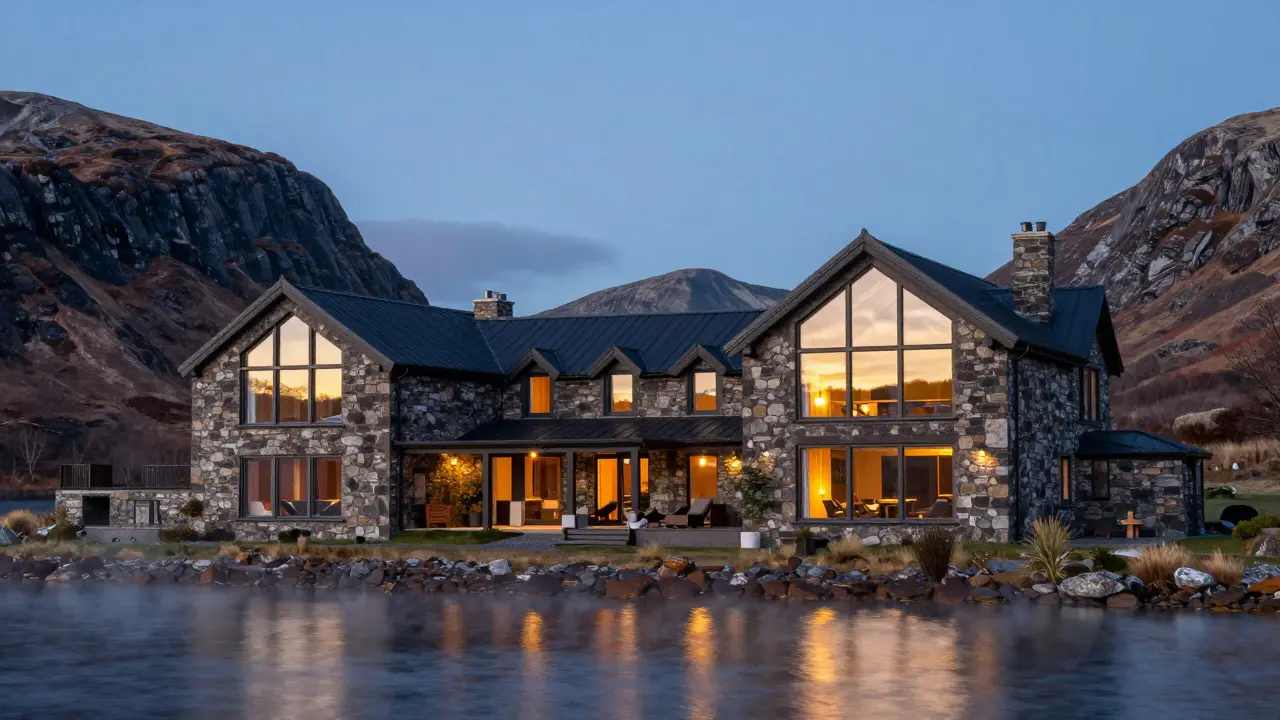
Standing on the edge of a loch in the Scottish Highlands, a vast mountainous region in northern Scotland known for its rugged terrain, deep glens, and historic castles, you realize one thing quickly: where you sleep changes how you experience the land. The options range from five-star luxury lodges to basic stone shelters that rely entirely on your own preparation. Choosing the right place isn't just about comfort; it's about matching your gear, your budget, and your appetite for adventure.
I’ve spent years navigating these landscapes, moving from cozy inn rooms in Dundee to wild camping under stars in the Cairngorms. Whether you are planning a weekend break or a multi-day trek, understanding the hierarchy of Highland accommodation is essential. Let’s look at what each option actually offers you.
The Luxury Experience: Hotels and Lodges
If comfort is your priority, Highland hotels and lodges provide a stark contrast to the wilderness outside. These establishments often sit in prime locations, offering views of mountains like Ben Nevis or the Isle of Skye. A lodge typically implies a more secluded, nature-focused setting compared to a traditional hotel, often featuring larger rooms and private dining experiences.
| Feature | Highland Hotel | Lodge |
|---|---|---|
| Location | Towns or accessible roadsides | Remote, scenic, often off-grid |
| Amenities | Standard hotel facilities (gym, pool) | Spa, fine dining, guided activities |
| Price Range | £150 - £300 per night | £300 - £600+ per night |
| Vibe | Social, busy lobby | Quiet, exclusive, intimate |
Hotels in towns like Aviemore or Fort William offer convenience. You can drop your bags, eat a hearty meal, and head out early. Lodges, however, are destinations in themselves. They often require booking months in advance due to limited capacity. If you want to disconnect without sacrificing hot water or Wi-Fi, this is your zone. Just be prepared for higher costs, as remote logistics drive up prices for food and staff.
Budget-Friendly Stays: Hostels and YHA
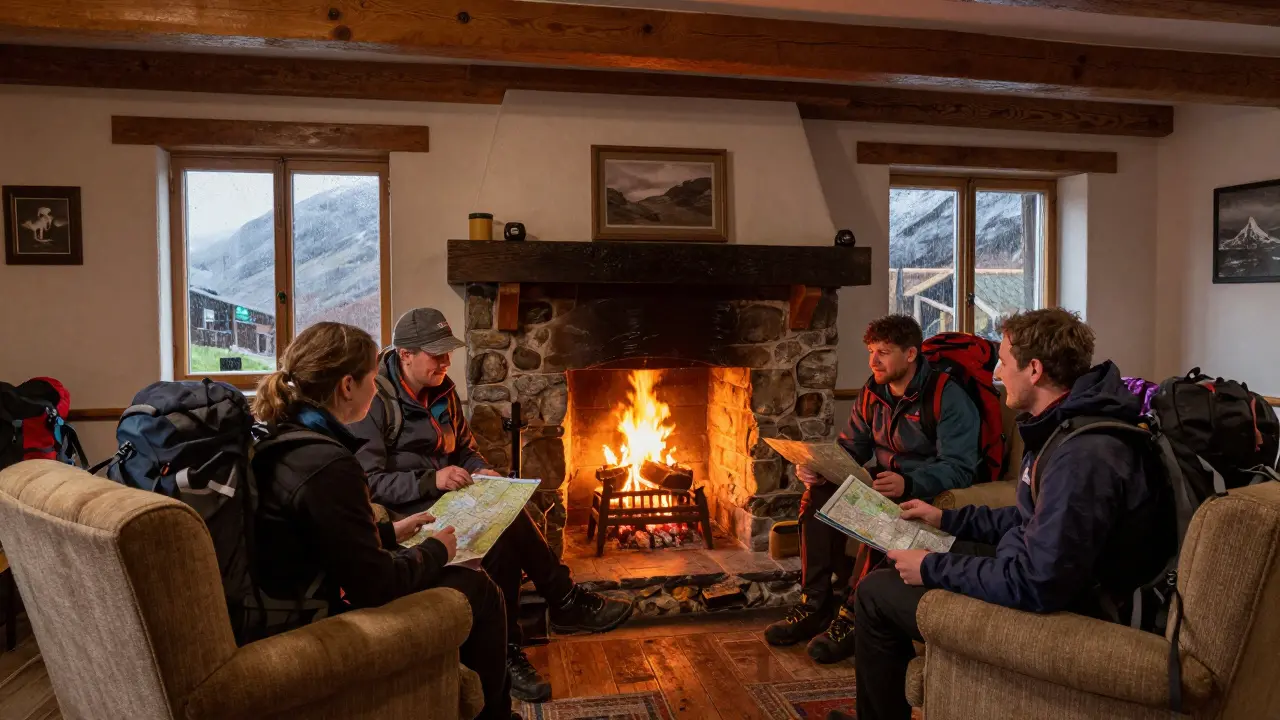
For those who prefer saving money for activities rather than beds, hostels are a staple in the Highlands. The Youth Hostels Association (YHA) runs several properties across the region, including popular spots near Glencoe and Glen Coe. These aren’t just dormitories; many feature shared kitchens, common rooms with fireplaces, and knowledgeable staff who can advise on trail conditions.
- Cost: Expect to pay between £20 and £40 per night for a bed in a shared room.
- Facilities: Most provide bedding, but you may need to bring your own towel.
- Social Aspect: Great for meeting other hikers and sharing route tips.
- Booking: Essential during peak season (July-August); walk-ins are rare.
Hostels strike a balance between independence and community. You get a warm bed and a safe place to store your gear, but you’re still immersed in the travel experience. It’s ideal if you’re hiking the West Highland Way or doing shorter day trips and want to return to a clean, secure environment.
The Wild Card: Scottish Bothies
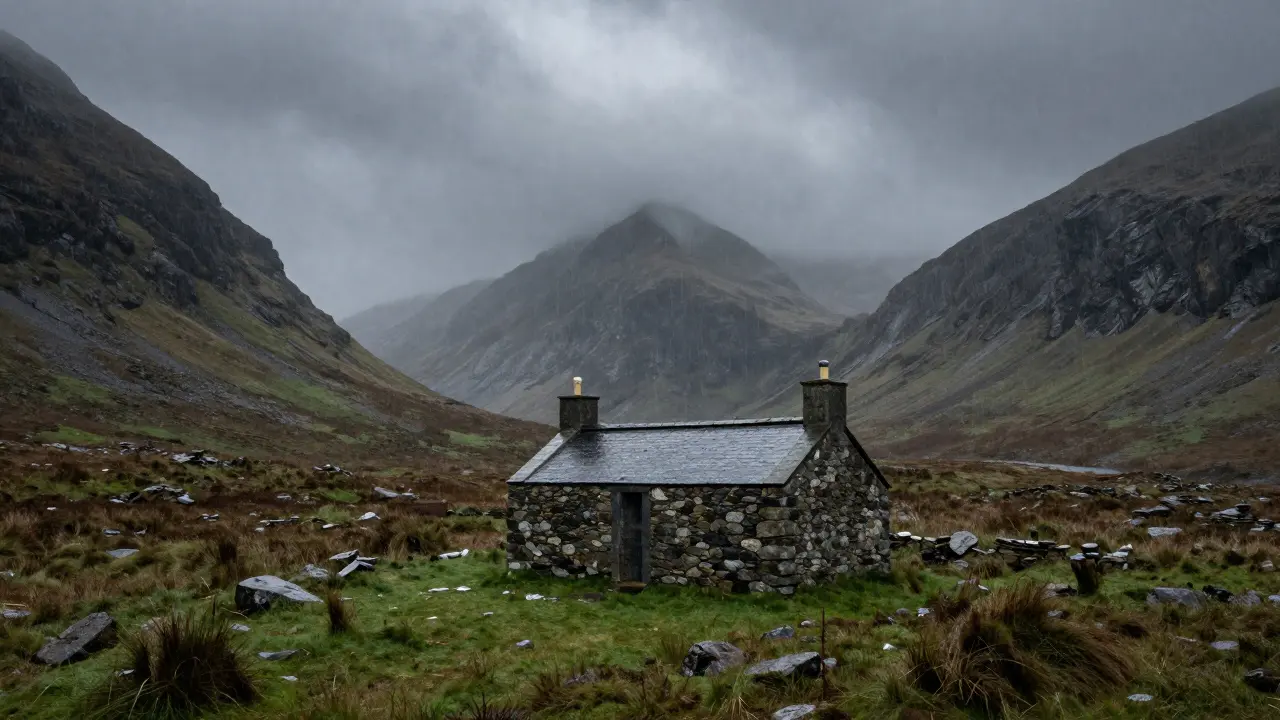
Now we enter the realm of true adventure. Bothies, basic stone shelters maintained by the Mountain Bothies Association for use by walkers and climbers in the Scottish Highlands are free, unlocked, and often located in some of the most dramatic landscapes imaginable. There are no beds-just bunks or floor space-and no electricity. You bring everything: sleeping bag, stove, fuel, and even toilet paper.
Using a bothy requires responsibility. The Mountain Bothies Association (MBA) maintains these structures, but they rely on users to leave them better than they found them. Key rules include:
- Leave no trace: Pack out all trash, including biodegradable waste.
- Sign the logbook: This helps rescue services know who was there.
- Respect others: Keep noise down and share space fairly.
- Prepare for weather: Bothies have roofs, but drafts and dampness are common.
This option is perfect for experienced hikers who want solitude and don’t mind roughing it. It’s not for everyone, but for those who appreciate the raw beauty of the Highlands, staying in a bothy adds a layer of authenticity to the journey. Just remember: if you can’t handle cold nights and self-reliance, skip this one.
Alternative Options: Glamping and Self-Catering Cottages
Between the extremes of luxury lodges and bare-bones bothies lie two growing categories: glamping and self-catering cottages. Glamping, or glamorous camping, offers yurts, tipis, or converted shepherd’s huts with beds and sometimes en-suite bathrooms. It’s a way to enjoy the outdoors without pitching a tent yourself. Prices vary widely, from £80 to £250 per night, depending on amenities like wood-fired hot tubs or private chefs.
Self-catering cottages, often found through platforms like Airbnb or local agencies, provide full independence. You cook your own meals, manage your schedule, and have privacy. This is ideal for families or groups who want flexibility. In the Highlands, many cottages are located near beaches or forests, offering a home-away-from-home feel. However, heating costs can be high, so check if oil or electric heating is included in the price.
How to Choose Your Highland Stay
Your choice depends on three factors: budget, activity level, and tolerance for discomfort. Ask yourself:
- Are you hiking long distances daily? → Hostel or bothy reduces pack weight.
- Do you value privacy and quiet? → Lodge or cottage works best.
- Is this a special occasion? → Splurge on a lodge for memorable service.
- Do you want to save money? → Hostel or glamping offers mid-range options.
Also consider accessibility. Remote lodges and bothies may require 4x4 vehicles or challenging walks to reach. If you’re driving a standard car, stick to towns with hotels or hostels. Always check road conditions, especially in winter when snow can close passes unexpectedly.
Practical Tips for Booking
Book early. The Highland summer season is short and intense. Popular places fill up six months ahead. Use official websites rather than third-party aggregators when possible-it ensures accurate availability and direct communication with hosts. For bothies, no booking is needed, but check the MBA website for current status and access notes.
Pack appropriately. Even in a hotel, evenings can be cool. In a bothy, you need serious gear. Layered clothing, waterproofs, and sturdy boots are non-negotiable. And always carry cash; some remote areas lack card readers.
What is a bothy in Scotland?
A bothy is a basic, free shelter maintained by the Mountain Bothies Association. It provides roof and walls but no furniture, electricity, or running water. Users must bring their own bedding, food, and cooking equipment. It’s designed for hikers seeking solitude in remote areas.
Are Highland hostels safe for solo travelers?
Yes, YHA and independent hostels are generally very safe. They offer lockers, 24-hour reception in some cases, and communal spaces that foster a friendly atmosphere. Solo travelers often find it easier to meet people here than in isolated lodges.
How much does a night in a Highland lodge cost?
Prices start around £300 per night for a double room and can exceed £600 for luxury suites with spa treatments. Many lodges offer packages that include breakfast, dinner, and activities like whisky tasting or guided hikes.
Can I book a bothy in advance?
No, bothies are first-come, first-served. No reservations are accepted. However, checking the Mountain Bothies Association website gives you updates on maintenance closures or access issues before you go.
Is glamping suitable for families in the Highlands?
Absolutely. Many glamping sites offer family-sized yurts or cabins with kitchenettes and heating. It’s a great middle ground for parents who want outdoor immersion without the hassle of traditional camping setup.
Comments (12)
-
Geet Ramchandani May 11, 2026
I find the entire premise of this article to be deeply irritating and fundamentally flawed in its presentation of basic travel logistics. It is absolutely exhausting to read such a tedious, over-complicated breakdown of what should be simple choices for anyone with even a modicum of common sense regarding accommodation. The author seems to labor under the delusion that readers are incapable of distinguishing between a hotel and a hut without a lengthy, patronizing essay on the subject. Why must we endure such verbose drivel when a single sentence could suffice? It is a waste of time and energy to parse through these unnecessary details about 'vibes' and 'hierarchies' as if they are matters of life and death rather than mere preferences. I am frankly bored by the repetitive nature of the advice given, which circles around the same obvious points without adding any genuine insight or value to the discussion. One has to wonder why so much effort is expended on writing something that offers nothing new to the experienced traveler. It is just another example of modern content creation where quantity and length are mistaken for quality and depth. I cannot believe people actually read this stuff instead of just looking at a map and booking whatever is available. The whole thing feels like a pretentious attempt to elevate mundane decisions into some grand philosophical journey. Honestly, it is just lazy journalism disguised as comprehensive guidance.

-
Kayla Ellsworth May 13, 2026
Oh please, spare me the romanticized notion that sleeping in a damp stone box makes you more connected to nature.

-
Soham Dhruv May 13, 2026
hey guys i totally get the bothy hype but honestly if u r not used to camping rough it might be a bit much lol. i stayed in one near glencoe last year and it was cool but my back was killing me from the hard floor. maybe try a hostel first to test the waters? no pressure tho just sharing my experience. hope yall have fun out there!

-
Jane San Miguel May 14, 2026
It is quite amusing to observe the casual disregard for proper etiquette and historical context displayed in this thread. The Highland experience is not merely about 'roughing it' for the sake of social media clout; it is an immersion into a culture that demands respect and a certain level of sophistication. Those who choose the budget options often fail to appreciate the nuances of the region's heritage, reducing their journey to a mere checklist of discomforts endured. A true connoisseur of travel understands that luxury lodges offer not just comfort, but a curated engagement with the landscape that is inaccessible to the uninitiated. To suggest that a bothy provides an 'authentic' experience is to ignore the centuries of stewardship required to maintain such structures. One does not simply 'drop in' on history without preparation or reverence. The elitism here is not about wealth, but about the appreciation of quality and the understanding of what constitutes a refined travel experience. Let us not confuse poverty with virtue.

-
Pooja Kalra May 16, 2026
The essence of the Highlands is found in silence, not in the noise of your own complaints about cold floors. When you sit in a bothy, you are not just sheltering from rain; you are participating in a dialogue with the land itself. Most travelers miss this because they are too busy documenting their misery for others to see. True understanding comes from solitude, from the moment when the wind howls and you realize your insignificance. This is the lesson the mountains teach, if only you are quiet enough to listen.

-
Sumit SM May 17, 2026
Indeed!; the philosophical implications of shelter are profound!; one must consider:; what is a roof?; is it merely protection?; or is it a symbol of human defiance against entropy?; the bothy represents the ultimate reduction of self!; stripping away the comforts of civilization to reveal the raw core of existence!; do you seek warmth?; or do you seek truth?; the lodge offers distraction!; the bothy offers clarity!; think about it!;

-
Kasey Drymalla May 17, 2026
they dont want you to know the truth about the bothies. its all part of a bigger plan to keep us weak and dependent on the grid. once you sleep in those places you start seeing things. the government uses them to track hikers with hidden cameras in the walls. dont fall for the marketing hype. stay in hotels where you can control the narrative. trust no one.

-
Dave Sumner Smith May 18, 2026
You are clearly ignorant of the legal frameworks surrounding these shelters. The Mountain Bothies Association operates under strict guidelines that you seem to overlook. Do not spread misinformation about surveillance devices; it is baseless and annoying. I have been to three different bothies and never seen a camera, only rats and damp wood. Stop making up conspiracy theories to make yourself feel important. You need to educate yourself before commenting on topics you clearly do not understand.

-
Jen Deschambeault May 19, 2026
Just go for it! You will love the challenge. Embrace the adventure!

-
Bob Buthune May 20, 2026
I just spent three nights in a bothy and honestly it drained every ounce of energy I had left 😩😩😩. I felt so alone and exposed to the elements that I couldn't stop thinking about how vulnerable we really are. The cold seeped into my bones and stayed there for days after I returned to civilization. It was beautiful in a terrifying way, but I missed having someone to talk to, someone to validate my feelings about the experience. Without that connection, the beauty felt hollow and distant. I keep dreaming about the sound of the rain on the roof, but also about the silence that followed. It’s strange how a place can leave you feeling so empty yet so full of memories. I don’t think I could do it again without bringing a friend to share the burden of the solitude. The isolation is heavy, heavier than any backpack I’ve ever carried. 🌧️🏔️💔

-
Cait Sporleder May 22, 2026
One must ponder the intricate tapestry of choices presented herein, for each option reflects a distinct facet of the human desire for connection with the natural world. The luxury lodge, with its plush linens and gourmet meals, offers a sanitized version of wilderness, a gilded cage where one observes nature through thick glass panes. Conversely, the bothy presents a stark, unadorned encounter with reality, where the wind sings lullabies of desolation and the stars shine with indifferent brilliance. To choose between them is to choose between comfort and authenticity, between the curated experience and the raw, unfiltered truth of existence. I find myself drawn to the latter, for it challenges the soul in ways that soft pillows never could. Yet, I acknowledge the allure of the former, for even the most intrepid spirit craves warmth after a day of trudging through mud. Perhaps the ideal journey lies in balancing these extremes, allowing oneself to indulge in luxury while still respecting the ruggedness of the land. It is a delicate dance, this negotiation between ease and endurance.

-
Paul Timms May 23, 2026
Thank you for this detailed guide. It is very helpful for planning our trip next month. We will likely book a YHA for safety and convenience.
