
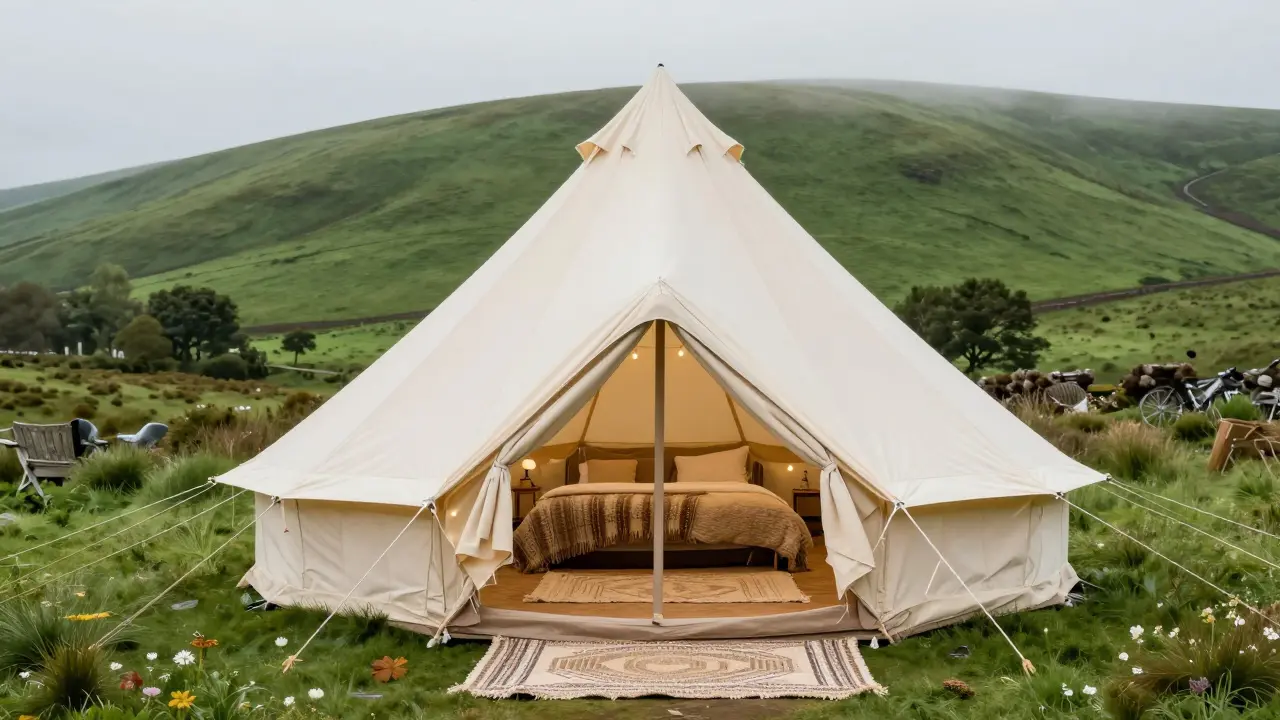
Quick Highlights: What to Expect
- Bell Tents: Best for summer vibes and a "boho" feel.
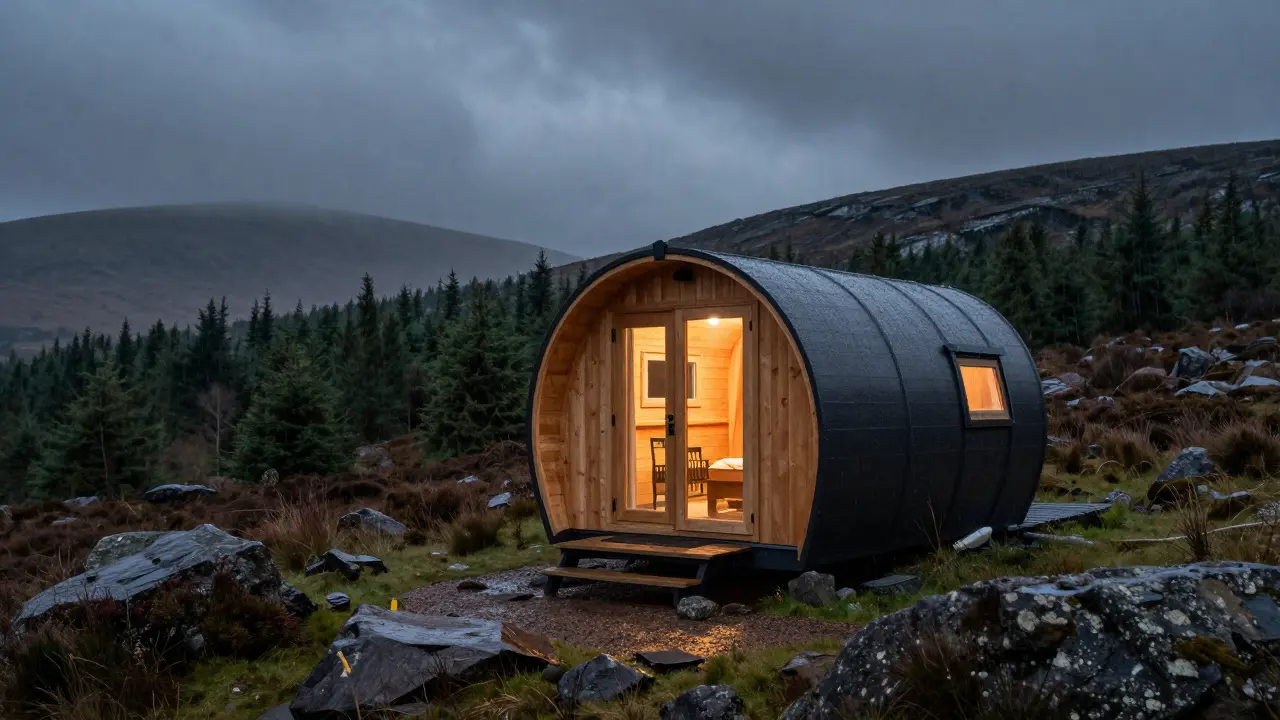
- Pods: The ultimate cozy retreat for all-weather protection.
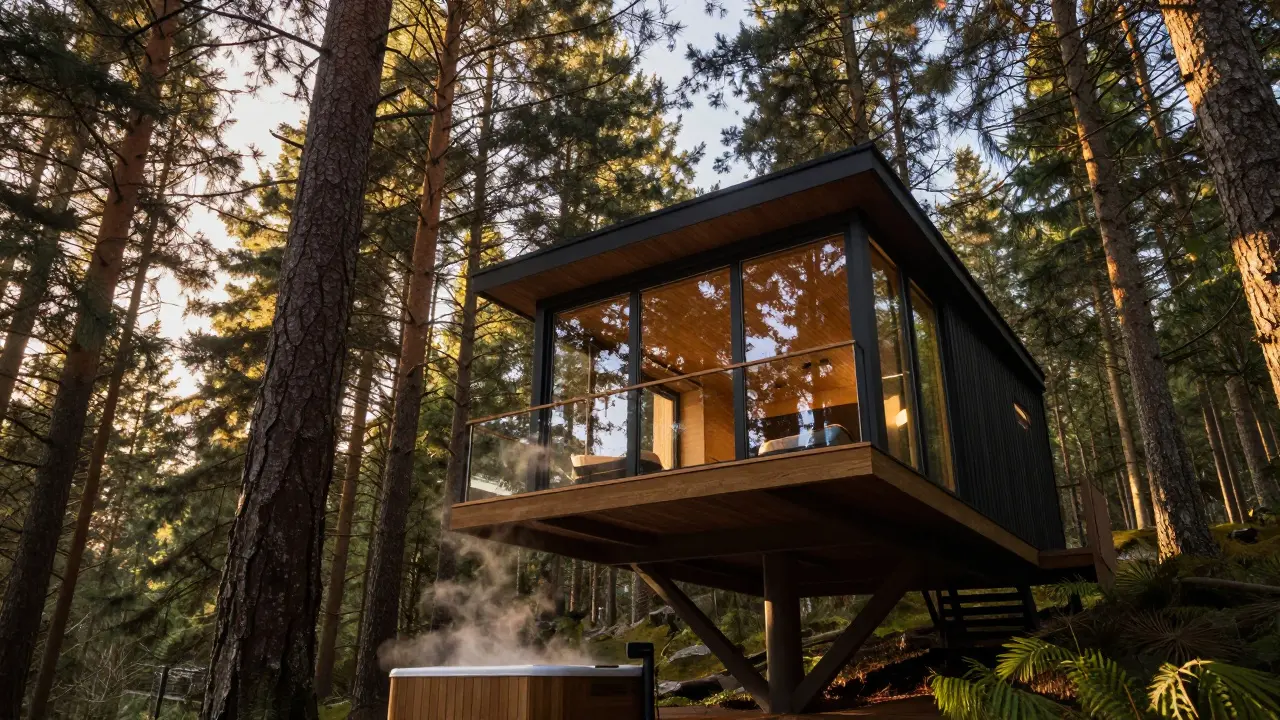
- Treehouses: High-end luxury with a view of the treetops.
- Top Spots: Highlands, Cairngorms, and the Isle of Skye.
Choosing Your Shelter: Which One Fits Your Vibe?
Before you book, you need to decide how much "nature" you actually want. Some options are basically hotels made of wood, while others are just fancy tents. Let's break them down.
Bell Tents is a large, circular canvas tent that typically features a high ceiling and a single entrance zip, often furnished with real beds and rugs. Commonly used in "safari style" setups, these are perfect if you want that canvas smell and the sound of rain hitting the roof, but you refuse to sleep on the floor. They're great for summer trips in the Scottish Lowlands or along the coast of Fife, where the weather is a bit more predictable. Just remember: they aren't as insulated as a pod, so you'll want a warm fleece if you're visiting in September.
Glamping Pods are small, prefabricated wooden cabins, often curved or arched, that provide a hard-walled, insulated alternative to tents. These are the workhorses of the Scottish glamping scene. You'll find them everywhere from the Cairngorms National Park to the edges of Loch Lomond. Because they have solid walls and often include heating, they are the go-to choice for "shoulder season" trips (Spring and Autumn). If you're terrified of the Scottish midges, a pod is your best defense because you can actually shut the door on them.
Treehouses are elevated luxury dwellings built into or around mature trees, blending architectural design with the natural forest environment. This is the high-end end of the spectrum. We're talking about floor-to-ceiling glass walls, hot tubs on decks, and sometimes even rain showers. They offer a perspective of the forest you just can't get from the ground. These are common in the denser woodlands of the Perthshire region, where the old Caledonian forests provide the perfect anchor for these builds.
| Feature | Bell Tents | Pods | Treehouses |
|---|---|---|---|
| Weather Protection | Moderate | High | Very High |
| Insulation | Low (Canvas) | Medium (Wood) | High (Glass/Wood) |
| Privacy | Lower (Canvas walls) | High | Very High |
| Typical Price | $ (Budget-Friendly) | $$ (Mid-range) | $$$ (Luxury) |
Where to Go: Matching the Landscape to the Stay
Location is everything. You wouldn't put a bell tent on a wind-swept cliff in Skye unless you wanted to wake up in the next county. Here is how to pair your accommodation with the region.
If you're heading to the Scottish Highlands, go for a pod. The weather there can flip from sunshine to a torrential downpour in about six minutes. A pod gives you a secure, dry base to return to after a day of hiking through Glencoe. Plus, many pods in the Highlands come with a small wood-burning stove, which is a lifesaver when the temperature drops at night.
For those eyeing the Isle of Skye, look for specialized eco-pods or shepherd's huts. The landscape is rugged and the wind is fierce. A structure with a heavy chassis and a locking door is far superior to a tent here. You'll get the incredible views of the Old Man of Storr without having to worry about your tent stakes pulling out of the peat.
If you're visiting the Trossachs or the forests of the Central Belt, treehouses are the way to go. The canopy cover is denser here, and staying elevated lets you experience the wildlife-like red squirrels and various songbirds-at their own level. It turns a simple weekend break into something that feels like a fairytale.
The Practical Side: Midges, Weather, and Gear
Let's be real: the biggest threat to your glamping experience isn't the rain; it's the Scottish Midge. These tiny biting flies appear in huge clouds from May to September, especially in damp, still conditions. If you're in a bell tent, you are essentially living in a giant mesh bag. Ensure your tent has high-quality mosquito netting and always keep the door zipped. Pro tip: bring a midge net for your head and some Smidge repellent. It's the only thing that actually works.
Regarding gear, don't assume "glamping" means you can leave the hiking boots at home. Most glamping sites are located in the heart of nature, meaning you'll be walking on uneven, often muddy ground to get to your pod or tent. Pack a pair of waterproof boots and a reliable raincoat. Even in July, a "summer's day" in Scotland can feel like late October in other parts of Europe.
Power and water are also things to check. Some bell tents are "off-grid," meaning you might have a solar light and a water jug. Pods and treehouses usually have electricity and sometimes a small kitchenette. If you plan on charging a camera or a phone, check if the site provides a power hook-up or if you need a heavy-duty power bank.
Booking Tips: How to Avoid the Tourist Traps
The glamping market in Scotland has exploded. While this means more options, it also means some places overpromise and under-deliver. To find a genuine gem, look for sites that are family-run or linked to local farms. These often have more authentic settings and better-maintained facilities.
Avoid booking solely based on the photos. Check recent reviews from the same month you plan to visit. A place that looks amazing in August might be freezing and damp in October if the heating isn't up to scratch. Also, check the "walking distance" to the communal bathrooms. If you're in a bell tent and the showers are a 200-meter walk through a muddy field in the rain, you'll regret your choice very quickly.
Is glamping in Scotland worth it compared to a hotel?
It depends on what you want. A hotel is about convenience and consistency. Glamping is about the experience and the connection to the land. If you want to wake up and step directly into a forest or a glen without a lobby and an elevator in the way, glamping is the winner. It's generally more expensive than traditional camping but often cheaper than a luxury hotel, giving you a middle ground of comfort and adventure.
When is the best time of year for glamping in Scotland?
June through August offers the most stable weather and the longest daylight hours (the "simmer dim"). However, May and September are fantastic for avoiding the heaviest crowds and the worst of the midges. If you're staying in a heated pod or a treehouse, winter glamping in December is incredibly cozy, especially if you can find a spot near the Cairngorms for a snowy backdrop.
Do I need to bring my own bedding for a bell tent?
Usually, no. That's the "glam" part of glamping. Most providers supply mattresses, duvets, and pillows. However, it is always worth double-checking your booking confirmation. Some budget glamping sites might offer a "bring your own bedding" rate to lower the price. When in doubt, bring an extra warm fleece blanket just in case the Scottish night chill gets a bit too intense.
Are glamping pods suitable for families with children?
Absolutely. Pods are often safer and easier for kids than tents because they are sturdy and have a fixed layout. Many sites offer "family pods" with bunk beds. Just be mindful that pods can be small, so pack light. The novelty of staying in a "wooden egg" is usually a huge hit with children and makes the trip more memorable than a standard hotel room.
How do I handle the lack of plumbing in some tents?
Most bell tents use a shared facility block. To make it easier, keep a "wash kit" bag ready and use a flashlight or headlamp for midnight trips. If you're staying at a luxury site, you might have a private composting toilet attached to the tent. These are surprisingly efficient and odorless if managed correctly. If you're nervous, stick to pods or treehouses, which almost always have en-suite bathrooms.
Next Steps for Your Trip
If you're planning your first trip, start by picking your region. If you want mountains and mist, head to the Highlands. If you want cozy woods and river walks, look at Perthshire. Once you have the location, pick your shelter based on the month: pods for the cold, bell tents for the heat, and treehouses for a special occasion.
Don't forget to book well in advance for the summer months. The best spots, especially the unique treehouses, often fill up six months ahead of time. Once you've booked, build a packing list that focuses on layers-merino wool is your best friend in the Scottish climate.
Comments (7)
-
Kevin Hagerty April 16, 2026
wow glamping... bc actually camping is just too hard for some people lol. imagine paying a premium to pretend u like nature while sleeping on a duvet. truly the peak of human laziness

-
Amber Swartz April 18, 2026
Wait, you're actually suggesting people stay in a 'wooden egg' with their children? That sounds absolutely claustrophobic and frankly a nightmare for any parent with a shred of sanity. The lack of real plumbing in some of these setups is just an insult to modern civilization. I can't even imagine the horror of a midnight walk through a muddy field just to use a toilet. Absolutely appalling.

-
Akhil Bellam April 19, 2026
The sheer banality of this 'luxury' is quite staggering...!!! One must wonder if the spiritual essence of the Highlands is lost when viewed through a floor-to-ceiling glass wall...!!! It is a curated, sterilized version of wilderness for those who lack the fortitude for true asceticism...!!! Truly a pedestrian approach to exploration...!!!

-
Robert Byrne April 19, 2026
Seriously? Some of you are actually complaining about the luxury while others are just whining about toilets? Get a grip! If you can't handle a bit of mud, stay in your fancy city apartments and stop polluting the comment section with your fragile sensibilities!

-
Tia Muzdalifah April 21, 2026
i went to skye a few years ago and the pods were actually super chill. definitely the way to go if u dont want to get eaten alive by midjes lol. its just a vibey way to see the coast

-
Zoe Hill April 22, 2026
I think it's wonderful that there are so many options for evryone!! Whether you want a fancy treehouse or a simple tent, there is something for every budget. It's all about making memories with the people you love... even if there are a few typos in the planing! Just stay positive and enjoy the view!

-
Albert Navat April 23, 2026
Regarding the infrastructure, the UX of those communal shower blocks is usually a total disaster. We're talking zero scalability in the plumbing and a complete lack of optimized throughput during peak morning hours. You're basically dealing with a legacy system that hasn't been patched since the 90s. Total bottleneck.
