
Key Takeaways for Scottish Nature Shoots
- Prioritize animal welfare over the perfect shot by maintaining safe distances.
- Use the "flat" Scottish light to your advantage for detailed texture and color saturation.
- Invest in high-grade weather sealing and a sturdy tripod for volatile Highland conditions.
- Focus on the "golden hour" and "blue hour" for dramatic atmospheric effects in the glens.
- Stick to the Scottish Outdoor Access Code to ensure sustainable exploration.
The Moral Compass of the Lens
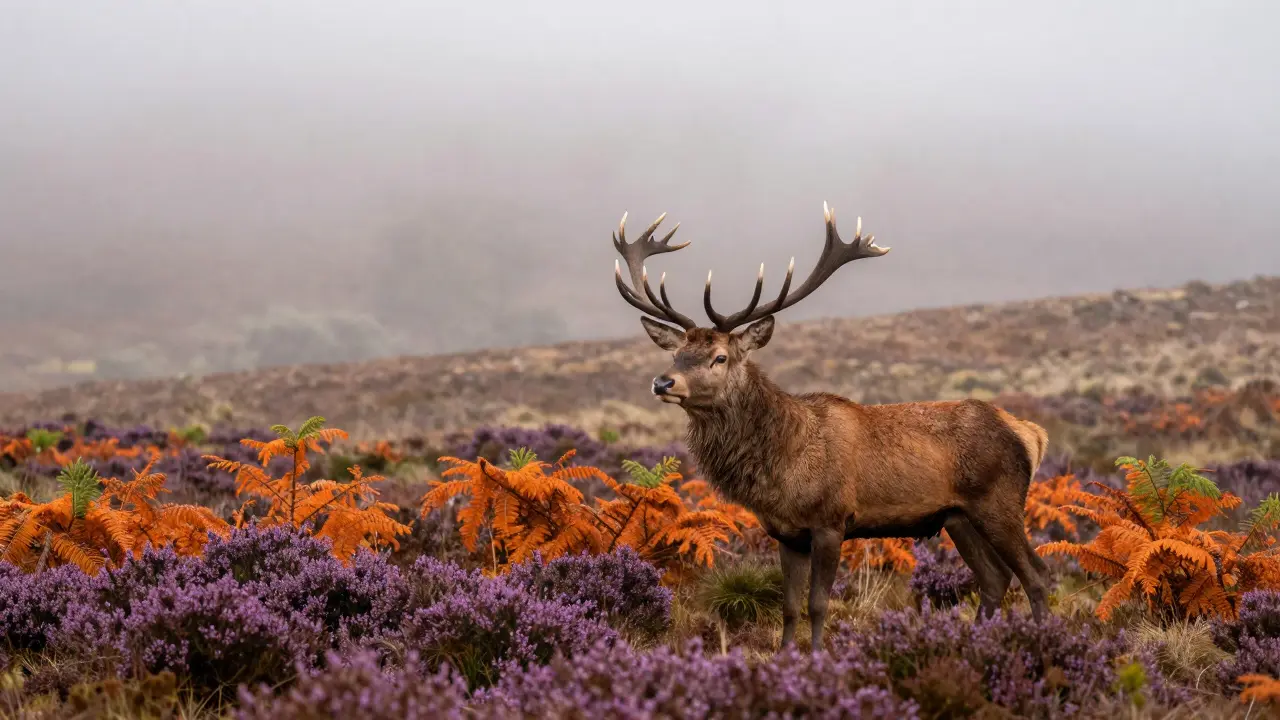
Before we talk about gear or settings, we have to talk about the animals. In the world of Wildlife Photography in Scotland is the art of capturing fauna in their natural Scottish habitats while adhering to strict conservation standards. It is very tempting to creep closer to a Red Deer to get that tight headshot, but the moment an animal changes its behavior because of you, you've crossed a line.
Ethical photography means being an observer, not a participant. If a bird stops foraging or a mammal looks toward you with alert ears, you are too close. Using long lenses-typically 400mm or higher-allows you to capture intimacy without intrusion. A common mistake is "baiting" animals with food to get them to stay in one spot. This doesn't just ruin the natural behavior of the animal; it can make them dependent on humans or lead them to associate people with food, which often ends badly for the animal.
You also need to be aware of the Scottish Outdoor Access Code. This is the legal framework that allows us to roam, but it comes with the responsibility of "leaving no trace." This means staying on paths when nesting season is high and ensuring you don't leave any litter or disturb ground-nesting birds like the Golden Eagle. Respecting the land is the only way to ensure these species remain for the next generation of photographers.
Mastering the Unpredictable Scottish Light
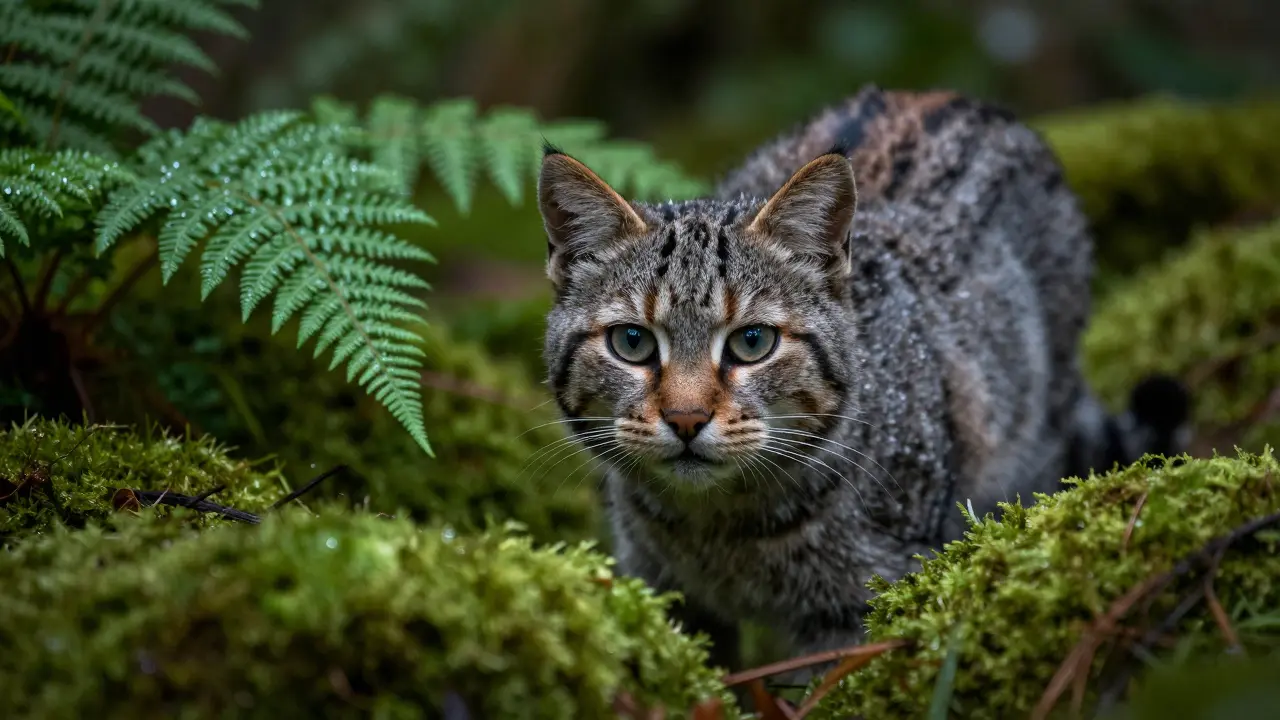
If you're waiting for a cloudless, sunny day in the Scottish Highlands, you'll likely spend your entire trip staring at a grey sky. But here's a secret: photographers actually love that overcast light. When the sun is hidden by a thick layer of clouds, it acts as a giant softbox. This eliminates harsh shadows and prevents the "blown-out" highlights you get at noon, making it the ideal time to capture the rich, deep greens of the moss and the intricate textures of a Scottish Wildcat's fur.
When the sun does break through, timing is everything. The "golden hour"-the short window after sunrise and before sunset-transforms the landscape. In the autumn, the light hits the turning bracken and rowan trees, creating a fiery orange glow that contrasts beautifully with the deep purples of the heather. However, in the winter, the sun stays low on the horizon for hours, giving you a prolonged window of soft, directional light that adds depth and dimension to your images.
Then there is the "blue hour," that fleeting time just before dawn or after dusk. This is when the world feels quiet and surreal. For wildlife, this is often when animals are most active. Using a fast aperture (like f/2.8 or f/4) helps you pull in enough light to capture the movement of a European Otter along a riverbank without the image turning into a grainy mess.
Battling the Elements: Gear and Survival
The weather in Scotland isn't just a nuance; it's a primary character in your shoot. You can experience four seasons in twenty minutes. Your camera might be weather-sealed, but is your patience? The biggest mistake beginners make is bringing a camera that can't handle moisture. Even with a DSLR or Mirrorless Camera rated for weather resistance, a sudden Highland downpour can find its way into every gap.
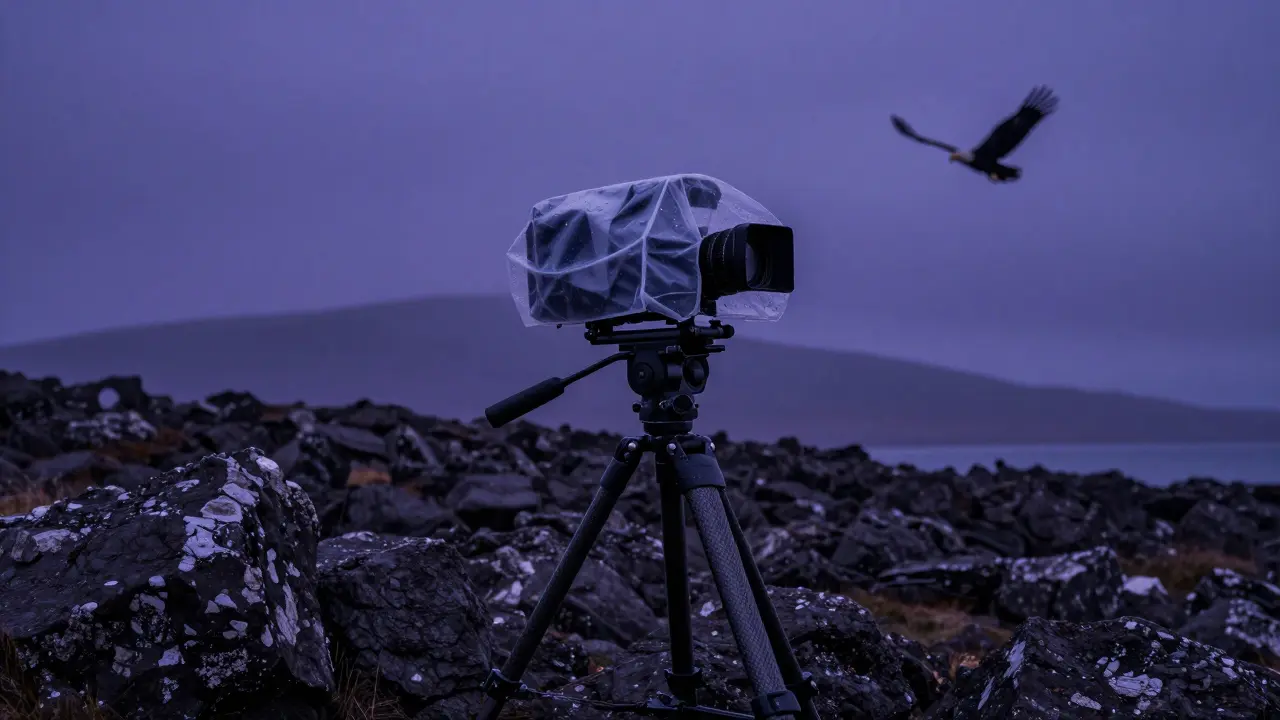
A heavy-duty rain cover for your lens and body is non-negotiable. Similarly, a sturdy tripod is essential-not just for stability, but because the wind in the glens can be strong enough to shake a handheld shot into a blur. Use a tripod with a hook to hang your bag for extra weight and stability in high winds.
| Condition | Essential Gear | Why it Matters | Pro Tip |
|---|---|---|---|
| Heavy Rain/Mist | Silicone Rain Cover & Microfiber Cloths | Prevents moisture from entering the sensor and lens mounts. | Keep a dry cloth in a waterproof pocket for lens cleaning. |
| High Winds | Carbon Fiber Tripod with Stone Bag | Prevents "camera shake" and keeps the rig from tipping over. | Extend the legs fully but lock them tight to avoid vibration. |
| Low Light (Dawn/Dusk) | Fast Prime Lenses (f/2.8 or wider) | Allows more light to hit the sensor without raising ISO too high. | Use a remote shutter release to avoid touching the camera. |
| Extreme Cold | Spare Batteries & Hand Warmers | Cold drains batteries 30-50% faster than room temperature. | Keep spare batteries in an inside pocket close to your body. |
Identifying the Best Subjects and Locations
Knowing where to look is half the battle. For the iconic Red Deer, the Cairngorms National Park is a goldmine. These animals are majestic but can be territorial, especially during the rut in autumn. During this time, the stags are incredibly vocal and aggressive, which makes for dramatic action shots, but you must keep your distance to avoid being charged.
If you're after birds of prey, the west coast and the islands, such as the Isle of Skye, offer the best chance to spot White-Tailed Eagles and Golden Eagles. These birds use the thermal updrafts of the cliffs, so look for them circling high above the coastlines. The trick here is to use a fast shutter speed-at least 1/2000s-to freeze the wing motion of a diving bird.
For those seeking something more elusive, the forests of the Highlands are home to the Pine Marten. These are shy, nocturnal creatures. Your best bet is to find a quiet spot near a known foraging area and wait. Patience is your most valuable piece of equipment here. You might wait four hours for a ten-second appearance, but that's where the reward lies.
Post-Processing the Highland Mood
Your raw files from a Scottish shoot will often look a bit flat due to the diffused light. This is where post-processing becomes a tool for storytelling. Instead of cranking up the saturation to make the greens look neon, try focusing on "color grading." Enhancing the blues in the shadows and adding a touch of warmth to the highlights can recreate the feeling of a damp, misty morning.
Contrast is your friend when dealing with grey skies. By slightly dropping the blacks and increasing the whites, you can create a punchy image that doesn't lose the soft, atmospheric quality of the mist. If you've captured a shot with a lot of "noise" due to high ISO in low light, a bit of AI-powered noise reduction can save the image without smudging the fine detail of animal fur.
The goal isn't to make the photo look like a postcard; it's to make it feel like Scotland. This means embracing the gloom. A photo of a lone stag standing in a blanket of fog is far more evocative and "Scottish" than a perfectly lit animal in a sunny field. Lean into the drama of the environment.
What is the best time of year for wildlife photography in Scotland?
Autumn is widely considered the peak season, particularly for Red Deer during the rut (September to October). The colors of the landscape are at their most vibrant, and the animals are more active. Spring is also excellent for birdwatching and capturing newborn lambs and calves in the glens.
How do I protect my camera from the Scottish rain?
Use a dedicated waterproof rain cover specifically designed for your camera model. Additionally, carry several high-absorbency microfiber cloths to dry your lens quickly. If you are in extreme conditions, a large umbrella or a temporary shelter can help, but always prioritize a sealed gear bag for your spares.
Is it legal to go off-path in Scotland to get a photo?
Yes, under the Scottish Outdoor Access Code, you have a "right to roam" on most land. However, this right comes with a responsibility to act responsibly. You must avoid disturbing wildlife, especially during nesting season, and you should not damage the environment or cross fences in a way that harms livestock.
Which lens focal length is best for Scottish wildlife?
A telephoto lens is essential. For most wildlife, a 100-400mm or 200-600mm zoom lens provides the versatility needed to capture both wide environmental shots and tight portraits without disturbing the animal. For very shy species like the Pine Marten, a 600mm prime lens is ideal.
How can I find wildlife without disturbing it?
Study the habitat and animal behavior before heading out. Use binoculars to spot animals from a distance and then slowly move into position, staying downwind so your scent doesn't alert them. Once you are in place, stay still and let the animals come to you rather than chasing them.
Next Steps for Your Adventure
If you're just starting out, don't try to hit every location in one trip. Pick one region-like the Cairngorms or the Isle of Skye-and spend a few days getting to know the local rhythms. Talk to local rangers; they often have the best insights into where animals are currently active without giving away sensitive nesting sites.
For the more experienced photographer, try a "minimalist" challenge: limit yourself to one prime lens for a whole weekend. This forces you to work harder on your composition and patience, often leading to more intentional and powerful images. No matter your level, remember that the most important part of the trip isn't the number of photos on your SD card, but the respect you show for the wild places of Scotland.
Comments (7)
-
kelvin kind April 27, 2026
Long lenses are a must.

-
Zach Beggs April 29, 2026
The point about the Scottish Outdoor Access Code is spot on. It's easy for tourists to forget that roaming rights come with a ton of responsibility to the environment.

-
Paritosh Bhagat April 29, 2026
While the sentiment here is quite lovely, I cannot help but notice a few glaring grammatical inconsistencies in the text. It is truly a tragedy when such a beautiful topic is marred by basic errors. However, we must all strive for a higher moral ground when it comes to treating nature, and I believe the author did a fairly decent job of reminding us, though perhaps not with the linguistic precision one would expect from a professional guide. Let's all try to be a bit more mindful of our syntax and our surroundings, shall we?

-
Kenny Stockman April 30, 2026
Nice tips on the batteries. Man, the cold really just eats them alive up there. Just keep 'em in your pocket and you're golden.

-
Antonio Hunter May 2, 2026
I've spent a fair amount of time wandering through the Cairngorms and I've found that if you just settle into the rhythm of the landscape and wait without any expectations, the animals tend to forget you're there, which is really the only way to get a shot that feels honest and unforced, although it does require a level of patience that most people in the modern era simply aren't wired for anymore given how fast everything moves now.

-
Aaron Elliott May 3, 2026
The notion that one must "embrace the gloom" is a pedestrian interpretation of atmospheric aesthetics. One might argue that the essence of photography is not to merely mimic the environment, but to transcend it through an intellectual understanding of contrast and shadow, which this guide simplifies far too much for the sake of accessibility.

-
Ben De Keersmaecker May 4, 2026
The mention of the Blue Hour is fascinating. I've always wondered if the specific humidity of the Highlands alters the color temperature during that window compared to other mountainous regions.
