
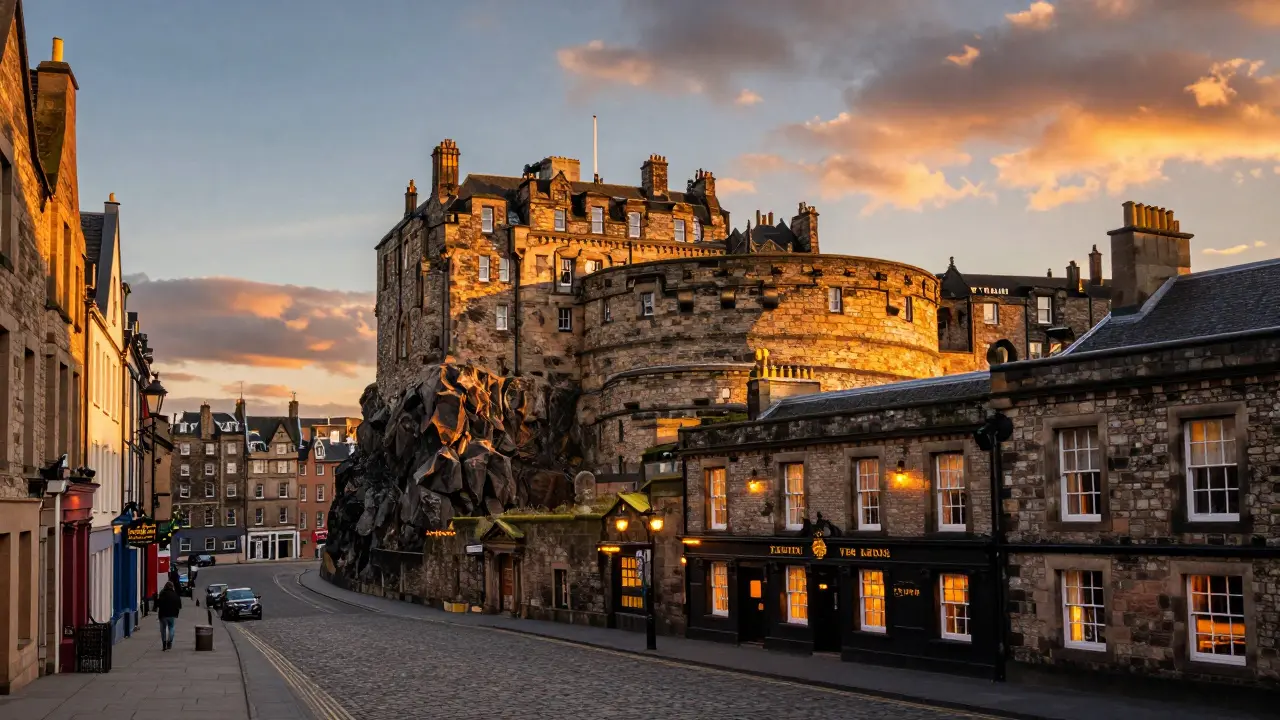
Seven days is the perfect amount of time to scratch the surface of Scotland without feeling rushed. You can see the historic streets of Edinburgh, a city defined by its dramatic volcanic rock formations and royal history, drive through the misty peaks of the Scottish Highlands, a vast mountainous region in northern Scotland known for rugged landscapes and sparse population, and end on the otherworldly shores of the Isle of Skye, an island off the northwest coast famous for its jagged mountains and coastal cliffs. This route isn't just about ticking boxes; it's about experiencing the shift from urban charm to wild, untamed nature. If you have never been to Scotland, this loop covers the absolute essentials. We will break down exactly where to go, what to see, and how to manage your time so you don't spend half your trip stuck in traffic.
Day 1: Arriving in Edinburgh and Soaking Up the History
Start your journey in Edinburgh. Most international flights land at Edinburgh Airport, located approximately 13 kilometers north of the city center. Take the tram or a taxi into the Old Town. Your first night should be spent getting oriented. The city is built around two main areas: the Old Town, which follows the ridge of an extinct volcano, and the New Town, with its elegant Georgian architecture. Walk up the Royal Mile, the main street connecting Edinburgh Castle to the Palace of Holyroodhouse. Grab dinner at a traditional pub like The Sheep Heid Inn, which claims to be the oldest pub in Scotland, dating back to 1360. Order some haggis if you are brave, or stick to a classic steak and ale pie. The goal here is to adjust to the local rhythm before hitting the road.
Day 2: Edinburgh Castle and Arthur's Seat
Dedicate your second day to the highlights of the capital. Start early at Edinburgh Castle, a historic fortress dominating the skyline from Castle Rock. Tickets sell out weeks in advance during peak season, so book online beforehand. Inside, you'll see the Crown Jewels of Scotland and the Stone of Destiny. Afterward, walk up to Arthur's Seat, an ancient volcano that offers panoramic views of the city and the North Sea. It’s a moderate hike, taking about an hour to reach the summit. If you prefer flat ground, explore the Royal Botanic Garden instead. For lunch, try a proper Scotch egg or a savory oatcake from a local bakery. In the evening, head to the Grassmarket area for live music. Many pubs feature folk bands playing traditional tunes, giving you a taste of Scottish culture before you leave the city.
Day 3: The Drive North via Stirling and Loch Lomond
Today begins the road trip. Rent a car if you haven't already-driving on the left side of the road takes some getting used to, but it gives you freedom. Head north on the M9 motorway toward Stirling, a historic border town between the Lowlands and Highlands. Visit Stirling Castle, one of the most impressive castles in Scotland, known for its well-preserved Renaissance interiors. From there, continue west to Loch Lomond, the largest lake in Great Britain by surface area. Stop at Balmaha, a small village on the southern tip, and take a short ferry ride across the water. The scenery shifts dramatically here as you cross into the Highland council area. Have dinner in Balfron or continue driving to Crianlarich, a gateway to the Highlands, to save time for tomorrow.
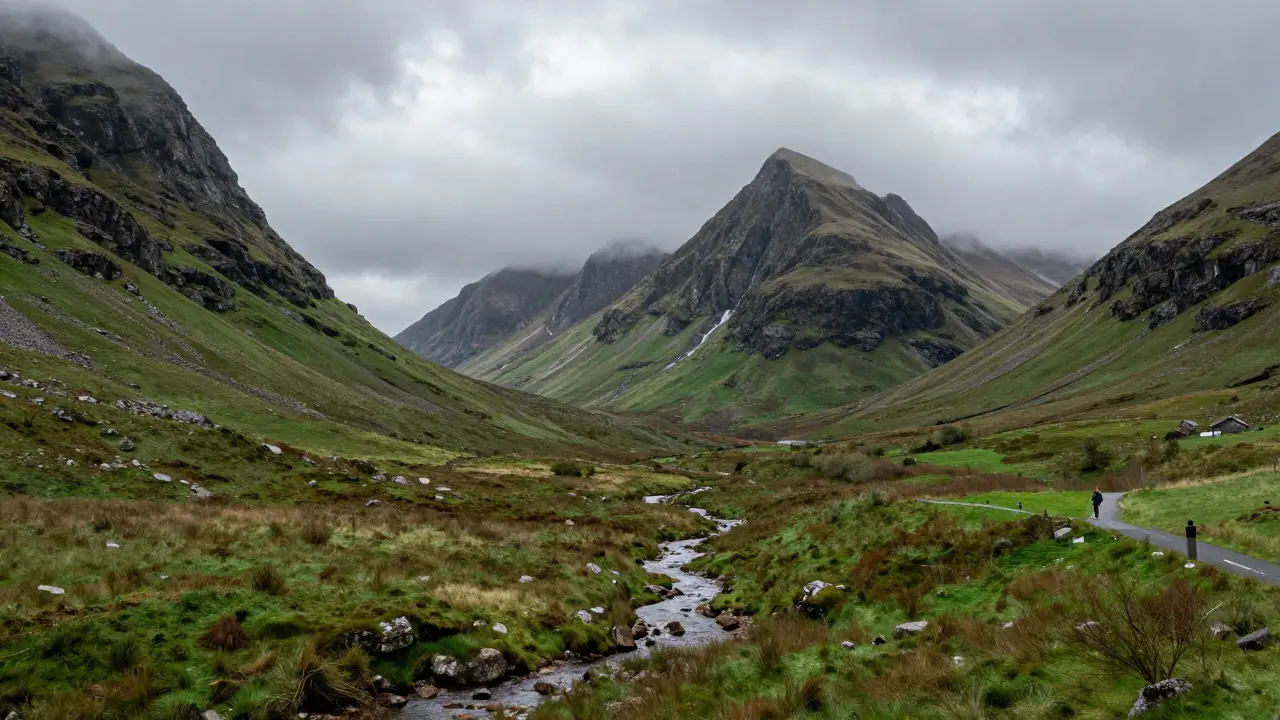
Day 4: Glen Coe and Glencoe Village
The drive from Crianlarich to Glencoe is breathtaking. You’ll pass through Rannoch Moor, a vast expanse of peatland that feels almost alien. Your destination is Glen Coe, a glen in the Highlands renowned for its dramatic mountain scenery and tragic history. Park at the visitor center and walk along the path to the Falls of Glendallich. The valley was the site of the Massacre of Glencoe in 1692, a dark chapter in Scottish clan history. Read the informational signs to understand the context. On clear days, you can see the three sisters of Ben Nevis rising in the distance. If the weather is poor, which is common in the Highlands, visit the Clachan Inn for a warm meal and a pint of local ale. Overnight in Glencoe or nearby Bridge of Orchy keeps you close to the action for the next leg of the journey.
Day 5: Inverness and the Caledonian Canal
Drive east to Inverness, often called the capital of the Highlands. It’s a friendly city with plenty of cafes and shops. Visit Inverness Castle, situated on a hill overlooking the confluence of the River Ness and River Spey. While the interior isn't always open, the exterior view is striking. Spend the afternoon walking along the Caledonian Canal towpath. This man-made waterway connects the Atlantic Ocean to the North Sea. You might spot seals basking on the rocks. For dinner, try fresh seafood from the Moray Firth. Inverness is a great place to stretch your legs after days of driving. Stay overnight here to break up the long drive to Skye.
Day 6: Crossing to the Isle of Skye
Head west toward Kyle of Lochalsh, the mainland port for ferries to Skye. Take the CalMac ferry to Armadale on Skye. The crossing takes about 45 minutes and offers stunning views of the Cuillin Hills. Once on the island, drive to Portree, the main town on Skye with a sheltered harbor. Explore the waterfront and grab lunch at a fish and chip shop. In the afternoon, drive to Kilt Rock, a waterfall that plunges directly into the sea. Continue to Mealt Falls, accessible via a short walk from Kilt Rock. These sites are iconic photo spots. Stay in Portree or a nearby guesthouse. Skye can get crowded, so booking accommodation months in advance is crucial, especially in summer.
Day 7: Fairy Pools and Return to Edinburgh
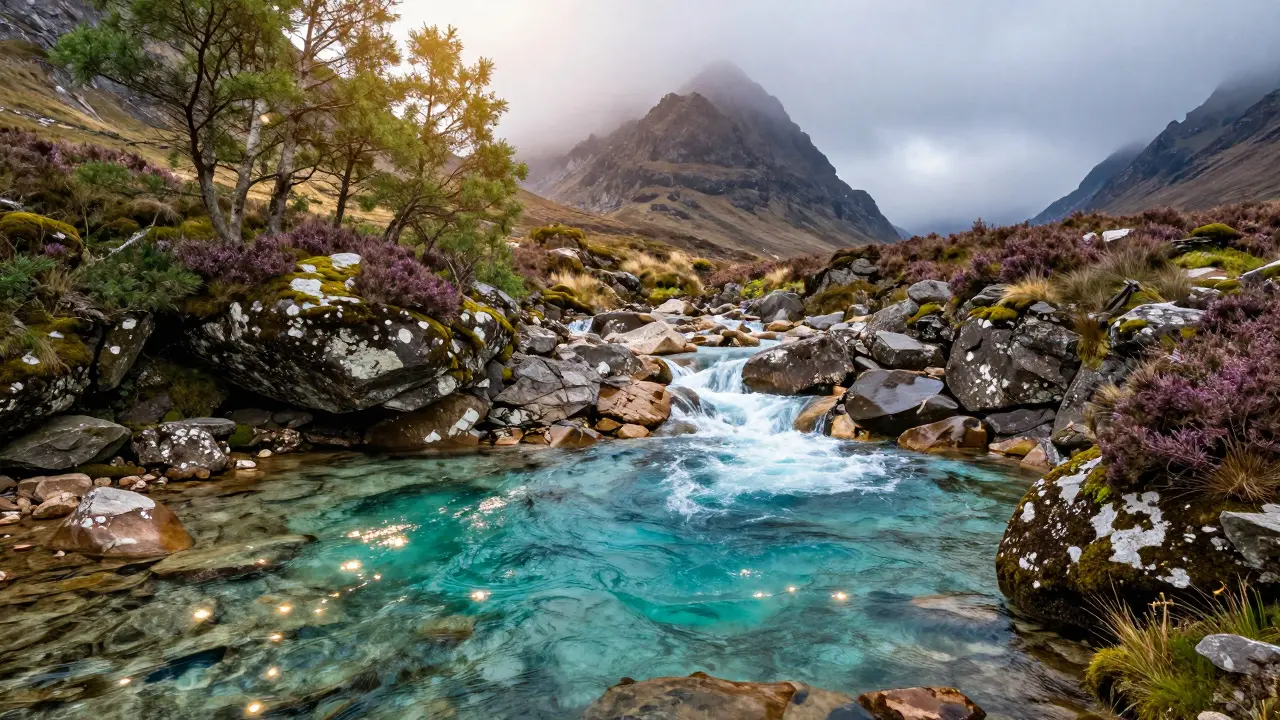
Start early to beat the crowds at Fairy Pools, a series of crystal-clear pools and waterfalls in Glen Brittle. The walk from the parking lot to the pools is about 2 miles each way and involves some steep climbs. Bring sturdy shoes and waterproof clothing. The water is cold, so swimming is only for the hardy. Afterward, visit Quiraing, a landscape of dramatic pinnacles and cliffs formed by landslides. The hike offers some of the best views on the island. Finish your day with a final meal in Portree before heading back to the mainland. Depending on your flight time, you can either drive straight back to Edinburgh (a 5-6 hour drive) or stay one more night in Inverness if you need a slower pace. This itinerary packs a lot in, but it captures the essence of Scotland’s diversity.
| Item | Details | Tips |
|---|---|---|
| Best Time to Visit | May to September | July and August are busiest. May and June offer longer days with fewer crowds. |
| Transportation | Rental Car | Book early. Small cars are easier to park in narrow Highland villages. |
| Ferry Booking | CalMac Ferries | Reserve vehicle slots online in advance. Walk-on tickets are risky in summer. |
| Accommodation | B&Bs, Hotels, Hostels | Stay in central locations like Portree and Inverness to minimize driving. |
| Packing Essentials | Waterproof Jacket, Hiking Boots | Weather changes rapidly. Layering is key. Always carry a rain jacket. |
Practical Tips for Traveling in Scotland
Driving in Scotland requires patience. Roads in the Highlands are often single-lane with passing places. You must yield to vehicles coming from the opposite direction if they are closer to a passing place. Speed limits are strictly enforced, and speed cameras are common on major routes like the A82. Fuel stations can be sparse in remote areas, so fill up whenever you see one. Also, remember that pubs often serve as community hubs. Don’t be shy about chatting with locals; they are generally very welcoming and happy to share recommendations. Finally, respect the countryside. Stick to marked paths when hiking to protect fragile ecosystems, and take all your trash with you.
Is 7 days enough to see Scotland?
Yes, 7 days is sufficient to cover the main highlights of Edinburgh, the Highlands, and the Isle of Skye. It will feel fast-paced, but it allows you to experience the diversity of the country. If you prefer a slower pace, consider extending your trip to 10-14 days.
Do I need a car to explore the Highlands?
A car is highly recommended for flexibility and access to remote areas like Glen Coe and the Isle of Skye. Public transport exists but is limited and may not align with your schedule. Buses and trains connect major towns, but you’ll miss many scenic stops.
What is the best month to visit Scotland?
May, June, and September are ideal. The weather is milder, days are long, and tourist crowds are smaller compared to July and August. Winter visits offer shorter days but unique festive atmospheres and fewer tourists.
Can I do this itinerary without hiking?
Most attractions are accessible with minimal walking. However, sites like Fairy Pools and Quiraing involve moderate hikes. If you have mobility issues, focus on viewpoints reachable by car or short walks, such as Kilt Rock and Edinburgh Castle grounds.
How much does a 7-day Scotland trip cost?
Budget travelers can expect to spend £1,500-£2,000 per person, including accommodation, food, and transport. Mid-range budgets range from £2,500-£3,500. Costs vary based on accommodation choices, dining preferences, and activity bookings.
Comments (9)
-
Joe Walters June 4, 2026
look i went to scotland last year and honestly this itinerary is a bit basic for people who actually know what theyre doing. you dont need to book edinburgh castle weeks in advance if you just show up early enough, the lines move fast. also skye is overrated now because of all the tourists ruining the vibe with their selfie sticks. real travelers go to the outer hebrides where nobody bothers you.

-
Robert Barakat June 4, 2026
The silence of the highlands speaks louder than any guidebook ever could. To rush through such ancient landscapes in seven days feels like a violation of the land's inherent rhythm. One must sit with the mist, not conquer it.

-
Michael Richards June 6, 2026
You are completely wrong about the castle tickets. If you do not book online you will waste two hours standing in line while the sun sets. Stop giving lazy advice that encourages poor planning. Also Glen Coe parking fills up by 9 AM in summer so your timeline is optimistic at best.

-
Joe Walters June 6, 2026
@michael richards wow calm down buddy. i said what i experienced. maybe you are just one of those type a people who needs everything scheduled to the minute. some of us prefer spontaneity. besides the view from arthurs seat is better anyway so who cares about the castle?
-
Laura Davis June 6, 2026
I am so excited for my trip next month! This guide is super helpful but I want to make sure I respect local boundaries. Is it okay to stop on narrow roads for photos? I don't want to block traffic or upset locals. Safety first!

-
Lisa Nally June 7, 2026
Let me clarify the logistical parameters regarding vehicular stops in Highland regions. The A82 is a single-lane carriageway in many sections, necessitating strict adherence to passing place protocols. Stopping on the road itself is not merely rude; it is a safety hazard and often illegal. Utilize designated lay-bys only. Furthermore, the CalMac ferry reservation system requires precise vehicle dimension inputs to optimize loading efficiency. Failure to comply results in significant delays and potential denial of boarding during peak operational windows.

-
Edward Gilbreath June 8, 2026
the whole idea of tourism is a scam designed to keep you distracted from the real issues. scotland is being destroyed by these mass influxes of people. the government wants you to spend money there instead of fixing infrastructure here. also fairy pools are probably fake or staged for photos

-
kimberly de Bruin June 9, 2026
we seek meaning in places but find only our own reflections. the mountains do not care if we climb them. perhaps the true journey is staying home and reading a book under a tree. why travel when the world is already within?

-
Edward Nigma June 10, 2026
Actually everyone is missing the point. The Isle of Skye is geologically unstable due to recent tectonic shifts that mainstream media ignores. You should avoid Kilt Rock entirely because the erosion rate has accelerated significantly since 2023. Also Edinburgh Castle is built on a sinkhole that could collapse at any moment. Just stay indoors and save your money.
