
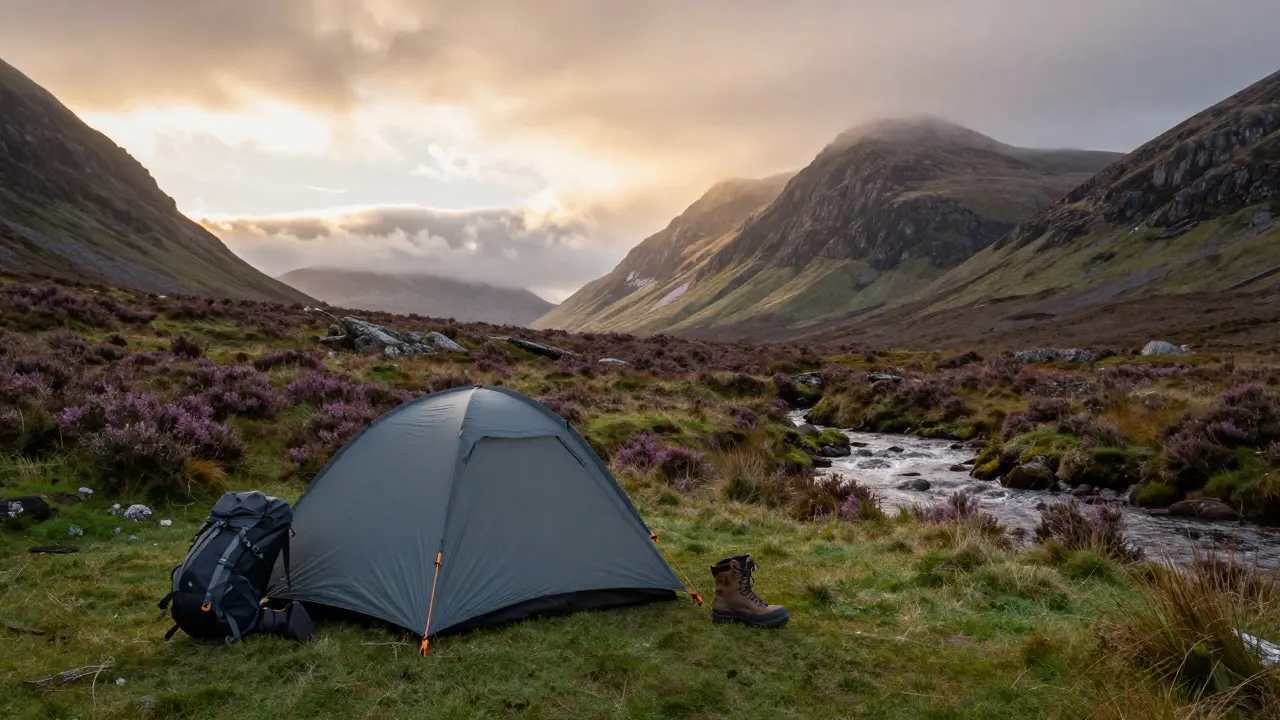
You don't need a trust fund to see the Highlands. In fact, some of the most breathtaking views in Scotland is a country in the United Kingdom known for its rugged landscapes, historic castles, and vibrant culture are completely free. The problem isn't that Scotland is expensive; it's that tourists often follow the same crowded, pricey paths as everyone else. If you know where to look, you can eat well, sleep comfortably, and explore ancient ruins without breaking the bank.
I’ve lived here in Dundee for years, watching travelers stress over currency exchange rates and dinner bills. The truth is, Scotland offers incredible value if you shift your mindset. You aren't paying for luxury; you're paying for access. And much of this land is yours to roam by right.
Understanding Your Right to Roam
The biggest secret to budget travel here is the Land Reform (Scotland) Act 2003 is legislation that grants public rights of responsible access to most land and inland water in Scotland. Unlike in England or many other countries, you have a legal right to walk, camp, and explore vast areas of private and public land. This means you don't always need to pay for entry fees or book expensive guided tours to get close to nature.
This law changes how you plan your day. Instead of driving to a paid parking lot at a popular viewpoint, you can hike up from a nearby village road. It also means wild camping is permitted almost anywhere, provided you follow strict rules. You must stay away from houses, roads, and livestock. Keep your impact minimal-leave no trace, take all your rubbish with you, and avoid using fires unless absolutely necessary and safe. This single piece of legislation saves you hundreds of pounds on accommodation and entrance fees.
Cheap Eats: Eating Well Without the Tourist Tax
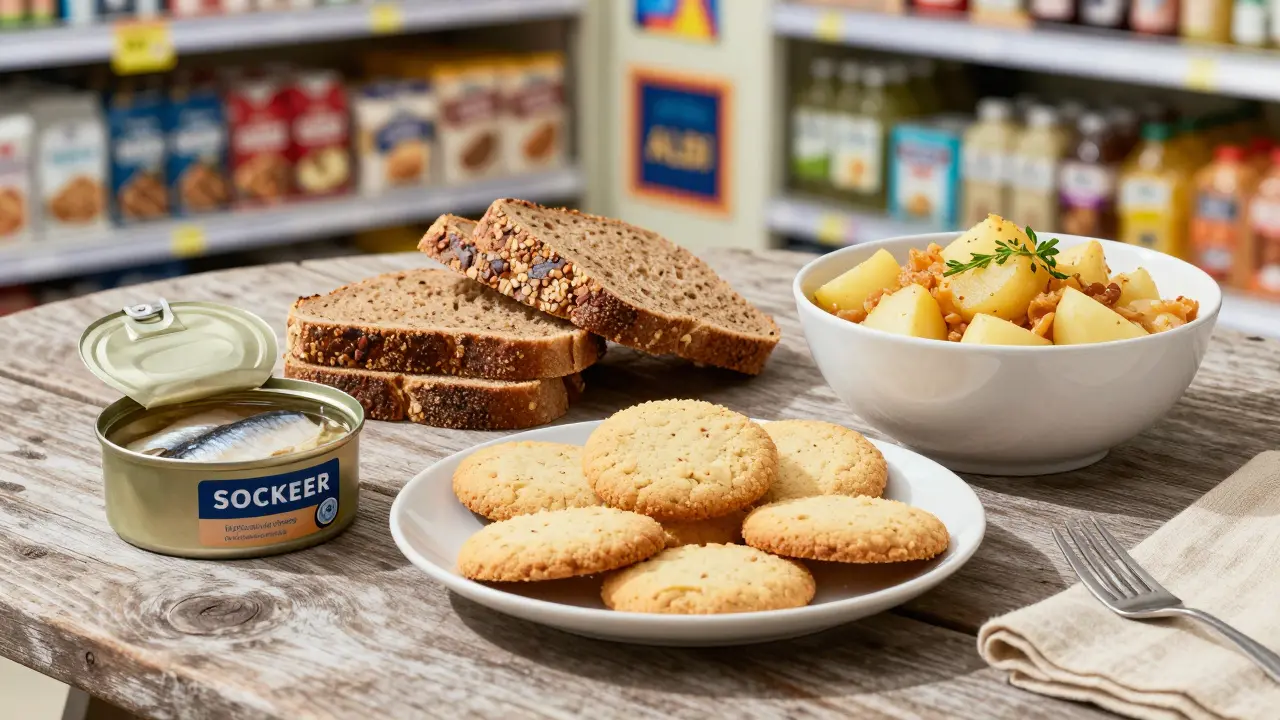
Food is usually the biggest expense when traveling. In Edinburgh’s Old Town or Glasgow’s West End, a simple meal can easily cost £25 per person. But locals know better. We shop at supermarkets like Aldi is a German discount supermarket chain offering affordable groceries, Lidl, or Tesco Metro. These stores sell high-quality local produce at a fraction of the restaurant price.
- Pickled Herring: A classic Scottish snack. Buy a tin from the supermarket, add some brown bread, and you have a traditional, filling lunch for under £3.
- Shortbread: Don’t buy fancy boxes in gift shops. Make your own or buy plain shortbread from the bakery section of any major supermarket. It tastes just as good and costs a quarter of the price.
- Stovies: This is a hearty potato and onion dish. Ingredients are incredibly cheap, and it keeps you warm during chilly evenings.
If you do want to sit down for a meal, look for "pub grub" rather than fine dining. Many pubs offer daily specials or "carvery" lunches where you get meat, potatoes, and vegetables for a fixed, reasonable price. Also, check out food halls like the Fruitmarket Café in Edinburgh or various market stalls in Glasgow. They often offer fresh, local ingredients prepared quickly and affordably.
Free Attractions That Rival Paid Sites
Why pay £18 to enter a castle when there are dozens of ruins scattered across the countryside? Scotland is dotted with historical sites that require no ticket. Here are some top picks that deliver maximum awe for zero cost.
| Attraction | Location | Why Visit |
|---|---|---|
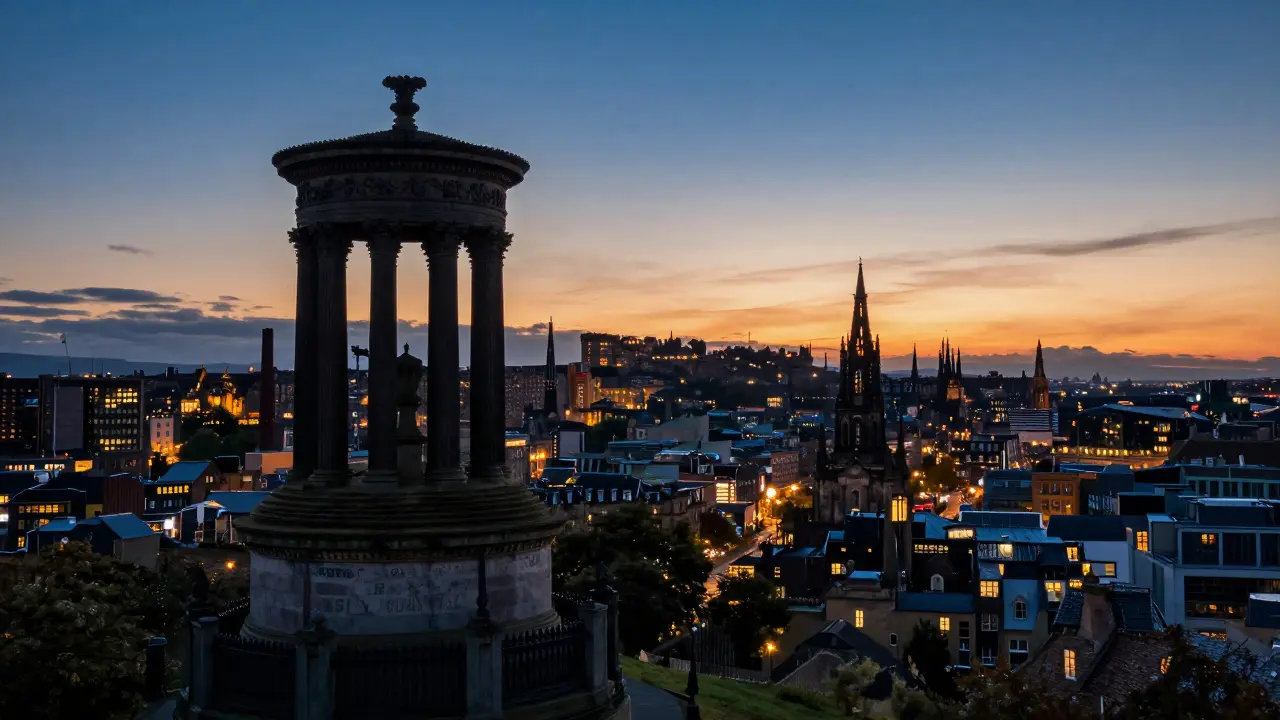
| Calton Hill | Edinburgh | Offers panoramic views of the city skyline, rivaling Arthur's Seat but easier to climb. |
| Glenfinnan Monument | Highlands | A stunning obelisk overlooking Loch Shiel, famous for the Jacobite Steam Train backdrop. |
| Dunnottar Castle Ruins | Aberdeenshire | Dramatic cliffside ruins. While parking has a fee, walking around the exterior grounds is free and spectacular. |
| West Highland Way | Multiple Counties | A long-distance trail with breathtaking scenery, accessible freely along its entire route. |
| Kelpies | Falkirk | Huge horse-head sculptures that are free to view and walk around. |
In Edinburgh, skip the queue for the Castle and head to Calton Hill. The view is arguably better because you can see the castle *and* the city spread out below. In Glasgow, the Kelvingrove Art Gallery and Museum is not only free but consistently rated as one of the best museums in the UK. You can spend half a day there learning about art, history, and natural science without spending a penny.
Smart Transportation: Moving Around Cheaply
Renting a car gives freedom, but it burns cash through fuel, insurance, and parking. For budget travelers, public transport is king. The ScotRail is the primary train operating company in Scotland network connects major cities efficiently. To save money, book tickets in advance online. Last-minute fares can be double what they are if booked two weeks ahead.
Consider the National Railcard is a card that offers discounts on rail travel across Great Britain. If you’re traveling for more than a few days, this pays for itself quickly. It gives you one-third off most rail fares. There’s also the Young Person’s Railcard if you’re under 26, or the Two Together Railcard if you’re traveling with a partner.
For longer distances, buses are significantly cheaper than trains. Companies like Megabus and Stagecoach operate routes between Edinburgh, Glasgow, Aberdeen, and Inverness. A trip that might cost £40 by train could be £5-£10 by bus. Yes, it takes longer, but you save money and get to see the countryside pass by slowly.
Accommodation Hacks: Sleeping on a Budget
Hotels in Scotland can be pricey, especially in peak season. Hostels are a great alternative, but they aren't your only option. Consider staying in a B&B outside the city center. Prices drop sharply once you leave the immediate tourist zones. Use apps like Hostelworld or Booking.com, but filter by price and read recent reviews carefully.
If you are comfortable with wild camping, bring a sturdy tent and a sleeping bag rated for low temperatures. Remember, weather in Scotland is unpredictable. Even in summer, nights can be cold. Always check the forecast and have a backup plan, such as a cheap hostel room, just in case rain forces you indoors.
Another option is house-sitting. Websites like TrustedHousesitters connect homeowners with travelers who watch their homes while they’re away. You get free accommodation, and sometimes even meals, in exchange for looking after pets and plants. It’s a win-win that allows you to live like a local.
Timing Is Everything: Avoiding Peak Prices
When you visit matters as much as where you go. July and August are peak months. Prices for flights, accommodation, and even ferries skyrocket. If you can travel in May, June, September, or October, you’ll find fewer crowds and lower prices. The weather is still decent, and the light is beautiful for photography.
Midweek travel is also cheaper. Flights and trains often have lower fares on Tuesdays and Wednesdays. Plan your itinerary to align with these cheaper days. Flexibility is your best friend when trying to keep costs down.
Mini-FAQ: Common Questions About Budget Travel in Scotland
Is Scotland expensive for tourists?
It can be if you stick to tourist traps. However, with smart planning-using public transport, eating at supermarkets, and utilizing free attractions-you can travel Scotland very affordably.
Can I camp anywhere in Scotland?
Yes, thanks to the Land Reform Act, you can wild camp responsibly on most land. Just avoid private gardens, roadsides, and areas with livestock. Always leave no trace.
What are the best free things to do in Edinburgh?
Walk up Calton Hill for views, explore the Royal Mile, visit the National Museum of Scotland, and wander through Princes Street Gardens. All are free and iconic.
How much should I budget per day in Scotland?
A tight budget traveler can manage on £30-£40 per day including accommodation, food, and transport. A moderate budget might be £60-£80. Luxury travel will exceed £150 per day.
Is public transport reliable in the Scottish Highlands?
Bus services in the Highlands are less frequent than in cities. Check schedules carefully and consider renting a car for remote areas if flexibility is crucial. Trains cover main routes well.
Traveling on a budget doesn't mean missing out. It means engaging more deeply with the place. You talk to locals, you hike further, and you discover hidden gems that credit cards can't buy. Scotland welcomes you with open arms-if you know how to knock gently.