
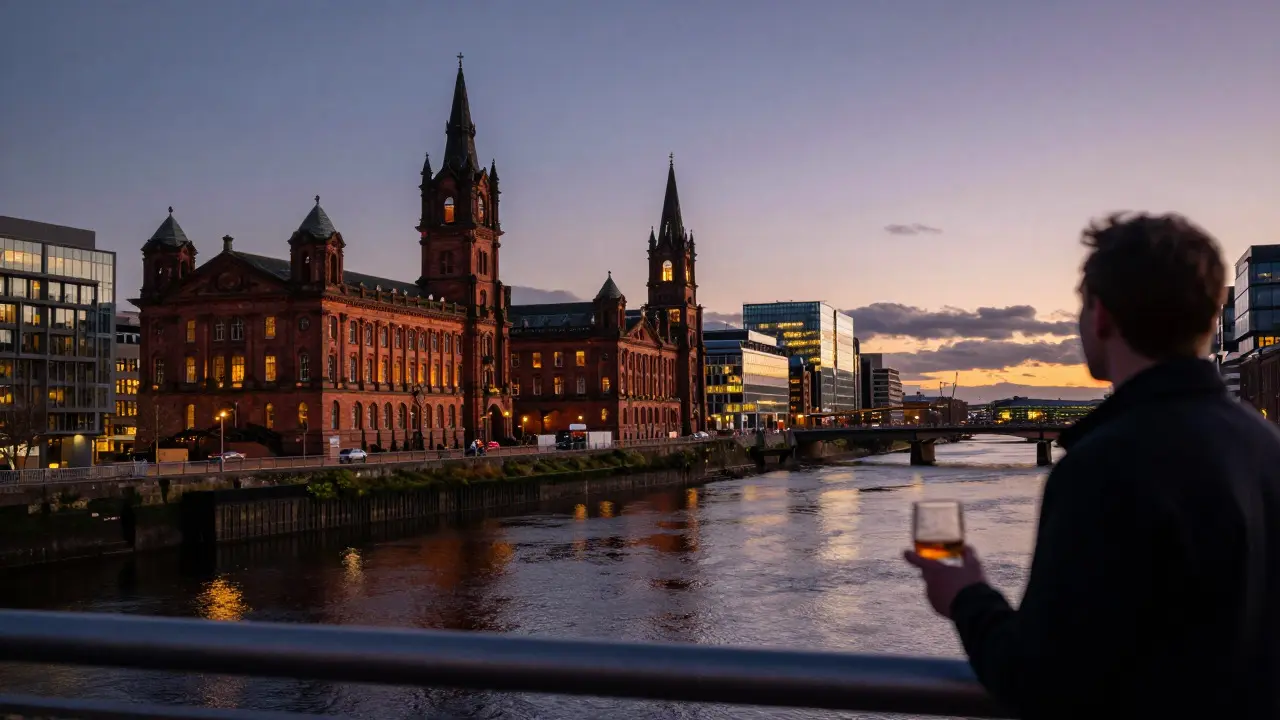
You’ve probably heard the saying that you can’t visit Scotland without tasting its whisky. But when you land in Glasgow, the largest city in Scotland, you might be surprised by how much of that liquid gold is actually produced right under your nose. It’s not just about the famous island distilleries or the highland estates; the city itself has a rich, often overlooked history of distilling that dates back centuries. If you’re planning a trip to Glasgow in 2026, understanding where to go, what to expect, and how to make the most of your time is crucial for a truly authentic experience.
This guide breaks down the reality of visiting distilleries in Glasgow. We’ll look at the specific sites available, the difference between a quick city tasting and a full-day tour, and the practical tips that save you from common pitfalls. Whether you’re a seasoned connoisseur or someone who just likes a good dram, this information will help you navigate the scene with confidence.
Key Takeaways
- Glasgow offers distinct experiences ranging from historic urban distilleries to modern boutique bars and full-day travel tours to surrounding regions.
- The Dram Bar and The Whisky Exchange are central hubs for casual tastings within the city center.
- For an actual production site visit, Glasgow Distillery (formerly known as local micro-distilleries) provides a hands-on look at small-batch production.
- Booking ahead is essential for popular tours, especially during peak tourist seasons like summer and autumn.
- Combining a city-based tasting with a day trip to a major regional distillery offers the best balance of convenience and depth.
Understanding the Glasgow Whisky Landscape
Many visitors assume that all whisky tours involve traveling far into the Highlands or Islands. While those trips are iconic, they require significant time and transport logistics. Glasgow, however, sits in the Lowlands, a region with its own distinct style characterized by lighter, floral, and grassy notes compared to the heavy peat smoke of Islay. Understanding this geographical distinction helps set realistic expectations for what you’ll taste.
The city’s role in whisky history is substantial. In the 18th and 19th centuries, Glasgow was a major hub for blending and exporting whisky. Today, while large-scale industrial production has moved out of the city center, the spirit remains strong through heritage sites, educational centers, and new-generation craft distilleries. This shift means that a "distillery tour" in Glasgow often refers to a curated experience that may include historical education, guided tastings, or visits to smaller, artisanal producers rather than massive copper stills running 24/7.
| Type of Experience | Location | Duration | Best For | Cost Range |
|---|---|---|---|---|
| City Center Tasting Bar | Glasgow City Center | 1-2 hours | Casual explorers, short stays | £15 - £30 |
| Urban Micro-Distillery Visit | Glasgow outskirts/industrial areas | 2-3 hours | Process enthusiasts, craft fans | £25 - £45 |
| Regional Day Trip Tour | Highlands/Lowlands (e.g., Speyside) | Full day (8-10 hours) | Deep divers, scenic travelers | £100 - £200+ |
| Whisky Museum & Education | Glasgow City Center | 1-1.5 hours | Families, history buffs | £10 - £15 |
Top City-Based Tastings and Bars
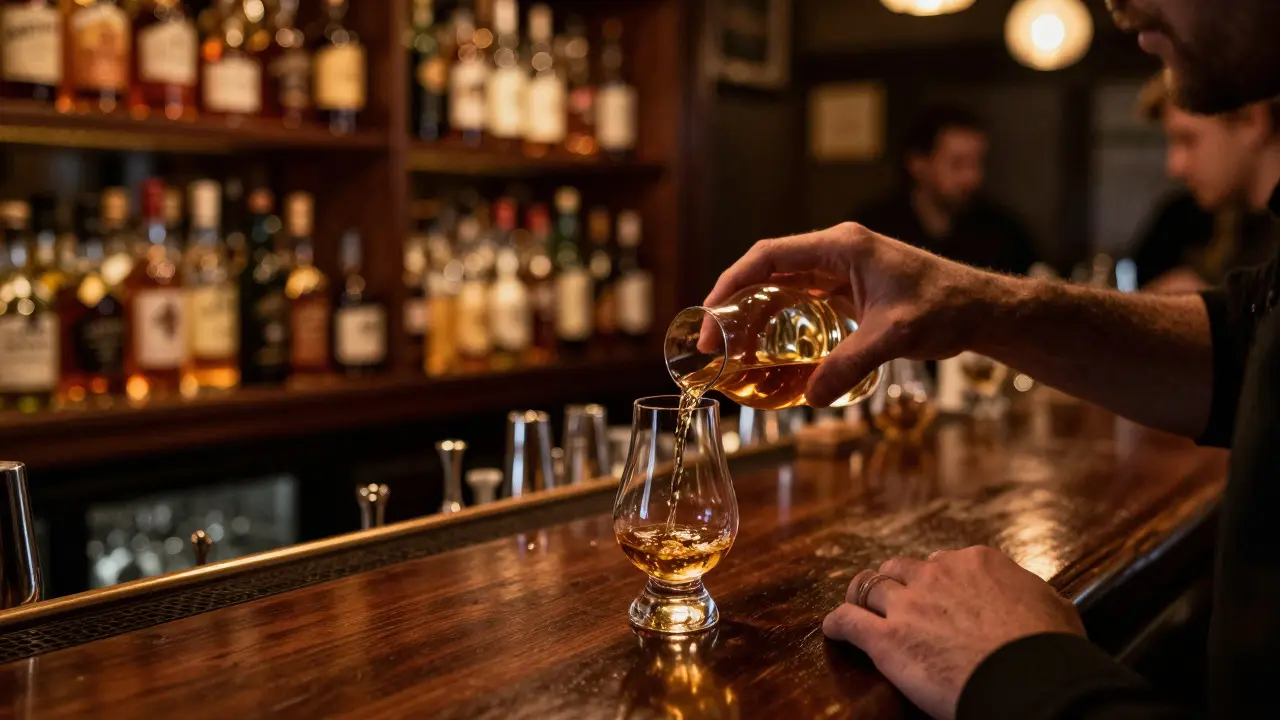
If you’re staying in the city and don’t want to spend eight hours on a bus, starting with a dedicated whisky bar is the smartest move. These venues offer access to hundreds of bottles without the commitment of a formal tour. They serve as excellent introductory points where you can ask staff questions, compare styles, and find a flavor profile you enjoy before committing to a more expensive or time-consuming visit.
The Dram Bar is one of the most well-known spots in the West End. It’s not just a bar; it’s a resource. The staff are knowledgeable and happy to guide you through a flight of samples. You can request a specific region or age statement, and they’ll pull the bottle. It’s a relaxed environment, perfect for a first evening in Glasgow. Another key player is The Whisky Exchange, which operates both retail stores and tasting events. Their approach is often more educational, focusing on the story behind the blend or single malt. These venues allow you to taste at your own pace, which is a huge advantage if you’re sensitive to alcohol or prefer to savor each sip slowly.
Don’t overlook the independent wine and spirit shops that host weekly tastings. Many of these are run by passionate locals who have deep connections to specific distilleries. Attending one of these smaller events can give you a more intimate feel and often includes rare bottlings you won’t find in standard supermarkets. Just check their social media pages or local event listings a few days before your visit, as slots fill up quickly.
Visiting Urban and Nearby Distilleries
For those who want to see the machinery and understand the process, looking slightly outside the immediate city center is necessary. While there aren’t many massive commercial distilleries inside the city limits, several craft and micro-distilleries operate in the greater Glasgow area. These sites offer a glimpse into the modern revival of Lowland distilling.
One notable example is the resurgence of interest in traditional methods. Some smaller operations focus on using local ingredients, such as barley grown in nearby Ayrshire or water sourced from specific springs. When booking these tours, pay attention to what’s included. Does it cover the warehouse? Do you get to smell the casks? Is there a final tasting? The details matter because a "tour" that only involves a video presentation and a single sip isn’t worth the premium price.
Transportation is a factor here. Most urban micro-distilleries are accessible by taxi or ride-share, but some may require a short drive. If you’re planning to drink, arrange return transport in advance. Public transport links to these specific industrial sites can be limited, so relying on a car or pre-booked transfer is often safer and more convenient. Always confirm the exact meeting point, as some facilities are located in less obvious industrial parks.
Planning a Day Trip to Major Regions
If you have at least one full day free, taking a tour to a major whisky-producing region is highly recommended. This is where the scale of production becomes apparent, and the scenery adds a layer of context that city-based visits can’t match. Companies operating out of Glasgow offer various routes, typically heading towards Speyside, the Highlands, or the Lowlands.
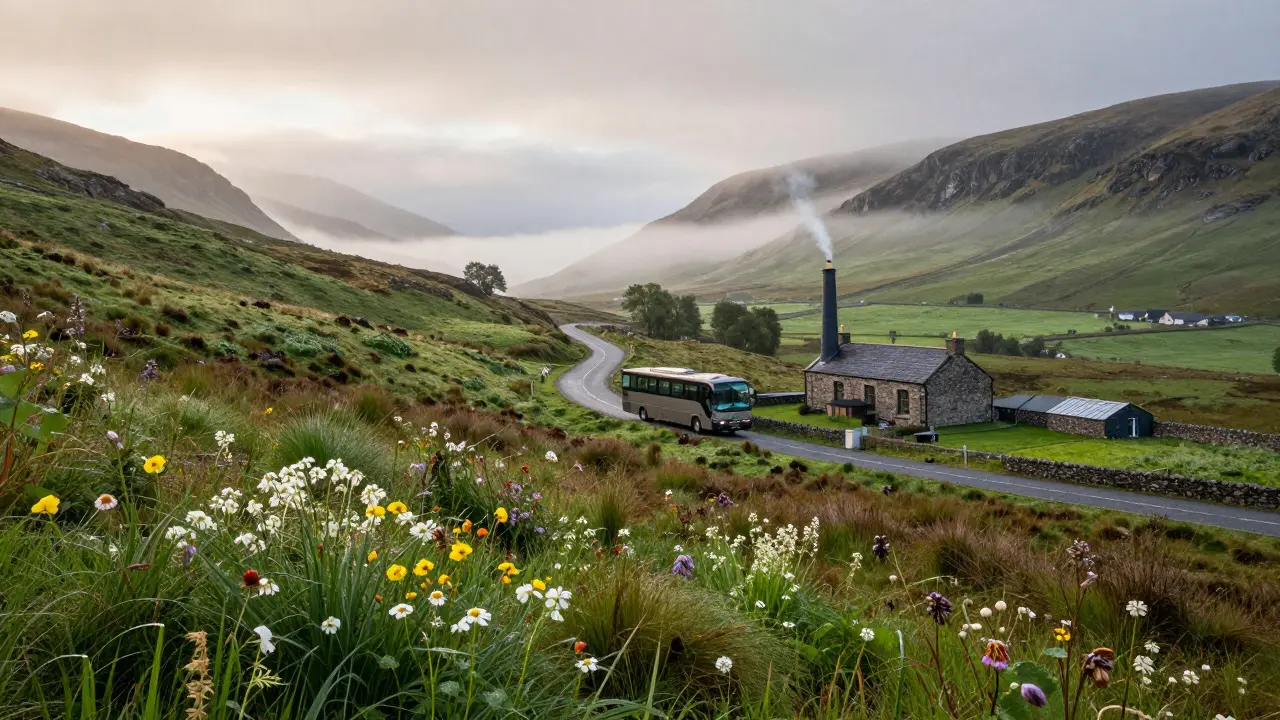
Speyside tours are popular because the region contains a high density of distilleries. A typical day trip might include stops at two or three distilleries, allowing you to compare different malts side-by-side. The buses used for these tours are usually comfortable coaches, and the guides provide historical commentary throughout the journey. However, keep in mind that these tours are structured. You’ll be on a schedule, and the time spent at each distillery is fixed. If you love photography or want to linger in the gift shop, you need to manage your time carefully against the group’s departure clock.
An alternative is hiring a private driver or joining a small-group coach. Small groups (under 10 people) offer more flexibility. The guide can answer specific questions, and you can sometimes adjust the itinerary based on weather or personal preference. This costs more per person but provides a more personalized experience. For solo travelers, this is often the best compromise between safety, cost, and freedom.
Practical Tips for Visitors
Getting the most out of your whisky experience comes down to preparation. Here are some concrete steps to ensure your visit goes smoothly:
- Book in Advance: Popular tours and specific tasting flights sell out weeks in advance, especially in summer. Don’t wait until you arrive in Glasgow to book.
- Hydrate: Whisky is strong. Drink plenty of water between tastings to keep your palate fresh and avoid headaches later.
- Know Your Limits: There’s no rule against trying five different whiskies, but listen to your body. Spacing out tastings over a few days is better than cramming them into one afternoon.
- Check Dietary Needs: If you have allergies or dietary restrictions, inform the tour operator beforehand. Some tastings include food pairings that might contain nuts, dairy, or gluten.
- Dress Comfortably: You might be walking around warehouses or standing for long periods. Wear shoes you can walk in and layers, as indoor temperatures can vary.
- Bring Cash for Tips: While cards are accepted almost everywhere, having some cash handy for tipping guides or bar staff is appreciated and expected in service industries.
Another critical tip is to manage your expectations regarding "peated" whiskies. Not every distillery produces heavily peated spirits. If that’s your favorite style, ask specifically when booking. Conversely, if you dislike smoke, seek out unpeated or lightly finished options. Staff at city bars are generally very good at identifying preferences if you communicate clearly.
What to Taste: A Starter Guide
Walking into a room with hundreds of bottles can be overwhelming. To help you navigate, here are a few categories to explore based on your potential preferences:
- Light and Floral: Look for Lowland whiskies or younger Highland malts. These are easy to drink and great for beginners.
- Rich and Sweet: Speyside malts often feature notes of honey, fruit, and vanilla. They are balanced and widely appealing.
- Smoky and Peaty: If you’re brave, try a light Islay influence or a peated Highland malt. Start with a small sample to gauge your tolerance.
- Aged Statements: Whiskies aged 12, 15, or 18 years offer complexity and smoothness. These are pricier but worth trying once to understand the value of aging.
When tasting, take a moment to observe the color, swirl the glass to release aromas, and then take a small sip. Let it coat your tongue before swallowing. Notice the initial impact, the middle flavors, and the finish. This simple ritual enhances the experience significantly and helps you articulate what you like to staff members, leading to better recommendations.
Frequently Asked Questions
Do I need to book whisky tours in Glasgow in advance?
Yes, it is highly recommended to book in advance, especially for day trips to regional distilleries and popular city tasting events. Walk-ins are possible at some bars, but specific flights or guided tours often require reservations to guarantee your spot.
What is the difference between a city tasting and a distillery tour?
A city tasting usually takes place in a bar or shop and focuses on sampling various whiskies without seeing the production process. A distillery tour involves visiting the actual facility where whisky is made, including viewing stills, warehouses, and the maturation process, often followed by a tasting.
Are there any family-friendly whisky experiences in Glasgow?
Yes, the Scotch Whisky Experience in Glasgow is designed to be family-friendly, offering interactive exhibits and non-alcoholic activities alongside adult tastings. Many bars also offer soft drinks and food options, making them suitable for mixed-age groups.
How much should I budget for a whisky tour in Glasgow?
Budgets vary widely. City-based tastings can range from £15 to £30 per person. Urban micro-distillery visits typically cost £25 to £45. Full-day regional tours, including transport and multiple tastings, usually range from £100 to £200+ per person depending on the number of stops and inclusions.
Can I buy whisky directly from the distillery?
Yes, most distilleries have gift shops where you can purchase their products, often at a slight discount compared to retail prices. You can also buy exclusive bottlings that are not available in regular stores. Be mindful of luggage space if you plan to buy several bottles.
Comments (15)
-
Alyson Karson August 17, 2026
Okay so first off this guide is actually helpful but why does everyone act like Glasgow is the center of the universe for whisky?? It's fine but don't get your hopes up too high unless you want to spend 4 hours on a bus just to see some barrels. The city bars are great though, go to the Dram Bar and stop pretending you need a 'tour' to know what peat is. You're an adult, learn it yourself. Also book ahead or cry about it later. #whiskytruths

-
Chris Neal August 18, 2026
The article makes a valid point about the Lowland style being lighter. Many tourists expect heavy smoke immediately because they've seen movies set in Islay, which is geographically distinct from Glasgow. The historical context provided regarding the 18th-century blending hub is accurate; Glasgow was indeed the commercial engine behind much of Scotland's export trade before industrialization shifted production sites. Understanding this distinction prevents disappointment when one visits urban micro-distilleries that focus on craftsmanship rather than volume.

-
Vishnu Vardhan Reddy M S August 18, 2026
Ooh, I love how they mention the 'liquid gold' under our noses. Very poetic. But let's be real, if you're in Glasgow, you're basically in the back office of the world's biggest bar. Just walk into any shop in the West End and you'll find more variety than in most US states. Don't overthink the tour aspect, just grab a dram and chat with the staff. They're way more interesting than the scripted guides on those day trips. Plus, the food pairing tips are solid. Who knew cheese and whisky were best friends? 🧀🥃

-
Kyle Ware August 20, 2026
good tip about booking ahead. i went last year and missed out on the speyside tour because i waited until i arrived. the small group option is worth the extra cost if you can swing it. less rushing means you can actually smell the casks properly instead of just glancing at them while the clock ticks down. also bring water. seriously. the palate fatigue sets in fast after three flights.

-
Iva Grekova August 21, 2026
I think this is a really balanced take. It doesn't oversell the city experience as the 'real' thing, but it doesn't dismiss it either. For people with short trips, the suggestion to start with a tasting bar is perfect. It lets you calibrate your preferences without committing to a full day away. I always appreciate when travel guides acknowledge that different travelers have different energy levels and budgets. It feels very inclusive and practical.

-
Onyinyechi Nwosu August 23, 2026
the part about transportation is so important. we almost got stuck trying to find a taxi to one of those industrial park distilleries and ended up waiting 40 mins. pre-booked transfer saved us. also the cash tip advice is good to know since not everywhere takes cards easily for small amounts. thanks for sharing these details it helps plan better.

-
Courtney Wagstaff August 25, 2026
Oh my gosh, the section on 'What to Taste' is like a flavor map for your soul! 🗺️✨ If you're feeling adventurous, try that light Islay influence mentioned-it’s like a campfire in a glass but not *too* aggressive. And don't sleep on the floral Lowlands; they’re like a spring meadow in liquid form. 🌸 I did a flight at The Whisky Exchange and the staff walked me through honey notes vs. vanilla notes. It’s like a wine tasting but with more character. Seriously, just swirl it around and breathe it in. Magic stuff. 🥂

-
Bonnie Watt August 25, 2026
You all are missing the point. This guide is basically telling you to settle for scraps. Why would anyone visit Glasgow for whisky when you could just fly to the islands? The whole 'urban micro-distillery' thing is just marketing fluff for people who don't want to do the actual work of traveling. Real whisky connoisseurs know that if it's not aged in oak barrels in a remote castle, it's just expensive alcohol. Save your money and skip the city bars.

-
Meagan Mueller August 25, 2026
Wait wait wait. Did you say 'book in advance'? Or is that just another trap to get your credit card info? I feel like these tours are run by a secret society that only wants to sell you overpriced bottles that taste like wood shavings. My cousin went on one and came back saying the guide was staring at him weirdly. Probably measuring his liver function. 😐 Don't trust the 'local experts'. They're all in on it. The real whisky is hidden in underground bunkers in the Highlands. Trust me.

-
Dave Gibbeson August 26, 2026
Stop overthinking it. Go to the Dram Bar. Order a flight. Drink it. Done. If you want to see stills, hire a driver and go to Speyside. That's it. The rest is noise. But if you do go to Speyside, wear comfortable shoes. You will walk more than you think. And yes, book ahead. It's not hard to figure out. Stop asking questions and just go.

-
Sabrina Newland August 28, 2026
Love the philosophical angle here 🤔. It's interesting how geography dictates flavor profile. It makes you wonder about the connection between place and product. Like how terroir works in wine. The idea that you can taste the grassy notes of the Lowlands vs the smoky notes of Islay is kind of beautiful. It adds a layer of meaning to the drink. Not just consumption but exploration. 🌿🥃 What do others think about the impact of local water sources on the final taste? I'm curious if there's scientific backing for that claim.

-
Amara Akbar August 29, 2026
It is truly wonderful to see such a comprehensive guide. The attention to detail regarding dietary needs is particularly appreciated, as many visitors overlook this crucial aspect of planning. The suggestion to hydrate is also very wise, as maintaining balance during tastings is essential for enjoying the nuances of each spirit. Thank you for putting together such a thoughtful resource for both beginners and seasoned enthusiasts alike.

-
Mark Harvey August 31, 2026
Most of this is common sense. Book ahead. Wear comfy shoes. Don't get drunk on day one. The only new info is the specific names of the bars. Everything else is just repeating what every travel blog has said for ten years. But nice try.

-
Brandon Olvera August 31, 2026
Why do Americans always think they need a 'guide' for everything? Just go to a bar. Order a drink. Talk to people. It's not rocket science. These tours are just a way for tourists to feel like they did something productive. Save the money for a good burger instead. Whisky is just a beverage. Stop making it into a religion.

-
Alyson Karson September 1, 2026
@967 oh please. You sound like a guy who thinks he knows everything because he read one Wikipedia page. A guide is for people who want to actually LEARN something, not just chug drinks and complain about the price. But sure, keep your 'burger' philosophy. We'll be here sipping 18-year-old malts and talking about nosing techniques. Good luck with your beer. 🍺👋