
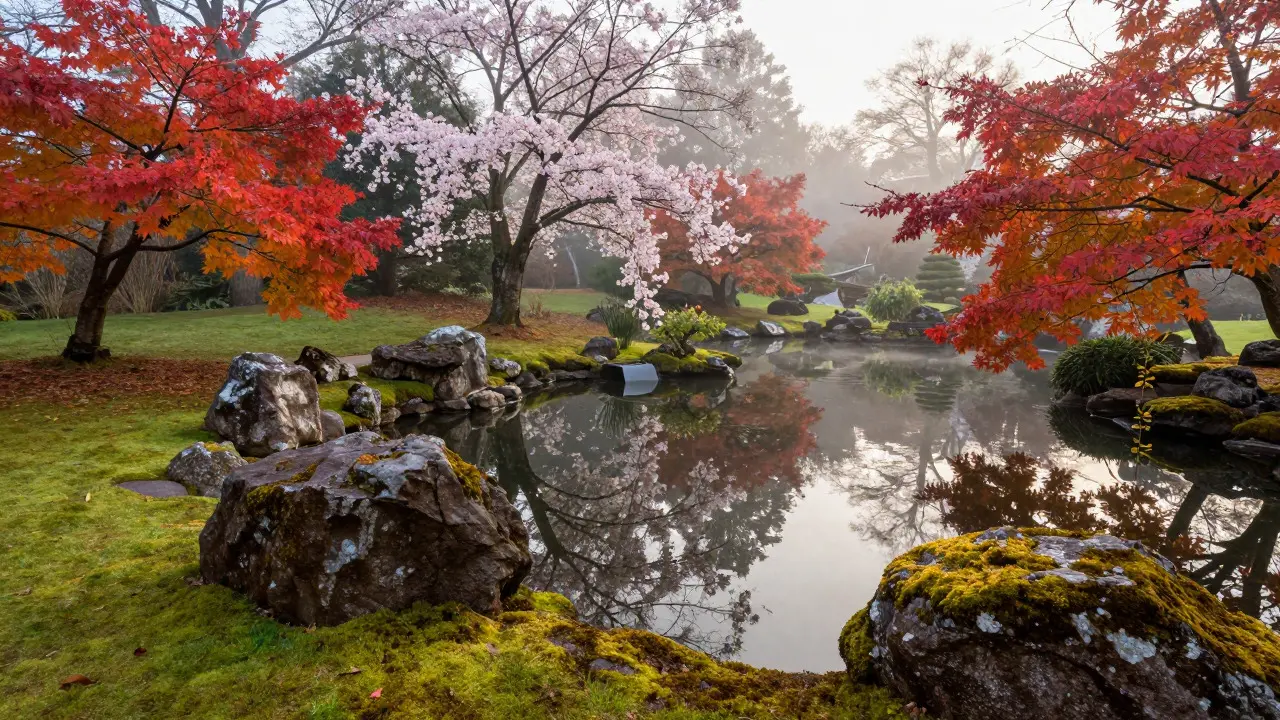
There is a specific kind of quiet that only exists in a well-designed Japanese garden is a landscape style originating from Japan that emphasizes harmony, balance, and the natural beauty of stone, water, and plants. It’s not just about pretty flowers. It’s about the way moss clings to ancient rocks, the sound of water trickling over gravel, and the deliberate framing of a distant view through a wooden lattice. In Scotland, where the climate is damp, cool, and often grey, you might expect these delicate aesthetics to struggle. Yet, across the country, particularly in the Lowlands and near Edinburgh, some of the most authentic and stunning examples of this art form thrive. If you are looking for a place to slow down, reflect, and see nature curated with centuries of philosophy, these gardens are worth the trip.
The Philosophy Behind the Design
Before you step onto the gravel paths, it helps to understand what you are looking at. A traditional Japanese garden is not a random collection of plants. It is a microcosm of the universe. The design relies on principles like wabi-sabi, which finds beauty in imperfection and transience, and shakkei, or "borrowed scenery," where the garden incorporates distant mountains or forests into its visual composition. In Scotland, designers have had to adapt these principles to local conditions. Instead of cherry blossoms, which often fail to bloom reliably due to late frosts, you will see azaleas, camellias, and rhododendrons. These plants love the acidic soil and rain that Scotland provides in abundance.
The use of materials is also key. Bamboo, while iconic, is not native to Scotland and can be invasive if not managed carefully. Many Scottish gardens use native timber for structures and focus heavily on stone and water features, which align perfectly with the rugged Scottish landscape. The goal is always tranquility. When you walk through these spaces, notice how the path forces you to slow down. There are no straight lines here. Every turn reveals a new perspective, encouraging mindfulness and a deeper connection with the environment.
Top Destinations for Authentic Experiences
Finding a truly authentic Japanese garden in Scotland requires knowing where to look. While many public parks have "Japanese corners," only a few offer the depth and integrity of the original design philosophy. Here are the places that stand out for their commitment to authenticity and beauty.
| Garden Name | Location | Key Features | Best For |
|---|---|---|---|
| The Japanese Garden is a renowned botanical garden located within the Royal Botanic Garden Edinburgh, featuring traditional elements like ponds, bridges, and bamboo groves. | Edinburgh | Koi ponds, weeping cherries, tea house | First-time visitors, families |
| Cambo Gardens is a private walled garden in Fife known for its extensive plant collections and serene Japanese-inspired sections. | Fife (near Cupar) | Moss lawns, stone lanterns, rare shrubs | Horticulture enthusiasts, quiet reflection |
| Glenfeshie Castle is a historic estate in Aberdeenshire that includes a beautifully landscaped garden with distinct Japanese influences. | Aberdeenshire | Mountain views, integrated water features | History buffs, scenic drives |
Royal Botanic Garden Edinburgh: The Gold Standard
If you only visit one, make it the Japanese Garden in Edinburgh. Opened in 1993, it was designed by Shiro Ogasawara, a master gardener from Kyoto. This isn’t a themed attraction; it is a serious horticultural space. The garden is divided into three main areas: the Pond Garden, the Tea House Garden, and the Moss Garden. The Pond Garden features a large water feature with koi carp, surrounded by weeping cherry trees and maples. In autumn, the colors are spectacular. The Tea House Garden offers a more intimate experience, with a traditional wooden structure where you can sit and sip matcha while watching the world go by. The Moss Garden is perhaps the most striking, showcasing thousands of varieties of mosses that thrive in Scotland’s humid climate. It feels like stepping into a miniature forest floor, soft and silent underfoot.
Cambo Gardens: Hidden Gem in Fife
For those willing to drive south to Fife, Cambo Gardens is a revelation. Located near Cupar, this private garden has been cultivated for decades with a strong emphasis on Japanese aesthetics. Unlike the larger public gardens, Cambo feels personal and secluded. The owners have invested heavily in creating authentic stone arrangements and water channels that mimic mountain streams. The use of iwaki (stone basins) for hand-washing before entering certain areas adds a ritualistic touch that enhances the sense of respect for the space. The plant selection here is exceptional, with rare species of Acer (maple) and Hosta that would struggle in drier climates but flourish here. It is a place for serious gardeners who appreciate the nuance of plant texture and color harmony.
Glenfeshie Castle: Highland Harmony
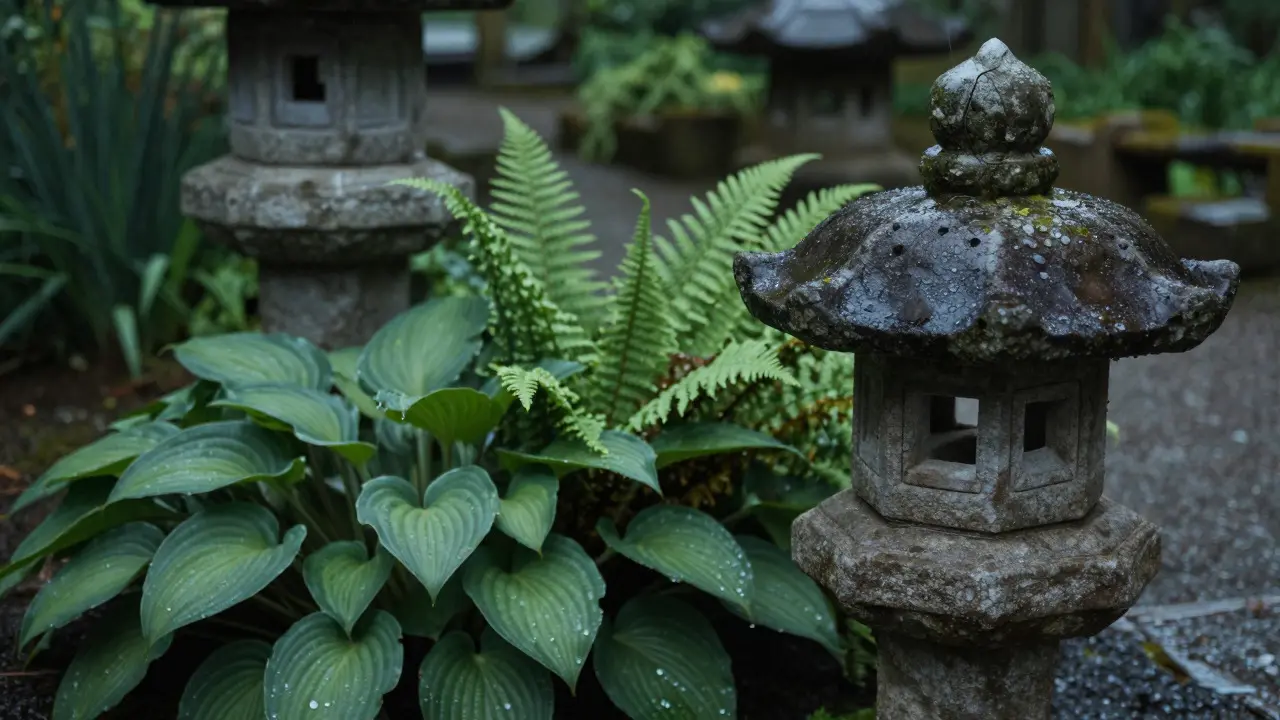
Further north, Glenfeshie Castle in Aberdeenshire offers a different take on the theme. Set against the backdrop of the Grampian Mountains, the garden uses the concept of borrowed scenery to great effect. The Japanese elements are integrated into a broader formal garden layout, creating a unique blend of Scottish grandeur and Japanese subtlety. Stone lanterns punctuate the lawn, and carefully pruned conifers frame views of the distant peaks. This garden demonstrates how Japanese design principles can be adapted to larger, more open landscapes without losing their essence. It is less about dense planting and more about spatial awareness and the relationship between built structures and the wild surroundings.
Design Elements You Should Notice
When visiting these gardens, look beyond the obvious. Pay attention to the details that define the style. One crucial element is the use of negative space, or ma. In Western gardening, empty space is often seen as a mistake to be filled. In Japanese design, it is intentional. It allows the eye to rest and gives importance to the objects placed within it. Watch how a single rock or a small tree is positioned to create balance rather than symmetry.
Another key feature is the manipulation of scale. Large rocks are used to represent mountains, while raked gravel symbolizes oceans. This miniaturization allows visitors to experience vast landscapes in a confined area. In Scotland, this technique is particularly effective because it contrasts the tiny, controlled garden with the immense, untamed wilderness outside its walls. The juxtaposition creates a powerful emotional response, reminding us of our small place in the natural world.
Practical Tips for Your Visit
Planning your visit correctly ensures you get the most out of the experience. Timing is everything. Spring is ideal for seeing azaleas and early maples, but autumn is arguably better for the fiery reds and oranges of Japanese maples. Avoid midday sun if possible, as the best light for photography and appreciation is early morning or late afternoon when shadows lengthen and textures become more pronounced.
- Wear appropriate footwear: Paths may include gravel, wood chips, or uneven stone. Comfortable, quiet shoes are best to maintain the tranquil atmosphere.
- Respect the silence: These gardens are designed for contemplation. Keep voices low and avoid loud music or sudden movements.
- Check opening hours: Some private gardens like Cambo require advance booking. Always verify current times before traveling.
- Bring cash: While most major sites accept cards, smaller vendors or donation boxes may prefer cash.

Why Japanese Gardens Thrive in Scotland
You might wonder why Japan’s aesthetic works so well in Scotland. The answer lies in the climate. Both regions share high rainfall and moderate temperatures. Japan’s coastal areas, particularly in the north, have similar weather patterns to Scotland. This means plants like ferns, mosses, and evergreens grow vigorously here. The misty mornings in the Scottish Highlands mirror the ethereal quality sought after in Japanese Zen gardens. Rather than fighting the weather, these gardens embrace it. Rain becomes part of the soundscape, drumming on broad leaves and filling pools. Fog obscures distant views, adding mystery and depth. It is a perfect marriage of place and philosophy.
Creating Your Own Miniature Space
Inspired by what you’ve seen? You don’t need acres of land to bring this peace home. Start small. Focus on three elements: stone, water, and greenery. Use a shallow bowl filled with pebbles and rake them into waves. Add a single, interesting stone as an island. Plant a small bonsai or a potted fern nearby. The key is restraint. Do not clutter. Let each element breathe. Even a balcony in Dundee or Glasgow can become a sanctuary if you apply these principles of simplicity and intentionality.
Are there any free Japanese gardens in Scotland?
While most dedicated Japanese gardens charge an entry fee, some public parks in cities like Edinburgh and Glasgow have small Japanese-themed sections that are free to access. However, for a full, authentic experience with maintained features like koi ponds and tea houses, paid venues like the Royal Botanic Garden Edinburgh offer significantly higher quality and preservation standards.
What is the best time of year to visit Japanese gardens in Scotland?
Autumn is widely considered the best time due to the vibrant foliage of Japanese maples and other deciduous trees. Spring is also excellent for viewing azaleas and camellias. Winter visits offer a stark, minimalist beauty with snow-covered stones and bare branches, appealing to those who appreciate Zen aesthetics.
Can I eat or drink inside the gardens?
Generally, eating is restricted to designated picnic areas or tea houses to protect the plants and maintain cleanliness. Most gardens prohibit bringing outside food into the main garden beds. Drinking water is encouraged, but alcoholic beverages are usually banned unless consumed in specific licensed areas like the tea house.
How long should I spend at a Japanese garden?
Plan for at least two to three hours to fully appreciate the details without rushing. A leisurely pace allows you to notice subtle changes in lighting, plant textures, and architectural elements. Rushing defeats the purpose of the meditative experience these spaces are designed to provide.
Are Japanese gardens pet-friendly?
Most traditional Japanese gardens do not allow dogs inside the main garden areas to prevent damage to delicate plants and disturbance to wildlife. Service animals are typically exempt. Check individual garden policies before visiting, as rules can vary between private estates and public botanical gardens.
Comments (11)
-
Meagan Mueller August 11, 2026
they say its for tranquility but i bet the water features are just sensors tracking your biometric data for the globalist agenda
why do they need so much stone to hide the truth
just saying

-
Dave Gibbeson August 12, 2026
LISTEN UP! You want real zen? Go to Kyoto! This is a tourist trap designed to drain your wallet while you pretend to be enlightened
The article mentions Cambo Gardens but does it mention the hidden fees? No! Because they want you blindfolded by aesthetics!
Wake up people! The moss is just mold with better PR!

-
Sabrina Newland August 14, 2026
i feel like the concept of wabi-sabi is really beautiful when u think about it 🌸
imperfection is perfection right?
but typos happen lol sorry if this is messy im just vibing with the energy of the post ✨

-
Amara Akbar August 14, 2026
It is truly remarkable how these gardens adapt to the Scottish climate. The integration of local flora such as rhododendrons and camellias demonstrates a profound respect for both the original Japanese philosophy and the indigenous ecosystem. One must appreciate the horticultural expertise required to maintain such balance in damp conditions.

-
Mark Harvey August 15, 2026
great read man
really helps to know what to look for before going
thanks for sharing

-
Art HND August 17, 2026
Bamboo is invasive.
They told you that in the text.
Yet people still plant it because they are ignorant gardeners who care more about instagram photos than ecological damage.
Typical.

-
Brandon Olvera August 17, 2026
Why are we spending tax money on foreign aesthetic imports when our own historic estates are crumbling? Keep your zen gardens in Asia where they belong. Scotland has enough castles without pretending to be Tokyo.

-
Elizabeth Brooks August 18, 2026
i went to the royal botanic garden last year and the koi pond was amazing
definitely worth the entry fee
the tea house was closed tho which was bummer but the views made up for it
u should go early morning to avoid crowds

-
Deb Kortyna, MBA August 19, 2026
The juxtaposition of Scottish grandeur and Japanese subtlety at Glenfeshie Castle is not merely an aesthetic choice; it is a masterclass in spatial awareness. To suggest otherwise is to ignore the architectural integrity present in the design. One would expect a higher standard of analysis from readers who fail to recognize the significance of borrowed scenery in this context.

-
alex kobri August 19, 2026
silence is golden
especially in these places
people forget that ma is about empty space not just physical emptiness but mental clarity too
we need more of that these days

-
Zach Loescher August 20, 2026
I have always been curious about how the raked gravel symbolizes oceans. It seems like a very specific metaphor that requires a certain mindset to fully appreciate. I wonder if visitors from different cultural backgrounds interpret this differently or if the visual language is universal.
