
The Secret of the Angel's Share
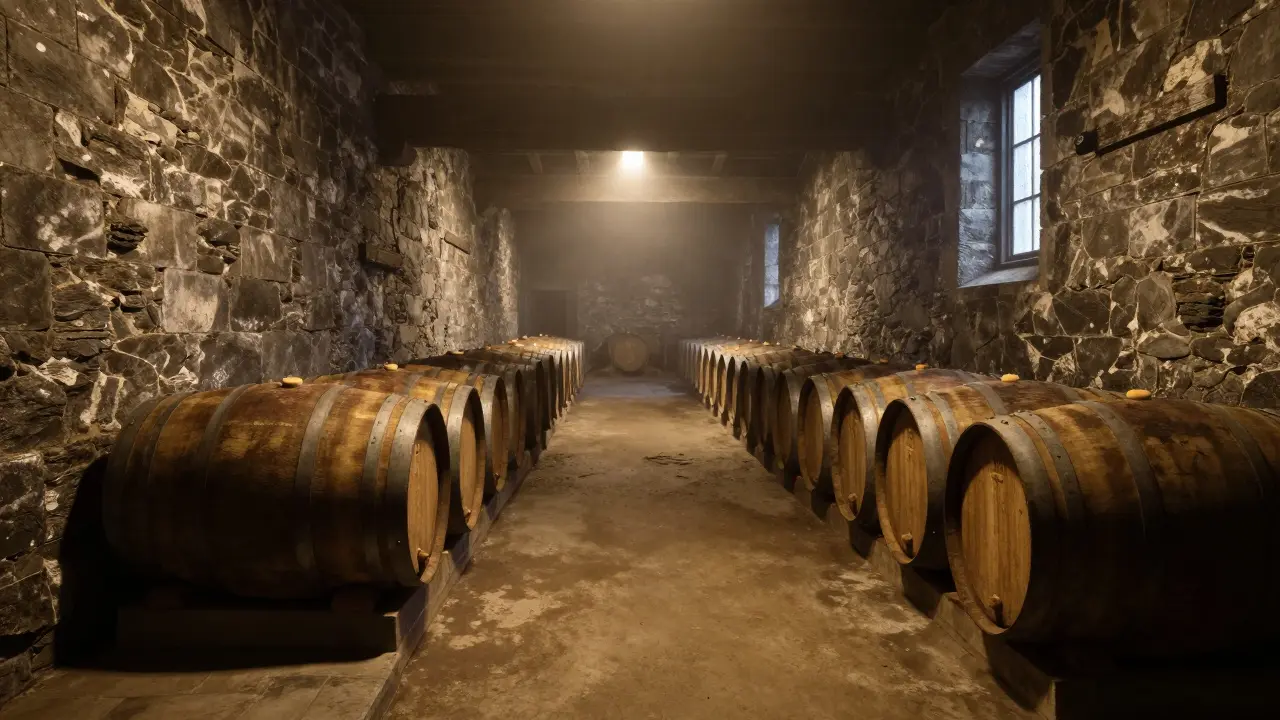
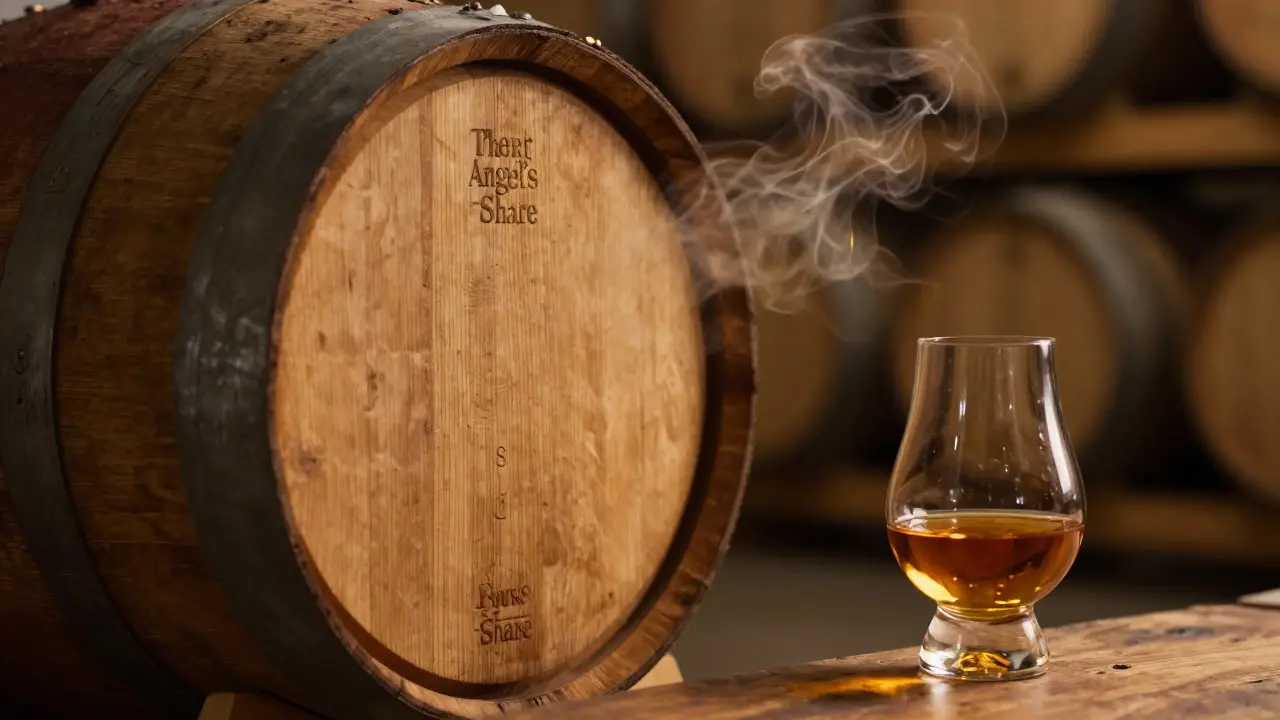
If you spend a few minutes in a warehouse, you'll notice a sweet, heady scent that almost feels like a physical weight in the room. That is the Angel's Share. In the industry, this refers to the portion of whisky that evaporates through the porous wooden staves of the cask during the aging process. In the Highlands or on Islay, where the air is humid, the evaporation rate varies, but generally, about 2% of the volume is lost every year. Why does this matter for your tasting? Because the air in the warehouse is saturated with these ethanol vapors. This doesn't just smell great; it actually changes how your palate perceives the whisky. When you taste a sample in the warehouse, you are breathing in the same aromatic compounds that are slowly leaving the barrel. It creates a sensory loop that makes the whisky taste more "integrated" than it would in a sterile environment.Decoding the Casks
Not all barrels are created equal. When you're doing a warehouse tour, you'll see a variety of Casks, and the type of wood dictates the final personality of the drink. Most Scottish distilleries use a combination of different woods to achieve a balanced profile.| Cask Type | Origin | Typical Flavor Profile |
|---|---|---|
| First-Fill Bourbon | USA | Vanilla, coconut, creamy caramel |
| Oloroso Sherry | Spain | Dried figs, dates, dark chocolate |
| Ex-Wine Casks | France/Global | Berry notes, floral, higher acidity |
| Refill Casks | Various | More distillery character, less wood influence |
The Architecture of Aging: Dunnage vs. Racked
Where you stand matters. Most traditional Scottish distilleries use Dunnage Warehouses. These are the classic buildings with thick stone walls and earthen floors. The casks are stored directly on the ground, often on low stone plinths. This design keeps the temperature stable and the humidity high, which is essential for a slow, steady maturation. In contrast, you might see Racked Warehouses, where barrels are stacked high on metal frames. While these are more space-efficient, they lack the romantic, damp atmosphere of the dunnage style. In a dunnage warehouse, the air circulation is slower, and the "micro-climate" near the floor is different from the air near the ceiling. This can actually lead to slight variations in how casks at different levels age, adding another layer of complexity to your tasting experience.Safety First: Why the Rules Exist
Walking into a warehouse is a bit like walking into a chemistry lab that hasn't been cleaned in a hundred years. Safety isn't just a formality; it's a necessity. The primary concern in these spaces is the buildup of Ethanol Vapors. Because the Angel's Share is constantly evaporating, the air can become rich in alcohol. In poorly ventilated areas, this can actually be flammable. This is why you'll notice strict rules: no smoking, no lighters, and absolutely no sparks. You'll also see that guides insist you stay on the marked paths. Why? Because dunnage warehouses are often uneven. A stray piece of gravel or a damp patch of earth can lead to a nasty trip, and the last thing you want is to knock over a cask that has been aging for 30 years. Another safety factor is the "leaker." Occasionally, a cask seal fails, and whisky leaks onto the floor. While it smells heavenly, it makes the floor incredibly slippery. Always wear sturdy shoes-leave the flip-flops at the hotel. If you see a puddle of gold on the floor, don't touch it; just keep moving.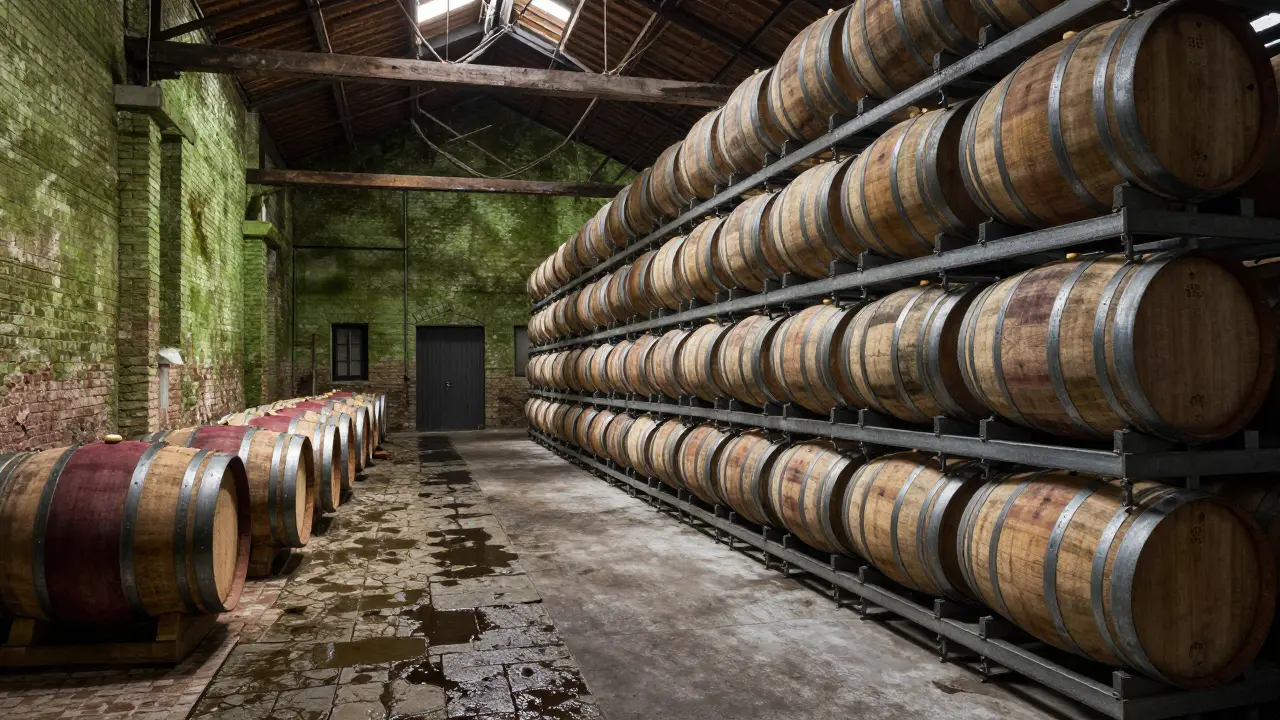
How to Approach Your First Warehouse Tasting
If you've never done this before, it can be overwhelming. The intensity of the smells and the strength of the spirits can fatigue your palate quickly. To get the most out of the experience, follow a few simple heuristics:- Scent the air first: Before tasting the liquid, take a deep breath of the warehouse air. This primes your brain for the flavors you're about to encounter.
- Start light: If offered multiple casks, start with the younger or more lightly peated samples. Moving from a heavy Islay peat to a delicate Speyside floral is like eating a ghost pepper and then trying to taste a strawberry-you won't taste the strawberry.
- Use the "Nose-Sip-Savor" method: Smell the glass, take a tiny sip, let it coat your tongue, and then breathe out through your nose. This allows the aromatic compounds to hit your olfactory sensors from the back of the throat.
- Stay hydrated: Cask strength whisky dehydrates you fast. Drink a glass of water between every sample to keep your taste buds sharp.

Connecting the Dots: From Grain to Glass
To truly appreciate a warehouse tasting, you have to understand where the liquid came from. The process starts with Malted Barley, which is processed in the mash tun and fermented in washbacks. After distillation in copper pot stills, the clear spirit-called "new make"-is put into the casks. The interaction between the spirit and the wood is a chemical conversation. The wood removes harsh impurities (the "sulfurs") and adds tannins and sugars. This is why a 3-year-old whisky tastes like raw grain and fire, while a 21-year-old tastes like old library books and dried apricots. When you stand in the warehouse, you are witnessing the final, longest stage of this journey. The warehouse isn't just a storage unit; it's the final ingredient in the recipe.Is it legal to taste whisky directly from the cask?
Yes, provided it is done under the supervision of the distillery and within their designated tasting areas. Most distilleries have specific licenses that allow for sampling for quality control and tourism purposes.
Why does warehouse whisky taste different from the bottle?
Bottled whisky is usually chilled-filtered to remove sediment and diluted with water to reach a consistent 40-46% ABV. Warehouse samples are unfiltered and usually at their natural cask strength, making them more intense and complex.
What is the safest way to dress for a warehouse visit?
Wear closed-toe, waterproof shoes with good grip. Warehouses can be damp and the floors uneven. Layers are also recommended, as stone warehouses remain cool even in the height of summer.
Can I buy a sample of the whisky I tasted in the warehouse?
Generally, no. The whisky in the casks is still maturing and hasn't been bottled. However, many distilleries will point you toward a bottled expression that comes from a similar cask type or age profile.
What happens if I feel overwhelmed by the fumes?
The high concentration of ethanol can occasionally cause lightheadedness for sensitive individuals. If this happens, simply step back outside into the fresh air for a few minutes; the feeling usually disappears instantly.
What to do next
If you've fallen in love with the warehouse experience, your next step should be exploring "Single Cask" releases. These are bottles where the entire contents of one specific barrel were put into a limited run of bottles, mimicking that warehouse experience at home. You can also look into the difference between "Non-Chill Filtered" and "Natural Color" whiskies, as these are the closest bottled equivalents to what you taste in the dunnage warehouses of Scotland.Comments (12)
-
LeVar Trotter April 23, 2026
The distinction between dunnage and racked warehouses is a crucial point for any enthusiast to grasp since the thermal mass of the stone and the hygroscopic nature of the earthen floors fundamentally alter the esterification process over decades. It's a beautiful example of how terroir isn't just about the soil the barley grows in, but the very air the spirit breathes while it matures in the wood.

-
Tia Muzdalifah April 24, 2026
this sounds so cool!! i love the idea of just soaking in that vibey atmospere while sipping some scotch. definitely adding a warehouse visit to my bucket list for when i finally make it to scotland 🥃

-
Pamela Watson April 25, 2026
Actually, everyone knows that the first-fill bourbon casks are way more popular because they give that sweet vanilla hit that beginners love, but if you really know your stuff, you look for the refill casks to taste the actual distillery spirit without all that heavy wood masking everything :)

-
Albert Navat April 26, 2026
Talking about the Angel's Share is great and all, but we gotta discuss the volatility of the ethanol concentrations in those low-ventilation zones. If the LEL (Lower Explosive Limit) hits a certain threshold and some tourist fumbles a spark, the whole dunnage setup becomes a massive bomb. Pure chemistry, man.

-
Aafreen Khan April 27, 2026
plz tell me why ppl think this is "magical" lol it's literally just booze in a damp shed 🙄 i've had better tastings in my own living room without the risk of slipping on a "puddle of gold" haha 💅

-
Zoe Hill April 29, 2026
I just love how much passion goes into these distillries! It's so wonderful that they let us experience the raw side of the process, even if the alcohol burn is a bit intens at first. Such a great way to connect with the tradtion!

-
King Medoo April 29, 2026
It is fundamentally irresponsible to encourage tourists to enter environments where flammable vapors are present without a more rigorous emphasis on the moral obligation of the distillery to enforce safety protocols over profit-driven tourism 🧐. One must wonder if the allure of a "raw experience" outweighs the inherent risks posed to the public in these ancient structures 🥃🛡️.

-
Rae Blackburn April 30, 2026
you guys actually think the government lets you into these warehouses without some kind of surveillance on the high value casks i bet they only let you see the ones they dont care about while the real vintage stuff is hidden in bunkers we cant even imagine

-
michael T April 30, 2026
Walking through those stone halls feels like a fever dream where the smell of old oak just wraps around your soul and suffocates every single worry you've ever had. It's a visceral, liquid gold haze that makes the rest of the world feel like a grayscale photocopy of a better life.

-
Christina Kooiman May 1, 2026
I simply cannot believe that people are ignoring the sheer lack of consistency in the terminology used here, and while the description of the scent is quite evocative, the sentence structure throughout this entire discussion is honestly an absolute nightmare that makes me want to scream into a pillow for ten minutes straight!

-
Stephanie Serblowski May 2, 2026
Oh sure, let's just trust the "nose-sip-savor" method to solve everything because obviously a little bit of olfactory priming is all you need to handle 62% ABV without your taste buds basically exploding in your mouth ;) such a sophisticated approach to getting hammered in a basement!

-
Tyler Durden May 3, 2026
This is honestly such a rush!! Imagine the sheer energy of that first sip of cask strength... it's like a lightning bolt to the senses!!! Who else is ready to book a flight to the Highlands right now??!!
