
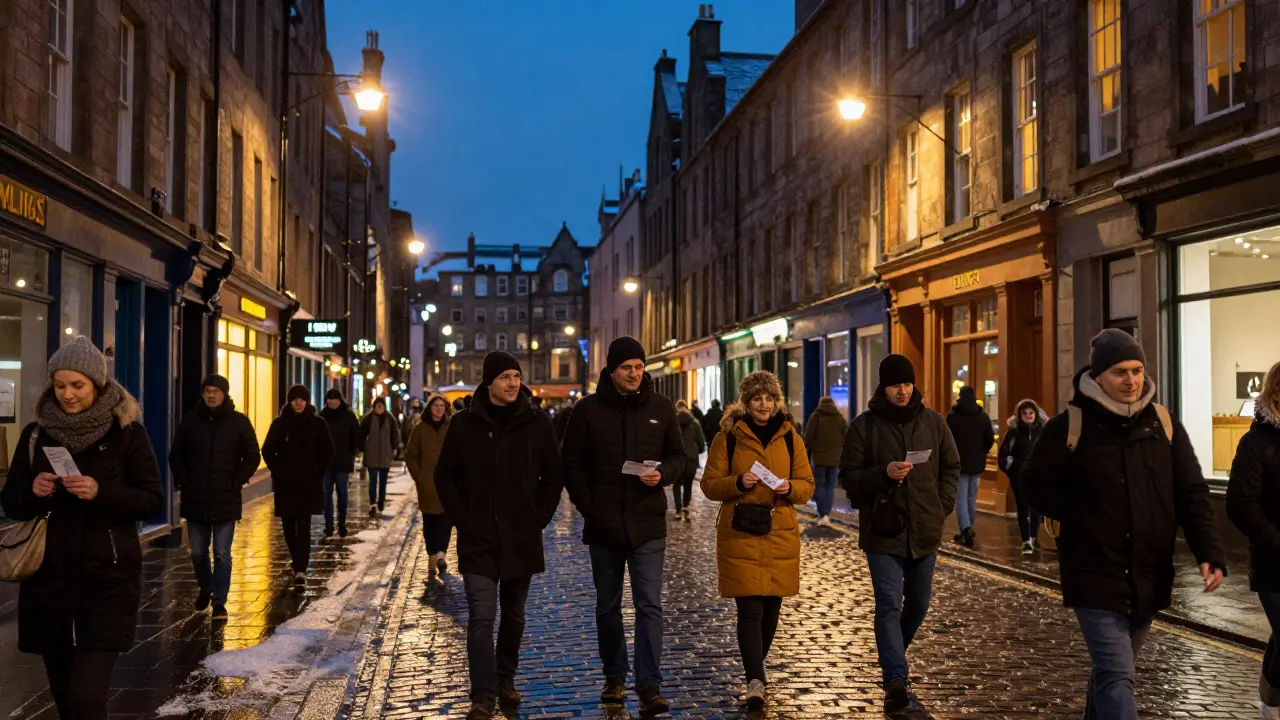
Imagine walking through the streets of Glasgow in mid-January. It’s dark, it’s cold, and most people are huddled indoors. But if you’re holding a ticket to Celtic Connections, you’re not just attending a concert-you’re stepping into the heartbeat of a global musical revolution. For over two decades, this festival has transformed the city into a stage for folk, roots, and world music, drawing artists from every corner of the globe.
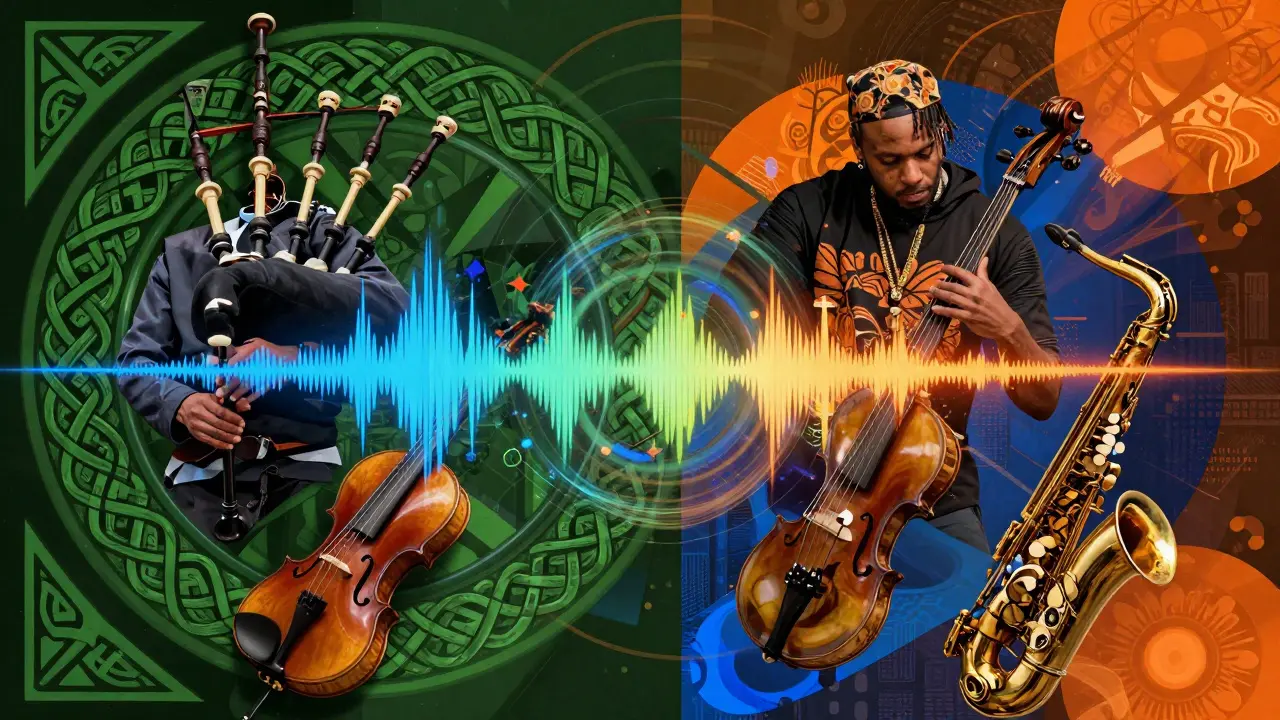
Unlike summer festivals that rely on sunshine and beer tents, Celtic Connections is an intimate, venue-hopping experience. It doesn’t just showcase traditional bagpipes and fiddles; it pushes boundaries by blending those sounds with jazz, electronica, hip-hop, and contemporary classical music. If you love discovering new artists before they hit the mainstream, or if you want to see how ancient traditions evolve in modern times, this is your destination.
What Is Celtic Connections Really?
Celtic Connections started in 1994 as a small initiative to celebrate Scottish culture during the dead of winter. Today, it is recognized by Guinness World Records as the largest folk music festival in the world. But calling it just a "folk" festival misses the point entirely. It is a massive cultural ecosystem that includes concerts, workshops, talks, and late-night club sessions.
The festival runs for about two weeks, typically from mid-January to early February. During this time, more than 30 venues across Glasgow host hundreds of performances. You might catch a renowned cellist playing a sold-out show at the Royal Concert Hall one night, and a gritty punk-folk band in a basement bar in the East End the next. This variety ensures that there is something for everyone, whether you are a purist who loves traditional ballads or an experimental listener curious about cross-genre fusion.
The core mission remains unchanged: to connect cultures through music. Artists from Ireland, Scandinavia, the Balkans, South America, and Africa share stages with local Scottish talent. This exchange creates a unique atmosphere where geography becomes irrelevant, and rhythm takes center stage.
Why Attend in Winter?
You might wonder why anyone would plan a holiday around a January festival. The answer lies in the exclusivity and intimacy of the experience. Summer festivals attract huge crowds, often leading to impersonal experiences and logistical headaches. Celtic Connections offers the opposite. Venues are smaller, allowing you to stand close to the performers. You can hear the breath of the violinist or the subtle click of a guitarist’s pick.
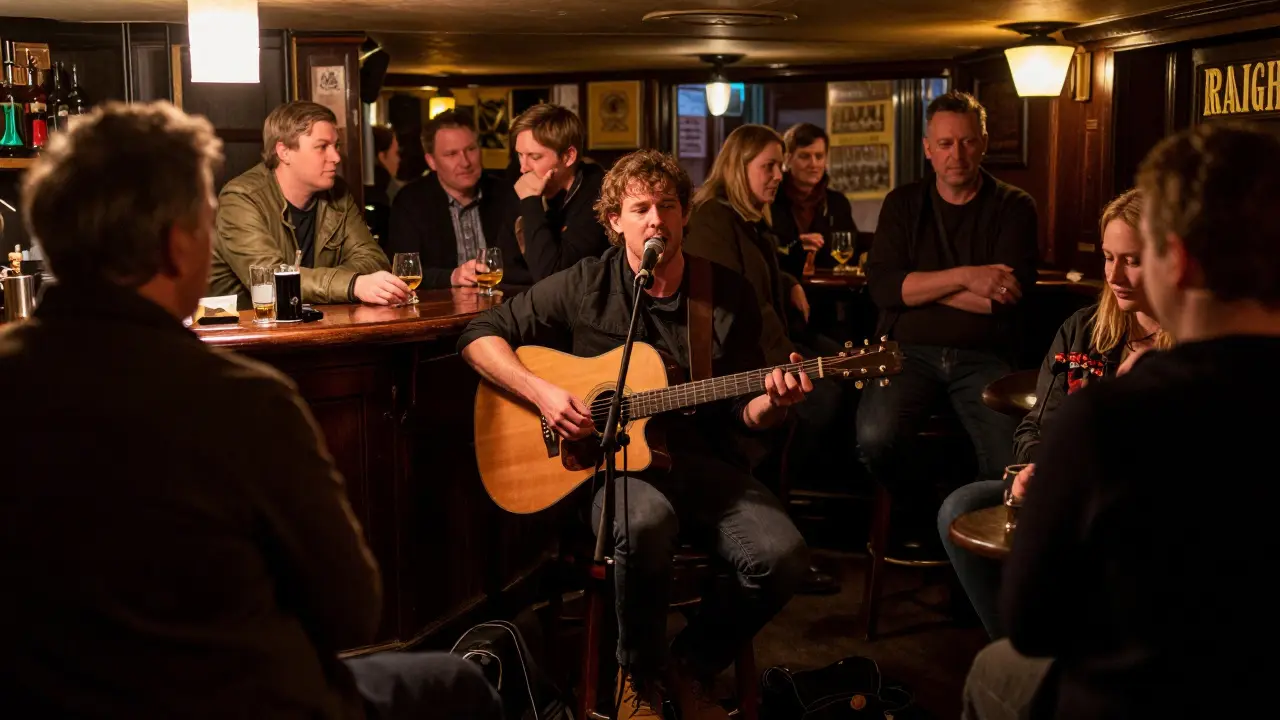
Moreover, the winter setting adds a layer of coziness that defines the Scottish hospitality known as "craigh." After a set, you’ll find yourself in warm pubs with friends you’ve met at the gig, discussing the performance over a dram of whisky or a pint of ale. This social aspect is integral to the festival. It’s not just about listening; it’s about connecting with fellow music lovers and the artists themselves, many of whom mingle freely with the audience between sets.
From a practical standpoint, visiting Glasgow in January means fewer tourists overall. Hotels are more affordable, and restaurants don’t require last-minute bookings. You get the full city experience without the peak-season rush, making it easier to explore other attractions like the Kelvingrove Art Gallery or the historic George Square when you aren’t at a show.
Key Venues You Should Know
Navigating the festival requires understanding its venue landscape. While the official program lists dozens of locations, several key hubs anchor the experience. Knowing these spots helps you plan your route efficiently.
| Venue Name | Vibe & Capacity | Best For |
|---|---|---|
| King Tut’s Wah Wah Hut | Intimate, energetic (~200) | Emerging artists, punk-folk, late-night gigs |
| Susanna’s | Cozy, acoustic-friendly (~150) | Singer-songwriters, traditional folk |
| Tron Theatre | Modern, versatile (~600) | Jazz fusion, dance performances, larger bands |
| City Halls | Grand, historic (varies) | Opening/closing ceremonies, major headline acts |
| Barrowland Ballroom | Legendary, vibrant (~1,500) | High-energy rock-folk, popular headliners |
King Tut’s Wah Wah Hut is arguably the most famous small venue in Scotland. It launched the careers of Oasis and Franz Ferdinand, but for Celtic Connections, it’s a hotspot for raw, unpolished talent. If you want to discover the next big thing in folk-rock, start here. On the other end of the spectrum, the Barrowland Ballroom offers a grander experience with excellent acoustics and a dance floor that stays packed until closing time.
For a more refined experience, the Tron Theatre provides a clean, modern space ideal for complex compositions involving orchestras or electronic elements. Meanwhile, Susanna’s remains a favorite for traditionalists seeking a quiet night of storytelling through song. Each venue contributes to the festival’s diverse texture, ensuring no two nights feel the same.
How to Plan Your Schedule
One of the biggest challenges of Celtic Connections is choice paralysis. With so many shows happening simultaneously, you’ll inevitably miss some acts. The key is to prioritize based on your interests and geographic location. Here’s a strategy to maximize your enjoyment:
- Download the Official App Early: The festival app is essential. It updates in real-time with schedule changes, venue maps, and artist bios. Create your personal calendar as soon as the lineup drops, usually in November.
- Cluster by Area: Group your gigs by neighborhood. For example, spend Tuesday evening in the West End near the University, and Wednesday night in the City Centre. This minimizes travel time and reduces stress.
- Mix Big and Small: Don’t fill your schedule only with headline acts. Some of the most memorable moments come from surprise slots in small bars. Balance one major show per day with two smaller, exploratory gigs.
- Leave Buffer Time: Shows often run late, especially in intimate venues where artists chat with the crowd. Allow at least 45 minutes between gigs if they are in different parts of the city.
- Attend Workshops: Many days feature free or low-cost workshops where you can learn instruments, songwriting techniques, or production skills. These are great breaks between intense listening sessions.
Remember, you don’t need to attend every show. Quality over quantity matters. It’s better to fully immerse yourself in three amazing performances than to rush through six mediocre ones.
Ticketing and Budget Tips
Planning your budget is crucial. Celtic Connections offers various ticket options to suit different needs. The most popular is the Celtic Card, which grants unlimited access to all participating venues for a fixed price. For heavy attendees, this is a steal. If you plan to see five or more shows, the card pays for itself quickly.
If you prefer a lighter schedule, individual tickets are available for each event. Headline acts may cost £20-£40, while smaller gigs range from £5-£15. Some venues offer door sales, but popular shows sell out weeks in advance. Booking online early saves money and guarantees entry.
To stretch your budget further, consider staying in hostels or Airbnb accommodations slightly outside the city center. Glasgow has an efficient public transport system, including buses and trams, which are cheap and reliable. Walking is also viable for central venues, saving cash and letting you soak in the city’s architecture.
Food costs can add up, but many venues have affordable pre-show menus. Alternatively, pack snacks or grab takeaway from local bakeries. The goal is to spend less on food so you can invest in memorable experiences, like buying a vinyl record from an artist’s merch table.
Who Should Attend?
This festival isn’t just for folk purists. It appeals to a wide range of music lovers. If you enjoy jazz, look for the crossover sessions where folk melodies meet improvisational complexity. Fans of world music will appreciate the authentic representations of global traditions, from Andean flute ensembles to Balkan brass bands. Even electronic music enthusiasts will find niche acts blending digital beats with organic instrumentation.
Families with older children can also enjoy the festival. There are family-friendly matinee performances and interactive workshops designed to engage younger audiences. It’s a chance to introduce kids to live music in a safe, welcoming environment.
However, if you’re looking for loud EDM raves or pop star spectacles, Celtic Connections might not be for you. The focus is on musicianship, storytelling, and cultural depth. Come prepared to listen, reflect, and connect.
When does Celtic Connections take place?
The festival typically runs for two weeks in mid-January to early February. Exact dates vary slightly each year, so check the official website for the current schedule.
Do I need to buy tickets in advance?
Yes, especially for headline acts and popular venues. While some smaller gigs allow walk-ins, selling out is common. Booking early ensures you don’t miss your favorite artists.
Is Celtic Connections suitable for beginners?
Absolutely. The festival welcomes all levels of music fans. Many venues provide context about the genres and artists, and the friendly atmosphere makes it easy to ask questions and learn.
What should I wear to the festival?
Glasgow winters are cold and wet. Dress in layers, bring a waterproof jacket, and wear comfortable shoes for walking between venues. Inside venues, it’s usually warm, so you can remove outer layers.
Can I visit Glasgow attractions during the festival?
Yes. Since the festival is in January, tourist sites are less crowded. You can easily fit in visits to museums, galleries, and historic landmarks during daylight hours between evening gigs.