
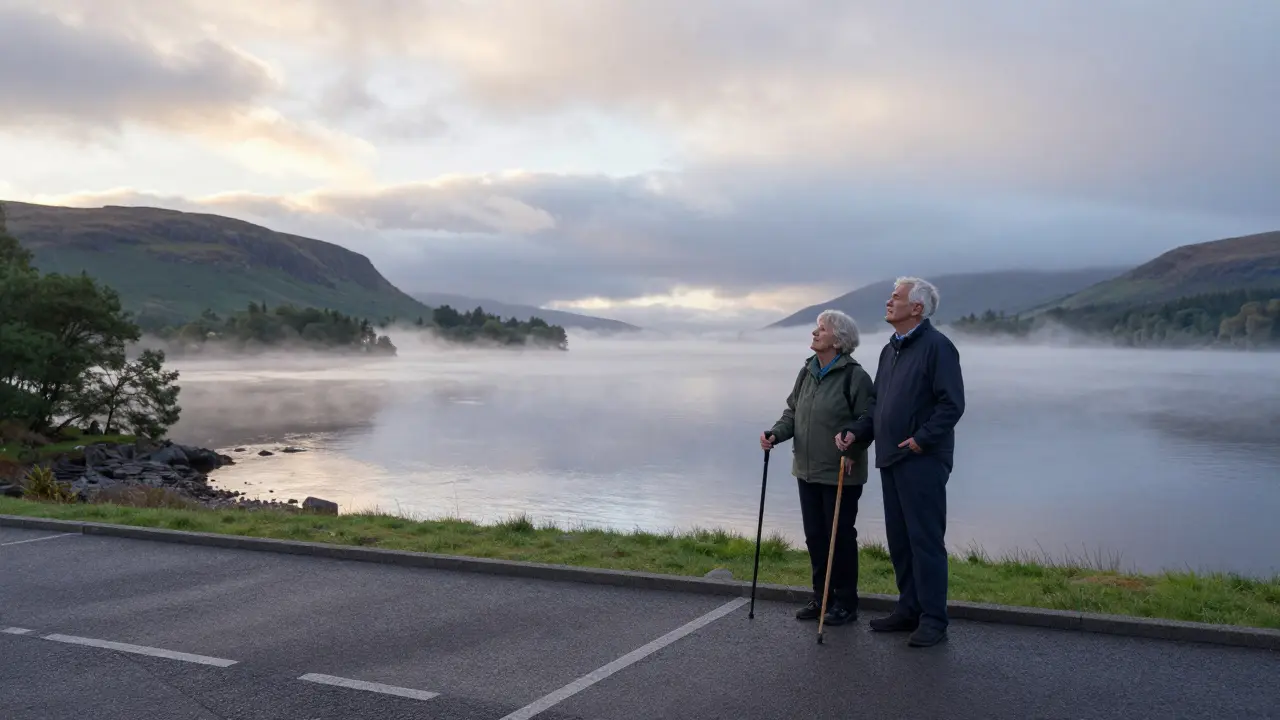
Imagine standing on the edge of Loch Ness, the mist rolling off the water, while your parents or grandparents watch in awe. Now imagine them complaining about their knees after a three-hour hike up a muddy hill just to get there. That is the tension every traveler faces when planning a trip to Scotland for older adults. You want the magic of the Highlands, but you also need the reality of comfort.
Scotland is beautiful, but it is not always built for mobility. The cobblestones of Edinburgh’s Old Town can feel like obstacle courses, and rural bus stops often lack shelters. However, with the right planning, this country offers some of the most accessible, relaxing, and culturally rich experiences in Europe. This guide cuts through the fluff to help you build an itinerary that respects pace, prioritizes comfort, and ensures accessibility without sacrificing the soul of the journey.
Understanding Senior Travel Needs in Scotland
Before booking a single train ticket, you need to define what "accessible" means for your specific group. For some, it means wheelchair ramps. For others, it means avoiding stairs altogether, having frequent rest stops, or ensuring warm indoor spaces during chilly Scottish weather. The term Accessible Travel is travel planning that accommodates physical limitations, mobility aids, and age-related needs to ensure safety and enjoyment.
Seniors often have different energy cycles than younger travelers. A typical "day trip" might only sustain two hours of active exploration before needing a sit-down meal and a quiet break. In Scotland, where distances are deceptive-a short drive can take an hour due to narrow single-track roads-pacing is everything. If you try to squeeze five castles into one day, everyone will be miserable by the third one. Instead, focus on quality over quantity. One well-chosen location with ample time to breathe is better than a checklist tour that leaves no one smiling.
Also, consider the season. While summer (June to August) offers the longest days, it also brings crowds and higher prices. Shoulder seasons like May or September provide milder weather and fewer tourists, which significantly reduces stress levels for seniors who dislike navigating packed queues or noisy environments. The key is aligning the itinerary with the physical capabilities and preferences of the oldest member of your group.
Getting Around: Transport Options for Comfort
How you move around Scotland determines the success of the trip. Renting a car gives freedom, but driving on the left side of the road, dealing with roundabouts, and navigating narrow Highland passes can be exhausting for older drivers. Public transport is excellent in cities but sparse in rural areas. Here is how to balance both.
| Transport Mode | Pros for Seniors | Cons & Challenges | Best For |
|---|---|---|---|
| Train | Spacious seats, large windows, no driving stress, accessible stations in major cities | Limited rural coverage, can be crowded during peak times, step-up access at older stations | City-to-city travel (Edinburgh to Glasgow, Inverness) |
| Coach Bus | Direct routes, luggage storage, affordable | Long travel times, limited legroom, frequent stops can cause fatigue | Budget-conscious trips between major hubs |
| Private Driver/Tour | Door-to-door service, customizable pace, professional local knowledge | Higher cost, requires booking in advance | Rural Highlands, Isle of Skye, multi-day itineraries |
| Rental Car | Flexibility, privacy, ability to stop whenever needed | Driving stress, parking difficulties in old towns, navigation challenges | Small groups confident in UK driving laws |
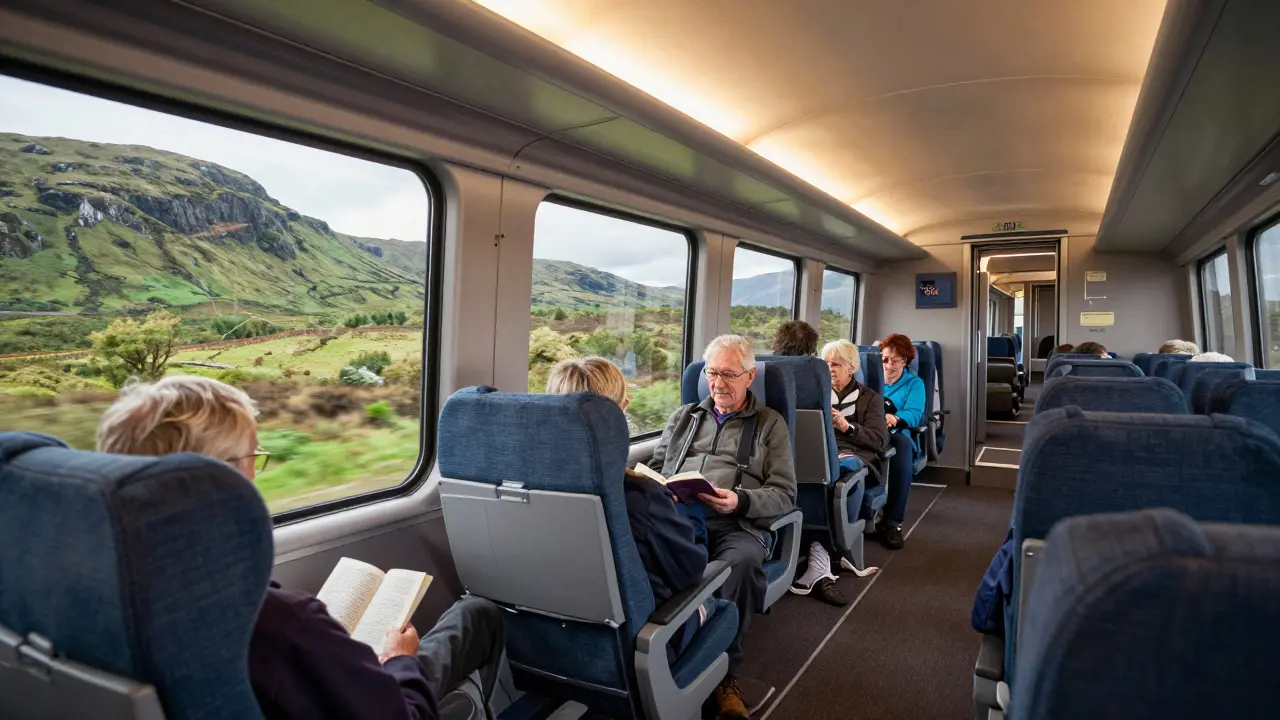
For many seniors, the ScotRail Network is the primary rail system connecting major Scottish cities and towns, offering accessible services and scenic routes. is the best option. Trains from Edinburgh to Glasgow take just under an hour and offer a relaxed way to see the countryside. Stations like Edinburgh Waverley and Glasgow Central are fully accessible with lifts and ramps. However, once you leave the central belt, train options dwindle. In places like the Isle of Skye or the Cairngorms, you may need to rely on buses or private transfers.
If you choose to drive, consider hiring a minivan with automatic transmission. Manual cars are standard in the UK, but automatics are easier for older drivers who may have slower reflexes or arthritis. Also, book accommodations with free parking to avoid the hassle of finding spots in historic town centers.
Top Accessible Destinations in Scotland
Not all of Scotland is equal when it comes to accessibility. Some destinations are naturally flat and well-equipped, while others require significant effort. Here are the top picks that balance beauty with ease.
Edinburgh: The capital is hilly, but the New Town area is relatively flat and paved. Edinburgh Castle is a historic fortress located on Castle Rock, featuring accessible entrances and elevator access to key areas. While the approach involves steps, there is an accessible entrance via the South Esplanade that uses a ramp and lift. Inside, the castle has elevators to the upper levels. Just allow extra time for security checks and queue management. The Royal Mile is cobblestoned, so use a sturdy walker or consider a taxi for longer stretches.
Glasgow: Often overlooked, Glasgow is much flatter than Edinburgh and highly accessible. The city center is compact, and most museums, including the Kelvingrove Art Gallery and Museum, are fully wheelchair-friendly with free entry. The West End offers lovely parks like Kelvingrove Park, which has smooth gravel paths suitable for strollers and wheelchairs.
Stirling: Located halfway between Edinburgh and Glasgow, Stirling offers a manageable scale. Stirling Castle is a royal residence with panoramic views, offering accessible routes and facilities for visitors with mobility issues. It has an accessible entrance and lift access to the Queen’s Tower. The surrounding town is small enough to explore on foot without excessive walking.
Inverness: As the gateway to the Highlands, Inverness is a great base. The city center is flat, and the Inverness Castle ruins are accessible via a gentle slope. From here, you can take boat tours on Loch Ness, which are generally accessible with assistance. Avoid hiking the Cullin Mountains; instead, opt for a guided coach tour that stops at viewpoints along the way.
Pacing Your Itinerary: The Art of Slow Travel
The biggest mistake families make is over-scheduling. When traveling with seniors, less is more. Aim for one major activity per day, followed by a leisurely lunch and afternoon rest. Here is a sample daily rhythm:
- Morning (9:00 AM - 12:00 PM): Visit the main attraction while energy levels are high and crowds are lower.
- Lunch (12:30 PM - 2:00 PM): Choose a restaurant with comfortable seating and easy access. Avoid fast food; sit down meals encourage relaxation.
- Afternoon (2:30 PM - 4:30 PM): Light activity such as a museum visit, garden stroll, or simply enjoying tea in a hotel lounge. Avoid long walks or strenuous hikes.
- Evening (6:30 PM onwards): Dinner and early rest. Scottish evenings can get chilly, so plan for cozy indoor activities.
This structure prevents burnout. If someone feels tired, you can easily skip the afternoon activity without ruining the whole day. Flexibility is your best friend. Build buffer days into your itinerary where nothing is planned. These days allow for spontaneous discoveries or necessary rest.
Comfort Essentials: What to Pack and Book
Comfort goes beyond transportation. It includes accommodation, dining, and health preparedness. When booking hotels, look for properties with ground-floor rooms or elevators. Many traditional B&Bs in Scotland are older buildings with steep stairs and no lifts. Call ahead to confirm accessibility features. Hotels like the Balmoral Hotel in Edinburgh, known for its luxury and accessibility, including room service and accessible bathrooms. in Edinburgh or modern chains in Glasgow typically offer better amenities.
Dining in Scotland can be adventurous, but ensure there are familiar options available. Most restaurants serve hearty meals like soup, stew, and fish and chips, which are easy to eat and digest. Ask for modifications if needed, such as softer foods or low-sodium options. Always check opening times, as some rural pubs close early.
Health-wise, carry a basic first aid kit with any regular medications. The NHS provides emergency care, but for non-emergencies, it is helpful to know the location of nearby pharmacies. Weather changes rapidly in Scotland, so pack layers, waterproof jackets, and comfortable walking shoes with good grip. Even if your companions don’t walk much, they will appreciate being dry and warm.
Accessibility Resources and Support
Scotland has made significant strides in accessibility. The Scottish Government supports initiatives to improve accessibility across tourism sites, including funding for ramps and lifts at historic landmarks. funds improvements at many heritage sites. Organizations like Wheelchair Travel Scotland is a resource providing detailed guides on accessible accommodations, transport, and attractions across Scotland. offer detailed online resources. Before visiting any site, check their website for specific accessibility information, such as door widths, toilet facilities, and surface types.
Many tourist attractions offer priority tickets or reduced prices for seniors and those with disabilities. Always ask when booking. Some castles and gardens provide loaner wheelchairs or mobility scooters, but these must be reserved in advance due to limited availability.
Conclusion: Making Memories Without the Stress
Traveling to Scotland with seniors is not about ticking boxes; it is about sharing moments. It is about watching the sunset over the Firth of Forth together, tasting fresh seafood in a coastal village, or hearing stories in a warm pub. By focusing on pace, comfort, and accessibility, you create an environment where everyone can enjoy the journey. Plan carefully, stay flexible, and prioritize well-being. The result will be memories that last a lifetime, not just photos of places visited.
Is Scotland expensive for senior travelers?
Scotland can be moderately priced depending on the season and accommodation choices. Many museums and galleries are free, which helps reduce costs. Look for senior discounts on attractions and transport. Booking trains in advance through ScotRail or LNER can save money. Mid-range B&Bs and self-catering apartments offer good value compared to luxury hotels.
What is the best time of year to visit Scotland with seniors?
May to September offers the mildest weather and longest daylight hours. May and September are ideal for avoiding peak crowds. Winter months (November to February) can be harsh with short days and icy conditions, making outdoor activities difficult. Summer is busy but reliable for weather.
Are there accessible boat tours on Loch Ness?
Yes, several operators in Drumnadrochit offer accessible boat tours. Companies like Jacobite Steamship and Ness Explorer provide assistance for boarding and have designated seating areas. It is advisable to book in advance and inform them of any mobility requirements to ensure smooth boarding.
Can I rent a wheelchair in Scotland?
Yes, medical supply stores in major cities like Edinburgh and Glasgow rent wheelchairs and mobility scooters. Additionally, some tourist attractions offer loaner equipment on a first-come, first-served basis. For extended rentals, contact local healthcare providers or specialized rental companies before your trip.
Is public transport in Scotland wheelchair accessible?
Most modern trains and buses in Scotland are wheelchair accessible with ramps and designated spaces. Major stations have lifts and level access. However, rural buses may vary, so it is best to check with the operator beforehand. Taxis and private hire vehicles should be booked specifically as wheelchair-accessible if needed.