
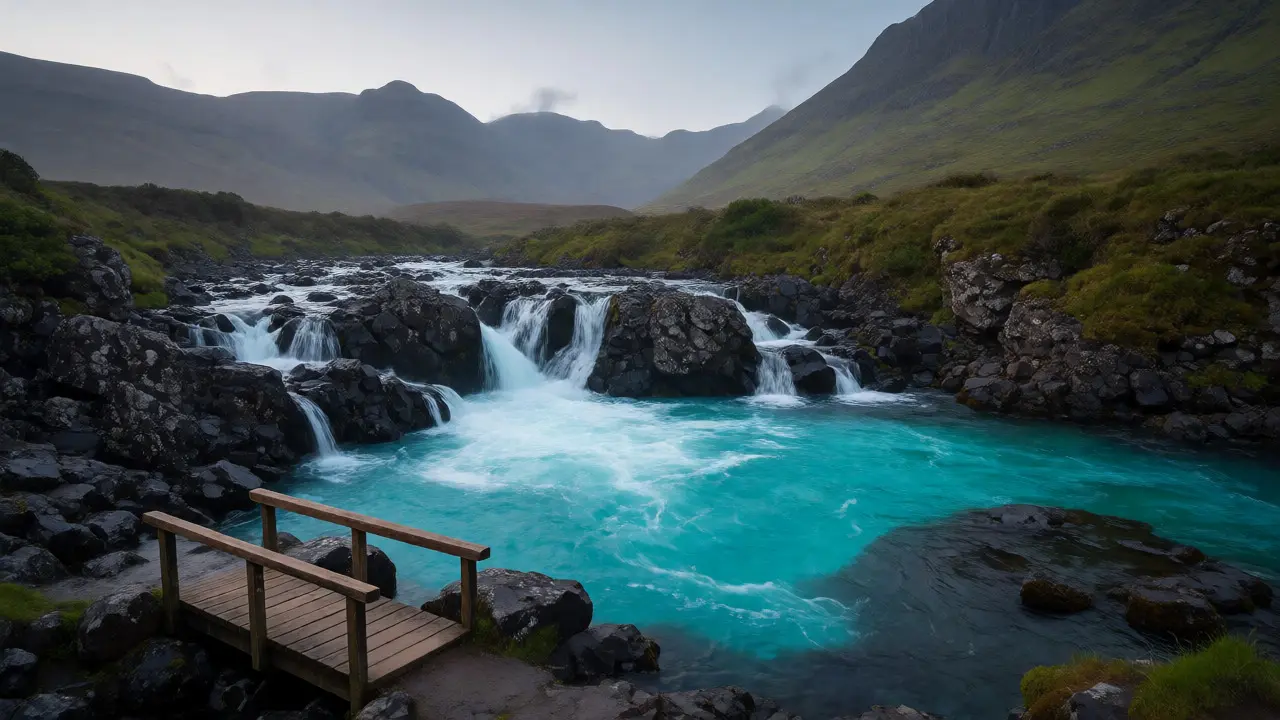
You’ve seen the photos. That electric blue water tucked beneath the jagged black rock of the Cuillin mountains on the Fairy Pools is a series of natural rock pools and waterfalls located at the foot of the Black Cuillin on the Isle of Skye. It looks like a scene from a fantasy novel, and honestly, it feels exactly that way when you’re standing there in your wellies.
But here’s the thing most travel blogs don’t tell you: getting to the best spots requires more than just parking your car and walking ten minutes. The weather changes fast, the water is freezing even in July, and the crowds can be brutal if you show up at noon. I’ve hiked this route dozens of times since moving to Dundee and making regular trips north. This guide cuts through the noise so you know exactly what to expect before you lace up your boots.
Where Exactly Are the Fairy Pools?
The Fairy Pools are located near Carbost on the Trotternish peninsula side of the Isle of Skye, accessed via the B8009 road. They sit at the base of the Black Cuillin range, where glacial meltwater cascades down over ancient volcanic rock. If you’re driving from Portree, it’s about a 30-minute drive south-west. From Broadford, it’s closer to 45 minutes.
Navigation can be tricky because GPS signals drop out in the glens. Don’t rely solely on your phone. Look for the signpost for "Loch Harport" or "Carbost," then follow the single-track road towards Loch Brittle. You’ll see the car park on your left. It’s small, unsurfaced, and fills up by 10 AM during peak season (May to September). If you miss the spot, you might have to park along the verge, which annoys locals and blocks access for other visitors.
The Hike Route: What to Expect
This isn’t a technical climb, but calling it an "easy walk" is misleading. The terrain is uneven, rocky, and often slippery. Here’s the breakdown of the journey from the car park:
- The Approach (15-20 minutes): A flat path leads you towards the river mouth. You’ll cross a bridge over the Allt Coire Mhic Fhearchair. The views open up here, showing the dramatic peaks above.
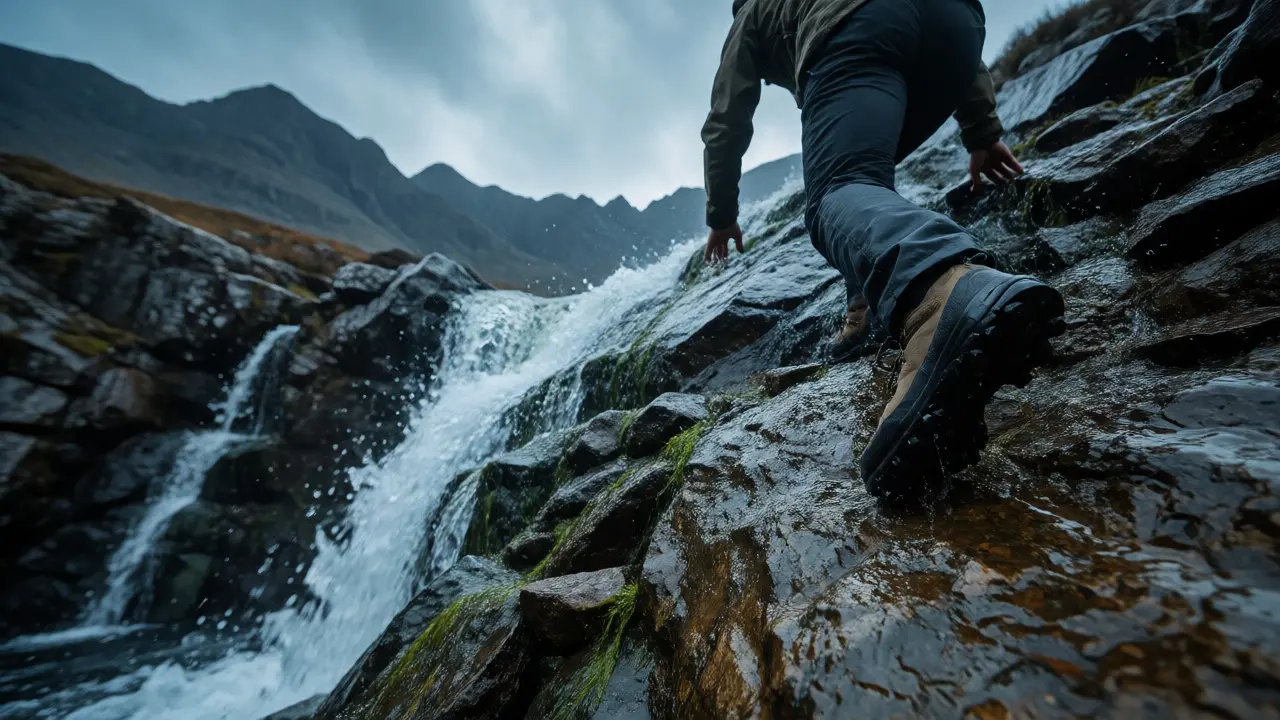
- The Lower Pools (Variable time): These are the most accessible. The rocks are slick with algae. Wear proper footwear-flip-flops are a recipe for broken ankles. The water depth varies from ankle-deep to waist-high.
- The Upper Waterfall (30-45 minutes additional): To reach the famous "Blue Pool" and the higher cascades, you need to scramble up loose scree and wet rocks. There is no marked trail past the lower section; you navigate by eye and caution.
- The Return: Always leave enough daylight. In November, sunset is around 3:30 PM. Being stuck in the dark without a head torch is not fun.
Distance-wise, the round trip to the main pools is roughly 2 kilometers (1.2 miles). However, the elevation gain is significant relative to the distance because of the scrambling sections. Allow at least two hours total if you plan to swim or take photos.
Swimming in the Fairy Pools: Is It Worth It?
Let’s be real: the water is cold. We’re talking glacial runoff. Even in mid-August, temperatures hover between 10°C and 12°C (50°F-54°F). In November, as I write this, it’s likely closer to 6°C (43°F). Entering the water triggers a gasp reflex. If you aren’t used to cold water immersion, do not jump in headfirst.
Why do people do it? Because the clarity is unmatched. Visibility can exceed five meters in calm conditions. The turquoise hue comes from suspended mineral particles reflecting sunlight. For many, the shock is part of the thrill. But safety comes first.
| Season | Avg Water Temp | Crowd Level | Recommended Gear |
|---|---|---|---|
| Winter (Nov-Feb) | 5-7°C | Low | Wetsuit mandatory, neoprene gloves |
| Spring (Mar-May) | 7-9°C | Moderate | Wetsuit recommended, quick-dry layers |
| Summer (Jun-Aug) | 10-12°C | Very High | Shorts/swimsuit, towel, changing poncho |
| Autumn (Sep-Oct) | 9-11°C | High | Thermal layer, windproof jacket |
If you want to swim, bring a wetsuit. Renting one in Portree is possible but expensive. Buying a basic 3mm shorty suit online costs less than a single rental day. Also, pack a dry bag. Your phone will die instantly if it gets wet.
Essential Visitor Information and Logistics
There is no entrance fee for the Fairy Pools. It’s public land managed by NatureScot. However, parking is free but limited. There are no toilets, no cafes, and no shops at the site. The nearest facilities are in Carbost, about 10 minutes away by car.
Here are the practical details you need to plan your visit:
- Parking: Free, first-come-first-served. Arrive before 9 AM or after 4 PM to guarantee a space.
- Facilities: None on-site. Use the loo at the Old Inn in Carbost if you buy a drink.
- Dogs: Allowed, but must be leashed. Keep them out of the upper pools to protect nesting birds and maintain hygiene.
- Accessibility: The lower pools are reachable for those with moderate mobility issues, but the path is rough. Wheelchair users may struggle beyond the bridge.
- Mobile Signal: Spotty. Download offline maps (like OS Maps or Komoot) before leaving town.
One critical tip: respect the environment. The moss takes decades to grow back if trampled. Stick to established paths where possible. And please, take your rubbish home. The number of plastic bottles found in these pristine waters is depressing.
Combining Your Visit: Nearby Attractions
The Fairy Pools are rarely visited in isolation. Most travelers combine them with other stops on the Skye loop. Since you’re already driving the B8009, consider adding these nearby highlights:
- Talisker Distillery: Just 5 minutes away in Carbost. It’s one of the oldest licensed distilleries in Scotland. Tours book up weeks in advance during summer.
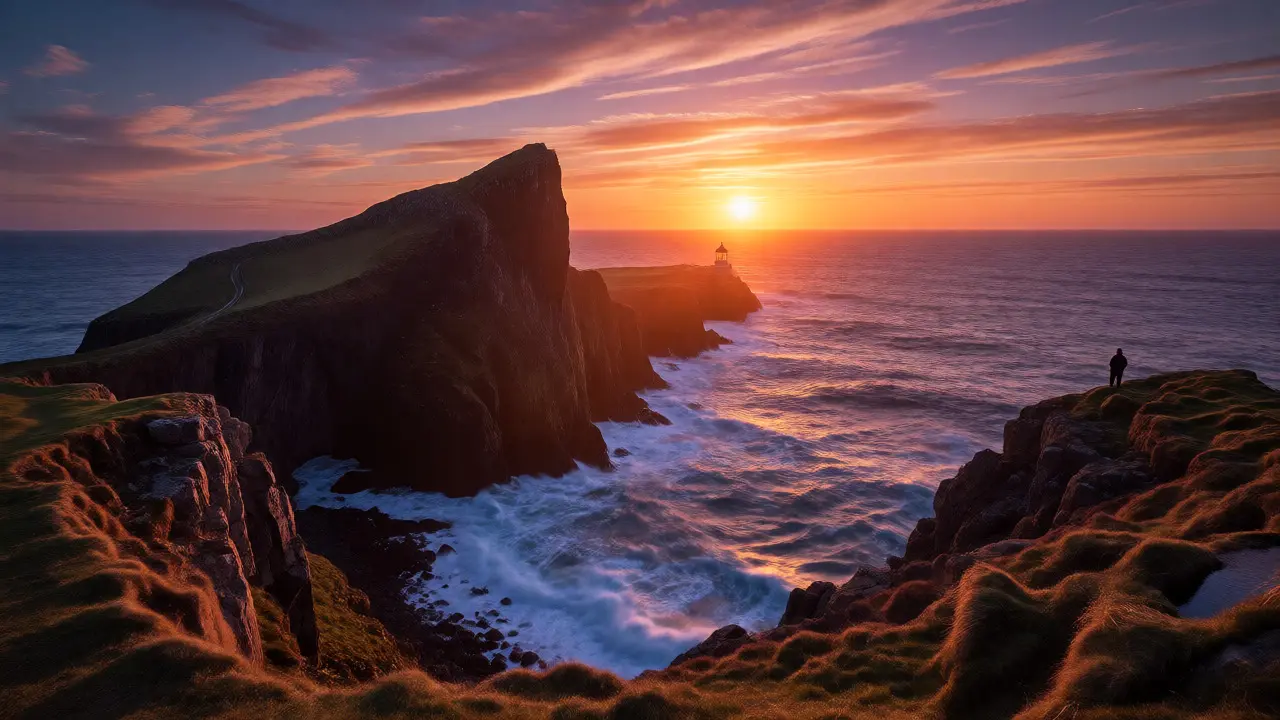
- Neist Point Lighthouse: About 20 minutes west. Dramatic cliffs and ocean views. Great for sunset photography.
- Quiraing: Roughly 45 minutes north. Another iconic landscape featuring landslides and rock formations. Requires a longer hike but offers different scenery.
- Portree: The capital of Skye, 30 minutes east. Good for dinner and supplies.
If you have a full day, start early at the Fairy Pools while it’s quiet, grab lunch in Portree, and end the day at Neist Point for golden hour light. This itinerary avoids the worst traffic congestion on the island’s single-track roads.
Common Mistakes to Avoid
I’ve seen tourists make the same errors repeatedly. Don’t be that person blocking the road with a campervan.
- Underestimating Footwear: Trainers (sneakers) get soaked and heavy. Waterproof hiking boots with good grip are non-negotiable.
- Ignoring Weather Forecasts: Rain turns the rocks into ice rinks. Check the Met Office forecast specifically for the "Isle of Skye" region, not just "Scotland."
- Leaving Valuables Visible: Car break-ins happen. Take everything with you or use the locked storage bins provided (bring your own padlock).
- Expecting Warm Showers: There are none. Bring baby wipes and a spare set of clothes for the drive home.
The Fairy Pools offer a raw, unfiltered connection to nature. It’s not polished, it’s not serviced, and it’s not always comfortable. That’s exactly why it’s magical. Prepare properly, and you’ll leave with memories that stick far longer than any postcard.
How long does it take to hike to the top of the Fairy Pools?
Reaching the highest waterfall typically takes 45 to 60 minutes from the car park, depending on fitness levels and crowd density. The path involves scrambling over wet rocks, so progress is slower than standard hiking.
Can you swim in the Fairy Pools year-round?
Yes, technically you can swim year-round, but winter swimming requires acclimatization and often a wetsuit. Summer water temperatures remain cold (around 12°C), so brief dips are common, but prolonged exposure can lead to hypothermia if you aren't prepared.
Is there a fee to enter the Fairy Pools?
No, there is no admission fee. Access is free. However, parking is free but very limited, especially during peak tourist seasons. Early arrival is essential to secure a spot.
Are the Fairy Pools suitable for children?
Older children who are confident walkers can manage the lower pools. Younger kids may struggle with the slippery rocks and uneven terrain. Constant supervision is required due to deep pockets of water and strong currents near the waterfalls.
What is the best time of day to visit?
Early morning (before 9 AM) or late afternoon (after 4 PM) are best for avoiding crowds and capturing soft lighting for photos. Midday brings the largest tour groups and harsh shadows.