
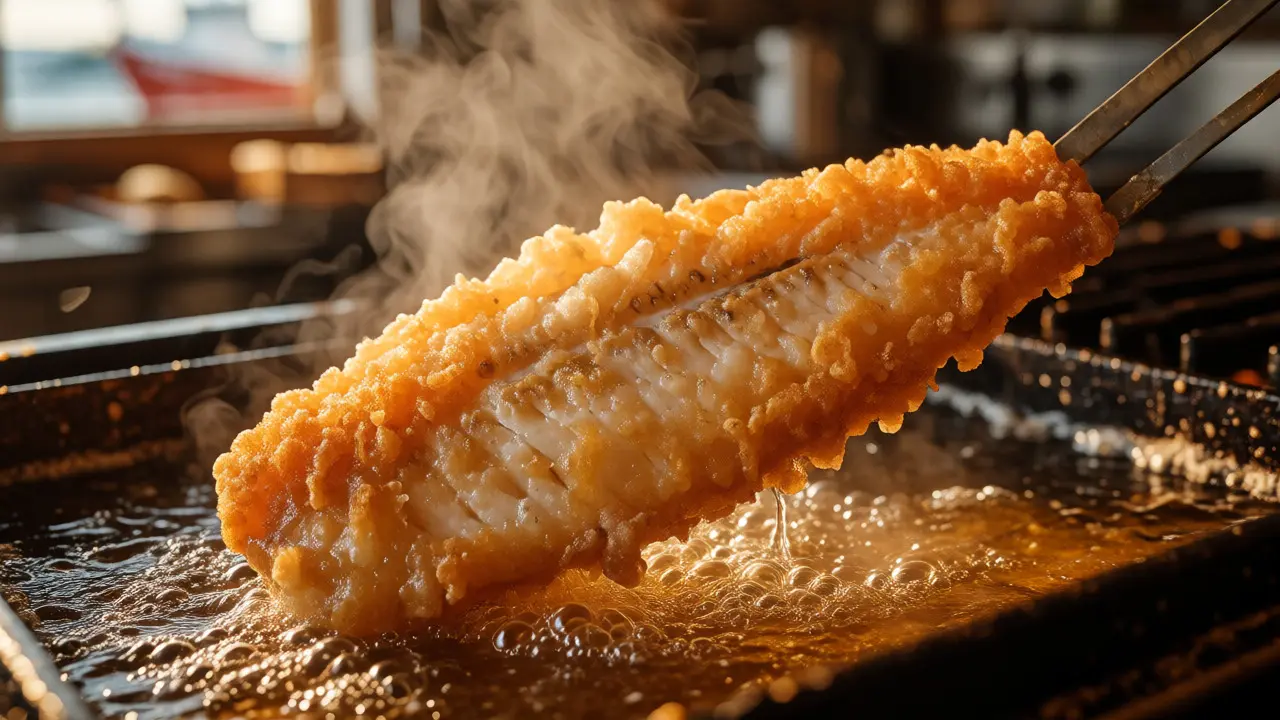
There is a specific kind of heartbreak known only to anyone who has ordered fish and chips in a tourist trap in Edinburgh or Glasgow. You get soggy batter, lukewarm peas, and a piece of cod that tastes like it was frozen during the previous administration. But here is the truth: when you find the right shop, Scottish fish and chips isn't just a meal; it's a cultural event. As someone living in Dundee, I’ve eaten my way through enough coastlines to know that the best spots aren’t always the ones with five-star reviews on TripAdvisor. They’re often the places where the locals queue up on a rainy Tuesday.
If you are hunting for the best fish and chips in Scotland, you need to understand the landscape. It’s not just about the fish; it’s about the oil, the potatoes, and the attitude of the person behind the counter. This guide cuts through the noise to show you where the real deal hides, from the rugged shores of the Highlands to the bustling streets of our major cities.
The Scottish Standard: What Makes a Chippy Great?
Before we point you toward specific towns, let’s agree on what we are looking for. In Scotland, fish and chips is a serious business. The standard is high because the supply chain is short. Most reputable shops source their haddock or cod directly from local trawlers landing at ports like Peterhead, Fraserburgh, or Aberdeen. If a shop can’t tell you where their fish came from this morning, walk away.
The batter must be light and crisp, not heavy or greasy. It should shatter when you bite into it, revealing flaky white flesh inside. The chips-never call them fries-are thick-cut, floury potatoes, cooked twice to ensure a fluffy interior and a crunchy exterior. And yes, the salt and vinegar ratio matters. But beyond the food, there is an intangible quality: the vibe. The best shops feel like community hubs, not just transaction points.
| Attribute | The Tourist Trap | The Local Gem |
|---|---|---|
| Fish Source | Frozen imports (often Baltic) | Daily catch from local ports (North Sea) |
| Batter Texture | Heavy, doughy, absorbs oil | Light, airy, crispy shell |
| Chip Quality | Thin, uniform, industrial | Thick-cut, irregular, fresh-cut |
| Price Point | Premium markup for location | Fair value for volume and quality |
| Wait Time | Long queues due to low turnover | Fast service due to high volume |
Coastal Gems: Where the Ocean Meets the Fryer
If you want the freshest possible experience, head to the coast. The closer you are to the port, the better the fish. Take Peterhead, for instance. It’s the largest fishing port in Europe by tonnage, and its chippies reflect that dominance. Places like Marcus’ Fish Bar are legendary among locals. Why? Because they turn over stock so fast that the fish never sits around waiting for a customer. The haddock here is firm, sweet, and unmistakably fresh.
Further north, Oban offers a different kind of magic. Known as the "Seafood Capital of Scotland," Oban attracts visitors for its langoustines, but its fish and chips are equally impressive. Try Oban Fish & Chip Co.. Located right on the harbor, the smell of frying fish mixes with the sea breeze. It’s cliché, sure, but eating a cone of chips while watching the ferries dock is part of the ritual. The key here is timing. Go early, before the cruise ship crowds descend, and you’ll get personal service and the pick of the catch.
Then there is St Andrews. Yes, it’s golf central, but don’t let the tourists fool you. The town has a surprising number of excellent independent chip shops. Avoid the main street chains if you can. Instead, look for smaller outlets tucked away in side streets. These places often serve traditional "scampi" (breaded prawns) alongside the classic cod, giving you a taste of old-school Scottish comfort food.
City Contenders: Edinburgh and Glasgow
Finding good fish and chips in a big city is harder. Landlords charge high rents, and many owners cut corners on ingredients to keep prices competitive. However, both Edinburgh and Glasgow have held onto a few stalwarts that refuse to compromise.
In Edinburgh, Valvona & Crolla might come to mind for Italian, but for true Scottish tradition, you need to go to Macdonalds of Newington. It’s been serving the student population and locals for decades. Their secret? Consistency. The batter is always perfect, and the portions are generous enough to feed two if you’re sharing. Another strong contender is Whalebone, which takes a more modern approach. They use sustainable sourcing and offer creative sides, but the core product-the fish-is still treated with respect. If you’re near Leith, check out Leith Fish Bar. It’s gritty, unpretentious, and serves some of the best battered haddock in the capital.
Glasgow is arguably the spiritual home of the Scottish chip shop. The culture here is deeply ingrained. One name dominates the conversation: McKays in Partick. While famous for their shortbread, their adjacent cafe serves solid, reliable fish and chips. But for the purists, St. Enoch Square Fish Bar is a hidden treasure. It’s small, cramped, and often busy, but the quality speaks for itself. The chips are made from Maris Piper potatoes, which are ideal for frying because they break down beautifully without turning mushy. Another favorite is Barrafina, though it leans Spanish, their take on fried fish is worth exploring if you want something slightly different.

The Dundee Perspective: More Than Just Muffins
I live in Dundee, so I’m biased, but I stand by this: Dundee deserves more credit for its seafood scene. We’re right on the Tay, with easy access to the North Sea catch. While everyone talks about the V&A Museum, locals know that the best post-museum meal is at Tayport Fish & Chip Co., just across the bridge. Tayport is a village, not a city, but its proximity to the water means the fish arrives within hours of being caught.
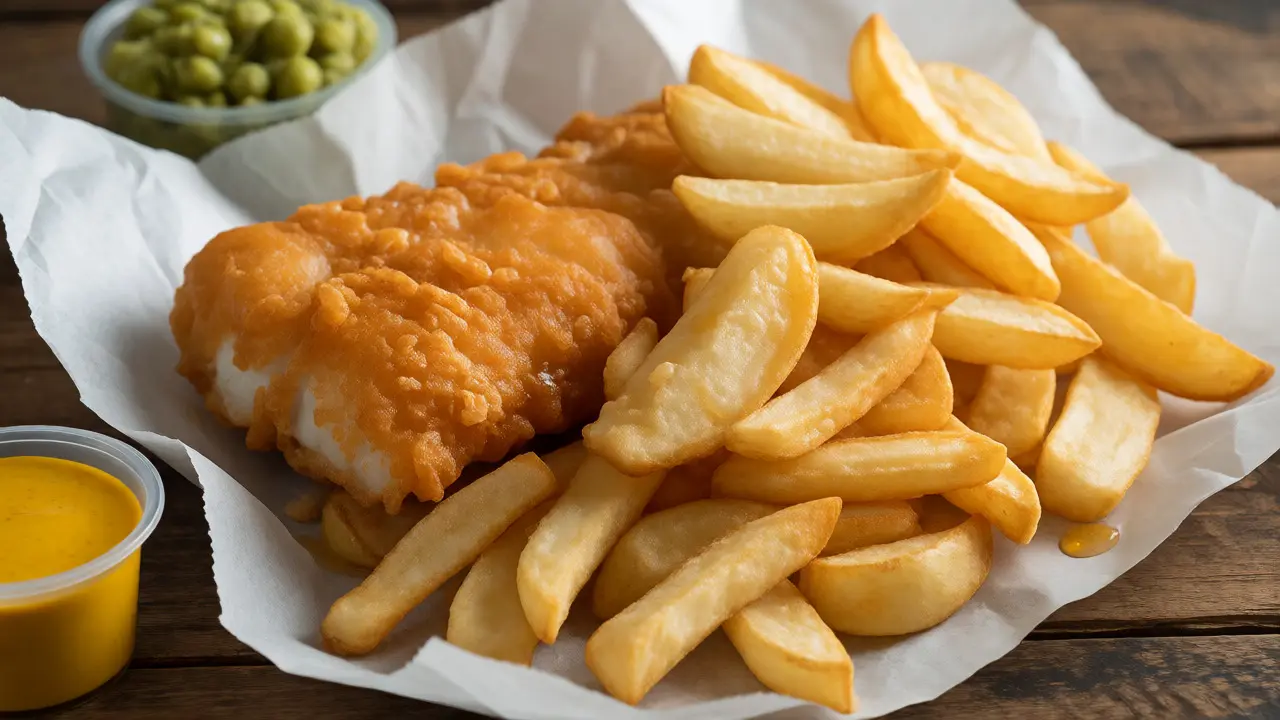
In the city center, Waterside Fish Bar is a no-frills operation that gets it right every time. They don’t do fancy packaging or Instagram-worthy plating. You get paper cones, plenty of salt, and a side of curry sauce if you ask nicely. The curry sauce is a critical component of the Scottish fish and chips experience. It’s mild, slightly sweet, and designed specifically to complement the saltiness of the fish. If your curry sauce tastes like generic Indian takeaway curry, send it back.
How to Order Like a Local
You might think ordering fish and chips is straightforward, but there are nuances that signal whether you’re a tourist or a regular. Here’s how to navigate the counter:
- Choose your fish wisely: Cod is safe and mild. Haddock is stronger and flakes apart more easily. If you see plaice or sole, grab it-it’s seasonal and delicious, though often served whole.
- Ask about the oil: Reputable shops use vegetable oil or beef dripping. Beef dripping gives a richer flavor and crunchier crust, but it’s heavier. If you’re health-conscious, stick to veggie oil, but don’t judge those who choose dripping.
- The "Scraps" option: Ask for "scraps." These are bits of batter that fall off the fish during frying. They’re free (usually), incredibly crispy, and the best part of the meal. Locals eat these while waiting for their order.
- Sides matter: Don’t just get chips. Add mushy peas (if they make them fresh), bread rolls, or even a pie. Many Scottish chippies also sell pies, making them a one-stop shop for a hearty lunch.
Avoiding the Tourist Traps
Not every shop with a sign saying "Fresh Fish Today" is telling the truth. Here are red flags to watch out for:
- The Menu Length: If a fish bar offers twenty types of pizza, twelve kinds of burger, and three varieties of kebab alongside fish and chips, they likely don’t specialize in anything. Look for shops that focus on fried food.
- Pre-Fried Batches: Watch the kitchen. If the fish is sitting under heat lamps in batches, it’s already lost its crunch. Good shops fry to order.
- Lack of Transparency: If they won’t answer questions about where the fish comes from, be skeptical. Authenticity is proud.
Final Thoughts: The Hunt Continues
Finding the best fish and chips in Scotland is subjective, but the principles remain constant: freshness, proper technique, and respect for tradition. Whether you’re standing on the windy quayside in Oban or huddled in a warm corner of a Glasgow tenement, the goal is the same. You want that first bite of hot, salty, crispy perfection that warms you from the inside out.
Don’t rely solely on online ratings. Talk to taxi drivers, hotel concierges, or people queuing outside the shop. Ask them, "Where do you get your chips?" The answer will almost always lead you to a place that hasn’t yet been discovered by the mass tourism wave. And that’s exactly where you want to be.
What is the difference between cod and haddock in fish and chips?
Cod has a milder flavor and firmer texture, making it a safer choice for those new to fish. Haddock has a stronger, distinctively sweet flavor and flakes apart more easily. Many Scots prefer haddock for its robust taste, especially when paired with strong vinegar.
Is beef dripping really necessary for good fish and chips?
No, but it is preferred by many for authenticity. Frying in beef dripping creates a crisper, golden batter with a richer flavor profile compared to vegetable oil. However, vegetable oil is lighter and suitable for vegetarians. Both can produce excellent results if used correctly.
Why are Scottish chips considered better than American fries?
Scottish chips are typically cut thicker and made from floury potato varieties like Maris Piper. They are double-fried to achieve a fluffy interior and crunchy exterior. American fries are usually thinner, crispier throughout, and often frozen, lacking the rustic texture and heartiness of traditional Scottish chips.
What is 'curry sauce' in the context of Scottish fish and chips?
Curry sauce is a mild, yellow, gravy-like condiment unique to British and Irish chip shops. It is not spicy like Indian curry but has a turmeric-based flavor designed to complement the saltiness of the fish and chips. It is a popular accompaniment, especially in Scotland and Northern England.
Can I find vegetarian options in traditional Scottish chip shops?
Yes, most traditional chip shops offer battered mushrooms, onion rings, or vegetable fritters. However, cross-contamination is common if they use shared fryers for fish and vegetables. Always ask if they have a separate fryer for vegetarian items if you are strict about dietary restrictions.