
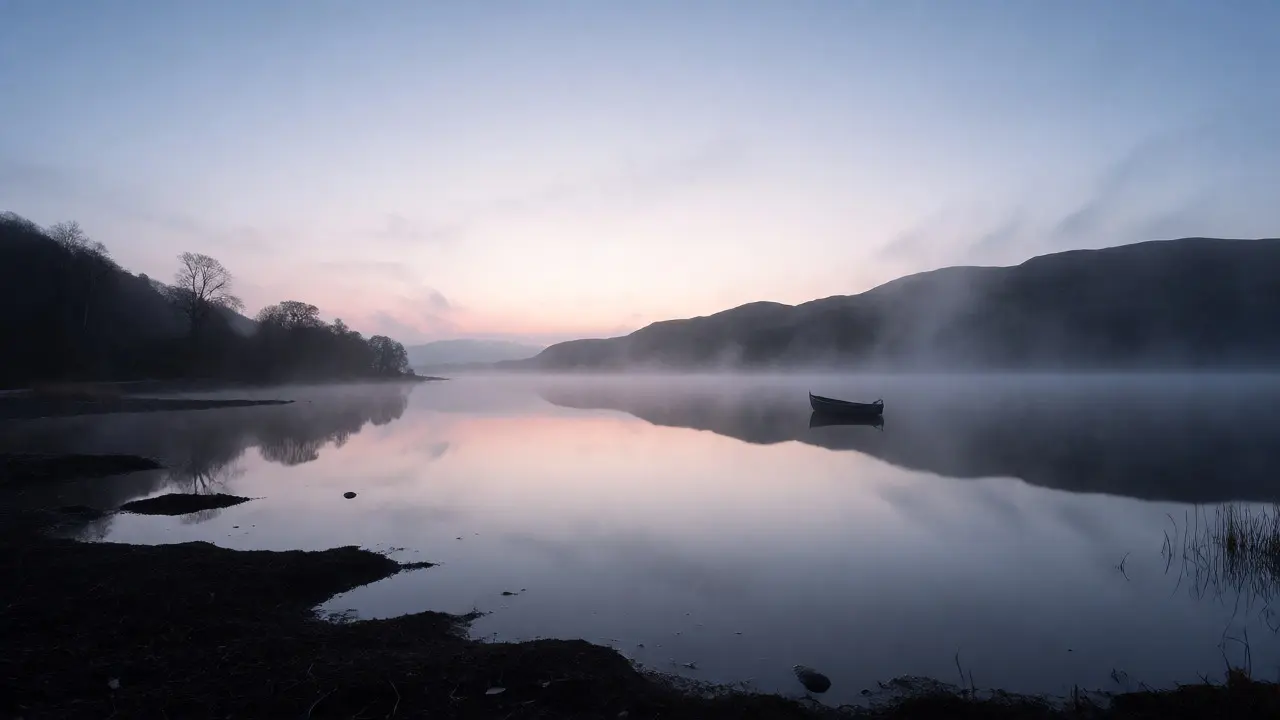
You’ve packed your camera bag. You’ve checked the weather forecast for the tenth time. But standing in the middle of a boggy field at 4 AM waiting for light that might never break through the clouds is a gamble few photographers enjoy losing. The Scottish Highlands offer some of the most dramatic landscapes on Earth, but capturing them requires more than just a good lens. It demands knowing exactly where to stand, when the light hits right, and how to handle conditions that change faster than you can adjust your ISO.
Whether you’re chasing the first pink hues over Loch Etive or hoping to catch the green ribbons of the Northern Lights dancing above Ben Nevis, this guide cuts through the noise. We aren’t listing every pretty view. We’re focusing on specific locations that deliver consistent results for highland photography spots, tailored for the current season and realistic expectations.
The Golden Hour Game Plan for Highland Lochs
Water reflects sky, which means your composition lives or dies by cloud cover and sun angle. In November, the sun stays low, creating long shadows and rich colors, but it also sets early-often before 4 PM. This compresses your shooting window into two short bursts: dawn and dusk.
Loch Lomond remains the classic entry point, but don’t just shoot from the pier at Balloch. Head north to Luss. The village sits on the western shore, offering unobstructed views across the water toward the eastern hills. At sunrise, the mist often clings to the surface, softening the mountains into silhouettes. Use a wide-angle lens here (16-35mm) to capture the expanse. If the wind picks up, switch to a longer focal length (70-200mm) to isolate reflections of trees or boats. The key is patience; wait for the wind to drop for those mirror-like shots.
For something less crowded, try Loch Maree in Wester Ross. It’s remote, requiring a drive from Dingwall or Ullapool, but the payoff is immense. The island of Eilean Sùbhainn provides a natural foreground anchor. Shoot from the southern shore looking north. The water here is incredibly clear, allowing you to focus on underwater rocks if the tide is low. Bring a polarizing filter to cut glare and deepen the blue tones of the water against the dark peat banks.
Conquering Mountain Vistas Without Breaking Your Back
Mountain photography in Scotland isn’t about summiting peaks; it’s about finding angles that convey scale. The terrain is rugged, wet, and unforgiving. Proper footwear isn’t optional-it’s essential gear.
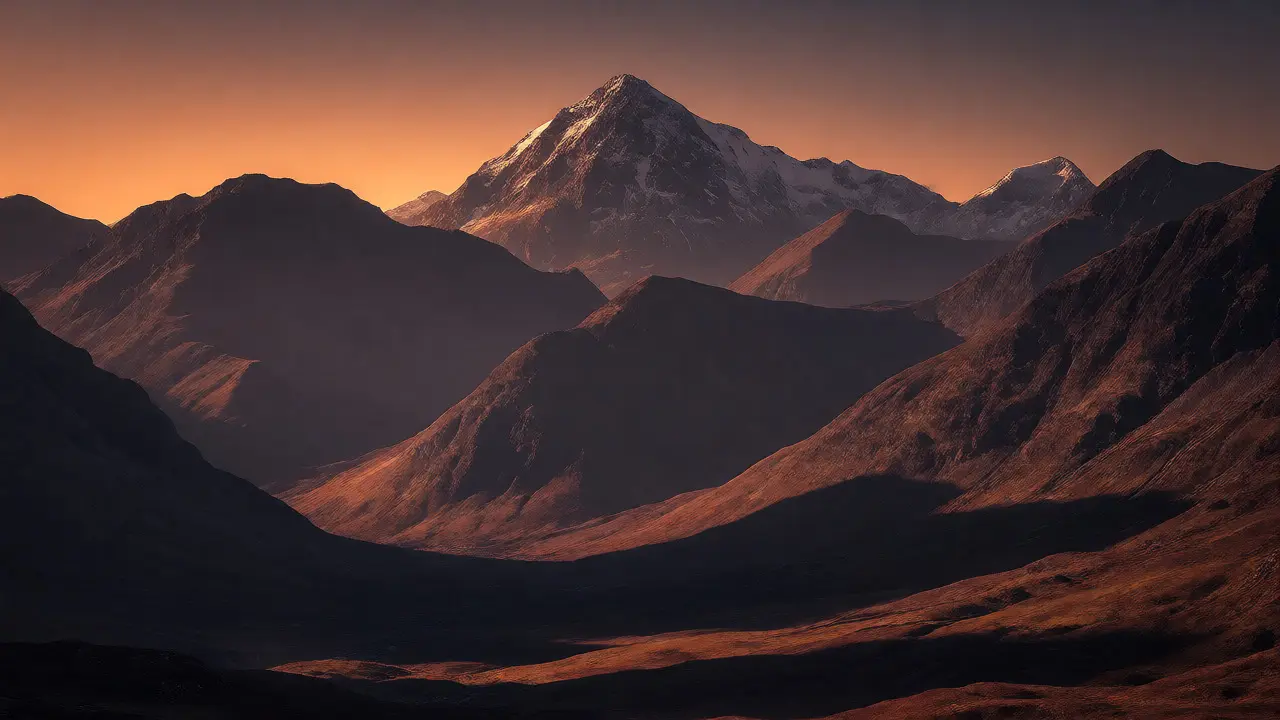
Ben Nevis dominates the skyline near Fort William. You don’t need to climb it to photograph it. Position yourself at Glen Coe’s northern edge, specifically near the Three Sisters viewpoint. From here, you can frame Ben Nevis in the distance with the jagged ridges of the Black Cuillin in the mid-ground. This layering creates depth that flat horizons lack. Use a telephoto lens to compress these layers, making the mountains appear stacked upon one another.
Alternatively, head to Beinn Eighe National Nature Reserve. The ancient Caledonian pine forests provide a stark contrast to the bare quartzite peaks above. A trail shot using a prime lens (like a 35mm or 50mm) can capture the texture of the bark against the smooth, white rock faces. This location is particularly powerful during autumn when the bracken turns rust-red, adding warmth to the cold stone.
| Location | Best Time | Key Feature | Lens Recommendation |
|---|---|---|---|
| Loch Etive | Sunrise | Mirror reflections | Wide Angle (16-35mm) |
| Glen Coe | Midday/Dusk | Dramatic shadows | Telephoto (70-200mm) |
| Kilt Rock | Blue Hour | Waterfall motion | Standard Zoom (24-70mm) |
| Quiraing | Golden Hour | Ridge lines | Wide Angle (16-35mm) |
Chasing the Aurora Borealis in Northern Scotland
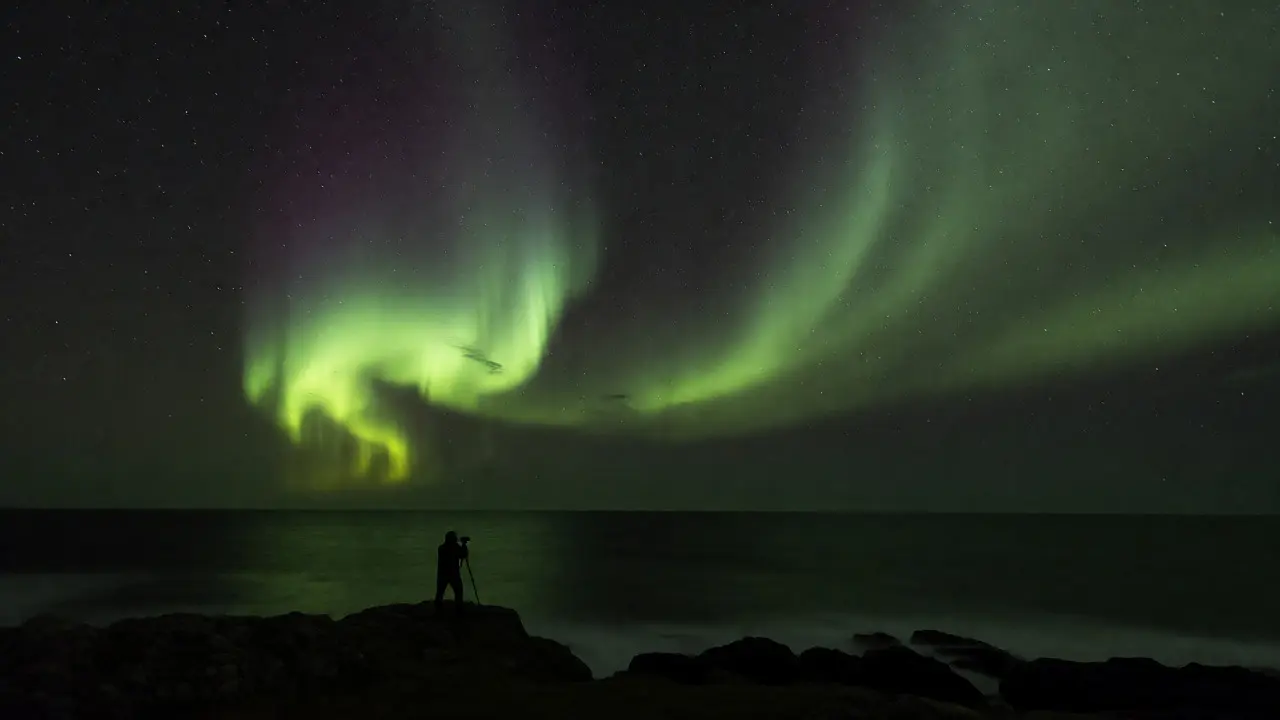
Seeing the Aurora Borealis in Scotland is possible, but it’s not guaranteed. Unlike Iceland or Norway, you’re further south, so you need strong solar activity (KP index of 5 or higher) and clear skies. November is actually one of the best months because nights are long and dark, increasing your chances.
Head north of the Great Glen. Inverness has too much light pollution for serious aurora hunting. Instead, drive to Ullapool or even further to Cape Wrath. These areas have minimal artificial light. Check apps like Aurora Forecast or SpaceWeatherLive daily. Look for a "clear sky" forecast combined with high geomagnetic activity.
Technique matters here. You cannot hand-hold aurora photos. Set your camera to manual mode. Start with an ISO of 1600-3200, aperture wide open (f/2.8 or lower), and shutter speed between 5 and 15 seconds. If the lights move fast, shorten the exposure to avoid blur. If they’re faint, extend it. Focus manually on a bright star or distant light source before darkness falls, then tape down your focus ring. White balance should be set to daylight (around 5000K) to preserve the natural greens and purples rather than letting the camera auto-correct them into muddy yellows.
Practical Gear and Safety Tips for November Shoots
The Highlands in late autumn are beautiful but hostile. Temperatures can drop below freezing, especially at night. Hypothermia is a real risk if you’re stationary for hours waiting for light.
- Battery Management: Cold drains batteries quickly. Carry double what you think you need. Keep spares in an inside pocket close to your body heat until needed.
- Footwear: Waterproof hiking boots with ankle support are non-negotiable. The ground is often saturated, turning trails into bogs. Gaiters help keep mud out of your socks.
- Lighting: Bring a red-light headlamp. White light ruins your night vision and annoys other photographers. Red preserves it.
- Tripod Stability: Wind gusts in glens can reach 60mph. Hang your camera bag from the tripod hook to add weight and stability.
Respect the land. The Scottish Outdoor Access Code allows wild camping and roaming, but you must leave no trace. Pack out all trash, including biodegradable items like apple cores, which take years to decompose in the cold soil. Stay on marked paths where possible to prevent erosion, especially around popular spots like the Quiraing.
Composition Tricks That Elevate Ordinary Shots
Many visitors arrive with great cameras but produce mediocre images because they rely solely on scenery. Scenery alone doesn’t make a photo; context does.
Use leading lines. Roads, rivers, and fences naturally draw the eye into the frame. In Glencoe, the A82 road curves dramatically through the valley. Shooting from a high vantage point, such as the Viewpoint at Glencoe, allows you to use the road as a leading line toward the mountains. This adds movement and direction to static landscapes.
Include a human element. Scale is hard to perceive in vast landscapes. Adding a person, even a small silhouette, gives viewers a reference point. It transforms a picture of a mountain into a story about experiencing a mountain. Ensure the person is dressed appropriately for the weather; a brightly colored jacket can serve as a visual pop against muted earth tones.
Finally, embrace the weather. Clear blue skies are nice, but moody, stormy conditions create drama. Clouds moving rapidly across the sky add texture and energy. Use a neutral density (ND) filter to slow down shutter speeds, blurring clouds into streaks while keeping the mountains sharp. This technique conveys the power of the elements, which is intrinsic to the Highland experience.
What is the best month for Highland photography?
While every season offers unique beauty, September and October are often considered peak for color due to autumn foliage. However, November and December are excellent for dramatic winter light, fewer crowds, and higher chances of seeing the Aurora Borealis. Summer offers long days but can suffer from harsh midday light and midges.
Do I need a guide for Highland photography?
Not necessarily, but a local guide can significantly improve your success rate. They know hidden spots, understand micro-climates, and can navigate difficult terrain safely. For beginners or those unfamiliar with off-road driving in bad weather, hiring a guide is a worthwhile investment to maximize shooting time.
How do I protect my camera from rain?
Use a dedicated rain cover or a simple shower cap trick for the lens. Always carry microfiber cloths to wipe moisture from the front element and sensor area. When moving between locations, store your camera in a dry bag with silica gel packets to absorb humidity. Never change lenses in heavy rain if possible; instead, swap bodies or use zoom lenses.
Is the Aurora visible in Edinburgh?
It is rare and usually weak due to light pollution. While strong storms can sometimes bring auroras visible from city outskirts, the Highlands north of the Great Glen offer significantly better visibility. For serious aurora photography, travel to darker rural areas away from major urban centers.
What camera settings work best for misty mornings?
Mist reduces contrast, so increase contrast slightly in post-processing. On-camera, use spot metering to expose for the brighter parts of the scene to avoid underexposure. A low ISO (100-400) ensures clean files. Aperture priority mode (A/Av) with f/8 to f/11 helps maintain depth of field, ensuring both foreground details and distant hills remain reasonably sharp.