
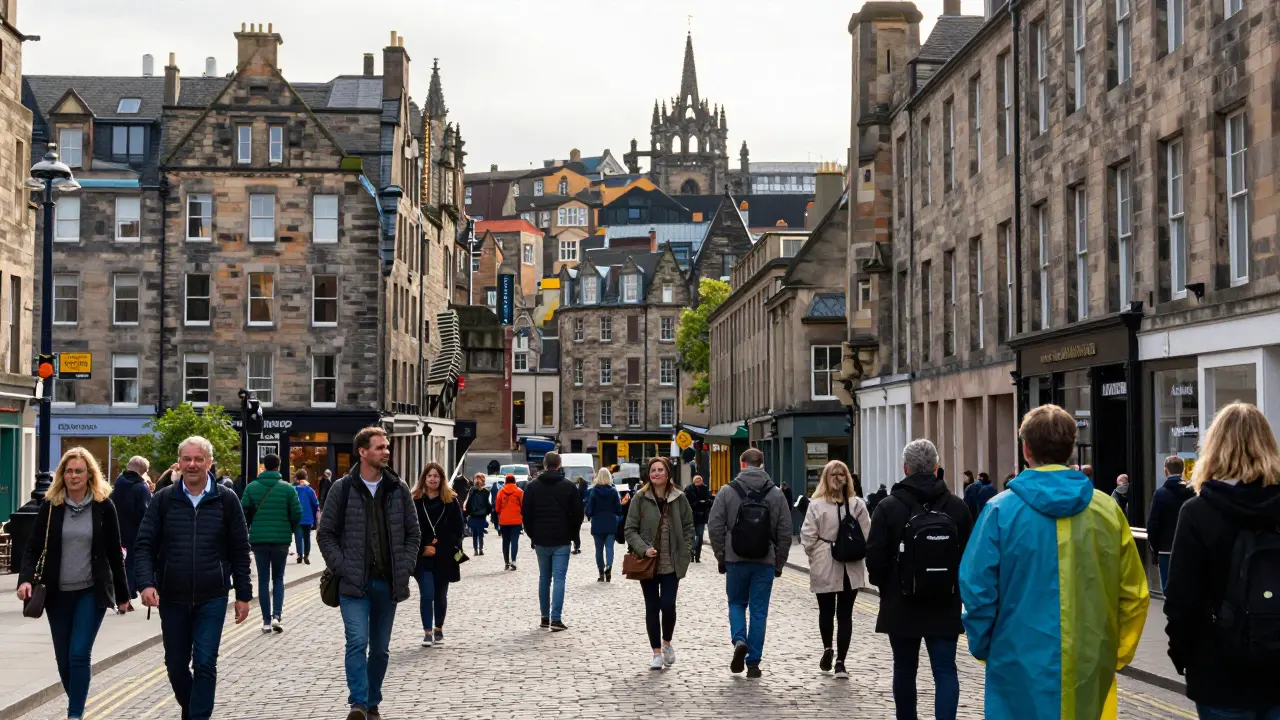
The Core Experience: What Makes This Festival Different?
You might confuse this with the Fringe, but they are very different beasts. While the Fringe is an open-access free-for-all, the International Festival is the "curated" sibling. Think of it as the prestige label. The organizers scout the globe to bring in a handful of the most ambitious productions-pieces that are often too big, too weird, or too expensive for a standard theatre run. This means you'll see massive opera installations, avant-garde dance pieces from Japan, or a symphony orchestra performing in a venue that wasn't meant for music.
The festival generally runs from early to mid-August, perfectly timed with the Scottish summer (though, as any local will tell you, "summer" usually means bringing a raincoat just in case). The magic happens across a variety of venues, from the historic Usher Hall to the intimate settings of the Festival Theatre. The goal isn't just entertainment; it's about cultural exchange. You're not just watching a play; you're seeing how a director from South Korea interprets a Greek tragedy, or how a choreographer from France reimagines the concept of gravity.
Theatre Highlights: Beyond the Script
Theatre at the festival isn't just about sitting in a dark room for two hours. Recently, we've seen a shift toward immersive and site-specific works. Imagine a play where the audience moves through the winding alleys of the Old Town, following characters into hidden courtyards. This breaks the "fourth wall" and makes you part of the story. When you book tickets, look for the "experimental" labels. These are often the shows people are still talking about three years later.
One of the biggest draws is the variety of scales. You can go from a massive, high-budget production at the Playhouse to a stripped-back, raw performance in a small black-box theatre. The focus here is often on the Edinburgh International Festival's commitment to challenging the status quo. You'll find plays that tackle climate change, political upheaval, and the human condition using technology like augmented reality or complex soundscapes that wrap around you.
The Sound of the City: Classical and Contemporary Music
Music is the heartbeat of the festival. While it's famous for high-brow classical music, the programming has evolved. You'll find the Edinburgh International Festival bringing in world-class orchestras, but they often pair them with modern electronic artists or folk musicians from the Highlands. This blending of genres is where the real excitement lies.
| Venue | Best For | Vibe | Pro Tip |
|---|---|---|---|
| Usher Hall | Full Orchestras | Grand & Formal | Arrive early for security checks |
| St Giles' Cathedral | Choral & Chamber | Ethereal & Spiritual | Check for afternoon recitals |
| The Corn Exchange | Contemporary/Pop | High Energy | Great for late-night sets |
If you're looking for something more intimate, seek out the chamber music series. There's something special about hearing a string quartet in a room where you can practically hear the performers breathe. It creates a connection that you just don't get in a 2,000-seat hall. Also, keep an eye out for the outdoor concerts. Seeing a performance with the silhouette of Edinburgh Castle in the background is a cliché for a reason-it's genuinely stunning.
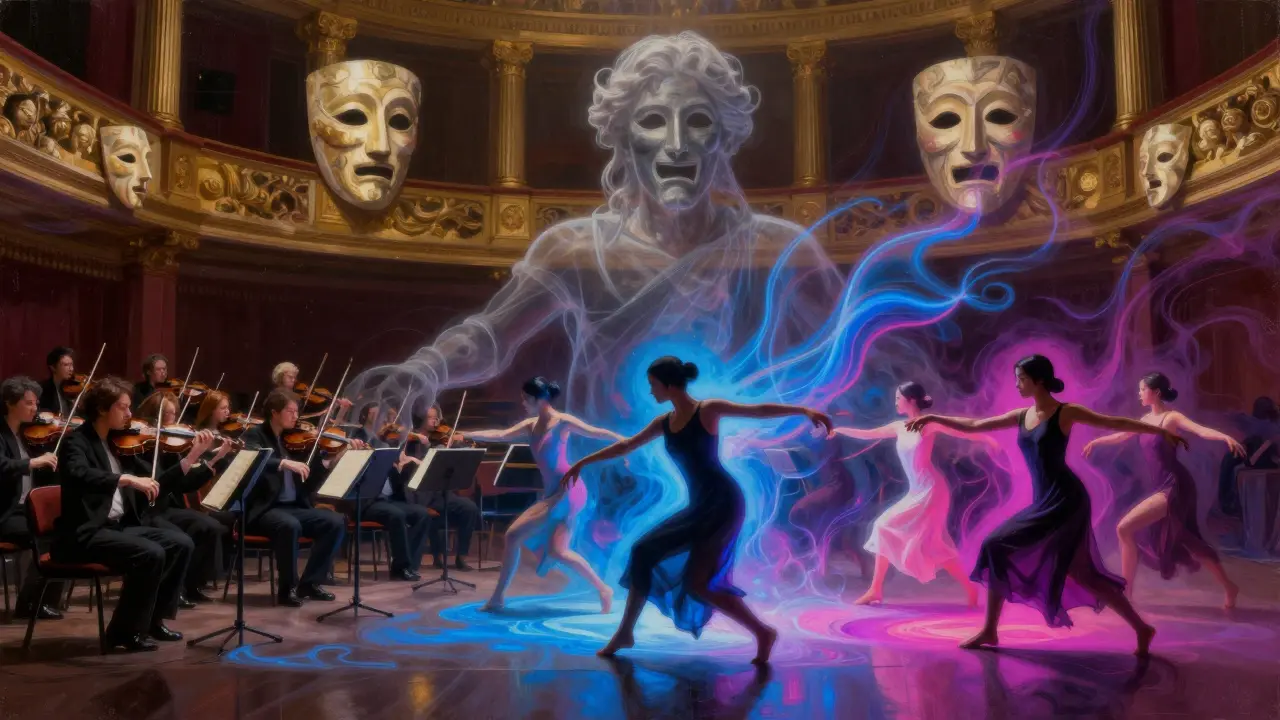
Dance and Movement: Defying Expectations
Dance at the festival often transcends traditional ballet. You'll encounter Contemporary Dance that uses the architecture of the city as a prop. Some of the most memorable pieces are those that integrate digital projections or interactive elements, where the dancer's movements trigger changes in the music or lighting in real-time. It's less about a story and more about a feeling or a physical exploration of space.
For those new to the scene, don't be intimidated by the "abstract" nature of some dance shows. You don't need a degree in art history to enjoy it. The key is to let the movement affect you emotionally. Whether it's a high-energy hip-hop fusion from New York or a minimalist piece from Tokyo, the focus is on the physical capability of the human body and how it communicates what words cannot.
How to Navigate the Festival Like a Pro
Visiting Edinburgh in August is a bit like trying to navigate a beehive. Everyone is excited, and everything is crowded. The first thing you need to realize is that walking is your best friend. The city is hilly and the buses get bogged down in traffic. Wear comfortable shoes-seriously, your feet will thank you after a ten-hour day of jumping between venues.
When it comes to tickets, the "early bird" approach is essential for the big-name shows. However, don't be afraid of the last-minute deals. Many venues offer discounted tickets on the day of the show if there are unsold seats. If you're feeling adventurous, try the "Festival Pass" options which allow you to bundle different performances. This is a great way to experience something you'd normally never choose, like a four-hour experimental opera from Poland.
Eating and drinking also require a strategy. The cafes around the Royal Mile will be packed. Instead, head toward Stockbridge or Leith for a quieter meal. These areas have incredible local eateries that aren't overwhelmed by the tourist rush, and they're a great place to process everything you've seen that day.
Common Pitfalls to Avoid
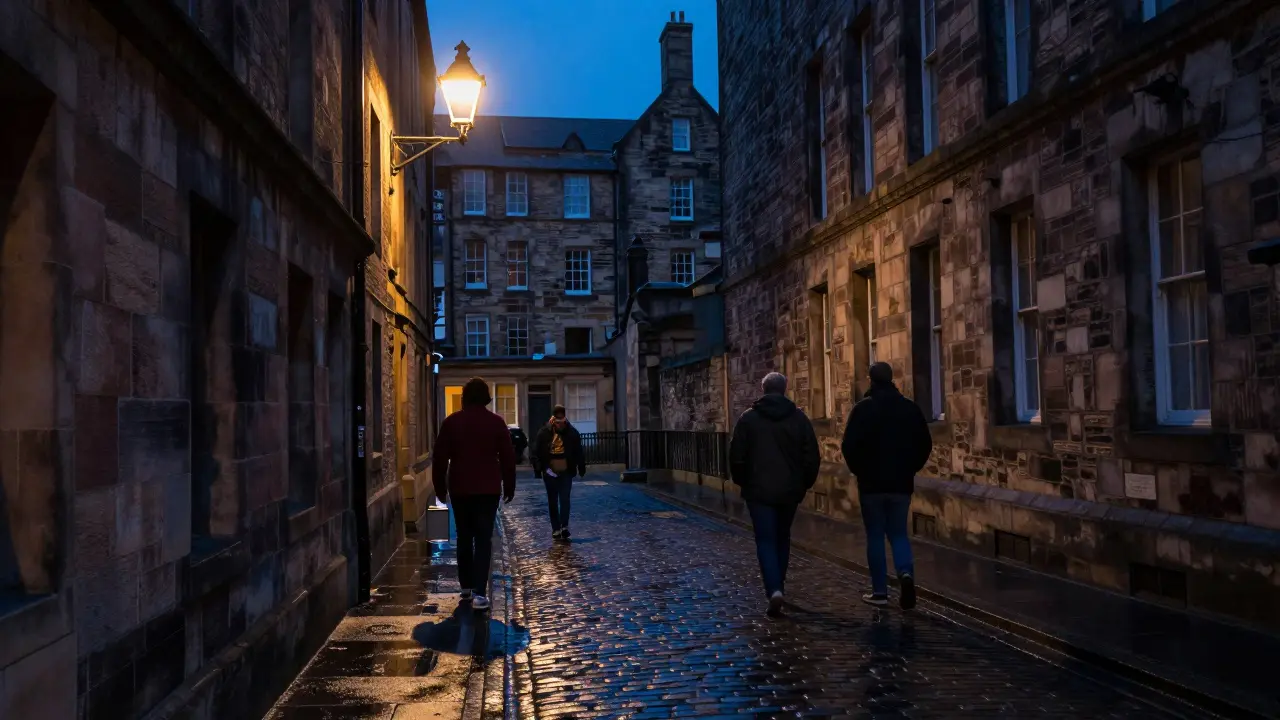
One mistake visitors often make is trying to do too much. It's easy to book six shows in one day, but by the fourth, your brain will be fried. The "festival fatigue" is real. Give yourself time to just wander. Some of the best moments aren't the ticketed shows, but the spontaneous street performances or the conversations you have with other art lovers in a pub.
Another trap is ignoring the weather. August in Scotland can be 20 degrees and sunny one minute and raining sideways the next. Layering is the only way to survive. A light waterproof jacket and a sweater are non-negotiable. There's nothing worse than shivering through a beautiful performance because you thought the Scottish summer was actually warm.
Is the Edinburgh International Festival the same as the Fringe?
No, they are different. The International Festival is a curated, invitation-only event featuring world-class performers selected by a director. The Fringe is an open-access festival where anyone with a venue and a show can perform. They happen at the same time, creating a massive city-wide arts celebration.
When is the best time to buy tickets?
For high-demand shows, buy them as soon as they are released (usually early spring). For smaller or more experimental pieces, you can often find great deals or last-minute availability closer to August.
Do I need to be an expert in classical music to enjoy the festival?
Absolutely not. The festival is designed to be accessible. Many shows are contemporary, and the classical pieces are often presented in innovative ways that make them exciting even for beginners.
Where should I stay during the festival?
Hotels in the city center fill up fast and get expensive. Consider looking for accommodations in areas like Leith or Haymarket, which are well-connected by tram and bus but slightly removed from the main tourist crush.
What should I wear to a festival show?
Most venues are quite relaxed. While some people dress up for the opera or symphony at Usher Hall, "smart casual" is perfectly fine for almost everything. The most important thing is to wear comfortable shoes for the walk between venues.
Next Steps for Your Trip
If you're planning your first visit, start by checking the official festival program online to identify a few "anchor" shows that you absolutely cannot miss. Once you have those, leave a few gaps in your schedule for the Fringe or spontaneous discoveries. If you're a local or a repeat visitor, try exploring the smaller, satellite venues in the outskirts of the city to find the truly hidden gems.
For those who find the crowds too overwhelming, consider visiting during the early morning hours when the city is quiet and the light is perfect for photography. This gives you a chance to appreciate the architecture of the city before the madness of the festival day begins.
Comments (13)
-
Nathaniel Petrovick April 5, 2026
Totally agree about the walking shoes. I went a few years back and my boots were basically destroyed by the end of the week because I underestimated those hills!

-
Honey Jonson April 5, 2026
honestly just bring a big umbrella too... the rain there is no joke and itll soak u in like two seconds flat lol

-
James Winter April 6, 2026
Overrated. Boring. Canada does art better.

-
Aimee Quenneville April 7, 2026
Oh wow, a guide telling us to wear a raincoat in Scotland... how absolutely revolutionary!!!

-
Cynthia Lamont April 8, 2026
The lack of a proper bibliography for these claims is simply appalling! How can anyone trust a guide that doesn't cite its sources? It's a disaster!

-
Meghan O'Connor April 10, 2026
The distinction between the International Festival and the Fringe is elementary, yet people still manage to conflate them every single year. It's honestly exhausting to explain the basic hierarchy of curated versus open-access events to the masses who can't be bothered to read a simple program. Most of these "immersive" shows are just pretentious excuses for poor set design and lack of a coherent script, masquerading as innovation to trick tourists into paying more for a ticket. I've seen the same cycle repeat for a decade and it never gets any better. The focus on "challenging the status quo" is a tired trope that most directors use when they have nothing original to say about the human condition. It's all just noise at this point. Give me a properly staged play in a traditional theater any day over some "site-specific" walk through a damp alleyway. The obsession with augmented reality in theatre is just a gimmick to hide the fact that the acting is mediocre. Most of the "experimental" labels are just red flags for a show that will be completely forgettable by September. It's high time we stopped pretending that being "weird" is the same thing as being artistic. The curated label doesn't even guarantee quality anymore, just a bigger budget for the same old clichés. Absolute rubbish.

-
Sally McElroy April 12, 2026
The concept of a "curated" experience is just another layer of societal gatekeeping... it suggests that some elite few decide what is worthy of our intellectual consumption!!!

-
Sara Escanciano April 13, 2026
It's frankly disgusting how much money is poured into these lavish productions while people are starving in the streets. This entire festival is a monument to excess and vanity.

-
Marissa Martin April 15, 2026
I suppose some people find the crowds exciting, but it sounds like a nightmare for anyone who actually values peace.

-
Dmitriy Fedoseff April 15, 2026
Art should be a bridge between cultures, but the commercialization of these festivals often strips the soul from the performance. We must demand more authenticity and less tourism.

-
Morgan ODonnell April 16, 2026
I think everyone just wants to have a good time and enjoy the music. No need to be so harsh.

-
Kirk Doherty April 17, 2026
yeah just go with the flow and it is fine

-
Destiny Brumbaugh April 18, 2026
Scoltland has a cool castle but US theaters are way bigger and bettr!!!!
