
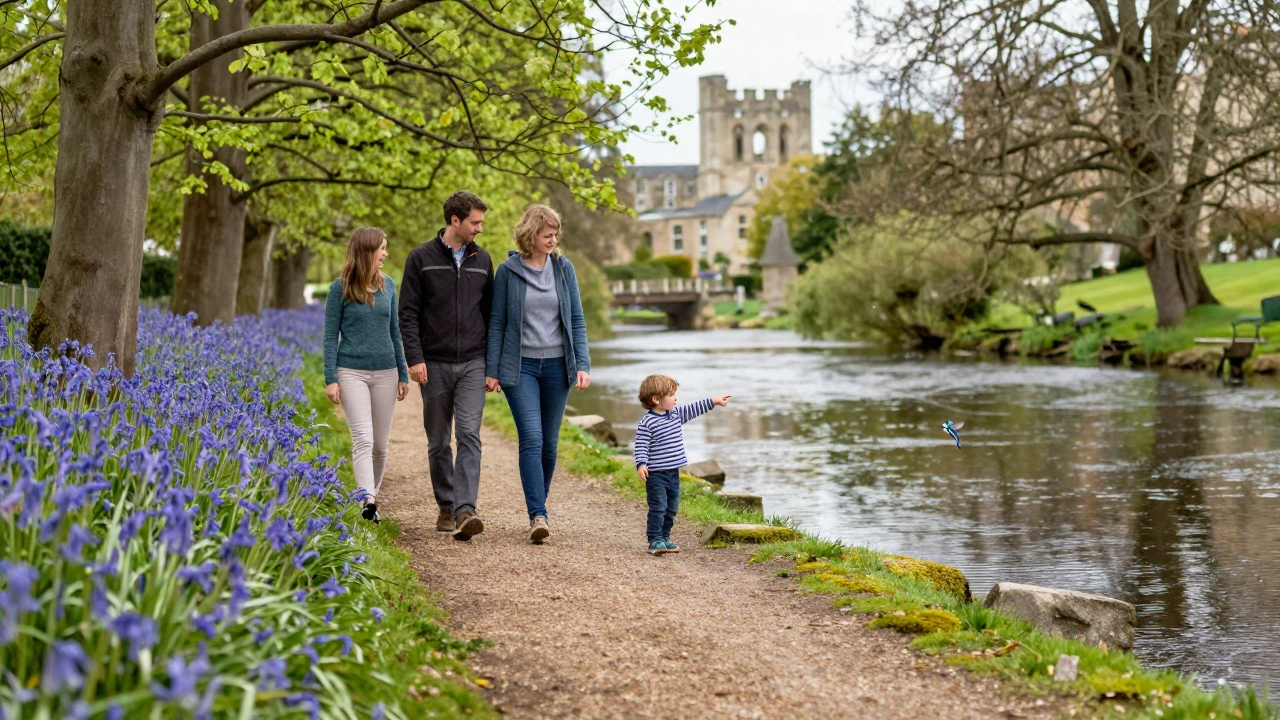
You don’t need to climb mountains or trek for miles to fall in love with the Scottish countryside. Some of the most peaceful, beautiful, and memorable walks in Scotland are the quiet, flat, or gently rolling trails found in the Borders and Dumfries and Galloway. These aren’t the routes that show up on Instagram with dramatic cliffside views-they’re the ones where you spot a kingfisher darting over a stream, hear the rustle of red deer in a woodland, or sit on a mossy stone and watch clouds drift over rolling hills. If you’re looking for walks that don’t demand fitness, gear, or a full day, these are the ones that deliver real magic without the burn.
Why Low-Level Walks Matter
Not everyone wants to hike 10 miles with a backpack. Families with young kids, older walkers, people recovering from injury, or anyone who just wants to breathe fresh air without exhaustion need trails that match their pace. Low-level walks in this region are designed for exactly that: gentle gradients, well-maintained paths, and clear signage. Many start right from car parks, village greens, or historic sites, so you can show up in regular shoes and be walking within minutes.
These trails also connect you to history. You’ll walk past ruined abbeys, old drovers’ roads, and Roman forts without even realizing it-because the path doesn’t scream "historical landmark." It just lets you wander, and then you notice the stone archway half-buried in ivy, or the weathered inscription on a gatepost. That’s the quiet power of these walks.
Top 5 Low-Level Walks in the Borders
- Abbotsford to Melrose (5 miles, flat): Follow the River Tweed from Sir Walter Scott’s home at Abbotsford to the ruins of Melrose Abbey. The path is mostly gravel and grass, with benches every few hundred yards. In spring, the riverbanks explode with bluebells and wild garlic. You can turn this into a shorter loop by taking the train back from Melrose.
- St. Mary’s Loch Loop (3 miles, easy): A circular walk around the loch’s southern edge. It’s mostly flat, with boardwalks over wet spots and open views of the hills. Look for ospreys in summer-there’s a dedicated spotting platform near the northern end.
- Yarrow Water Walk (2.5 miles, round trip): Starts at Yarrow Bridge. Follow the river through a narrow valley lined with ancient oaks. The path is soft underfoot, with no steep sections. Perfect for a mid-afternoon stroll with a thermos of tea.
- Earlston to West Linton (4 miles, flat): A quiet route along the old railway line, now a traffic-free path. It passes through farmland and small woods, with benches and picnic tables. No crowds. No traffic. Just the sound of birds and the occasional tractor in the distance.
- Hermitage Castle to Liddel Strength (3 miles, easy): Walk from the eerie ruins of Hermitage Castle along the Liddel Water. The path is wide and gravelled, with interpretive signs about the castle’s bloody history. You’ll see the remains of a medieval watermill before looping back.
Top 5 Low-Level Walks in Dumfries and Galloway
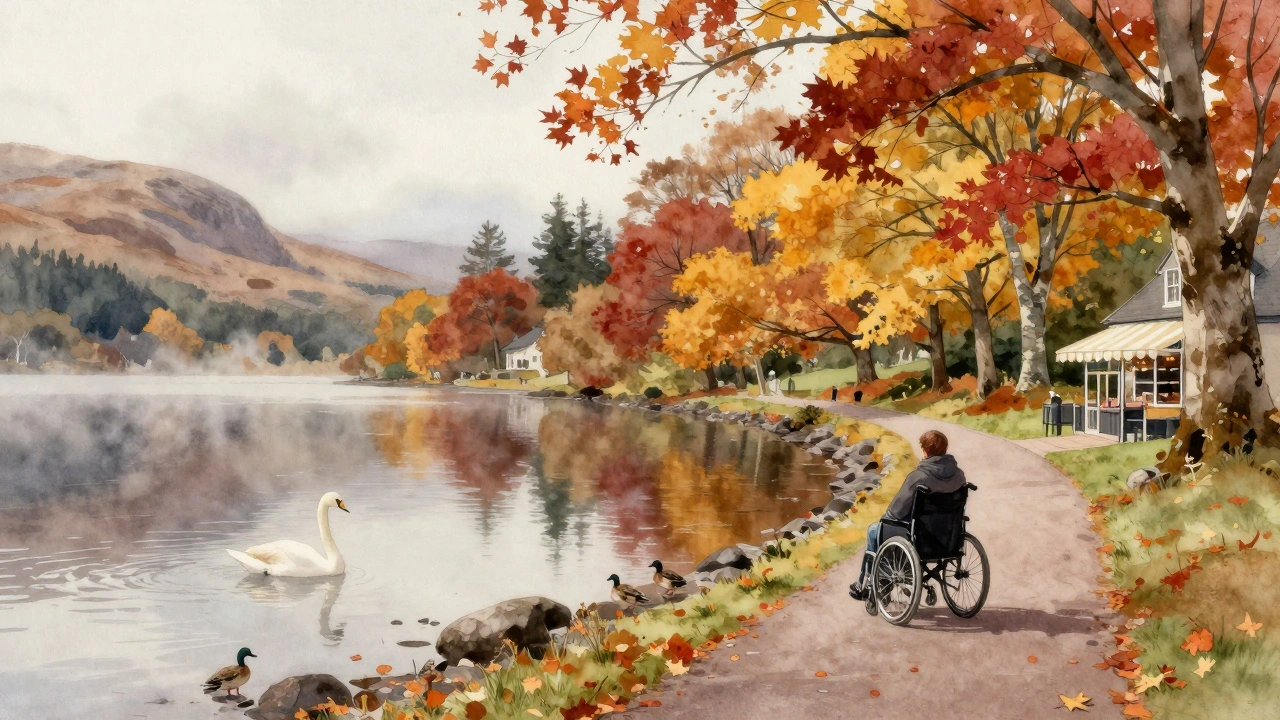
- Loch Ken Circular (4 miles, flat): A wide, well-graded path around the northern shore of Loch Ken. It’s popular with families, wheelchair users, and dog walkers. The water is calm, and you’ll often see swans, otters, and even the occasional red squirrel. There’s a café at the start and another halfway.
- Caerlaverock Wetland Trail (2 miles, boardwalks): This is a birdwatcher’s dream. The trail winds through reed beds and shallow pools, with raised boardwalks and hides. You don’t need binoculars to spot teal, wigeon, or curlews-they’re right there. The trail is fully accessible and takes less than an hour.
- Threave Garden to Threave Castle (1.5 miles, flat): Start at the National Trust for Scotland’s Threave Garden, walk past the orchards and rose borders, then cross the footbridge to the island castle. The path is smooth, shaded, and dotted with benches. The castle’s crumbling walls are hauntingly beautiful, and the river below is full of fish.
- Sanquhar Old Town Walk (2 miles, loop): A town trail that circles Sanquhar’s historic center. You’ll pass the old jail, the 17th-century market cross, and the ruins of the priory. The path is paved in places, gravel in others, and there are plenty of places to stop for coffee. It’s more cultural than natural, but deeply Scottish.
- Glencaple Quay to the River Nith (3 miles, flat): Follow the old quay path beside the River Nith, then head inland through meadows. You’ll pass a restored 18th-century mill and a small nature reserve. The whole route is quiet, with occasional views of the hills beyond. Great for sunset walks in autumn.
What to Bring (Seriously, It’s Simpler Than You Think)
You don’t need hiking boots. Waterproof walking shoes or even sturdy trainers will do. A light rain jacket is enough-these trails aren’t exposed to wild winds like the Highlands. A small backpack with water, a snack, and a map (or offline map on your phone) covers it.
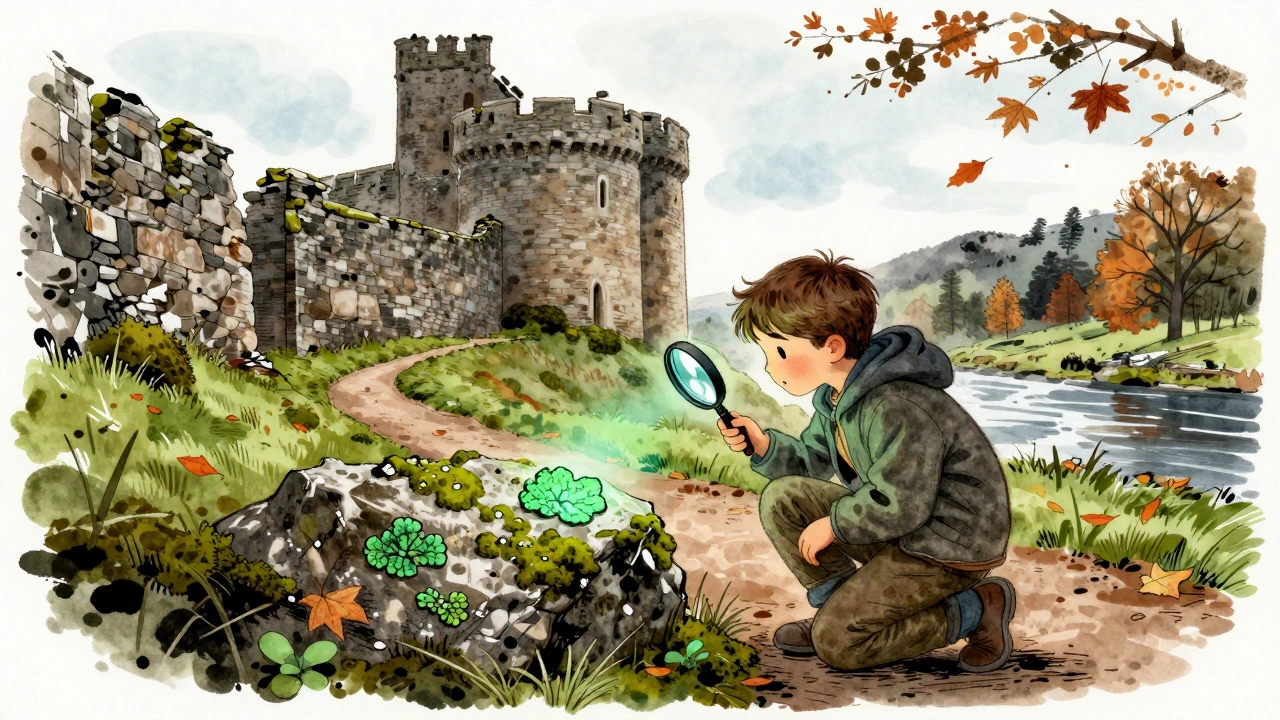
Don’t forget a camera. These walks are full of small, quiet moments: a fox trotting across a field, a patch of lichen glowing green on a stone, the way mist clings to a river in the morning. You won’t find these on postcards.
And if you’re with kids, bring a magnifying glass. The mosses, fungi, and insects along these paths are fascinating up close. I’ve seen children spend 20 minutes just watching a beetle climb a blade of grass-no screen, no noise, just wonder.
Best Times to Go
Spring (April-May) is when the wildflowers bloom and the birds return. Summer (June-August) is warm but can get busy on weekends-go early. Autumn (September-October) is the quietest and most colorful. The trees turn gold and red, and the air smells like damp earth and woodsmoke.
Winter walks are underrated. The paths are empty, the light is soft, and the hills look like charcoal sketches. Just check for frost or ice on muddy sections. Most low-level trails are fine in winter, but avoid them after heavy rain if the ground is soggy.
Why This Region Is Different
The Borders and Dumfries and Galloway aren’t trying to be the Highlands. They don’t need to be. This is Scotland’s gentle side-the part where you can walk for an hour, sit under a tree, and feel like you’ve been somewhere real. There’s no rush here. No queues. No ticket booths.
The trails are maintained by local volunteers, not big tourism companies. Signs are hand-painted. Benches are donated by families. The cafes that serve scones at the trailheads are run by people who’ve lived here for generations. You’re not just walking through a landscape-you’re walking through a community.
What to Avoid
Don’t expect luxury. These aren’t theme park trails with interactive displays or gift shops. Don’t expect to find ATMs or public restrooms at every turn. That’s the point. You’re here to disconnect.
Also, don’t assume these walks are "easy" because they’re flat. Some paths are muddy, especially after rain. Wear grippy shoes. Don’t try to rush. Slow is the whole idea.
Next Steps
Start with one walk. Pick the one closest to where you’re staying. Give yourself two hours. Leave your phone on silent. Walk slowly. Look up. Look down. Listen. You’ll come back not just refreshed, but changed.
If you like it, come back next month. Try a different trail. Walk it in a different season. Notice how the light changes, how the birds sound different, how the same path feels like a new place every time.
Are these walks suitable for children?
Yes, absolutely. Most of these trails are flat, short, and safe for kids. Paths like Loch Ken Circular and Threave Garden to Threave Castle have wide, even surfaces with no steep drops. Bring snacks and a magnifying glass-they’ll love exploring the small details.
Do I need special footwear?
No, hiking boots aren’t necessary. Waterproof walking shoes or sturdy trainers with good grip will work fine. Avoid smooth-soled shoes, especially after rain, as some paths can be muddy or slippery.
Are the trails well-marked?
Yes, most are clearly signed with waymarkers and distance markers. Many start at car parks with maps and info boards. You can also download free offline maps from the WalkHighlands or VisitScotland apps.
Can I bring my dog?
Dogs are welcome on most trails, but keep them on a lead near livestock, especially in sheep-grazing areas. Some sites like Threave Castle and Caerlaverock Wetland have restrictions during nesting season-check local signs.
Is there public transport to these trails?
Yes, many trails start near bus stops or train stations. Melrose, Sanquhar, and Dumfries all have regular bus services. The Borders Railway connects several trailheads, including Abbey St. Bathans and St. Mary’s Loch. Check Traveline Scotland for timetables.
Are there toilets on these walks?
Toilets are available at major trailheads like Abbotsford, Threave Garden, and Loch Ken Visitor Centre. On longer routes, there may be none. Plan ahead-carry tissues and hand sanitizer if you’re heading out for more than an hour.
Where to Go Next
Once you’ve tried the low-level walks here, you might want to explore the nearby Galloway Forest Park. It has even more gentle trails, plus dark sky reserves for stargazing. Or head east to the East Neuk of Fife for coastal walks with sea views and fishing villages. But don’t rush. The Borders and Dumfries and Galloway are worth returning to again and again.