
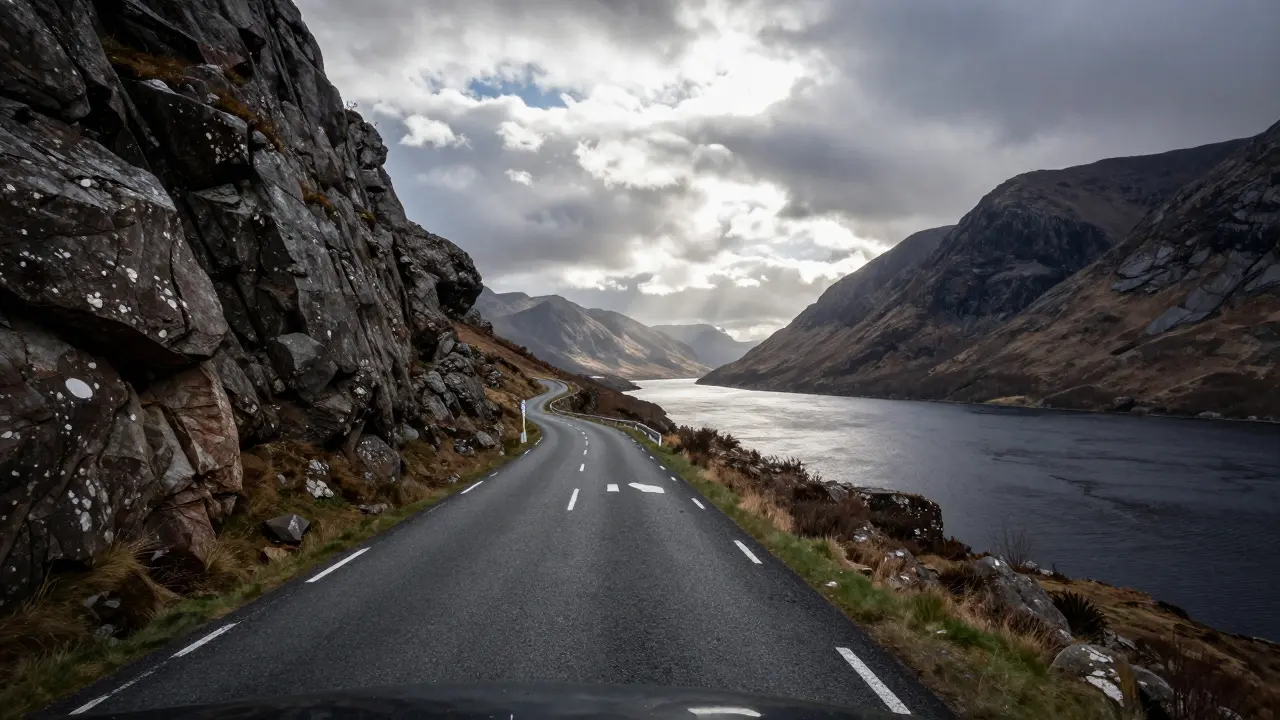
There is a moment on the Glen Etive is a narrow, steep valley in the Scottish Highlands known for its dramatic scenery and challenging single-track road drive where you realize your car isn’t just a vehicle anymore. It’s an obstacle. The road here doesn’t let you forget that. It squeezes you between towering granite cliffs and the dark, churning waters of Loch Etive is a long sea loch at the western end of Glen Etive, famous for its beauty and wildlife. One wrong move, one missed pass-by bay, or one startled red deer stepping onto the tarmac, and your perfect Highland day turns into a logistical nightmare.
I’ve driven this route dozens of times from my base in Dundee. I’ve seen tourists panic when they meet another car. I’ve watched locals navigate hairpin bends with terrifying ease. And yes, I’ve had deer jump out in front of me. If you’re planning to drive through Glen Etive in 2026, you need more than just a GPS. You need to understand the rhythm of this place. This isn’t a motorway. It’s a test of patience, respect, and basic driving sense.
Understanding the Single-Track Reality
Let’s get one thing straight immediately: Glen Etive is not a two-lane road. It is a single-track road is a narrow roadway designed for only one vehicle at a time, requiring drivers to use passing places to allow traffic to flow in both directions. That means there is no center line. There is no room for error. When you see another car coming, someone has to pull over. Usually, it’s whoever is closest to a designated passing place.
These passing places are small widened sections of the road, often marked by white lines or simply wider gravel patches. They aren’t always obvious. In summer, vegetation can hide them. In winter, snow covers them. You have to know where they are before you need them. If you wait until you’re nose-to-nose with a Land Rover to look for a spot to pull in, you’ll already be too late.
The etiquette here is simple but strict. If you have the right of way because you’re closer to a passing place, take it politely. Don’t speed past. Wave if you can. If you’re the one pulling over, do so early. Don’t creep forward hoping the other driver will yield. That’s how accidents happen. And trust me, you don’t want to explain a fender bender in the middle of nowhere to insurance adjusters who’ve never seen a pass-by bay in their lives.
Deer: The Unpredictable Co-Passengers
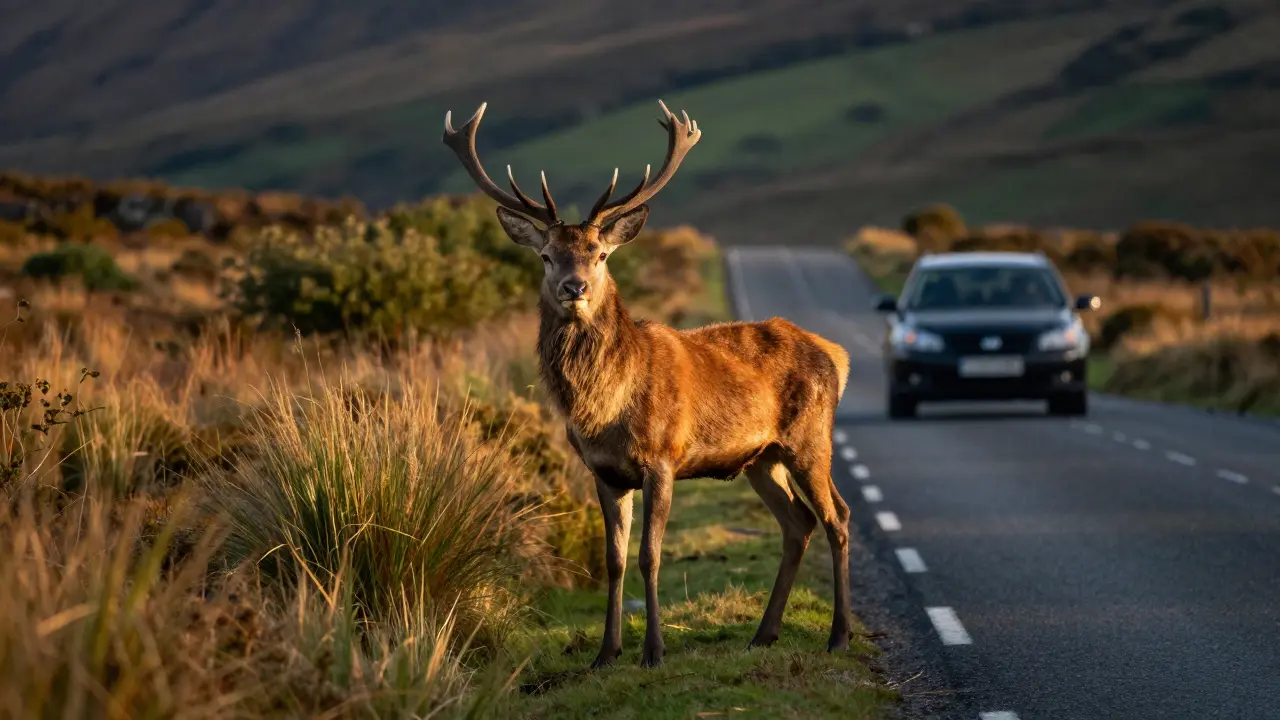
If the road layout doesn’t keep you on edge, the wildlife will. Red deer are everywhere in Glen Etive. They aren’t just in the distance grazing on hillsides. They walk along the road. They sleep near the tarmac. They cross without warning.
You might think deer are shy. They’re not. Especially during the rutting season in autumn, when males are aggressive and females are protective. But even in spring and summer, when calves are born, deer are bold. They’ve gotten used to cars. Some almost expect them.
Here’s what you need to do:
- Slow down. Speed limits exist for a reason. On single-track roads, visibility is limited. Corners are blind. If you hit a deer at 40 mph, your car takes serious damage. At 30 mph, you might survive the impact. At 20 mph, you might stop in time.
- Watch the edges. Deer often travel along the sides of the road, hidden by grass or bushes. Keep your eyes scanning the periphery, not just the center lane.
- Use your horn sparingly. A short blast can warn a deer you’re coming. But don’t honk repeatedly. It stresses them and may cause unpredictable behavior.
- Never chase them away. If a deer stands in the road, wait. Let it move. Don’t rev your engine or try to scare it off. You never know which way it will bolt.
I once waited ten minutes for a mother and her calf to cross. People behind me were impatient. But rushing would have been dangerous. Patience saves metal-and lives.
Best Scenic Stops Along the Route
Driving through Glen Etive isn’t just about getting from point A to point B. It’s about experiencing some of Scotland’s most iconic landscapes. Here are the spots worth stopping at-safely, legally, and respectfully.
| Location | What to See | Parking Notes |
|---|---|---|
| Balmaha | Start of the glen, ferry terminal, views of Ben Cruachan | Limited parking; arrive early |
| Loch Etive Viewpoint (near Bridge) | Panoramic view of the loch and surrounding peaks | Small layby; do not block the road |
| Inveroran Bay | Calm waters, great for photography and birdwatching | No formal parking; use designated areas only |
| Bridge of Orchy | Historic village, cafes, starting point for many hikes | Paid parking available; free spots fill quickly |
Balmaha is where most people begin. It’s charming, with a small harbor and regular ferries across Loch Lomond. But don’t linger too long if you plan to drive up the glen. Traffic builds up fast, especially on weekends.
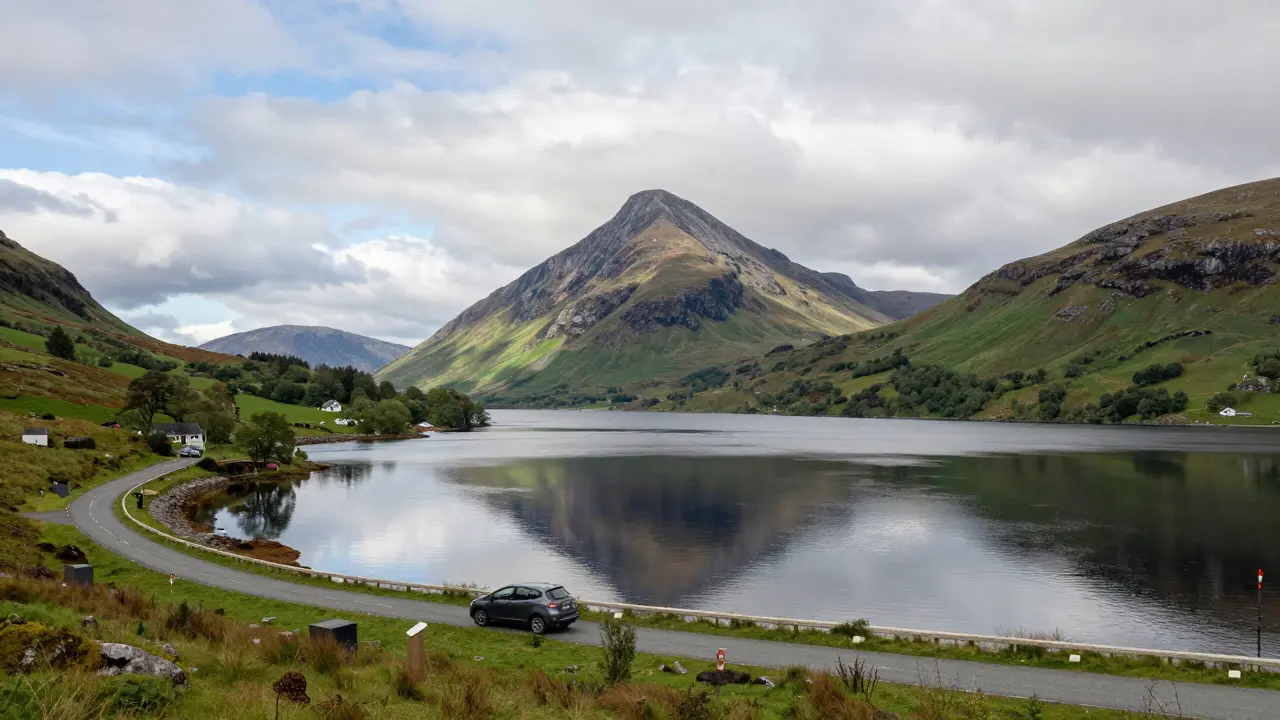
The viewpoint near the bridge offers one of the best photos you’ll ever take. Frame Ben Cruachan against the water, and you’ve got postcard material. Just remember: park fully off the road. Never leave your car partially blocking the lane. Other drivers will appreciate it.
Inveroran Bay is quieter. Fewer tourists, more nature. Bring binoculars. You might spot ospreys, eagles, or otters. It’s also a great spot for a picnic-if you pack out everything you bring in.
Bridge of Orchy is the gateway town. Use it as a base. Eat breakfast here. Fill up your tank. Buy supplies. Then head into the glen prepared.
Seasonal Driving Conditions: What to Expect in 2026
Weather in the Highlands changes faster than you can check your phone. Summer brings crowds and rain showers. Winter brings ice, snow, and darkness. Spring and autumn offer fewer visitors but unpredictable conditions.
In July 2026, expect warm days but sudden storms. Carry waterproof layers. Check weather forecasts before you go. Apps like Met Office Scotland provide real-time updates for specific locations.
Winter driving requires extra caution. Tires matter. Chains may be needed. Always carry a shovel, blanket, and emergency food. If you’re not experienced in winter driving, consider waiting until spring.
Spring is beautiful but muddy. Roads can be slippery after rain. Autumn is stunning but busy with rutting deer. Plan accordingly.
Safety Tips Every Driver Should Know
Before you start your engine, review these essentials:
- Check your mirrors constantly. On single-track roads, rear visibility is critical. You need to see approaching vehicles early.
- Keep your headlights on. Even during the day. It makes you more visible to others and helps you spot hazards sooner.
- Don’t assume right of way. Be ready to yield. Politeness prevents conflicts.
- Avoid peak hours. Weekends and holidays mean more traffic. Try visiting mid-week if possible.
- Carry a charged phone. Signal can be weak. Download offline maps. Tell someone your route.
If you break down, pull over completely. Turn on hazard lights. Place warning triangles if you have them. Call roadside assistance. Don’t stand in the road while waiting.
Respecting the Environment and Locals
Glen Etive is fragile. Trails erode easily. Wildlife disturbances ripple through ecosystems. Please stick to marked paths. Don’t feed animals. Take all trash with you.
Locals rely on this road for daily commutes. Farmers deliver goods. Emergency services respond to calls. Your tourism shouldn’t disrupt their lives. Drive slowly. Park properly. Speak kindly. You’ll find Highland hospitality runs deep-but only if you show respect first.
Is Glen Etive safe for beginners?
Not really. The narrow roads, blind corners, and frequent wildlife crossings make it challenging for inexperienced drivers. If you’re new to single-track driving, practice elsewhere first or hire a local guide.
Can I drive Glen Etive in winter?
Yes, but only if you’re prepared. Snow chains, winter tires, and emergency kits are essential. Many visitors avoid winter due to icy conditions and reduced daylight. Check road closures before traveling.
Where should I park to avoid fines?
Only park in designated laybys or official car parks. Never block the road or pull onto private land. Fines are enforced strictly, and towing services are expensive in remote areas.
Are there toilets along the route?
Facilities are limited. Balmaha and Bridge of Orchy have public restrooms. Elsewhere, options are scarce. Plan ahead and use facilities before entering the glen.
What should I do if I hit a deer?
Stop safely if possible. Do not approach the animal-it may be injured and dangerous. Report the incident to police via 101. Document the scene with photos for insurance purposes. Seek medical help if anyone is hurt.
Comments (9)
-
Edward Nigma July 2, 2026
Thats a load of rubbish honestly. Single track roads are not that hard if you have any common sense at all. People just whine because they cant handle basic driving etiquette. I drove it last week and had no issues whatsoever. The deer arent even that scary if you keep your eyes open. Stop making it sound like its the apocalypse out there.

-
Francis Laquerre July 3, 2026
I must say, the description of Glen Etive captures the sheer majesty and trepidation one feels when approaching such a formidable landscape. It is truly a testament to the raw power of nature in the Scottish Highlands. The way the granite cliffs seem to lean in, whispering ancient secrets to the wind, creates an atmosphere that is both intimidating and utterly captivating. One cannot help but feel small in the presence of Ben Cruachan looming over Loch Etive. This guide serves as an essential companion for those who wish to traverse this beautiful yet unforgiving corridor with respect and caution. The emphasis on patience and awareness is not merely advice; it is a survival mechanism in a place where hubris is quickly punished by geography and wildlife alike.

-
michael rome July 4, 2026
It is imperative that we consider the psychological impact of navigating such constrained environments. The single-track road demands a level of mindfulness that modern commuting rarely requires. Drivers must engage in a continuous dialogue with their surroundings, anticipating the movements of other vehicles and the unpredictable behavior of local fauna. This heightened state of alertness can be exhausting, yet it fosters a deeper connection to the journey itself. We should view these challenges not as inconveniences, but as opportunities to refine our driving skills and cultivate a greater appreciation for the natural world. Let us approach Glen Etive with humility and preparedness, ensuring that our passage through this stunning valley remains safe and respectful for all who follow.

-
Andrea Alonzo July 5, 2026
I completely understand why people get anxious about driving on narrow roads, especially when you add in the factor of wildlife that might dart out unexpectedly, and it is really important to remember that taking your time is not only safer but also allows you to truly appreciate the breathtaking scenery that surrounds you every step of the way, so please do not feel pressured to rush through the passing places or worry too much about the cars behind you because everyone wants to see the views just as much as you do, and being patient with each other makes the whole experience so much more enjoyable for everyone involved in this shared adventure through the highlands.

-
Saranya M.L. July 6, 2026
Your analysis of the vehicular dynamics is superficial at best. In India, we manage traffic density that would make your 'challenging' single-track road look like a leisurely stroll in a park. The concept of 'right of way' is a Western construct that fails to account for the fluid negotiation required in high-density transport scenarios. Your reliance on designated passing bays indicates a lack of adaptive driving proficiency. Furthermore, the suggestion that deer pose a significant threat reveals a fundamental misunderstanding of animal behavior patterns in semi-wild urban interfaces. You need to upgrade your cognitive processing regarding spatial awareness before attempting to critique infrastructure efficiency.

-
om gman July 7, 2026
oh wow another american complaining about scotland. how original. i bet you cried when you saw a hill. the deer are probably laughing at you right now. stop acting like its some grand adventure. its just a road. drive it or go home. dont ruin it for the rest of us who actually know how to enjoy life without needing a manual for everything

-
Jeanne Abrahams July 9, 2026
Oh, look at us, playing tourist in the mud. How quaint. I suppose pulling over for a stag is part of the cultural immersion package? At least you're learning something about humility, which seems to be in short supply among visitors who think GPS can replace common sense. Just don't expect the locals to hold your hand while you figure out which end of the car goes forward.

-
Bineesh Mathew July 9, 2026
The road is a metaphor for existence itself, winding through the dark valleys of uncertainty towards the light of enlightenment that is Ben Cruachan. To drive here is to confront the ego, to surrender control to the chaos of nature. The deer are spirits testing your resolve. If you fail to yield, you are consumed by the void. Do not mistake this for a mere commute. It is a pilgrimage of the soul, demanding sacrifice of speed and pride. Embrace the stillness. Become one with the tarmac.

-
Oskar Falkenberg July 10, 2026
Hiya folks! Just wanted to chime in and say that whilst some of ye might find the comments above a bit harsh or overly dramatic, the truth is that Glen Etive is absolutely stunning and yes, it does require a bit of care when driving. I've been up there myself a few times and while it's not rocket science, it's definitely not your average motorway cruise either. The key is to relax, take it slow, and enjoy the views because they are genuinely worth the effort. Don't let the fear mongering put you off, but do respect the road and the animals sharing it with you. Safe travels everyone!
