
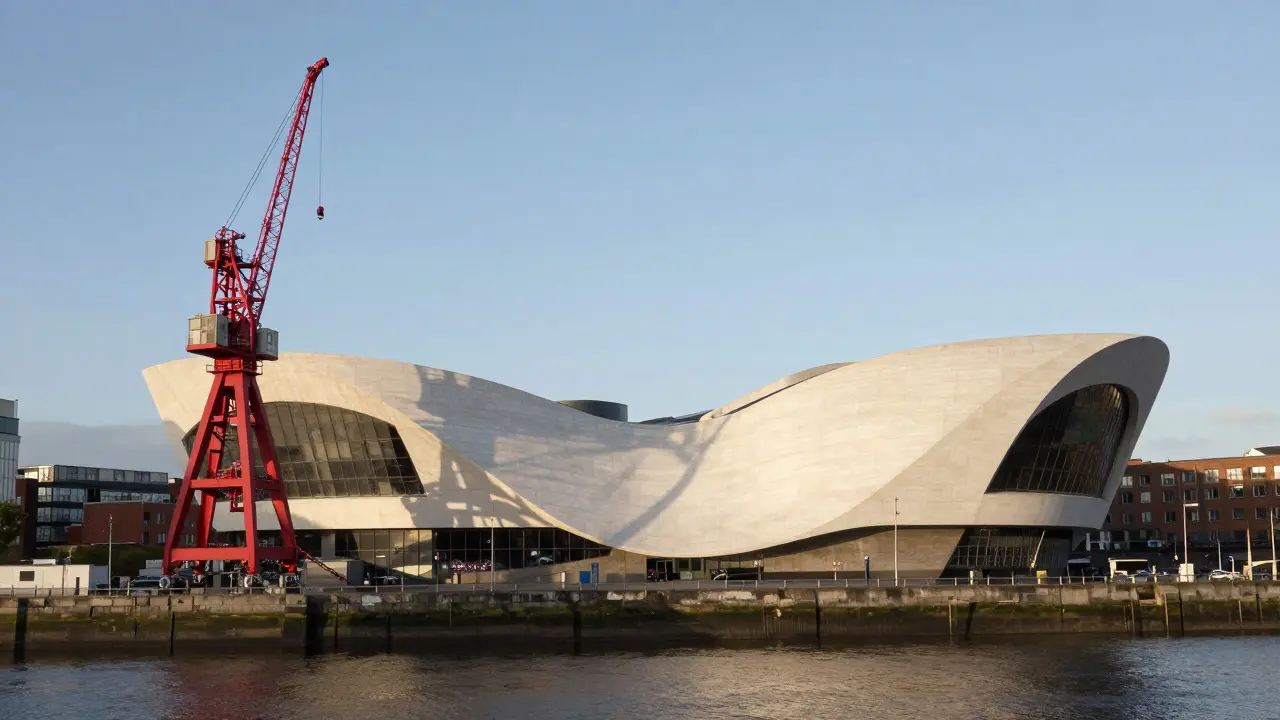
Imagine stepping into a building that looks like it’s been swept up by the wind, its curves mirroring the River Clyde just outside. That is the first thing you notice about the Riverside Museum, Scotland's national transport museum located in Glasgow. But once you step inside, the architecture fades into the background, replaced by the hum of engines, the smell of old leather, and the sheer scale of human ingenuity. This isn’t just a place where vehicles sit behind glass cases collecting dust. It is a living, breathing narrative of how we moved from horse-drawn carriages to electric trains.
If you are planning a trip to Glasgow, whether for a weekend getaway or a longer stay, this museum deserves a spot on your itinerary. It offers something for everyone, from the die-hard train enthusiast to the parent looking for a rainy-day activity that won’t drive them crazy. Here is everything you need to know about exploring the Riverside Museum, including what makes its exhibits so special and how to make the most of your visit.
The Building Itself Is an Exhibit
Before you even see a single bus or boat, you have to acknowledge the structure housing them. Designed by the renowned architect Zaha Hadid, the building is a masterpiece of modern design. Completed in 2011, it was her first project in Scotland. The sweeping lines aren't just for show; they represent the flow of the river and the movement of transport through time.
The museum sits on the banks of the River Clyde, right next to the Finnieston Crane. This location is significant because the Clyde was once the heart of global shipbuilding. Walking along the quay, you can still feel the industrial heritage of the area. The contrast between the sleek, white concrete of the museum and the gritty, historic crane creates a powerful visual statement about progress and preservation.
- Architect: Zaha Hadid Architects
- Opened: September 2011
- Location: 150 Pointhouse Place, Glasgow G3 8RS
- Cost: Approximately £45 million (funded largely by the Heritage Lottery Fund)
You don't need an art degree to appreciate the space. The natural light flooding in from the large windows highlights the exhibits beautifully. On a clear day, the view of the river adds a serene backdrop to the mechanical wonders inside. Take a moment to walk around the exterior before heading in. There are often sculptures and public art installations nearby that complement the museum's theme.
A Journey Through Time: The Collection
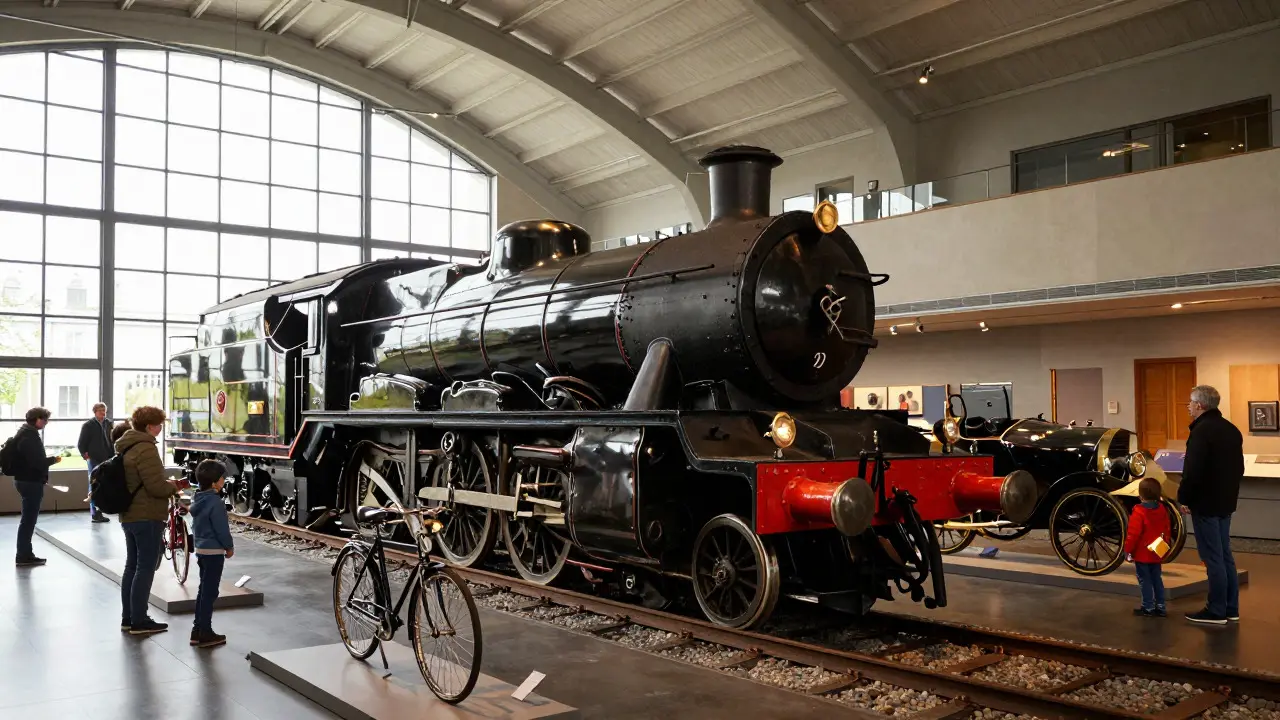
The collection at the Riverside Museum is vast, covering over 150 years of transport history. It is organized chronologically, which helps you understand the evolution of technology. You start with the early days of steam and end with the digital age. This layout makes it easy to follow the story without feeling overwhelmed.
One of the standout pieces is the Flying Scotsman, the famous LNER Class A3 steam locomotive. Seeing this iconic engine up close is a thrill for many visitors. It represents the golden age of rail travel in Britain. Next to it, you might find smaller, more intimate displays, such as vintage bicycles or early motorcars. These items help put the massive trains into perspective, showing how personal transport also evolved during the same period.
Another highlight is the section dedicated to maritime history. Given Glasgow's connection to the sea, this part of the museum is particularly rich. You can explore models of ships built on the Clyde, including some of the largest liners ever constructed. The detail in these models is astonishing. They provide insight into the craftsmanship and engineering skills that made Glasgow a global powerhouse in shipbuilding.
| Exhibit Type | Notable Items | Historical Significance |
|---|---|---|
| Steam Locomotives | Flying Scotsman, City of Truro | Pioneers of long-distance rail travel in the UK |
| Maritime Models | Queen Mary, RMS Lusitania | Showcase Glasgow's shipbuilding legacy |
| Vintage Vehicles | 1903 Humber Snipe, Classic Buses | Illustrate the shift to personal motor transport |
| Aviation | De Havilland Tiger Moth | Early development of civilian aviation |
Interactive Experiences for All Ages
What sets the Riverside Museum apart from other transport museums is its focus on interactivity. It understands that people learn best when they can touch, try, and experience things firsthand. This approach makes it incredibly popular with families.
Kids will love the driving simulators. You can jump into a virtual cockpit of a plane, a train cab, or even a bus. These simulations are surprisingly realistic, offering a fun way to understand the challenges faced by drivers and pilots. For younger children, there is a dedicated play area where they can build their own tracks and move toy vehicles around. It encourages imaginative play while subtly teaching concepts of physics and engineering.
Adults won't be left out either. There are hands-on exhibits where you can operate cranes, steer boats, or control traffic lights. These activities are designed to be engaging but also educational. They explain the mechanics behind the operations, giving you a deeper appreciation for the complexity of modern transport systems.
One unique feature is the "Transport Kitchen." Here, you can see how food was transported and prepared in different eras. It connects transport history with social history, showing how mobility changed our daily lives. This kind of contextual storytelling is what makes the museum memorable. It’s not just about the machines; it’s about the people who used them.
Planning Your Visit: Practical Tips
To get the most out of your visit, a little planning goes a long way. The museum is open seven days a week, but crowds can vary significantly depending on the time of year. Weekends and school holidays tend to be busier. If you prefer a quieter experience, consider visiting on a weekday morning.
Admission to the permanent collection is free. This is a huge plus, especially for families on a budget. However, special exhibitions may require a ticket. It’s worth checking the website before you go to see if there are any temporary shows running. These often feature rare items or thematic collections that rotate throughout the year.
Parking can be tricky. There is a small car park on-site, but it fills up quickly. A better option is to use public transport. The museum is easily accessible by bus, and there is a subway station nearby. If you are driving from further away, consider using Park and Ride services in Glasgow and taking the metro into the city center.
- Check Opening Hours: Verify current hours online, as they may change for bank holidays.
- Book Special Exhibitions: Purchase tickets in advance if you plan to see temporary displays.
- Arrive Early: Beat the crowds by arriving shortly after opening.
- Explore Nearby: Combine your visit with a walk along the Clyde or a coffee at a nearby café.

Why It Matters: Preserving Heritage
Beyond the fun and facts, the Riverside Museum plays a crucial role in preserving Scotland's industrial heritage. Many of the vehicles on display are the last surviving examples of their kind. Without institutions like this, these pieces of history could disappear forever.
The museum also serves as a research hub. Scholars and historians use its archives to study the impact of transport on society. This academic side might not be visible to the average visitor, but it underpins the quality of the exhibits. It ensures that the stories told are accurate and well-researched.
For locals, the museum is a source of pride. It reminds them of Glasgow's past as a manufacturing giant. For tourists, it offers a window into a world that has largely vanished. In an age of rapid technological change, places like the Riverside Museum ground us in our shared history. They remind us of how far we've come and where we might be headed next.
Connecting with Other Attractions
The Riverside Museum doesn't exist in isolation. It is part of a larger network of cultural attractions in Glasgow. Just a short walk away, you’ll find the SEC Armadillo, home to various events and concerts. The Finnieston Crane itself is a landmark that draws photographers and sightseers alike.
If you enjoy the maritime aspect of the museum, consider visiting the SS Great Britain in Bristol. While not in Glasgow, it shares a similar mission of preserving historic vessels. Closer to home, the Glasgow Science Centre offers complementary exhibits on physics and engineering. Combining these visits can give you a comprehensive understanding of Scotland's scientific and industrial achievements.
Food lovers will appreciate the proximity to the West End. After your museum visit, you can head north to enjoy some of the city's best restaurants and bars. The transition from industrial history to vibrant urban culture is seamless in Glasgow, making it a dynamic destination for all types of travelers.
Is the Riverside Museum free to enter?
Yes, admission to the permanent collection at the Riverside Museum is completely free. This includes access to all the main galleries featuring trains, buses, cars, and boats. However, if there are any special temporary exhibitions running, those may require a separate ticket. It's always a good idea to check the official website for the latest information on special events.
How long should I spend at the Riverside Museum?
Most visitors spend between two to three hours at the Riverside Museum. This allows enough time to explore all the galleries thoroughly and participate in the interactive exhibits. If you have young children or are particularly interested in specific areas like the maritime models, you might want to allocate more time. The museum is spacious, so take your time to enjoy the atmosphere.
Is the Riverside Museum suitable for toddlers?
Absolutely. The Riverside Museum is very child-friendly. There are dedicated play areas for younger children, and the interactive exhibits are designed to engage all ages. Strollers are allowed, and the building is fully accessible. Parents often appreciate the clean facilities and the fact that kids can burn off energy in a safe, educational environment.
Can I take photos inside the museum?
Yes, photography for personal use is generally permitted inside the Riverside Museum. Flash photography might be restricted in certain areas to protect delicate artifacts, but standard cameras and smartphones are fine. Just be mindful of other visitors and avoid blocking pathways with your equipment. It's a great way to capture memories of your visit.
Where is the best place to park near the Riverside Museum?
There is a limited number of parking spaces available directly at the museum, but they fill up fast, especially on weekends. A better option is to use the nearby multi-story car parks in the city center or utilize Park and Ride services if you're coming from outside Glasgow. Public transport is highly recommended, as the museum is well-connected by bus and subway.
Comments (11)
-
Quintin Franzese August 5, 2026
Another day, another museum guide written by someone who clearly thinks 'sweeping lines' are the most profound architectural critique in existence. I went to Glasgow once, mostly for the pints, and barely noticed the building because I was too busy trying to find a place that served food after 10 PM. But sure, let's pretend the concrete curves are some kind of spiritual awakening.

-
Susan Cole August 7, 2026
I actually visited last summer and found it quite peaceful. The layout is logical and easy to follow without feeling rushed. It’s nice to see a place that respects your time and doesn’t force you through a maze of gift shops immediately upon entry.

-
Tamara Miller August 8, 2026
Oh, wonderful! Another generic travel blog post telling us how 'special' everything is!! Why do people bother writing these when you can just look at Google Maps?? The Flying Scotsman is cool, sure, but does it really need a whole paragraph dedicated to its 'thrill factor'?? Honestly, it feels like everyone is just pretending to care about industrial heritage to feel superior!!

-
Savara Gunn August 9, 2026
You should definitely check out the interactive sections if you go. My kids loved the driving simulators. It kept them engaged for hours which was a relief for me. Just try to go on a weekday if you can.

-
Anthony Miller August 10, 2026
why are we still talking about old trains? nobody cares about steam engines anymore. it is a waste of taxpayer money to preserve these rusted relics. the world has moved on to electric and autonomous vehicles. this museum is a monument to failure. stop romanticizing the past.

-
michelle veluz August 11, 2026
Wait a minute!! Are they hiding something in those maritime models?? I bet the Queen Mary model has secret compartments!! The government wants you to think it’s just a ship but it’s probably a surveillance device!! Don’t trust the exhibits!! They are watching you from the glass cases!!

-
Jacob Baby Official August 13, 2026
The article claims the building represents the flow of the river, but anyone with basic geometric knowledge knows Zaha Hadid’s work is purely aesthetic ego-tripping disguised as functionalism. The 'flow' is an illusion created by expensive concrete pours. You’re all buying into the marketing narrative instead of analyzing the structural inefficiencies. It’s a temple to modernist vanity, not transport history.

-
john randall August 15, 2026
Fair points about the architecture being flashy. I just thought it looked cool. Didn't know much about the architect before reading this. Good to know it was her first project in Scotland though.

-
Jeff Falcon August 16, 2026
I have to say, while I agree that the architecture is striking, I think the real value here is the preservation aspect. It’s not just about looking at pretty buildings; it’s about keeping the history of how we got here alive. I spent three hours there and didn’t get bored once. The section on the shift from horse-drawn carriages to early motorcars was fascinating, especially the details about the Humber Snipe. It really puts things into perspective when you see the actual mechanics up close. Plus, the fact that it’s free for the permanent collection is a huge win for families who might otherwise skip cultural outings due to budget constraints. I’d recommend going early in the morning to avoid the crowds, as mentioned in the guide. It makes the experience much more personal and less chaotic. Also, don’t forget to grab a coffee nearby afterwards; the West End is only a short trip away and offers a great contrast to the industrial vibe of the museum.

-
Alyson Karson August 17, 2026
OMG yes!! Go early!! Trust me!! The parking is a nightmare if u wait til later!! I almost cried bc i couldnt find a spot!! But the simulators r so fun!! U gotta try the plane one!! It made me wanna be a pilot again!! So worth it!!

-
Chris Neal August 18, 2026
Actually, the Humber Snipe mentioned in the table isn't a vintage vehicle from the early 1900s in the context usually associated with the 'shift to personal motor transport' described. The Humber Snipe was produced from 1934 to 1940. The article lists it under 'Vintage Vehicles' alongside a '1903' reference which seems contradictory or mislabeled in the summary table provided. The 1903 date likely refers to a different vehicle or is a typo for the start of the era covered. The Riverside Museum does have earlier cars, but conflating the Snipe with the 1903 era is historically inaccurate. Also, the De Havilland Tiger Moth is primarily a trainer aircraft from the late 1920s/30s, not strictly 'early development' in the sense of Wright Brothers era, though it is significant for civilian aviation training. Precision matters in historical guides.
