
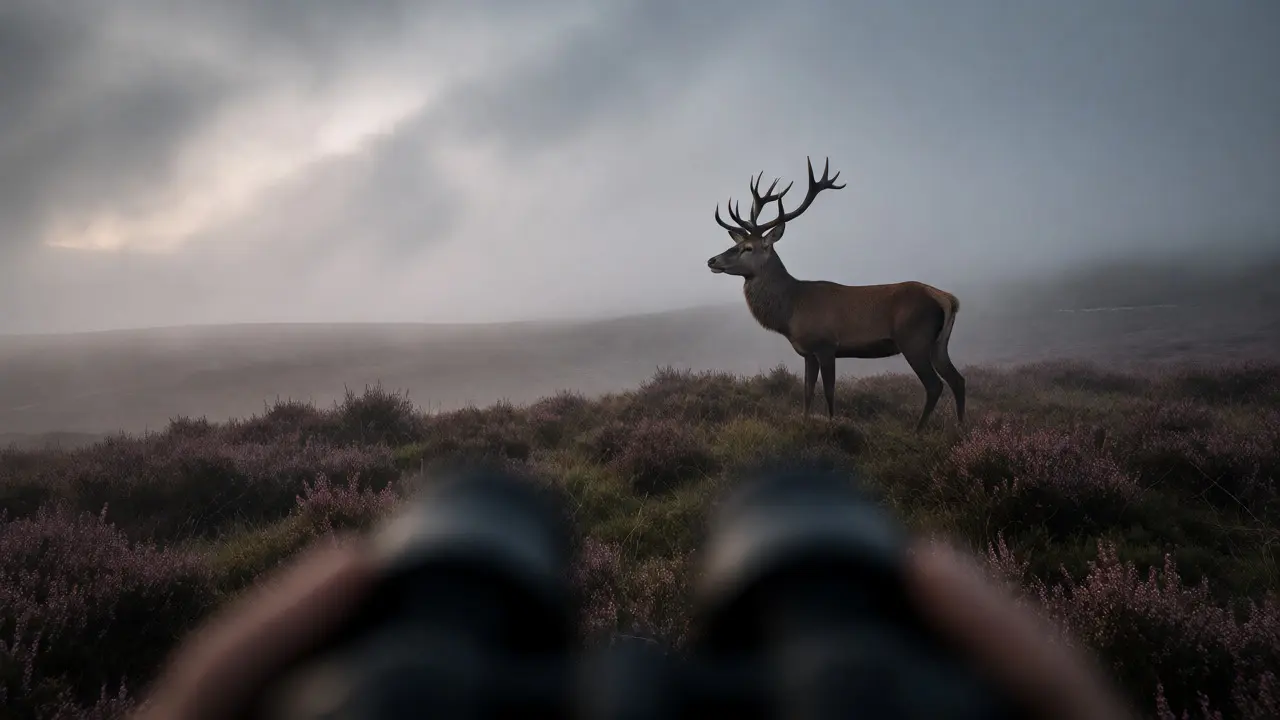
You’ve booked the trip. You’ve packed your binoculars and your waterproofs. You’re standing on a heather-covered ridge in the Cairngorms, waiting for that perfect shot of a Red Deer stag bellowing in the mist. But here’s the uncomfortable truth: if you’re not careful, your presence could be the reason that stag runs away before you even raise your camera. Or worse, your carelessness could damage the very habitat that keeps him alive.
Wildlife watching is one of the fastest-growing reasons people visit Scotland. It’s not just about ticking off a checklist; it’s about connection. But with great power comes great responsibility. The Scottish Outdoor Access Code gives you the right to roam almost anywhere, but it doesn’t give you the right to disrupt. This guide isn’t about boring rules. It’s about how to be a guest who leaves no trace, ensuring that the wildlife stays wild and the landscapes stay pristine for the next visitor-and for the animals themselves.
The Golden Rule: Distance Is Respect
Let’s get straight to the biggest mistake tourists make: getting too close. We all want that intimate encounter, but for an animal, a human face looming over them is a threat, not a compliment. When a deer or a seal raises its head, freezes, or moves away, that’s not curiosity. That’s stress. And chronic stress affects their ability to feed, rest, and reproduce.
So, what does "respectful distance" actually look like? It varies by species, but here are some hard numbers to keep in mind:
| Species | Minimum Safe Distance | Signs of Stress |
|---|---|---|
| Red Deer / Roe Deer | 50-100 meters | Raising head, ears back, fleeing |
| Seals (Grey/Harbour) | 30 meters (on land) | Moving toward water, barking |
| Puffins & Seabirds | 5-10 meters | Flying off nest, alarm calls |
| Otters | 20 meters | Diving underwater, leaving bank |
| Golden Eagles | Variable (flight altitude) | Sudden change in flight path |
If an animal changes its behavior because of you, you are too close. Simple as that. Use zoom lenses, not your feet. If you have to step forward to see better, you’ve already lost the moment.
Stick to the Path (Even When There Isn’t One)
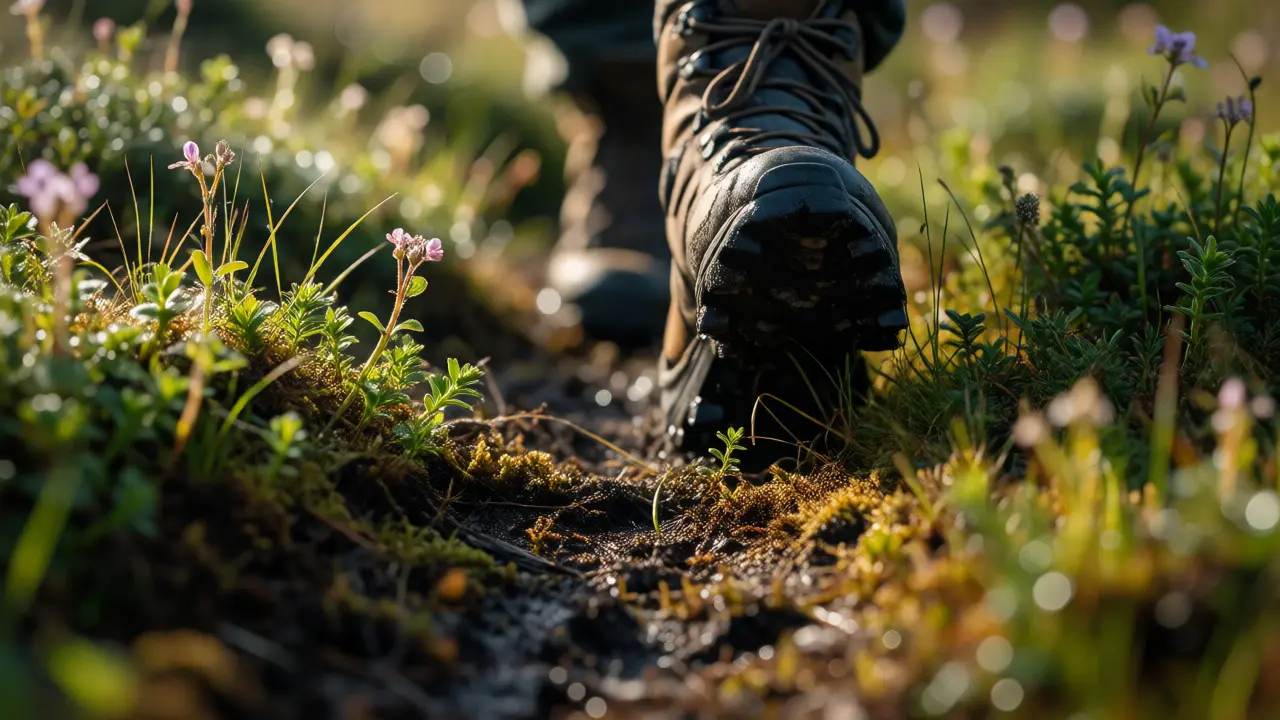
In Scotland, you might think there’s always a marked trail. In reality, much of the best wildlife viewing happens in open moorland where paths wear thin or disappear entirely. This is where the concept of Leave No Trace becomes critical. Walking off-trail seems harmless, but trampling vegetation has long-term effects.
Think about the soil under your boots. In the Highlands, peatlands are carbon sinks. Every step compresses the soil, damages root systems, and can accelerate erosion. A single hiker might seem insignificant, but multiply that by thousands of visitors during peak season, and you have scarred landscapes that take decades to recover.
- Walk in single file: If you’re with a group, don’t spread out. Single-file walking minimizes the width of the impact zone.
- Avoid wet ground: Mud takes months to heal. If the ground is soft, walk around the muddy patch rather than through it, even if it means stepping on harder, drier earth nearby.
- Respect nesting zones: During spring and early summer (April to July), many birds nest on the ground. Staying on established paths prevents accidental destruction of eggs or chicks.
The Noise Factor: Silence Is Golden
We live in a loud world. Cars, phones, music-we’re used to noise. But the natural world operates on sound. Birds use calls to mark territory and find mates. Deer rely on hearing to detect predators. Your loud conversation or clanking gear can mask these vital signals.
Try this experiment next time you’re out: stop talking completely for five minutes. Listen. Really listen. You’ll hear wind in the grass, distant bird calls, the crunch of your own steps. Now imagine trying to communicate with your mate while someone is shouting three meters away. That’s what we do to wildlife.
Keep voices low. Turn off phone notifications. If you’re using a camera, switch to silent shutter mode if possible. Avoid wearing clothing with rustling nylon fabrics if you can help it-those sounds carry far in quiet glens. Being quiet isn’t just polite; it increases your chances of seeing shy animals like otters or pine martens, which flee at the slightest unnatural sound.
Food and Litter: Don’t Feed the Beasts
This is perhaps the most dangerous habit for wildlife. It feels friendly to offer a piece of bread to a duck or a chip to a gull. But human food is often bad for animal digestion. Bread expands in their stomachs and lacks essential nutrients. Chips are high in salt and fat, which can lead to health issues in seabirds.
More importantly, feeding animals creates dependency. An animal that associates humans with food loses its fear. This leads to two problems:
- Aggression: Animals may approach roads or campsites looking for handouts, increasing the risk of being hit by cars or attacked.
- Ecological Imbalance: Overfed populations can grow beyond what the environment supports, leading to disease outbreaks or resource depletion.
What goes in must come out. Pack out every scrap of litter, including biodegradable items like apple cores. While they will eventually decompose, they take longer than you think in cold climates, and they attract pests. Plus, seeing an orange peel on a pristine mountain top breaks the illusion of wilderness for everyone else.
Dogs: Leash Up, Especially in Spring
If you’re bringing your dog, you’re responsible for its actions. Dogs are predators. Even the friendliest Labrador triggers a prey response in deer, sheep, and ground-nesting birds. In Scotland, livestock grazing is common, and worrying sheep with dogs can cause fatal injuries from panic-induced falls or miscarriages.
The general rule is simple: keep your dog on a short lead between March and August. This is the breeding and lambing season. Outside these months, you can allow more freedom, but only if your dog has perfect recall and ignores livestock. Always clean up after your dog. Dog waste contains pathogens that can affect cattle and wildlife, and it spoils the experience for other visitors.
Photography Ethics: Capture Without Capturing
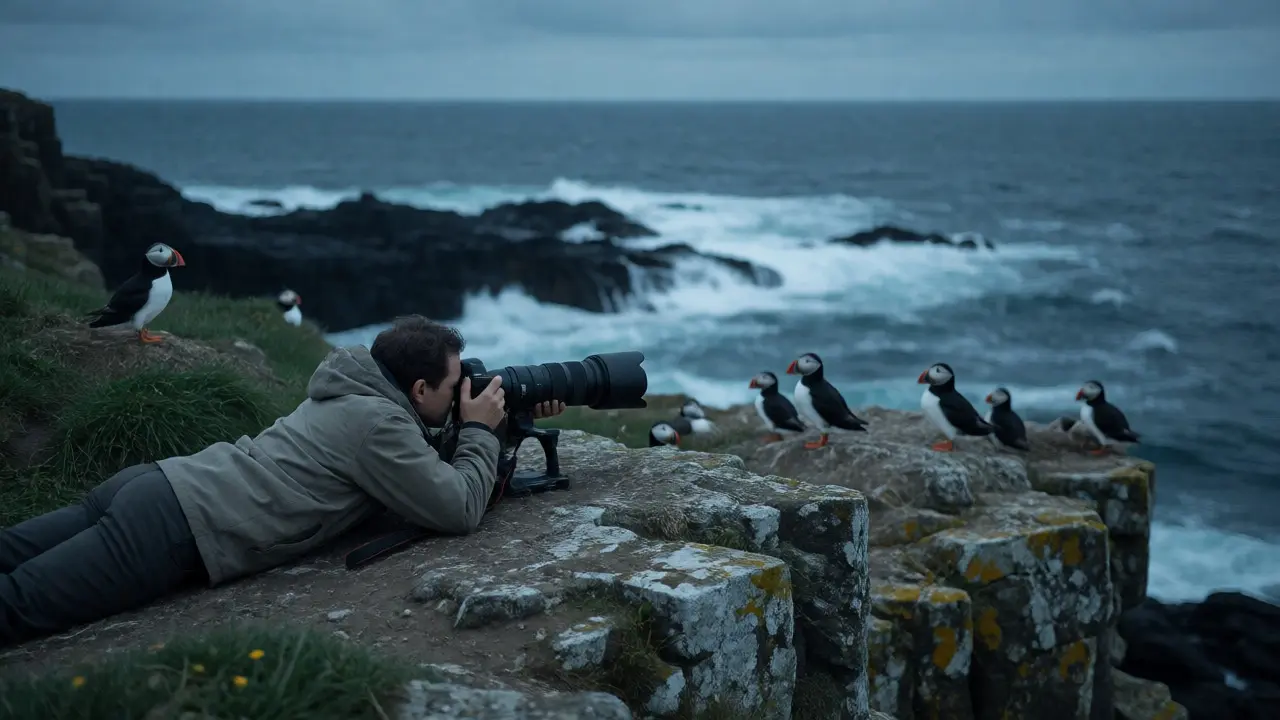
Photographers are often the worst offenders when it comes to disturbing wildlife. Chasing a shot is tempting, but consider the cost. Using drones requires extreme caution. Many protected areas restrict drone flights, and the noise can disturb birds mid-flight. Always check local regulations before launching.
When taking photos, avoid using flash for nocturnal animals unless absolutely necessary, and never shine lights directly into the eyes of sleeping animals. Patience pays off. Wait for the animal to move into the light or position itself naturally. A candid shot of a red squirrel eating a cone is infinitely more valuable than a stressed animal staring fearfully at your lens.
Supporting Conservation Through Action
Being a good observer is part of the solution, but active support helps too. Consider joining a guided tour led by certified experts who know how to read animal behavior. They teach you not just where to look, but how to interpret what you see. Your entrance fees often go directly to conservation projects, such as habitat restoration or anti-poaching patrols.
Also, report rare sightings to local biodiversity records. Data helps scientists track population trends. If you see something unusual, note the location, date, and time. Apps like iNaturalist can help you log these observations easily, contributing to citizen science efforts across Scotland.
Can I feed seals in Scotland?
No, you should never feed seals. They are wild marine mammals, and human food can cause serious digestive issues. Feeding them also brings them closer to shorelines where they are vulnerable to dogs and boats. Keep at least 30 meters away when they are hauled out on land.
Is it okay to pick wildflowers in Scotland?
Generally, no. Most wildflowers are protected or ecologically important. Picking them reduces seed production and can harm pollinators. Take photos instead. If you are in a designated nature reserve, picking plants is usually strictly prohibited by law.
Do I need a permit to watch wildlife in National Parks?
For casual wildlife watching, no permit is required. However, if you are conducting commercial tours, filming professionally, or doing scientific research, you may need permission from the park authority. Always check specific site rules, especially in sensitive habitats like lochs or coastal cliffs.
How close can I get to a puffin?
Puffins are relatively fearless, but you should still maintain a respectful distance of about 5 to 10 meters. Getting too close can cause them to leave their burrows, exposing eggs or chicks to predators. Use a telephoto lens to capture close-up details without intruding on their space.
What should I do if I see an injured animal?
Do not try to rescue it yourself unless it is in immediate danger (e.g., on a road). Note the location and contact a local wildlife rehabilitation center or the RSPB. Approaching an injured wild animal can cause further stress and injury, and they may bite or scratch in defense.