
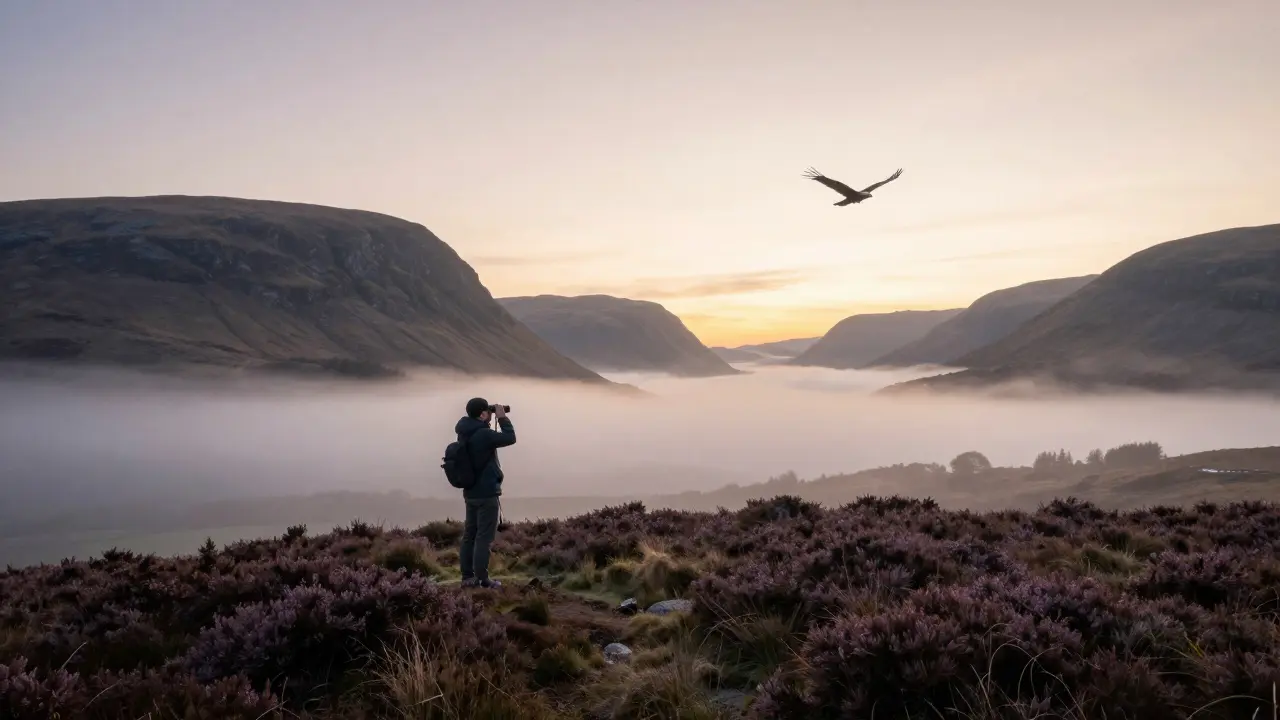
There is a specific kind of silence you find only in the Scottish Highlands at dawn. It’s not empty; it’s heavy with anticipation. Then, a single call breaks the air-a sharp, haunting cry that signals the presence of something rare. For those who know what to listen for, this is the start of the day. Scotland isn’t just a backdrop for dramatic landscapes; it is one of the most significant avian strongholds in Europe. If you are planning a trip focused on birdwatching, you need more than a pair of binoculars. You need a strategy, knowledge of the terrain, and an understanding of where the birds actually live.
The diversity here is staggering. From the puffins that pack the cliffs of the Outer Hebrides to the golden eagles soaring over the Cairngorms, the species list is long and rewarding. But finding them requires navigating a complex mix of private land, national parks, and protected reserves. This guide cuts through the noise to tell you exactly where to go, what to look for, and how to respect the fragile ecosystems that make these sightings possible.
Understanding Scotland's Avian Landscape
To understand why Scotland is a premier destination for ornithology, you have to look at its geography. The country acts as a bridge between the Arctic and the temperate zones. This means you get a unique overlap of species. You have seabirds that breed in massive colonies on remote islands, migratory passerines that stop over during their journey north, and resident species that have adapted to some of the harshest climates in Britain.
The key entity here is the RSPB Scotland, which manages over 100 nature reserves covering more than 100,000 hectares of land and sea. These reserves are critical. They provide safe havens for breeding pairs and feeding grounds for winter visitors. Without this network, many of the species we take for granted would struggle to survive. When you visit these sites, you aren't just looking at birds; you are witnessing a carefully managed conservation effort.
Another crucial factor is the weather. Scotland’s climate is unpredictable. A sunny morning can turn into a driving rainstorm by noon. This affects bird behavior significantly. Seabirds may stay close to shore during storms, making them easier to spot but harder to photograph due to spray. Landbirds might seek shelter in dense heather or pine forests. Adapting your expectations to the conditions is part of the experience.
Top Bird Species to Spot
While there are hundreds of species recorded in Scotland, certain birds define the experience. Knowing these targets helps you plan your itinerary. Here are the standout species that draw birders from around the world.
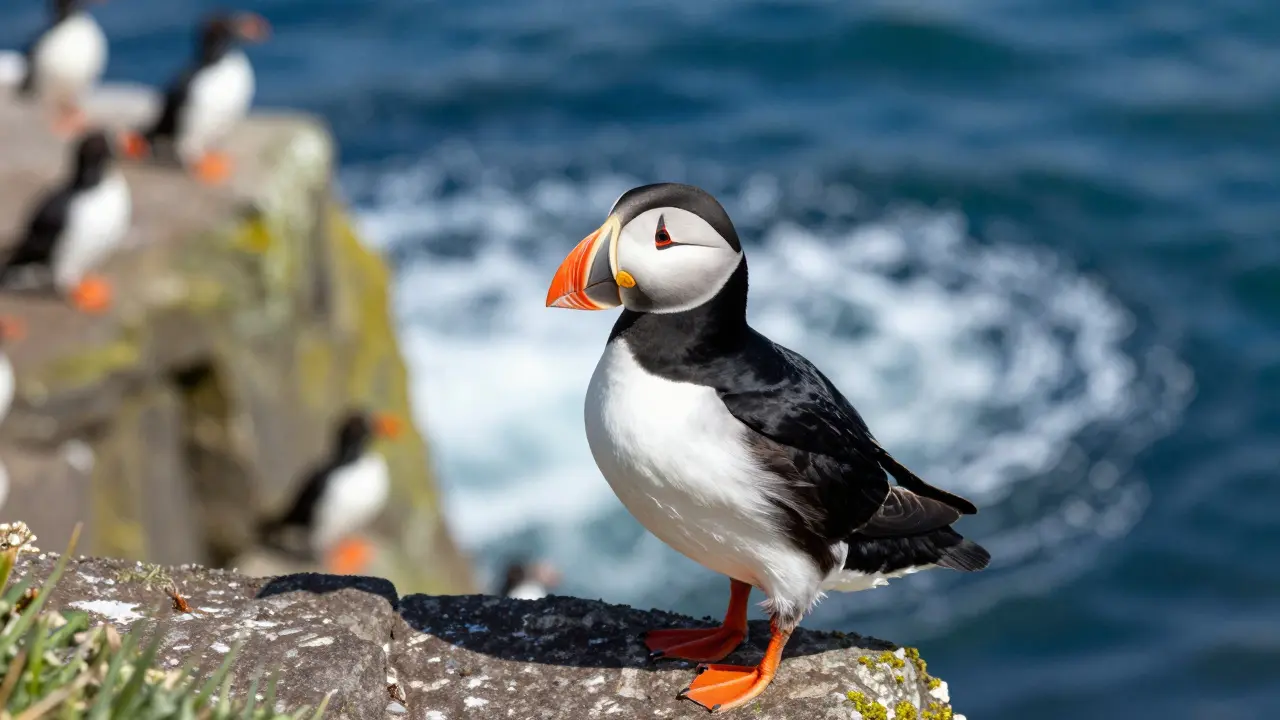
- Puffin (Fratercula arctica): Often called the "clown of the sea," the Atlantic Puffin is iconic. They nest in burrows on coastal cliffs. Their bright orange beaks and black-and-white plumage make them instantly recognizable. However, they are shy and spend most of their time at sea. Seeing them up close requires visiting specific colonies during the breeding season (April to August).
- Golden Eagle (Aquila chrysaetos): One of the largest raptors in Europe, the Golden Eagle is a symbol of the Scottish Highlands. They prefer open moorland and mountainous terrain. Spotting one often involves patience and scanning the skies for circling shapes against the clouds. They are solitary hunters, so seeing a pair is a special event.
- Osprey (Pandion haliaetus): Once extinct in Britain, the Osprey has made a remarkable comeback thanks to reintroduction programs. They are large fish-eating birds of prey that build massive nests on trees or cliffs near water. Key locations include Loch Garten in the Cairngorms and Tiree in the west.
- Red Grouse (Lagopus lagopus scotica): Found on the peat bogs and heather moors of the Highlands, the Red Grouse is endemic to Scotland. Its distinctive drumming display and seasonal color change (from brown to white in winter) make it a fascinating subject for observation.
- White-tailed Eagle (Haliaeetus albicilla): Also known as the Sea Eagle, this is the largest bird of prey in the UK. Reintroduced successfully in Orkney and Shetland, they now nest along the west coast. Their size and powerful presence make them unforgettable.
Prime Viewing Hotspots and Reserves
Knowing what to look for is half the battle. The other half is knowing where to stand. Scotland’s best birding spots are spread across three main regions: the Islands, the Highlands, and the Lowlands. Each offers a different type of experience.
| Location | Key Species | Best Time to Visit | Accessibility |
|---|---|---|---|
| Tiree (Isle of Tiree) | Ospreys, Curlews, Waders | May - July (Breeding Season) | High (Ferry access, good roads) |
| Machair Coigach | Merlin, Dunlin, Skylark | April - September | Medium (Remote, rough tracks) |
| Cairngorms National Park | Golden Eagle, Ptarmigan, Red Grouse | Year-round (Winter for Ptarmigan) | High (Visitor centers, trails) |
| Orkney Islands | White-tailed Eagle, Fulmar, Kittiwake | March - August | Medium (Ferry required) |
| Fowlsheugh Reserve | Gannets, Puffins, Guillemots | April - June | Low (Guided tours only) |
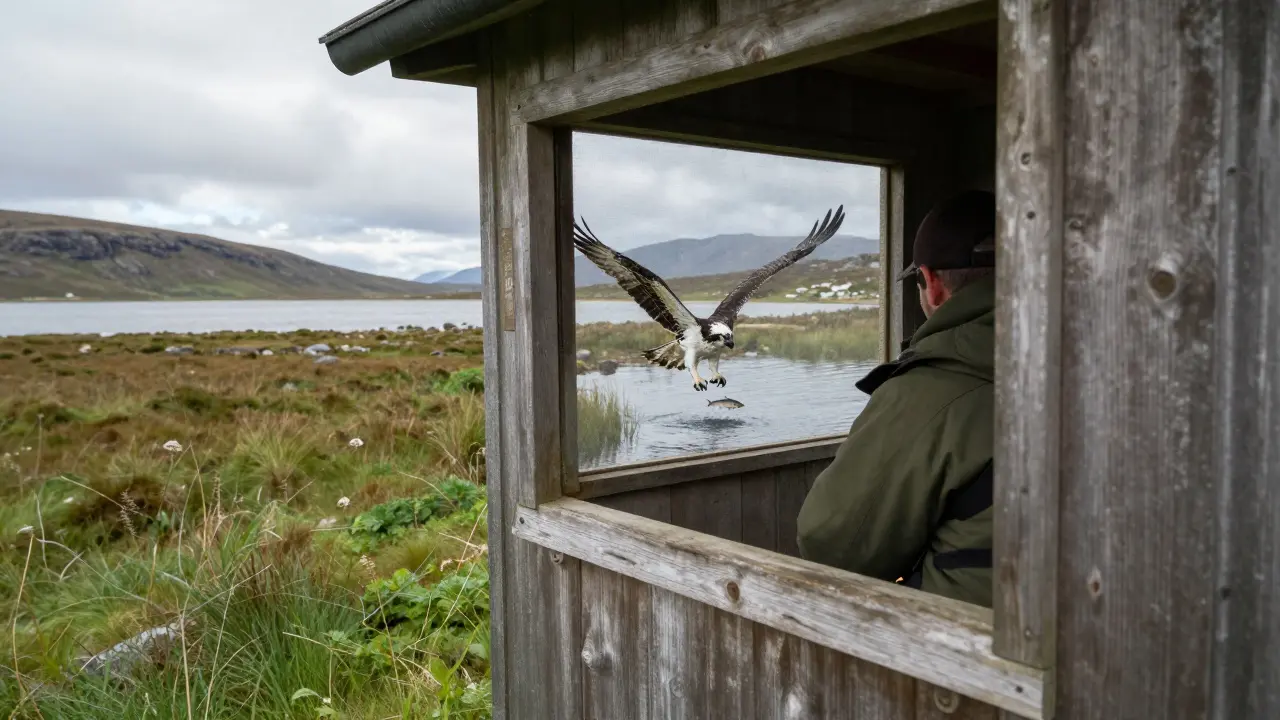
Tiree is often cited as the best place in the UK to see Ospreys. The island’s flat landscape and abundance of freshwater lochs create perfect hunting grounds. In May and June, you can watch adults dive for trout right before your eyes. The RSPB reserve there offers hides that allow you to observe without disturbing the birds.
If you are interested in seabirds, Fowlsheugh Nature Reserve in Aberdeenshire is unmatched. Located on the coast near Stonehaven, it hosts one of the largest gannery colonies in the world. Access is strictly controlled via guided walks to protect the nesting sites. This restriction ensures the birds remain undisturbed, giving you a clear view of thousands of white-winged giants taking flight simultaneously.
For high-altitude species, the Cairngorms offer a different challenge. Here, you are looking for birds like the Ptarmigan, which turns completely white in winter to blend in with the snow. The visitor center at Glenmore provides excellent resources and maps. Walking the trails early in the morning increases your chances of spotting Golden Eagles circling above the ridges.
Seasonal Strategies for Success
Birding in Scotland is highly seasonal. Trying to see puffins in December will leave you disappointed. Conversely, searching for migratory warblers in mid-winter is futile. Aligning your visit with the biological calendar is essential.
- Spring (April - June): This is the peak breeding season. Most seabirds return to their colonies. The weather is improving, though still cool. This is the best time for seeing puffins, guillemots, and kittiwakes. Ospreys also arrive in April, making spring ideal for raptor watching.
- Summer (July - August): Days are long, with sunlight lasting until late evening. This extends your viewing hours. Juvenile birds fledge, meaning you might see young eagles or ospreys learning to hunt. However, some species begin to disperse after breeding, so colony sizes may decrease.
- Autumn (September - November): Migration brings a new set of species. Wildfowl such as geese, swans, and ducks gather in large numbers on wetlands and estuaries. This is also a great time for spotting passage migrants like wheatears and redshanks moving south.
- Winter (December - March): Fewer people mean less disturbance. Winter is prime time for seeing diving birds like razorbills and guillemots offshore. On land, ptarmigans and red grouse are visible against the snow. Storms can drive unusual species inland, offering rare opportunities for lucky observers.
Essential Gear and Etiquette
Preparation separates a frustrating trip from a memorable one. Scotland’s terrain is rugged, and the weather is unforgiving. Your gear needs to reflect this reality.
Start with footwear. Waterproof hiking boots with good ankle support are non-negotiable. Many reserves involve walking on uneven ground, mud, or rocky paths. Slippery rocks near coastal cliffs are particularly dangerous. Next, invest in quality binoculars. A 8x42 model offers a good balance of magnification and field of view. Look for waterproof and fog-proof features, as moisture is constant.
Layering is key for clothing. Start with a moisture-wicking base layer, add an insulating mid-layer (like fleece), and finish with a waterproof, windproof outer shell. Bright colors can help rescuers spot you if you get lost, but neutral tones are better for blending into the environment when observing shy species.
Etiquette is just as important as gear. Always stay on marked paths unless you are experienced in navigating off-trail. Keep a safe distance from nesting sites. Disturbing a brood can cause parents to abandon their eggs or chicks. Use hides and blinds provided by reserves-they are designed to minimize human impact. Never use playback calls to attract birds, as this stresses them and disrupts natural behaviors.
Planning Your Trip: Practical Tips
Logistics play a huge role in your success. Public transport in rural Scotland is limited. Renting a car gives you the flexibility to reach remote reserves and adjust your schedule based on weather conditions. Check ferry timetables well in advance if you plan to visit islands like Tiree, Orkney, or Shetland. Bookings can fill up months ahead during peak season.
Accommodation options range from luxury lodges to basic bunkhouses. Staying locally supports the community and allows you to start your day early. Many B&B owners are knowledgeable about local bird activity and can provide real-time updates on sightings.
Finally, consider hiring a local guide. While independent birding is rewarding, a guide knows the hidden spots, recognizes subtle calls, and understands the nuances of local ecology. They can enhance your experience significantly, especially if you are targeting elusive species like the Golden Eagle or the Hen Harrier.
What is the best month for birdwatching in Scotland?
The best month depends on what you want to see. For seabirds like puffins and gannets, May and June are ideal as they are actively breeding. For raptors like ospreys and golden eagles, late spring to early summer (May-July) offers the best visibility. If you prefer wildfowl and migratory species, autumn (September-November) is the best time.
Do I need a car to birdwatch in Scotland?
While not strictly mandatory, a car is highly recommended. Many top reserves and hotspots are located in remote areas with poor public transport links. Having a vehicle allows you to reach multiple sites in a day and respond quickly to changing weather conditions. Ferries to islands require booking, and having a car makes island exploration much easier.
Are there any dangerous animals to worry about while birdwatching?
Scotland does not have venomous snakes or large predatory mammals that pose a threat to humans. The main risks are environmental: slippery rocks, steep cliffs, and sudden weather changes. Always exercise caution near coastal edges and follow safety guidelines at reserves. Wildlife like otters and deer are generally shy and will avoid humans.
Can I see puffins anywhere in Scotland?
Puffins are found on many coastal islands, but access is restricted to protect their breeding colonies. Popular places to see them include Fowlsheugh (guided tours only), Bass Rock (viewable from afar), and various islands in the Outer Hebrides. You cannot walk among them freely; always use designated viewpoints or join authorized tours.
Is it legal to feed wild birds in Scotland?
Feeding wild birds is generally discouraged and often illegal in protected areas. It can alter their natural behavior, spread disease, and make them dependent on human food sources. Always follow the rules posted at nature reserves and never attempt to hand-feed or approach nesting birds.
Comments (10)
-
Patrick Dorion June 9, 2026
Patrick Dorion here. I've spent decades tracking raptors in the Canadian Rockies and Scottish Highlands, and honestly, this guide hits the nail on the head regarding logistics. Most people underestimate how crucial a car is for reaching those remote hides in the Cairngorms or getting to Tiree before the ferry slots fill up. The bit about layering is spot on too; you can't just throw on a windbreaker and expect to stand still for two hours while waiting for a Golden Eagle to circle. You need that moisture-wicking base layer because the humidity in Scotland will soak you through even if it's not raining. Also, respect the hides at Fowlsheugh. It’s easy to get excited when a Gannet dives right in front of you, but staying silent and still is what separates a good sighting from a great one where you actually see their behavior without disturbing them.
One thing I'd add is that binoculars with high light transmission are worth every penny. Those overcast days mean low light conditions, and cheap optics will wash out the details on distant seabirds. Invest in something like Swarovski or Zeiss if you can afford it, otherwise, Nikon Monarch series is solid. Don't skimp on your neck strap either; carrying heavy glass for six hours will wreck your posture if you don't have proper support.

-
om gman June 10, 2026
om gman says: wow another generic travel blog pretending to be an expert guide lol. you guys really think we dont know about puffins? everyone knows puffins are cute little clowns. its so basic. i went to scotland last year and saw three birds and they were all seagulls stealing my sandwich which is probably more realistic than whatever fantasy this article is selling. also who cares about ospreys? theyre just big hawks eating fish. boring. but sure keep telling yourselves its a 'premier destination' while standing in the rain shivering in expensive gear that costs more than my rent

-
Saranya M.L. June 11, 2026
Saranya M.L. here. While I appreciate the comprehensive nature of this overview, I must point out a significant lack of rigor in discussing the ecological impact of tourism itself. The article mentions RSPB reserves but fails to critically analyze the carbon footprint associated with international birdwatchers traveling to these fragile ecosystems. Is it ethical to fly thousands of miles to observe species that are often stressed by human presence, even when using hides? Furthermore, the suggestion to hire local guides is economically sound, yet there is no mention of ensuring these guides are compensated fairly versus large tour operators extracting value from the community. We need a more nuanced discussion on sustainable ecotourism rather than just a checklist of species. The jargon used here is adequate, but the moral framework is lacking. One should question whether the desire for a 'checklist' sighting outweighs the preservation of the habitat itself. It is a delicate balance between education and exploitation, and this guide leans too heavily towards the former without sufficient critique of the latter.

-
Caitlin Donehue June 12, 2026
I actually went to Tiree last May and it was incredible. The ospreys were diving into the lochs right next to the hide. It felt surreal watching them snatch trout out of the water. I didn't bring a car though, took the bus from Glasgow and then a taxi to the reserve. It was a bit pricey for the taxi but totally doable if you plan ahead. The weather was wild though, sun one minute and hail the next. Definitely wore my waterproof boots as suggested. Saw a golden eagle once from the road near Loch Garten but it was super far away. Still counted as a sighting for me!

-
Marissa Haque June 12, 2026
Oh my goodness! This is absolutely fantastic information!! I am so excited to plan my trip now!!! I have never seen a puffin in real life and reading about their bright orange beaks makes me want to book a flight immediately!! The part about the silence in the Highlands at dawn gave me chills!! It sounds so magical and peaceful!! I am definitely going to buy new binoculars because my old ones are foggy and useless!! Thank you so much for sharing this!! I feel like I am already there!! Who else is dreaming of Scotland right now?? Let us go!!

-
Bineesh Mathew June 12, 2026
Bineesh Mathew here. To look upon the sky and see only birds is to miss the vast emptiness that defines our existence. These creatures, these fleeting shadows against the grey canvas of the Scottish moors, they dance on the edge of oblivion. We chase them with our lenses and our longing, seeking connection in a world that offers none. The golden eagle does not care for your admiration. It hunts because it must, it flies because it can. There is a cruel beauty in this indifference. When you stand in the heather, shivering in your synthetic layers, remember that you are an intruder in a theater of survival. The silence mentioned in the post is not anticipation. It is the void waiting to swallow your noise. Do not seek the bird. Seek the reason you fear being alone with yourself in the face of such raw, unadulterated nature. The puffin is not a clown. It is a survivor. And so are you. But do not mistake observation for understanding. You will never understand the eagle. You can only witness its passage and mourn your own insignificance.

-
Jeanne Abrahams June 12, 2026
Jeanne Abrahams here. As someone from South Africa, I have to laugh at the idea that Scotland's weather is 'unpredictable'. Try birding in the Karoo during a sandstorm or tracking eagles in the Drakensberg when the temperature drops ten degrees in an hour. Your 'driving rainstorm' is a warm-up act compared to what we deal with. That said, the Osprey comeback story is genuinely impressive. We have similar success stories with the White-backed Vulture in some areas, though it is a harder fight. The table comparing locations is useful, but you really undersell the accessibility issues. 'Medium' accessibility for Orkney? Try navigating the ferries with a full set of photography gear and a toddler. It is less of a birding trip and more of a logistical nightmare. But yes, the views are worth it. Just don't romanticize the struggle too much.

-
Oskar Falkenberg June 13, 2026
Oskar Falkenberg here mate. I think the bit about footwear is super important and maybe even more than the binoculars. I learned this the hard way on a trip to the Cairngorms. I had these fancy boots but they werent broken in properly and my ankles were killing me after the first hike. So yeah break em in before you go. Also the tip about neutral tones is good but I find that if youre in a group wearing bright colors helps if someone slips on a wet rock. Safety first eh. I agree with Patrick above about the hides. They are amazing. I spent four hours in one at Fowlsheugh and barely moved. My legs were numb but seeing those Gannets dive was worth every second. Just make sure you take enough snacks and water because theres nowhere to buy anything out there. Hope this helps anyone planning a trip. Its a brilliant country for birds really.

-
Stephanie Frank June 13, 2026
Stephanie Frank here. Let's be real for a second. This guide is pretty standard stuff. Nothing groundbreaking. But I will say that the section on etiquette is where most tourists fail. I went to a reserve last year and saw a guy playing bird calls on his phone to attract a warbler. He looked like an idiot and the birds flew off. It's disrespectful and lazy. If you can't wait for them to come to you, you're not a birder, you're a tourist with a camera. Also, the gear list is fine but ignore the part about expensive binoculars unless you have money to burn. Good mid-range brands work perfectly well. The real issue is patience. Most people give up after 20 minutes. Sit there for two hours. Watch the same patch of heather. Eventually, something moves. That's the game. Not checking boxes.

-
Keith Barker June 14, 2026
Keith Barker here. The silence is key. Not the absence of sound but the presence of attention. When you stop trying to find the bird and start listening to the environment the bird appears. It is simple really. Most people are too loud in their heads. They worry about the photo the battery the cold. Quiet the mind. The eagle comes. The puffin dives. It is all there if you let it be. No need for complex strategies. Just be there. Be still. Be quiet. The rest follows naturally. Nature does not owe us anything. We are guests. Act like it.
