
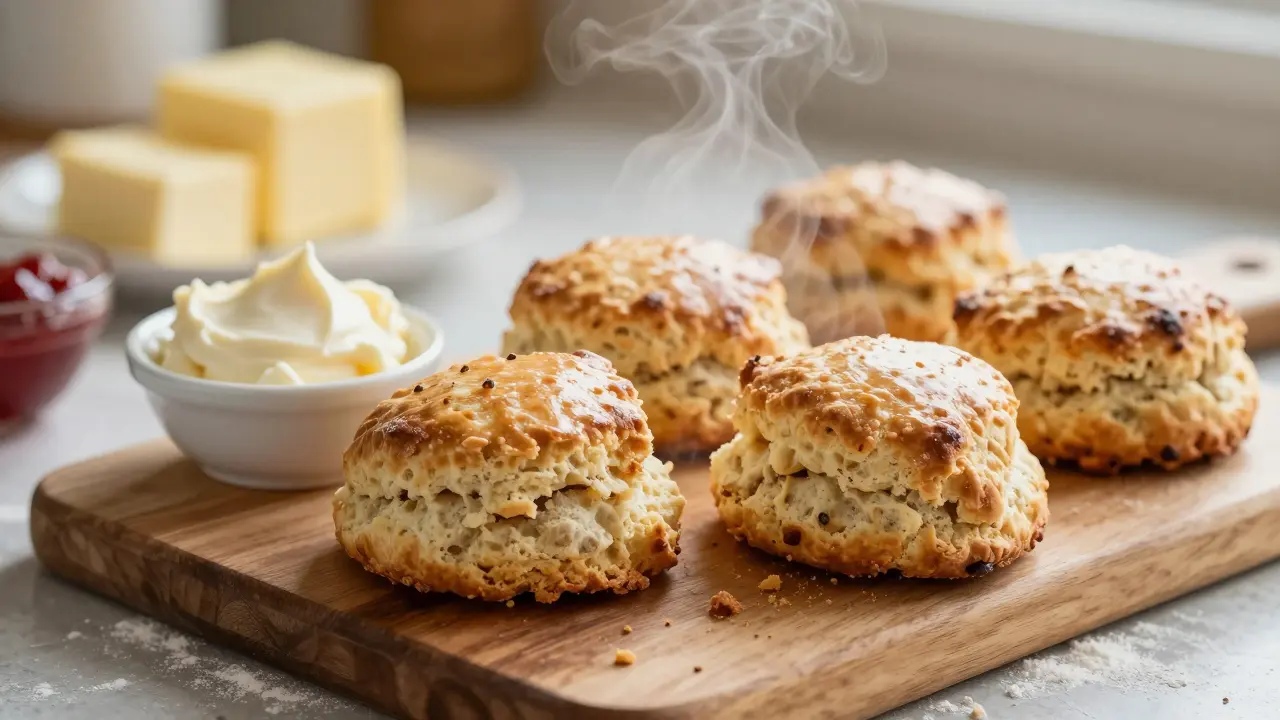
There is a specific smell that hits you when you walk into a kitchen in the Highlands. It’s not just butter; it’s peat smoke, toasted oats, and warm yeast. For centuries, Scottish baking has been about more than just filling stomachs. It was about survival, resourcefulness, and making the most of what the land gave us. If you have ever tried to make a perfect scone or chew through a dense oatcake, you know these recipes are unforgiving. They demand respect for the ingredients.
You don’t need a fancy stand mixer to bake like a Scot. In fact, using one might ruin the texture. The magic lies in simple tools, cold hands, and understanding why our ancestors used stone mills instead of roller mills. This guide breaks down the three pillars of Scottish baking: the delicate scone, the rustic bannock, and the hearty oatcake. We will look at the techniques, the common mistakes, and how to get that authentic taste without spending hours hunting for obscure ingredients.
The Science and Soul of the Scottish Scone
When people hear "scone," they often think of the soft, sweet American version served with jam. The Scottish scone is different. It is denser, flakier, and usually savory or lightly sweetened. The goal here is a crumb that shatters slightly when you bite into it, not a bread-like chew. To achieve this, you must understand the role of fat and liquid.
The foundation of any good scone is the flour. While plain white flour works, many traditional recipes use a mix of plain and self-raising flour, or even a touch of wholemeal for depth. However, the real secret ingredient is the fat. You want cold, unsalted butter. Some bakers swear by lard for a lighter texture, but butter gives that distinct richness. The butter must be cut into the flour until it resembles coarse breadcrumbs. If you rub it in too much, the scones will be tough. If you leave large chunks, they will spread out and become flat cookies.
Liquids matter just as much. Buttermilk is the gold standard because its acidity reacts with the raising agents to create lift. Full-fat milk works too, but skimmed milk can lead to dry results. And here is the rule that separates amateurs from pros: keep everything cold. Cold butter, cold milk, cold hands. Warmth melts the fat before it hits the oven, killing the steam pockets that create flakiness.
- Ratio: Aim for roughly 1 part fat to 3 parts flour by weight.
- Mixing: Mix until just combined. A few lumps are fine. Overmixing develops gluten, which makes scones rubbery.
- Cutting: Use a sharp knife or cutter. Press straight down. Do not twist the cutter, or you will seal the edges and prevent rising.
Bannocks: The Ancient Flatbread
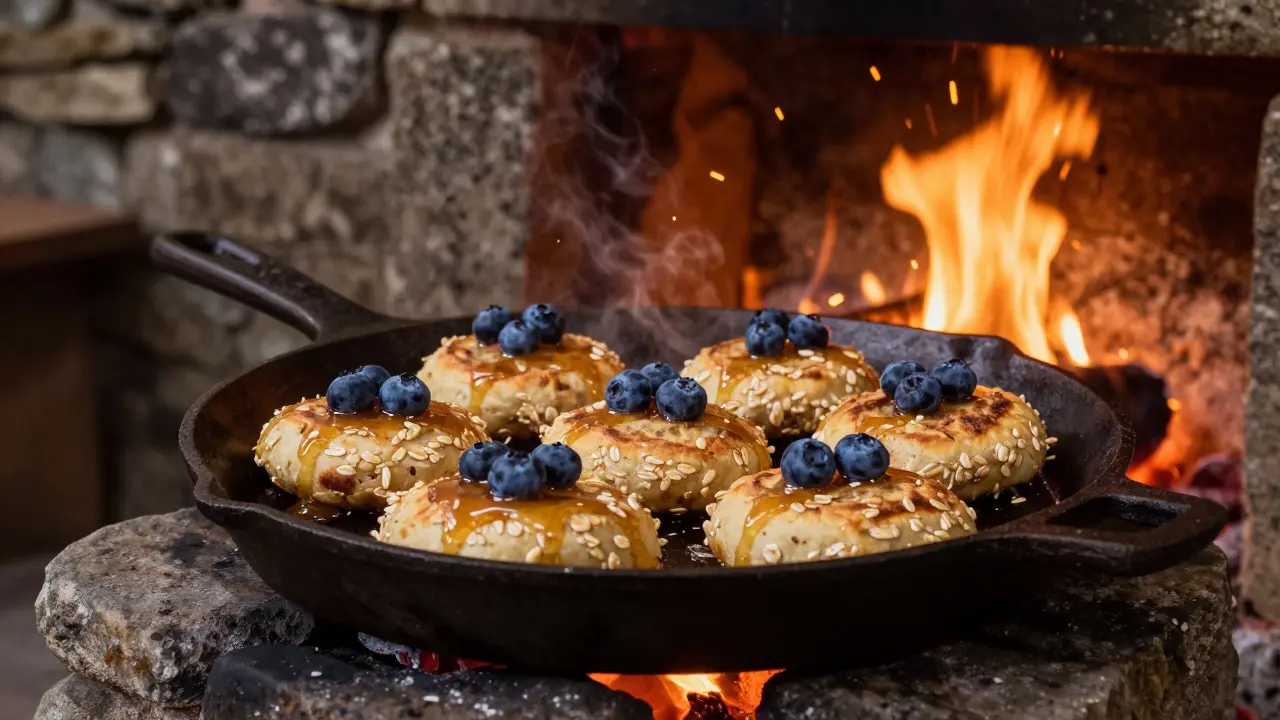
If scones are the refined cousin, Bannocks are the rugged ancestor. Historically, bannocks were baked on a griddle over an open fire. They were the staple food of shepherds and crofters across Scotland and Ireland. Today, they come in many forms, from sweet breakfast discs to savory dinner rolls. The term "bannock" itself is broad, covering anything from a thick pancake to a small loaf.
The most traditional type is the oat bannock. Unlike scones, which rely heavily on chemical leaveners like baking powder, traditional oat bannocks often use no raising agent at all. They are dense, hearty, and meant to be dipped in broth or eaten with cheese. The texture should be cake-like but moist. When working with oats, hydration is key. Oats absorb liquid slowly, so you often need to let the batter rest for 15-20 minutes before cooking. This allows the starches to hydrate fully, resulting in a smoother crumb.
For those who prefer a softer bannock, adding a little soda (bicarbonate of soda) and acid (like yogurt or buttermilk) creates a quick rise. These are often called "quick bannocks." They are excellent for breakfast. Imagine a warm, golden disc topped with honey and fresh berries. It’s comfort food at its simplest. The beauty of bannocks is their versatility. You can add dried fruits, nuts, or even grated apple to sweet versions. Savory bannocks might include herbs, cheddar, or smoked salmon.
Oatcakes: The Hearty Staple
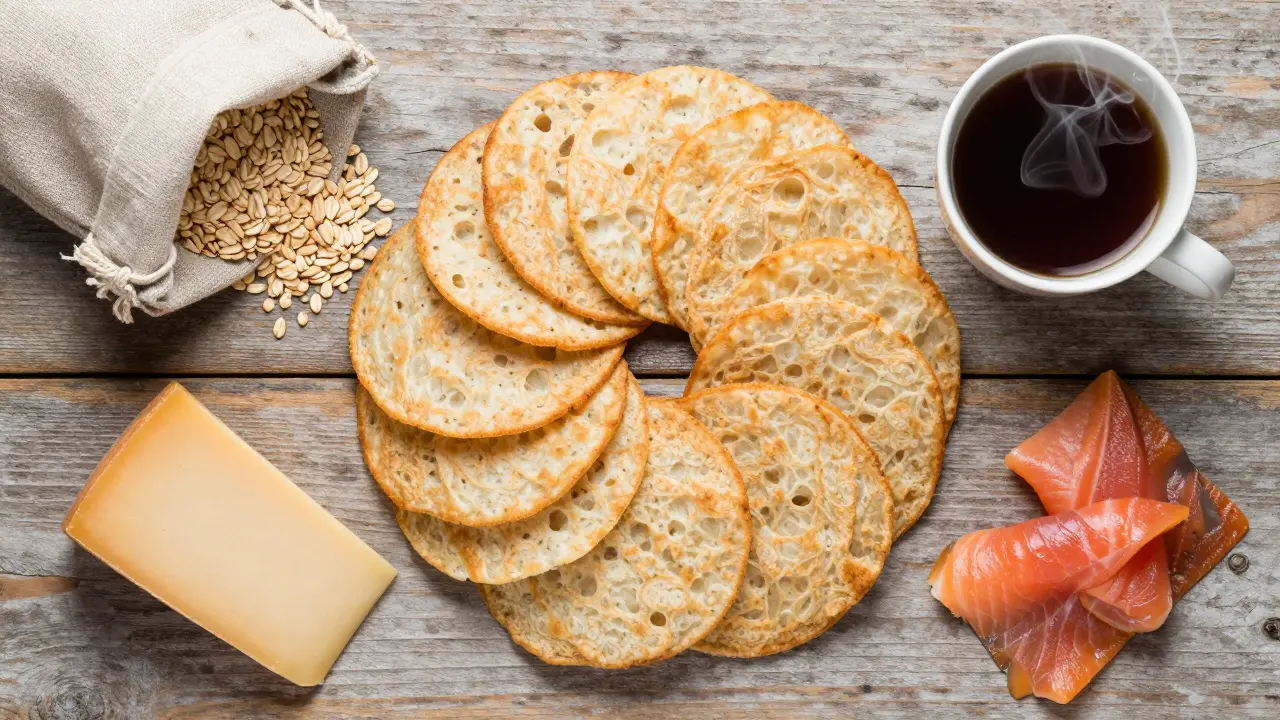
No discussion of Scottish baking is complete without mentioning Oatcakes. Often confused with biscuits, true Scottish oatcakes are thin, crisp, and substantial. They are the national snack of Scotland. You will find them in every supermarket, but homemade ones offer a depth of flavor that store-bought versions lack. The process involves grinding oats into a meal, mixing with water and salt, and then rolling the dough extremely thin.
The challenge with oatcakes is consistency. Because oats do not contain gluten, the dough does not hold together easily. It is fragile and prone to cracking. To combat this, some bakers add a small amount of flour or bind the mixture with a bit of egg white, though purists stick to oats, water, and salt. The rolling process requires patience. You need a very smooth surface and plenty of oatmeal dusted around to prevent sticking. Roll until the sheet is almost translucent.
Baking oatcakes is done at a moderate temperature. They need time to dry out and crisp up without burning. Traditionally, they were baked on a hobs (a hot plate). In a modern oven, you place them on a baking tray lined with parchment paper. Bake until they turn a light golden brown. They will continue to crisp as they cool. Store them in an airtight container. They pair perfectly with strong tea, cheese, or cured meats. The nutty, earthy flavor of the oats shines through when prepared correctly.
Traditional Yeast Breads and Soda Bread
While oats dominate, wheat plays a crucial role in Scottish baking. Scottish soda bread is perhaps the most famous example. Unlike Irish soda bread, which is often sweeter and contains caraway seeds, Scottish versions tend to be plainer and denser. The name comes from the use of bicarbonate of soda as the leavening agent. This reaction happens quickly upon contact with acidic liquids like buttermilk, so you must bake the bread immediately after mixing.
The technique for soda bread is deceptively simple but easy to mess up. You mix the dry ingredients (flour, soda, salt) and then stir in the wet ingredients (buttermilk) until a soft dough forms. Turn it out onto a floured surface and knead gently-just enough to bring it together. Shape it into a round loaf and place it on a baking sheet. Score the top with a deep cross. This isn’t just for looks; it helps the heat penetrate the center and ensures even baking. Legend says it lets the fairies out, but practically, it prevents the crust from cracking unpredictably.
For those interested in longer fermentation, sourdough has gained popularity in Scotland recently. Using local grains and wild yeasts, bakers are creating loaves with complex flavors. However, the traditional "black bread" or dark rye loaves found in northern Scotland remain a testament to the region's grain diversity. These breads are darker, moister, and have a tangy flavor profile that pairs well with rich stews and cheeses.
| Item | Primary Grain | Leavening Agent | Texture | Best Paired With |
|---|---|---|---|---|
| Scone | Wheat Flour | Baking Powder / Butter | Flaky, Crumbly | Clotted Cream, Jam, Tea |
| Bannock | Oats / Wheat | None / Bicarb | Dense, Cake-like | Honey, Cheese, Broth |
| Oatcake | Oatmeal | None | Crisp, Thin | Strong Tea, Cured Meats |
| Soda Bread | Wheat / Wholemeal | Bicarbonate of Soda | Dense, Moist | Stew, Butter, Soup |
Essential Tools and Ingredients
You do not need expensive equipment to bake traditionally. In fact, simplicity is preferred. A heavy-bottomed cast iron skillet is ideal for bannocks. It retains heat evenly and mimics the old-fashioned griddle. For scones and bread, a standard baking sheet and a sharp knife suffice. A rolling pin is essential for oatcakes, but ensure it is smooth and clean to avoid sticking.
Ingredients are where quality matters most. Look for stone-ground oats if possible. Roller-milled oats are processed at high temperatures, which can dull the flavor. Stone grinding preserves the germ and the natural oils, giving your oatcakes and bannocks a richer taste. Similarly, use full-fat dairy products. Skimmed milk and low-fat yogurt will not provide the necessary moisture and fat content for tender crumb structures. Salt is also critical. Don’t skimp on it. It enhances the flavor of the oats and balances the sweetness of the scones.
Troubleshooting Common Issues
Even experienced bakers face challenges. Here are some common problems and how to fix them. If your scones are flat, your butter was likely too warm, or you overmixed the dough. Ensure your fridge is cold and handle the dough minimally. If your oatcakes crack during rolling, the dough is too dry. Add water one teaspoon at a time until it holds together. Conversely, if they are too sticky, add a little more oatmeal. If your soda bread is hard and dense, you may have used too much soda or not enough liquid. The dough should be soft and slightly tacky, not stiff. Also, check the freshness of your bicarbonate of soda. Old soda loses its potency, leading to poor rise. Finally, if your bannocks burn on the outside but remain raw inside, your heat is too high. Lower the temperature and cook them slower. Patience is the final ingredient in Scottish baking.
Modern Twists on Tradition
While tradition is important, experimentation keeps baking alive. Many modern Scottish chefs are incorporating local produce into classic recipes. Try adding heather honey to your bannocks for a floral note. Or use locally sourced blueberries in your scones. For oatcakes, consider adding seeds like flax or sunflower for extra nutrition and crunch. These variations honor the past while reflecting contemporary tastes and dietary needs. Gluten-free adaptations are also becoming common, using almond flour or rice flour blends to mimic the texture of traditional scones. The key is to maintain the balance of fat, liquid, and dry ingredients regardless of the substitutions.
What is the difference between a Scottish scone and an English scone?
Scottish scones are typically smaller, flatter, and less sweet than English scones. They are often served with jam and clotted cream, whereas English scones might be larger and sometimes savory. The texture of a Scottish scone is also denser and more crumbly.
Can I use rolled oats instead of oatmeal for oatcakes?
Yes, you can use rolled oats, but you must grind them finely first. Traditional oatcakes require a fine meal to roll out thinly. Coarse rolled oats will result in a thick, uneven texture that won't crisp properly. A blender or food processor works well for this.
Why do my scones always turn out tough?
Tough scones are usually caused by overmixing the dough or using warm butter. Overmixing develops gluten, which makes the texture chewy rather than flaky. Keep your ingredients cold and mix only until the dough just comes together.
How long do homemade oatcakes last?
Homemade oatcakes can last up to two weeks if stored in an airtight container at room temperature. Ensure they are completely cool before storing to prevent condensation, which can make them soggy.
Is bicarbonate of soda the same as baking soda?
Yes, bicarbonate of soda and baking soda are the same thing. In the UK and Scotland, it is commonly referred to as bicarb or bicarbonate of soda. It is essential for leavening soda bread and some bannock recipes.