
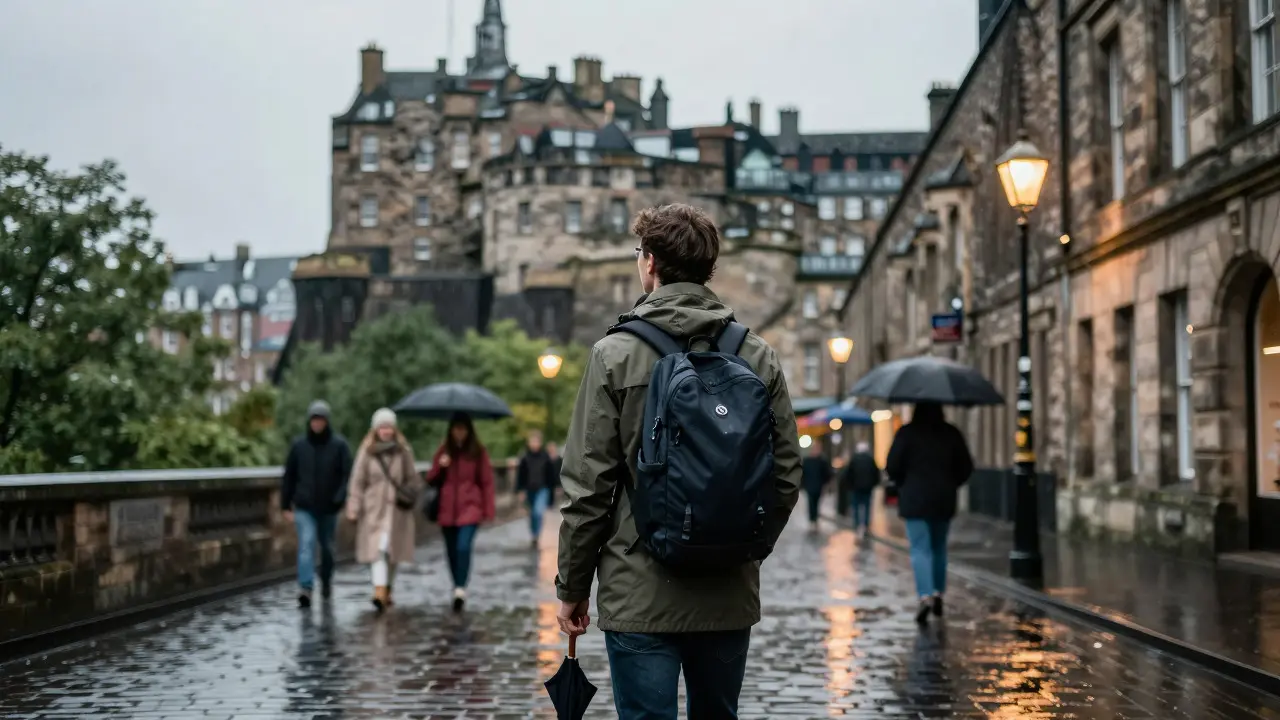
There is a specific kind of freedom that comes with walking down the Royal Mile or hiking up Ben Nevis entirely on your own. You answer to no one but yourself. But let’s be honest: traveling solo in a foreign country can also trigger a spike in anxiety. Is it safe? Will I eat dinner alone every night? How do I meet people without looking desperate?
I’ve lived in Dundee for years and watched thousands of solo travelers pass through Scotland. The reality is that Scotland is one of the safest destinations in Europe for solo adventurers. The culture here is built on hospitality. People talk to strangers because we have to-it rains about 200 days a year, and complaining about the weather is our national icebreaker.
This guide cuts through the noise. We’ll look at real safety data, break down the best hostels for meeting people, and show you how to join social tours that turn strangers into friends by sunset.
Is Scotland Safe for Solo Travelers?
Safety is usually the first question people ask. The short answer is yes. Scotland consistently ranks high on global safety indices. In the Global Peace Index, the UK (including Scotland) typically sits in the top 30-40 countries out of 163. But numbers don’t always capture the daily experience.
| Metric | Scotland | France (Paris) | Italy (Rome) |
|---|---|---|---|
| Pickpocketing Risk | Low | High | Medium-High |
| Violent Crime Rate | Very Low | Low | Low |
| Nighttime Walking Safety | High | Medium | Medium |
| English Language Accessibility | Native | Varies | Varies |
In cities like Edinburgh and Glasgow, petty theft exists, just as it does in New York or London. Keep your phone in an inner pocket on crowded trams. However, violent crime against tourists is exceptionally rare. The biggest risk you face isn’t muggings; it’s getting lost in the Highlands during a sudden storm.
The Scottish Mountaineering Federation reports that most "accidents" involving solo hikers are due to poor preparation rather than external threats. If you stick to marked trails, check the Met Office forecast, and tell someone your route, you are statistically safer in the Scottish wilderness than in many urban parks in major US cities.
Smart Safety Habits for Solo Explorers
Even in safe places, common sense matters. Here is how seasoned solo travelers stay secure:
- Share your itinerary: Use apps like Life360 or simply send a WhatsApp message to a friend back home with your location when you head into remote areas like the Isle of Skye or Cairngorms National Park.
- Avoid isolated roads at night: Rural Scotland has very few streetlights. If you are driving or hitchhiking, aim to reach your accommodation before dusk. Wildlife like red deer are not dangerous, but moose-sized animals crossing narrow single-track roads can be.
- Watch your drink: This applies everywhere. In Glasgow’s West End or Edinburgh’s Old Town, bars are lively. Never leave your pint unattended.
- Carry cash: While cards are accepted almost everywhere, some small Highland pubs or mountain huts only take cash. Having £20-£50 in notes prevents stress if card readers fail due to poor signal.
Choosing the Right Hostel for Social Connection
If you travel solo, your accommodation choice dictates your social life. A hotel room isolates you; a hostel connects you. Not all hostels are equal, though. Some are just cheap dorms with thin walls. The best ones are designed to force interaction.
Look for hostels that offer communal kitchens, organized pub crawls, or free breakfasts. These shared meals are where friendships start. Here are three standout options for solo travelers in 2026:
- Covent Garden Hostel (Edinburgh): Located right next to Waverley Station, this place is huge. It has a dedicated social area and often hosts themed nights. It’s perfect if you want to meet people immediately upon arrival.
- Clydebank Hostel (Glasgow): Run by the Youth Hostels Association (YHA), this spot is quieter but attracts a mature crowd of hikers and history buffs. It’s ideal if you prefer deep conversations over loud partying.
- Hostel Skye (Portree): If you are heading to the islands, this is the hub. It’s small, cozy, and everyone there is likely planning similar hikes. You will naturally swap maps and tips with other guests.
Pro tip: Book a mixed dormitory rather than a female-only or male-only room if your goal is meeting diverse people. The social dynamic is more balanced, and you avoid the echo chamber effect.
Social Tours: The Easiest Way to Meet People
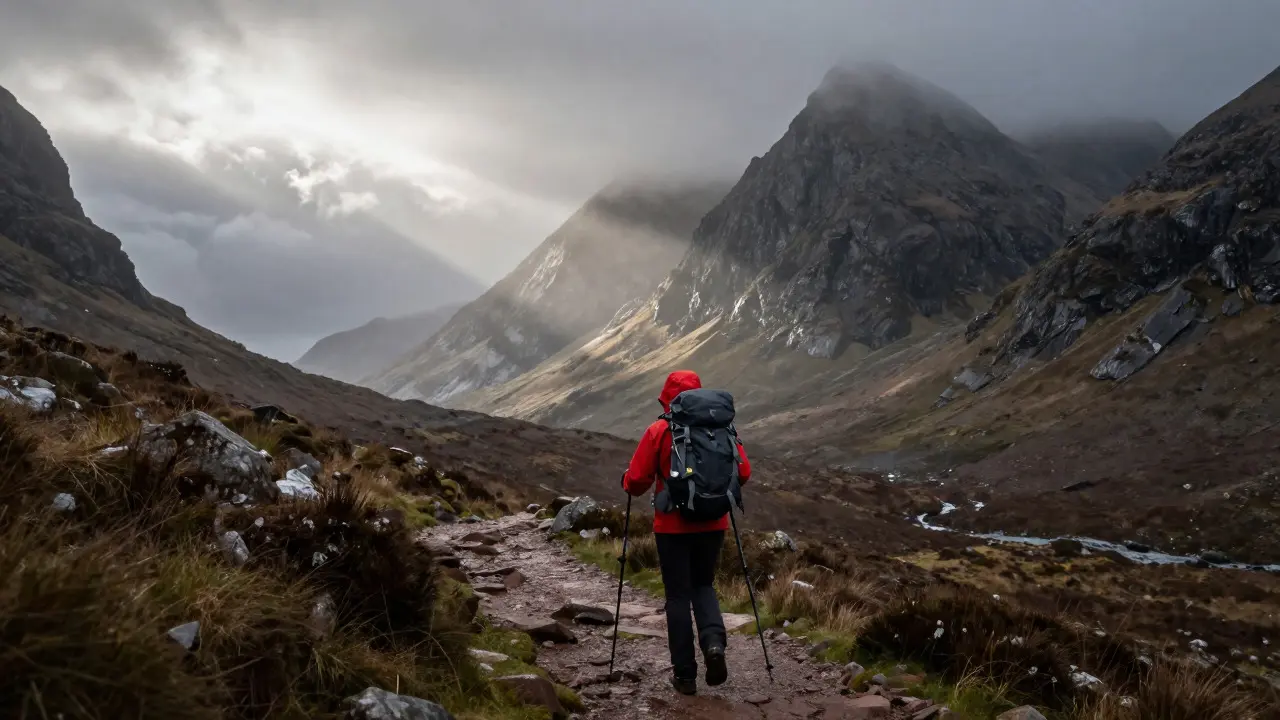
You don’t need to be an extrovert to make friends in Scotland. You just need to put yourself in structured social environments. Guided tours are the ultimate cheat code for solo travelers. They provide a built-in conversation starter: the tour itself.
Consider these popular social tour types:
- Whisky Tasting Tours: Whisky is Scotland’s liquid gold. Joining a distillery tour in Speyside or Islay puts you in a room with 10-15 other people who share your interest. The tasting session naturally leads to questions like, “Do you prefer peaty or fruity?” which breaks the ice instantly.
- Day Hikes with Guides: Companies like Scottish Mountain Guides offer day trips to locations like the Three Sisters or Glencoe. Walking side-by-side for four hours creates camaraderie. You suffer together in the rain, laugh together at the views, and grab lunch together.
- Food and Market Tours: In Edinburgh, join a food tour of the Grassmarket. Eating haggis, neeps, and tatties with a group removes the awkwardness of dining alone. You get to try local specialties without committing to a full meal by yourself.
These tours are not just sightseeing; they are social lubricants. By the end of the day, you will likely exchange Instagram handles or plan a group dinner.
Navigating the Highlands Alone
The Highlands are breathtaking but unforgiving. Solo hiking here requires extra planning. Cell service is non-existent in vast areas. Your GPS might fail. Your battery might die.
Always carry the Rule of Three:
- Three layers of clothing (base, insulation, waterproof).
- Three navigation tools (map, compass, GPS app).
- Three sources of light (headlamp, spare batteries, power bank).
Start early. Aim to begin hikes by 8 AM. This gives you daylight to return and avoids the afternoon storms that roll in off the Atlantic. If you feel uneasy, turn back. There is no shame in aborting a hike. The mountains will be there tomorrow.
Budgeting for Solo Travel in Scotland
Traveling solo means you don’t split costs for rooms or cars. This can make the trip more expensive per person. However, you save on compromise. You eat what you want, when you want.
To keep costs down:
- Use public transport: The ScotRail network is extensive. Buy a Rail Explorer Pass if you plan to cover long distances. It offers unlimited travel for a set number of days.
- Cook your own meals: Supermarkets like Tesco, Asda, and Lidl are everywhere. Buying bread, cheese, and fruit is significantly cheaper than eating out for every meal. Most hostels have excellent kitchens.
- Free attractions: Many of Scotland’s best sights are free. Edinburgh Castle charges entry, but Arthur’s Seat, Calton Hill, and the Royal Yacht Britannia (exterior) are free. Museums in Glasgow and Edinburgh are mostly free too.
Connecting with Locals
Scots are famously friendly. Don’t hide behind your headphones. Strike up conversations. Ask locals for their favorite pub. Comment on the weather. Compliment their accent. These small interactions lead to invitations for ceilidhs (traditional dances) or recommendations for hidden gems.
Volunteering is another great way to connect. Organizations like WWOOF Scotland allow you to work on farms in exchange for food and lodging. It’s immersive, educational, and deeply social.
Final Thoughts on Solo Adventure
Traveling solo in Scotland is less about surviving and more about thriving. It challenges you to be self-reliant while offering endless opportunities for connection. Whether you are navigating the bustling streets of Glasgow or the silent peaks of the Cairngorms, you are part of a community that welcomes wanderers.
Plan wisely, stay aware, and embrace the unexpected. The best memories often come from the moments you didn’t plan-like sharing a flask of tea with a stranger on a windy hilltop.
Is it safe to walk alone at night in Edinburgh?
Yes, generally speaking. Edinburgh is one of the safest cities in the UK. The Old Town and New Town are well-lit and busy until late. However, as with any city, stick to main streets, avoid poorly lit alleys, and stay aware of your surroundings. The area around Leith can be quieter at night, so use caution there.
What is the best time of year for solo travel in Scotland?
May to September offers the longest days and mildest weather, making it easier to hike and explore. July and August are peak tourist seasons, so hostels fill up fast. Shoulder seasons (April-May and September-October) are great for avoiding crowds while still enjoying decent weather.
Do I need a car to travel solo in Scotland?
No. Public transport is reliable in cities and major towns. Buses connect smaller villages. For remote Highlands, buses are limited, but train passes and guided tours can fill the gap. Renting a car adds cost and parking hassle, especially in Edinburgh.
Are there solo-friendly dating apps used in Scotland?
Yes, apps like Tinder, Bumble, and Hinge are widely used in Edinburgh and Glasgow. However, many solo travelers find deeper connections through activity-based groups like Meetup.com hiking clubs or language exchange events.
How much should I budget per day for solo travel in Scotland?
A budget traveler can manage on £50-£70 per day including hostel stays, supermarket meals, and free activities. Mid-range travelers spending on hotels and occasional dinners might spend £100-£150 per day. Luxury travel can exceed £200 per day.