
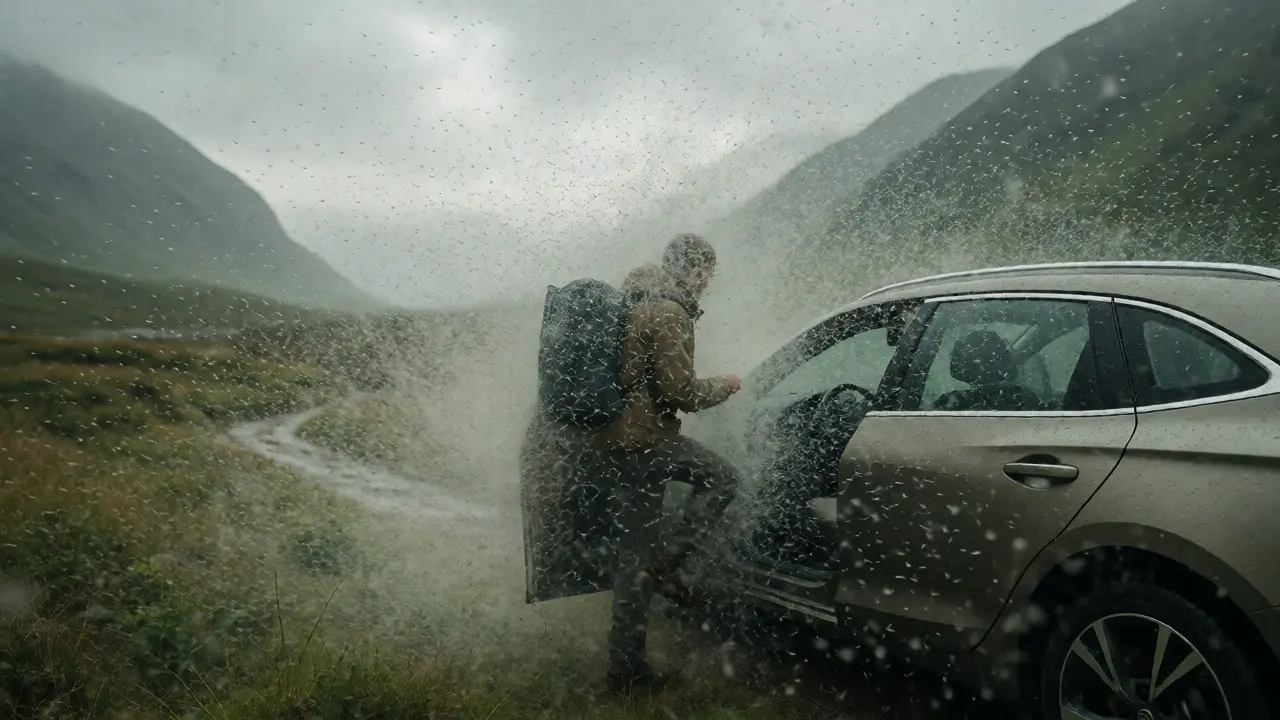
You pack your boots, check the weather forecast (which says "light rain," which is code for sideways drizzle), and head to the Highlands. You're ready for majestic glens and quiet lochs. Then you step out of the car, and a cloud of tiny, biting flies descends on you like a living fog. Welcome to the world of the Culicoides impunctatus, commonly known as the Scottish Highland Midge. If you've ever wondered why locals wear head nets that look like beekeeper gear, this guide explains exactly when they appear, what actually works against them, and how to enjoy the wild without losing your mind.
What Are Highland Midges?
A midge isn't a mosquito, though they share family ties. It's a tiny flying insect, usually between 1.3 and 1.5 millimeters long-small enough to slip through standard mesh but big enough to ruin your picnic. There are over 2,000 species of midges in the UK, but only about 40 bite humans. The Highland Midge is the notorious one. Only the females bite. They need blood to develop their eggs, and they prefer warm-blooded mammals. That includes you, your dog, and the sheep grazing nearby. They thrive in damp, acidic soil near streams and bogs. This makes the western Highlands, particularly areas around Fort William, Glen Coe, and Skye, prime real estate for them. The east coast, being drier and windier, often sees far fewer bites. It’s not just about location; it’s about microclimate. A sheltered glen with standing water will be swarming, while an exposed ridge five miles away might be midge-free.
The Midge Season: When Do They Bite?
Timing is everything. If you want to avoid the swarm entirely, plan your trip outside of peak season. But if you’re visiting in summer, you need to know the rhythm of their life cycle. Midge Season generally runs from May to September. However, the intensity varies wildly by month and weather conditions. Here is a realistic breakdown:
- May: Early hatches begin. Populations are low, but increasing warmth triggers activity. You might encounter them in sheltered valleys, but large-scale swarms are rare.
- June: Activity picks up. As temperatures rise and soil moisture remains high from spring rains, numbers increase significantly.
- July & August: Peak season. This is when the clouds form. Warm, humid, calm days create ideal breeding conditions. Expect intense biting during dawn and dusk.
- September: Decline begins. Cooler nights slow their metabolism. By late September, populations drop sharply.
- October-April: Dormant. Adult midges die off or hide in leaf litter. Larvae survive underground. No biting occurs.
Repellents: What Actually Works?
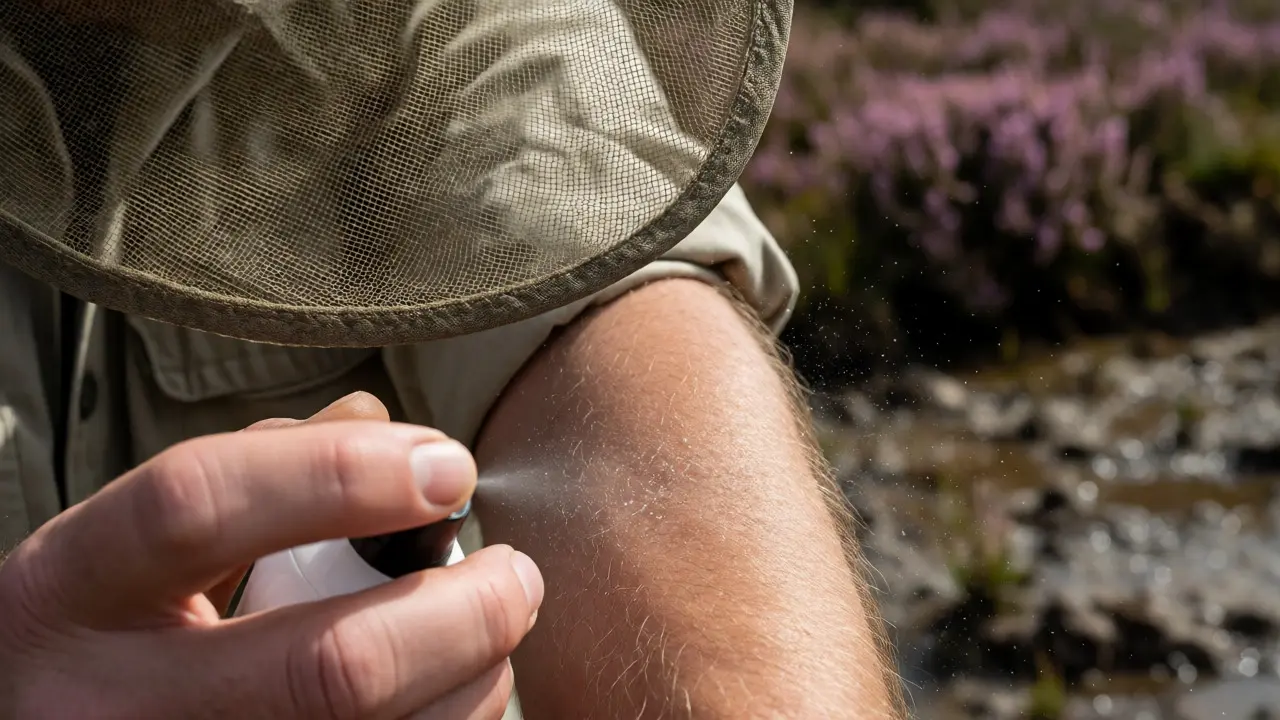
Most travelers grab the first bottle of generic insect spray they see at a petrol station. Big mistake. Standard DEET products often fail against midges because these insects are smaller and more persistent than mosquitoes. You need specific formulations. The gold standard is Smidge. Developed specifically for Highland midges, it contains a blend of ingredients including picaridin and plant extracts. Locals swear by it. Another effective option is products containing DEET at 50% concentration. Lower concentrations (10-20%) evaporate too quickly or don’t deter midges effectively. Avoid these common pitfalls:
- Citronella candles: Useless outdoors. The scent dissipates instantly in any breeze.
- Ultrasonic devices: Scientific consensus suggests they do nothing. Don’t waste money.
- Essential oils alone: Lavender or eucalyptus might help slightly but offer no lasting protection against a full swarm.
Physical Barriers: The Head Net Strategy
If you’re hiking, camping, or fishing during peak season, chemical repellent isn’t enough. You need physical barriers. The most iconic piece of Scottish outdoor gear is the head net. Yes, it looks silly. Yes, it works perfectly. A good midge net should have fine mesh (at least 1mm holes). Cheap ones made for bees have larger gaps that midges easily penetrate. Look for nets designed specifically for "biting flies" or "midges." Brands like Craghoppers or local Scottish outdoor suppliers make reliable versions. Wear light-colored clothing. Midges are attracted to dark colors, particularly black and navy blue. White or khaki shirts reflect light and confuse them. Long sleeves and long trousers are non-negotiable in July. Tuck your trousers into your socks. It looks uncool, but it stops midges from crawling up your legs and finding bare skin at the ankle.
Other Highland Insects to Watch For
Midges dominate the conversation, but they aren’t the only creatures testing your patience. Two other insects deserve mention: Tick Awareness is critical in grassy and heather-covered areas. Ticks are small arachnids that attach to skin and feed on blood. Unlike midges, they don’t fly; they wait on vegetation and latch on when you brush past. Check your body after walks, especially behind knees, groin, and under arms. Remove ticks promptly with a tick hook or fine tweezers. Lyme disease is present in parts of Scotland, so vigilance matters. Horseflies appear later in summer, mostly in July and August. They are larger, louder, and bite painfully. They target livestock primarily but will attack humans if given the chance. They dislike wind and prefer humid, stagnant air near cattle. If you’re walking near farmyards, watch out for these aggressive biters.
| Feature | Highland Midge | Tick | Horsefly |
|---|---|---|---|
| Size | Tiny (1.5mm) | Small (3-5mm unfed) | Large (10-20mm) |
| Bite Sensation | Sharp, immediate itch | Painless initially | Painful, sharp stab |
| Peak Season | May-September | March-November | June-August |
| Primary Defense | Net + Smidge | Long pants + Checks | Distance from cattle |
Strategies for Enjoying the Outdoors
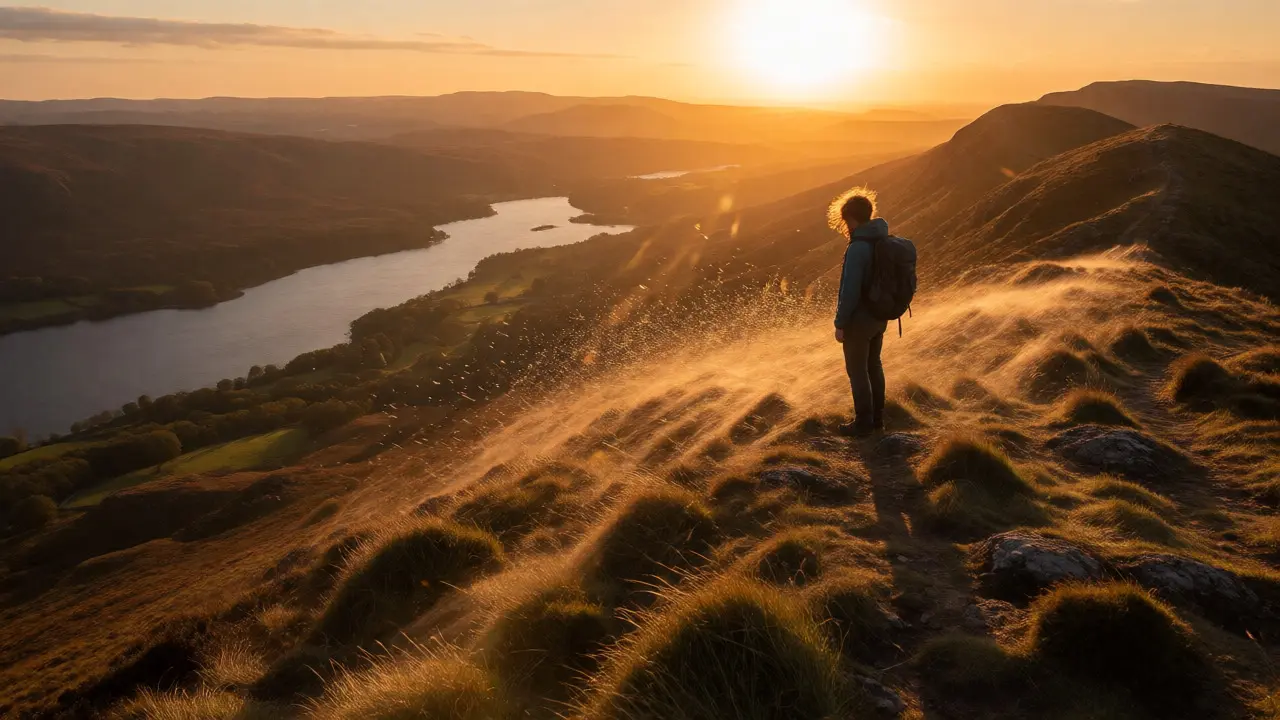
Don’t let bugs cancel your trip. With the right tactics, you can minimize discomfort. First, time your activities. Hike early in the morning or late in the evening when winds tend to pick up or temperatures drop. Avoid sitting still in damp valleys during mid-day heat. Second, choose your accommodation wisely. Hotels with screened windows and air conditioning are sanctuaries. B&Bs in exposed coastal towns (like Oban or St Andrews) often have fewer midges than remote bothies in the deep glens. Read reviews carefully-previous guests often mention "bug issues" explicitly. Third, manage expectations. If a swarm hits, move. Walk towards higher ground or open spaces. Midges rarely follow you uphill into the wind. Carry a small fan or battery-operated neck fan; the airflow creates a personal barrier they struggle to cross. Finally, treat bites properly. Anti-histamine cream reduces swelling and itching. Avoid scratching, which leads to infection. If you develop a severe allergic reaction (rare but possible), seek medical attention.
Do midges bite dogs and cats?
Yes, Highland midges bite pets. Dogs and cats often suffer from hypersensitivity reactions, leading to excessive scratching and hair loss. Consult your vet for pet-safe repellents, as some human products contain ingredients toxic to animals.
Is there a cure for midge bites?
There is no instant cure, but symptoms fade naturally within a week. Hydrocortisone cream or antihistamines speed up relief. Cold compresses reduce inflammation immediately after being bitten.
Which part of Scotland has the worst midges?
The west coast, particularly Argyll, the Isle of Mull, Skye, and the area around Fort William, typically has the highest density due to wetter, milder climates. The east coast and northeast are generally much better.
Can I visit Scotland in July without midges?
It is difficult to guarantee zero midges in July, but you can minimize exposure by staying on the east coast, choosing windy locations, and using proper repellents and nets. Complete avoidance is nearly impossible inland.
Are midges dangerous to humans?
Midges are not vectors for serious diseases like malaria or Lyme disease in Scotland. Their main impact is nuisance biting, sleep disruption, and potential secondary infections from scratching. Allergic reactions are uncommon but possible.