
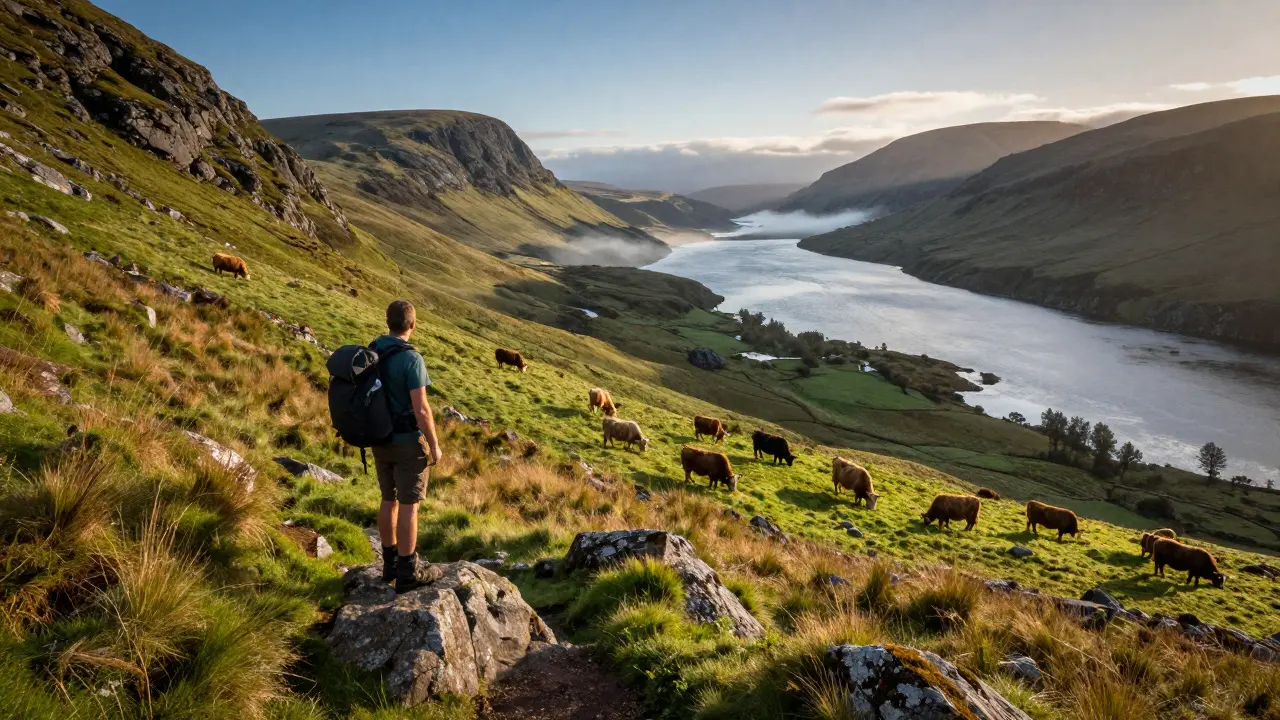
Imagine this: you’ve hiked up a rugged hill in the Highlands, lungs burning, sweat stinging your eyes. At the summit, you’re greeted by the most spectacular view of glens and lochs stretching to the horizon. But then you see it-a herd of Highland cattle grazing peacefully on the slope below, just yards from where you plan to descend. Do you walk straight through? Do you shout at them to move? Or do you freeze, unsure of what’s right?
This isn’t just a hypothetical scenario. It happens every day across Scotland. The country offers some of the best walking and hiking opportunities in the world, thanks to its unique legal framework. But with great freedom comes great responsibility. If you don’t know the rules-or worse, if you ignore them-you can harm local wildlife, upset farmers, and even put yourself in danger.
Scotland operates under the Land Reform (Scotland) Act 2003, which established the legal right to access most land and inland water for recreational purposes. This means you can walk almost anywhere, camp responsibly, and swim in rivers without asking permission. However, this right is not absolute. It is balanced by a code of conduct known as the Scottish Outdoor Access Code. Ignoring this code doesn’t just make you a rude visitor; it undermines the very system that allows you to be there in the first place.
The Scottish Outdoor Access Code: Your Rulebook
The Scottish Outdoor Access Code is not a suggestion. It is the practical guide that explains how to exercise your rights responsibly. Published by NatureScot (formerly Scottish Natural Heritage), this document outlines the expectations for walkers, cyclists, climbers, and campers. The core principle is simple: respect other people, their property, and the environment.
Many visitors assume that "freedom to roam" means they can do whatever they want. That’s a dangerous misconception. The Code emphasizes that your enjoyment should not come at the expense of others. For example, while you have the right to cross private land, you do not have the right to cause damage or disturbance. If you leave trash behind, scare livestock, or block farm entrances, you are violating the spirit-and often the letter-of the law.
Key principles include:
- Respect people and their livelihoods: Farmers work hard to maintain their land. Your path shouldn’t interfere with their daily operations.
- Care for the natural environment: Avoid damaging plants, disturbing birds, or eroding trails.
- Take responsibility for your actions: Be prepared, stay safe, and clean up after yourself.
If you’re planning a trip to Scotland, reading the full Code is essential. It’s available online and in many tourist information centers. But beyond the text, understanding the *why* behind each rule will help you navigate situations like encountering livestock or finding a locked gate.
Livestock Safety: Cattle, Sheep, and Goats
One of the most critical aspects of trail etiquette in Scotland involves animals. You will likely encounter sheep, cattle, goats, and sometimes horses while hiking. Each species requires different handling, but the golden rule remains: give them space.
Cattle are the biggest concern. A cow may look calm, but she can become aggressive if she feels her calves are threatened. In spring and early summer, many cows have young calves nearby. If you see a cow standing still and watching you, back away slowly. Do not run. Running triggers a chase instinct. Instead, find an alternative route around the field. If you must pass close to them, keep your dog on a lead and speak calmly. Never try to pet or feed them.
Sheep are generally less dangerous but can still be unpredictable, especially during lambing season (March to May). Ewes with lambs are highly protective. If a flock moves toward you, stand still and let them pass. They usually have a specific grazing pattern and will go around you if you don’t block their path.
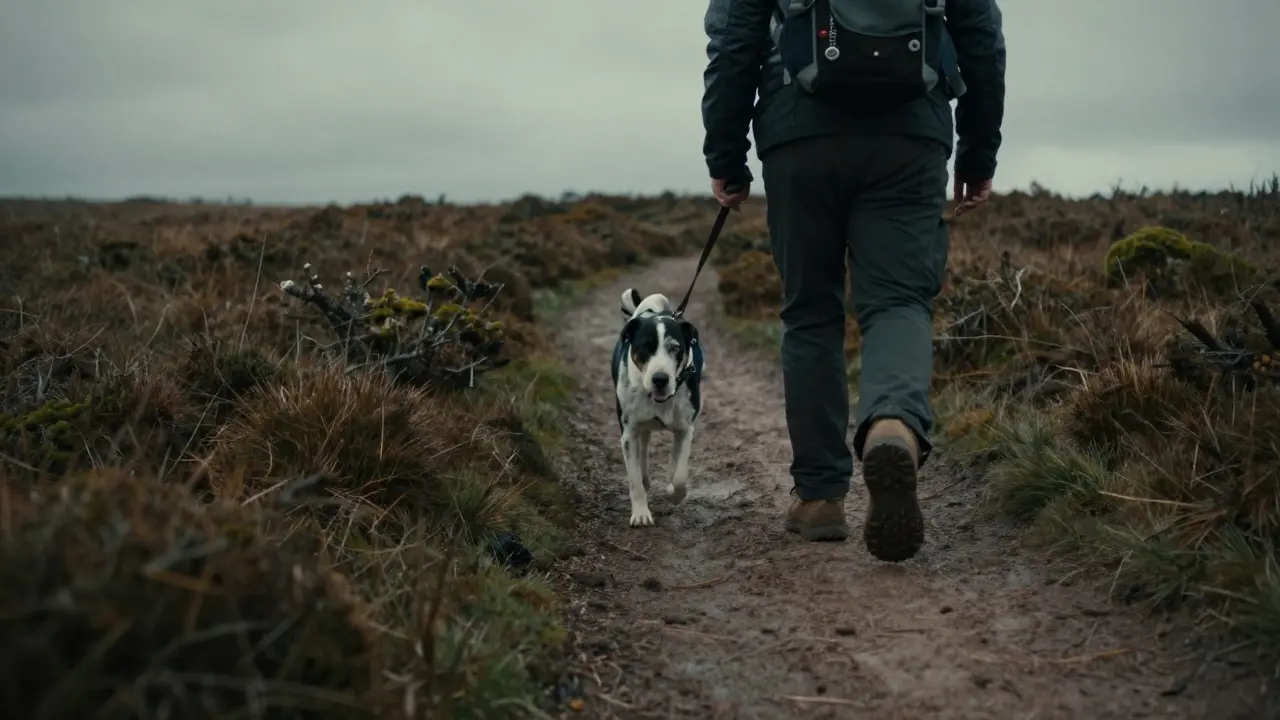
Dogs play a major role in livestock incidents. Even well-trained dogs can trigger a stampede among sheep or provoke a charge from cattle. The Access Code strongly recommends keeping dogs under close control, ideally on a short lead, when near livestock. In some areas, signs explicitly state "Keep Dogs On Lead." Ignore these signs at your peril-not just for the animals’ sake, but because farmers have the right to shoot dogs that threaten their livestock.
| Animal Type | Risk Level | Recommended Action | Dog Policy |
|---|---|---|---|
| Cattle | High | Back away slowly; avoid eye contact; seek alternate route | Must be on lead |
| Sheep | Medium | Stand still; let them pass; do not approach lambs | On lead or very close control |
| Goats | Low-Medium | Give wide berth; they may climb fences to follow you | On lead recommended |
| Horses | Low | Speak softly; approach from side; never startle | Under control |
Gates: Open, Closed, or Latched?
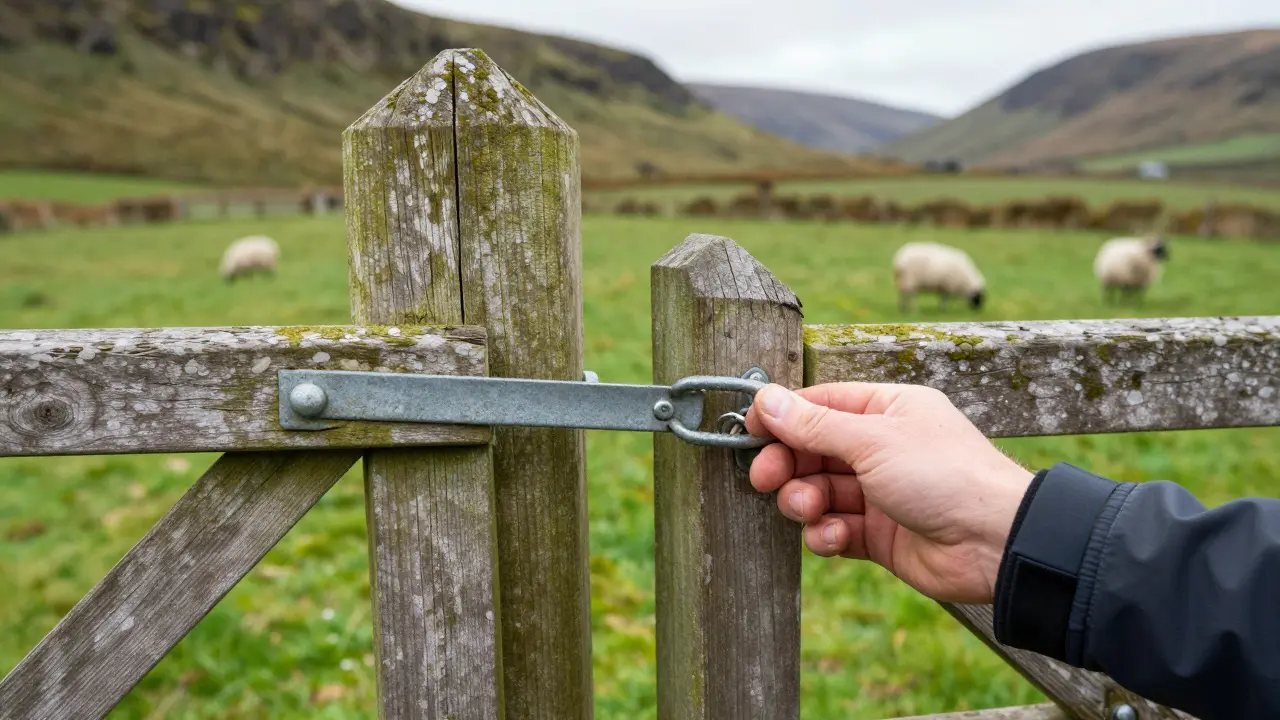
If there’s one thing that drives locals crazy, it’s visitors leaving gates open. Gating systems in Scotland serve multiple purposes: containing livestock, protecting sensitive habitats, and managing access to private properties. When you leave a gate open, you’re not just being inconvenient-you’re potentially causing significant economic loss for farmers.
Here’s the basic rule: leave every gate exactly as you found it. If it was closed, close it. If it was latched, latch it. If it was open, leave it open. Simple, right? Yet so many people forget this step, assuming someone else will fix it later.
Why does this matter? Imagine a farmer spending hours herding sheep back into a field because a hiker left a gate unlatched. Those sheep could wander onto roads, get injured, or eat crops. The financial impact adds up quickly. Plus, repeated incidents can lead to stricter access restrictions, hurting everyone who enjoys the outdoors.
Some gates are more complex than others. Post-and-wire gates require careful maneuvering to avoid getting tangled. Swing gates might need two hands to operate smoothly. Sliding gates often have tracks that collect debris-clear any stones before sliding them shut. And yes, even if it rains heavily and the ground is muddy, take the extra minute to secure the gate properly.
What if a gate is broken? Don’t just leave it hanging. Try to prop it securely against a fence post or tree branch to prevent further damage. Better yet, report it to the landowner or local authority if possible. Many rural communities appreciate proactive communication about infrastructure issues.
Paths and Trails: Stay on the Track
In Scotland, you’re allowed to go off-path in most cases. But that doesn’t mean you should. Established trails exist for good reasons: they minimize erosion, protect fragile ecosystems, and provide safer navigation for users. Straying off-trail repeatedly creates new paths, which accelerates soil degradation and harms plant life.
During wet seasons, staying on designated routes becomes even more important. Mud turns into slurry easily, and once vegetation is crushed, it takes years to recover. In peatland areas-which cover large parts of the Highlands-walking off-path can release stored carbon dioxide, contributing to climate change.
When crossing fields, aim for existing footprints or worn-down grass lines rather than creating fresh tracks through lush greenery. If no clear path exists, choose the least impactful route: avoid steep slopes, wetlands, and nesting sites. Look for subtle indicators like slightly discolored grass or small animal trails.
Also consider timing. Early morning and late afternoon are peak times for both wildlife activity and human recreation. During midday heat, animals tend to rest in shaded spots. Plan your walks accordingly to reduce conflicts.
Camping Responsibly
Wild camping is legal in Scotland under certain conditions. You can pitch your tent overnight in most remote areas without needing permission. However, this privilege comes with strict guidelines designed to preserve the landscape and respect local communities.
First, camp away from buildings, roads, and cultivated fields. Ideally, choose locations at least 200 meters from houses and farms. Second, limit your stay to two nights maximum in any single spot. Moving on prevents overuse and gives the land time to recover.
Third, manage waste carefully. Pack out all rubbish, including food scraps and toilet paper. Use biodegradable soap sparingly and wash dishes far from streams. Human waste should be buried at least 6 inches deep and 200 feet from water sources. Carry a trowel if you plan extended trips.
Finally, be invisible. Avoid loud noises, bright lights, and fires unless absolutely necessary. Fire bans are common during dry periods due to wildfire risks. Check local regulations before lighting anything. Remember, your goal is to leave no trace whatsoever.
Respecting Private Property
While you can access most land, some places remain off-limits. These include gardens, sports facilities, construction sites, military zones, and areas marked with clear signage indicating private use. Always obey posted notices. If a sign says "Private Land - No Entry," honor it.
Even within accessible areas, behave courteously. Don’t park vehicles on driveways, block farm entrances, or trespass on enclosed pastures. If you accidentally enter restricted territory, apologize sincerely and leave immediately. Most landowners understand mistakes happen-but repeat offenses breed resentment.
Building positive relationships with locals enhances your experience. Say hello to farmers you meet along the way. Ask politely if unsure about access points. Show appreciation for their hospitality. Small gestures build trust and encourage continued openness.
Is wild camping legal everywhere in Scotland?
No. Wild camping is permitted in most uncultivated land but prohibited near dwellings, on improved pasture, and in designated exclusion zones. Always check local maps and consult the Scottish Outdoor Access Code for specifics.
What should I do if I encounter a cow with calves?
Back away slowly without turning your back completely. Keep your dog on a tight lead. Speak calmly and avoid sudden movements. Find an alternative route if possible. Never attempt to separate mother from calf.
Do I need to ask permission to hike in the Highlands?
Generally no, provided you follow the Scottish Outdoor Access Code. Permission is only required for built-up areas, gardens, and specifically excluded lands. Respectful behavior ensures ongoing access rights.
How do I handle a broken gate?
Secure it temporarily using nearby objects like branches or rocks. Report the issue to the nearest estate office or land registry. Leaving it unsecured risks livestock escape and environmental damage.
Can I light a campfire in the Scottish wilderness?
Only where permitted and during non-fire-ban periods. Use established fire rings when available. Extinguish flames thoroughly before departing. Consider carrying a portable stove instead to eliminate risk entirely.