
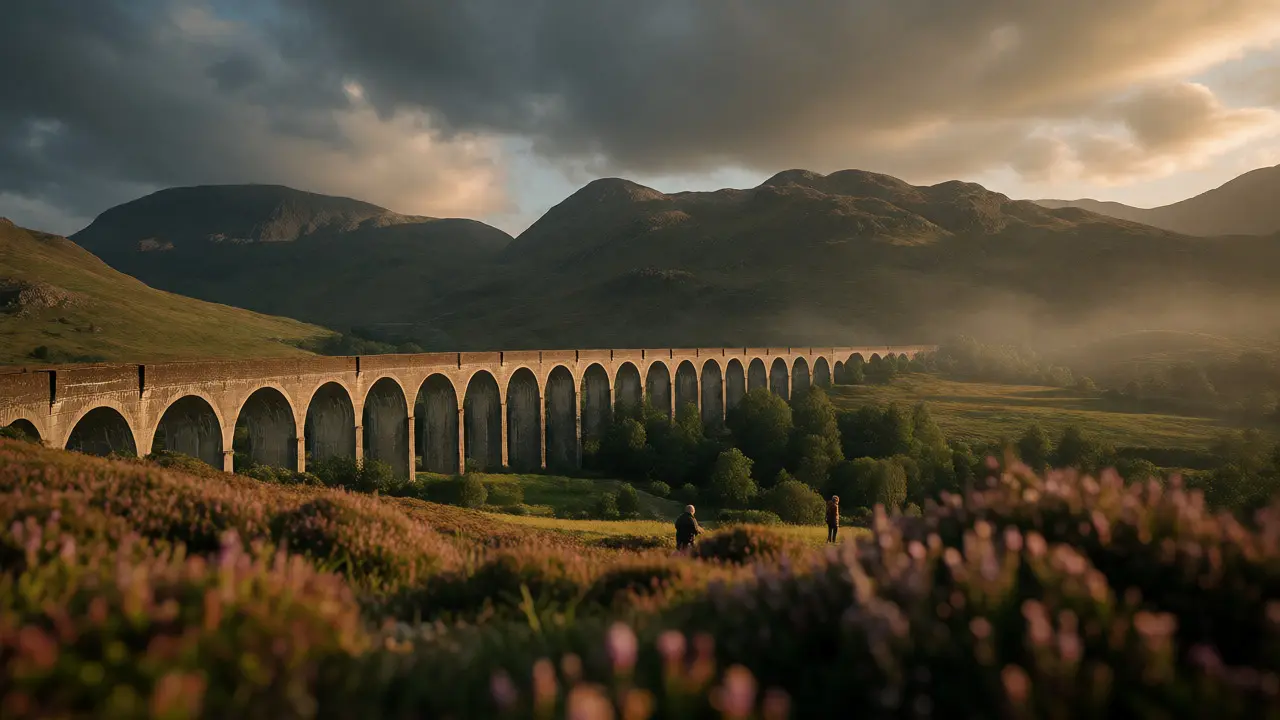
You’ve spotted the perfect shot. Maybe it’s the jagged cliffs of Harry Potter's Hogwarts bridge at Glenfinnan, or the moody highlands from Game of Thrones. You pull out your drone, ready to capture that cinematic angle. But before you hit takeoff, stop. Flying a drone over Scottish film sites isn’t just about getting a cool photo; it’s a legal minefield involving aviation law, landowner rights, and strict privacy codes.
As someone living here in Dundee, I see tourists make this mistake constantly. They assume because a location is famous for a movie, it’s open for commercial-style aerial photography. It’s not. The UK Civil Aviation Authority (CAA) has tightened its grip on drone operations, especially around crowded tourist hotspots. If you want to avoid a hefty fine or a confrontation with a local farmer, you need to know exactly where you stand. This guide breaks down the specific regulations for 2026, the safety protocols you can’t skip, and how to actually get those shots without getting grounded.
The Core Legal Framework: What Changed Recently
If you’re used to flying drones casually, forget everything you knew pre-2024. The UK introduced new categories that fundamentally changed how we operate. The old "A1/A3" vs "A2" distinction still exists, but the registration and competency requirements are non-negotiable now. Every pilot must have an Operator ID if their drone weighs more than 250g, which covers almost every camera drone worth buying.
Here is the reality check: most modern consumer drones, like the DJI Mini series, fall under the "Open Category." You don’t need a full license for basic recreational flights, but you do need to pass the A2 Certificate of Competency (CofC) theory test if you plan to fly closer to people. For film sites, this matters because these places are rarely empty. Even in October, you’ll find hikers, tour buses, and other photographers. Flying within 50 meters of uninvolved people requires that A2 CofC. Without it, you’re legally required to stay 150 meters away from residential, commercial, industrial, or recreational areas. Good luck finding 150 meters of clear space near a popular castle ruin.
Film Locations Are Not Public Airspace
This is the biggest misconception. Just because a location appears in a blockbuster doesn’t mean the sky above it is free for all. Most Scottish film sites are private land. The CAA regulates the air, but landowners regulate the ground-and often, they control access to the airspace immediately above their property for safety and privacy reasons.
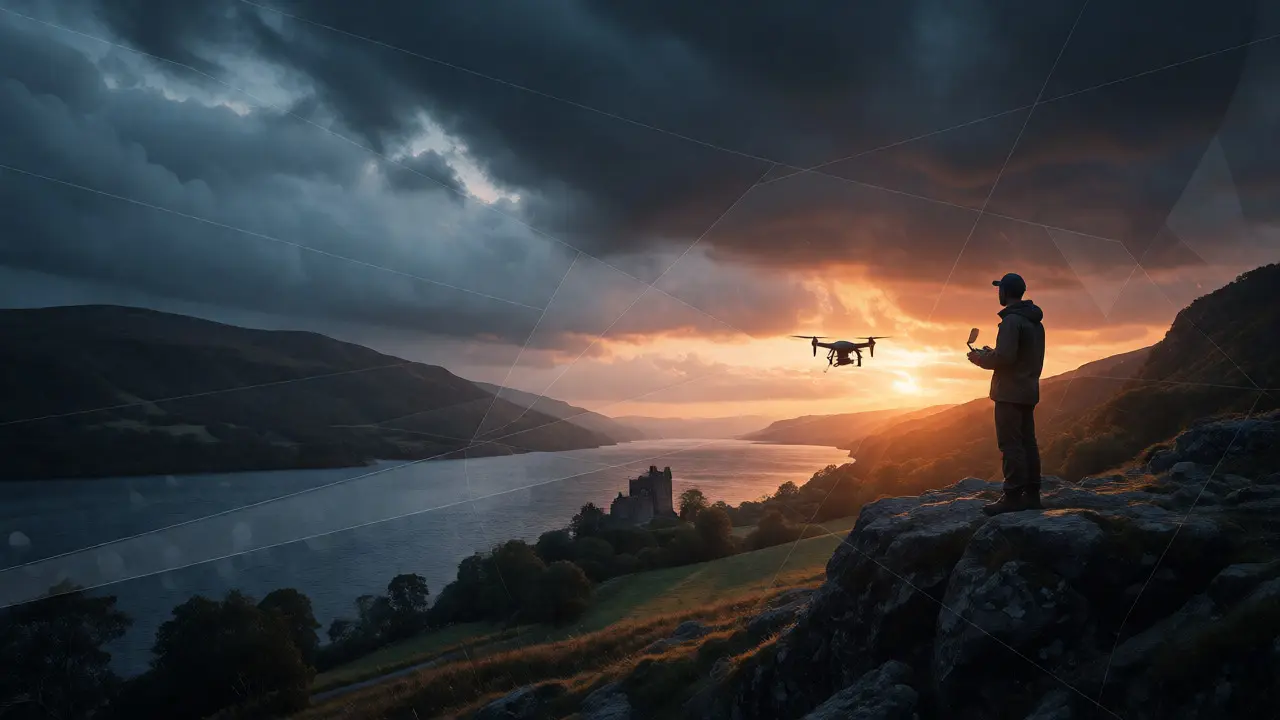
Take Loch Ness, specifically Urquhart Castle. While the loch itself is public water, the castle grounds are managed by Historic Environment Scotland. They have specific policies regarding drones. In many cases, you need explicit permission to launch from their land. If you launch from a nearby road or beach, you’re technically okay under CAA rules, provided you maintain distance from crowds. But if you hover directly over the castle courtyard during a tour group visit, you risk violating privacy laws and annoying visitors, which can lead to police intervention.
Another critical factor is the proximity to airports and aerodromes. Many stunning coastal film sites in Scotland, such as those near Aberdeen or Inverness, sit within Controlled Traffic Regions (CTRs). You cannot fly above 400 feet (120 meters) anywhere, but in CTRs, you might be restricted to lower altitudes or require air traffic control clearance. Always check the latest aeronautical charts. Apps like Drone Assist or Skydroid help, but never rely solely on them. Verify with official NOTAMs (Notices to Airmen).
Safety Protocols for Crowded Tourist Spots
Safety isn’t just about avoiding collisions; it’s about managing risk in unpredictable environments. Scottish weather is notorious for sudden changes. One minute it’s sunny, the next it’s raining sideways with 40mph gusts. Drones are sensitive to wind. If you’re flying a lightweight sub-250g drone, a sudden gust can push you into a tree or a cliff face instantly.
- Visual Line of Sight (VLOS): You must keep the drone in sight at all times. No FPV goggles unless you have a dedicated spotter standing right next to you.
- Crowd Management: Never fly over large groups of uninvolved people. At film sites, "large groups" form quickly. If a tour bus arrives, land immediately or move away.
- Battery Management: Cold temperatures drain batteries faster. In October, expect up to 20% less flight time than in summer. Always reserve 30% battery for return-to-home maneuvers.
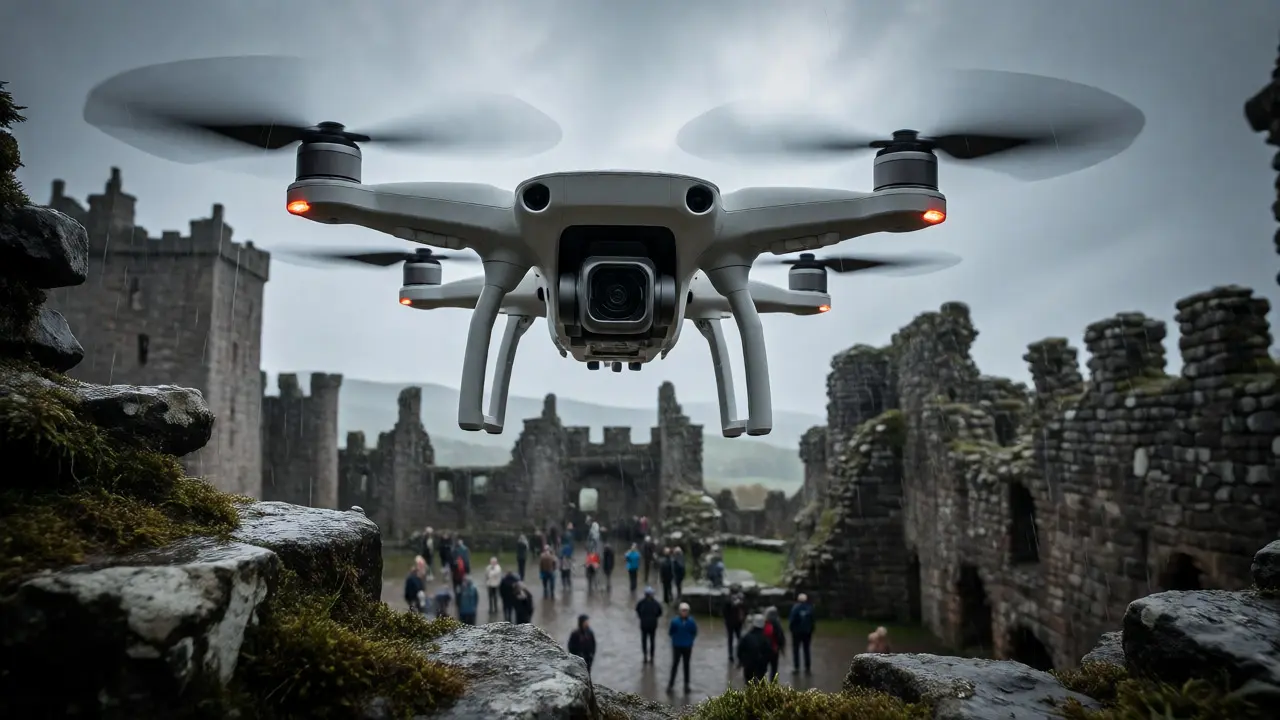
I once saw a pilot lose his drone at Doune Castle (the original Monty Python and the Holy Grail site) because he ignored a localized rain squall. The drone didn’t crash, but it got wet enough to short-circuit the motors mid-hover. He had to scramble down a muddy slope to retrieve it while tourists filmed his struggle. Don’t be that guy. Check the micro-climate forecast, not just the general area forecast.
Privacy Laws and GDPR Compliance
UK data protection laws apply to drone footage. If your camera captures identifiable individuals, you are processing personal data. At film sites, people expect to be seen, but they don’t necessarily consent to being broadcast on your social media channel. This is especially true if you’re monetizing the content.
The rule of thumb: blur faces if you’re publishing close-ups of people who haven’t signed a release. For wide landscape shots where people are indistinguishable specks, you’re generally safe. However, if you’re filming a wedding party visiting Stirling Castle, and you zoom in on the bride, you’re entering grey territory. Respectful piloting means acknowledging that you’re a guest in someone else’s memory-making moment.
Practical Tips for Getting the Shot
So, how do you navigate these restrictions and still get amazing footage? Planning is half the battle. Here’s a workflow that works for me when shooting in the Highlands:
- Scout on the Ground First: Walk the perimeter. Identify no-fly zones marked by signs. Note where the crowds congregate. Find a launch point that gives you elevation without requiring you to fly over people.
- Check Landowner Permissions: For smaller estates or private farms used in films, look for contact info online. A quick email asking for permission to fly for personal use often gets a positive response. Some landowners charge a small fee for commercial shoots but allow hobbyists for free.
- Time Your Visit: Early morning or late evening offers two benefits: better light and fewer people. Fewer people means easier compliance with the 50-meter rule. Plus, the golden hour light in Scotland is unbeatable for cinematic looks.
- Use Geofencing Wisely: Most drones have built-in geofences that prevent flying into restricted zones. Ensure your firmware is updated so these maps reflect current temporary flight restrictions, especially if there’s been recent construction or events at the site.
Comparison of Popular Film Site Restrictions
To give you a clearer picture, here’s how some of Scotland’s most famous film locations handle drone operations. Note that rules can change based on ongoing productions or special events.
| Location | Land Status | Typical Drone Policy | Key Challenge |
|---|---|---|---|
| Glenfinnan Viaduct | National Trust / Network Rail | No launch from track bed; strict altitude limits due to rail traffic. | Train schedules and crowding. |
| Doune Castle | Historic Environment Scotland | Launch from outside walls preferred; avoid hovering over main courtyard. | High tourist density in summer. |
| Loch Etive (Brave) | Private Estate / Public Access | Generally permissive for recreational use; respect farm animals. | Wind conditions and livestock. |
| Stirling Castle | Historic Environment Scotland | Strictly regulated; often requires permit for professional gear. | Proximity to town center and crowds. |
What Happens If You Break the Rules?
Don’t gamble with fines. The CAA can issue fixed penalty notices starting at £100 for minor infractions, but serious breaches-like flying dangerously close to an aircraft-can result in unlimited fines and even imprisonment. Local police also have powers to confiscate equipment if they deem it necessary.
More commonly, you’ll face social backlash. Filming locals hate having a buzzing machine hovering over their garden or farm. At film sites, you’re competing with other tourists. If you’re blocking views or causing noise pollution, expect angry glares or verbal warnings. Being polite and transparent helps. If someone asks what you’re doing, explain you’re capturing landscape shots. If they ask you to move, just move. It’s not worth the argument.
Final Thoughts on Responsible Piloting
Flying drones in Scotland is a privilege, not a right. The landscapes that made these films iconic are fragile ecosystems and busy community spaces. By respecting the CAA regulations, checking landowner permissions, and prioritizing safety, you ensure that everyone can enjoy these sites. Whether you’re chasing the ghost of Harry Potter or the dragons of Westeros, preparation is key. Do your homework, pack extra batteries, and keep your eyes on the horizon. The best shots come to those who follow the rules.
Do I need a license to fly a drone in Scotland?
If your drone weighs 250g or more, you must register as an operator and display your Operator ID. For recreational flights in the Open Category, you typically need an Flyer ID (obtained via a free online test). If you want to fly within 50m of people, you need an A2 Certificate of Competency (CofC), which involves a paid exam.
Can I fly my drone over any Scottish castle?
Not always. Castles managed by Historic Environment Scotland often have specific policies prohibiting launches from their grounds or restricting flights over crowded areas. Always check the specific site's website or signage before flying. Private castles may require direct permission from the owner.
Are there no-fly zones near Scottish airports?
Yes. All major Scottish airports (Edinburgh, Glasgow, Aberdeen, Inverness) have Controlled Traffic Regions (CTRs). You usually need ATC clearance to fly within these zones, regardless of altitude. Smaller aerodromes also have exclusion zones. Always check a current aviation map.
What is the maximum height for drone flights in the UK?
The absolute maximum height is 400 feet (120 meters) above ground level. This applies everywhere in the UK, including Scotland. Flying higher than this without specific authorization is illegal.
Can I use drone footage commercially without permission?
No. Commercial use (selling photos, using in ads, monetized YouTube videos) often requires additional insurance and sometimes landowner permission. Furthermore, if identifiable people appear in your commercial footage, you need model releases to comply with GDPR and copyright laws.
Comments (12)
-
Charles Reah October 24, 2026
Hey everyone, just wanted to chime in here because I think there's a lot of confusion about the "Open Category" rules that OP touched on but didn't fully unpack for beginners. It’s really easy to get tripped up if you’re coming from the US system where things are slightly different. The key takeaway is that registration isn’t optional anymore if your drone has a camera and weighs over 250g, period. You need both an Operator ID and a Flyer ID.
I know it feels like bureaucratic red tape, especially when you just want to fly at Glenfinnan, but these rules exist because drone incidents have skyrocketed in recent years. If you haven't taken the free online test yet, do it before you even pack your bag. It takes twenty minutes and saves you potential headaches later. Also, remember that "recreational" doesn't mean "unregulated." You still have to follow the visual line of sight rules strictly. Don't be the guy flying behind a hill with goggles on and no spotter. That’s how accidents happen.
For those planning trips, I’d recommend downloading the official CAA app rather than relying solely on third-party apps which can sometimes lag on temporary flight restrictions. It’s a small step that ensures you’re compliant with the latest NOTAMs. Happy flying!

-
SHANNON GRUBER October 25, 2026
Obviously.

-
Howard Hurd October 26, 2026
This is exactly why America needs to stop copying Europe’s over-regulated nonsense 🇺🇸. We had it right with the old Part 107 basics before they started adding layers of complexity for no reason. Now you need a PhD just to hover over your own backyard? 😒

-
Prayagraj Medicose October 27, 2026
You think this is about safety? Please. It’s about surveillance and control. Why do you think they tightened the grip in 2024? They want to track every single device with a GPS chip. If you fly near a castle, guess who gets your data? Not the farmer. It’s the same thing happening everywhere. Wake up. They don’t care about your "cinematic angle," they care about mapping the terrain for future military use or commercial real estate speculation. Keep your eyes open.

-
Sean Eagen October 29, 2026
Rules are rules. Follow them or go home. No excuses.

-
Brad Walker October 30, 2026
We are all merely guests in the sky, dancing on the edge of chaos. The drone is not just a machine; it is an extension of our desire to conquer perspective itself. But beware... the wind does not negotiate. It simply takes. When the battery dies, so too does our illusion of control. Prepare for the void.

-
Manoj Kumar October 31, 2026
The analysis provided herein appears to lack sufficient empirical rigor regarding the economic impact of these regulations on local tourism sectors. Furthermore, the assertion that landowner permissions are easily obtainable via email is demonstrably false based on my correspondence with several Highland estates last quarter. One must consider the broader implications of GDPR compliance on non-EU citizens operating within UK jurisdiction post-Brexit. The regulatory framework is increasingly opaque, serving primarily to enrich licensing bodies rather than ensure genuine airspace safety. Caution is advised for any pilot assuming uniformity across Scottish locations.

-
Kieran Mitchell October 31, 2026
It is absolutely CRUCIAL-do you hear me?? CRUCIAL-that people understand the gravity of this situation!! 🚨 If you ignore the 50-meter rule, you are endangering lives!!! Lives!!! People are getting fined hundreds of pounds because they think they are above the law. The CAA is watching. ALWAYS check the charts. ALWAYS. Do not let your ego override your responsibility. This is serious business, folks. Serious. Business.

-
Darlene Hopkins November 1, 2026
Respectful piloting makes such a difference for locals.

-
Sherri Jones November 1, 2026
Great guide! 💡 Just a quick tip for anyone heading to Loch Etive: the wind there is deceptive. Even on sunny days, the gusts off the water can hit 30mph suddenly. I always carry extra batteries specifically for cold weather drains. ❄️ And yes, Historic Environment Scotland sites are strict, but they are usually very helpful if you call ahead. 📞 Have fun and stay safe! ✈️

-
Bryce Imbriale November 2, 2026
Love the energy here! Go get those shots! Remember to scout early and stay positive. The best views come after the hardest climbs. Keep pushing! 💪

-
Hemali Jaiswal November 2, 2026
Your detailed breakdown of the legal minefield was truly illuminating, particularly the distinction between public airspace and private land rights. It is fascinating how the ethereal nature of flight clashes with the rigid boundaries of property law. I appreciate the emphasis on GDPR, as many hobbyists overlook the digital footprint their footage leaves behind. A thoughtful read indeed. 🌿
