
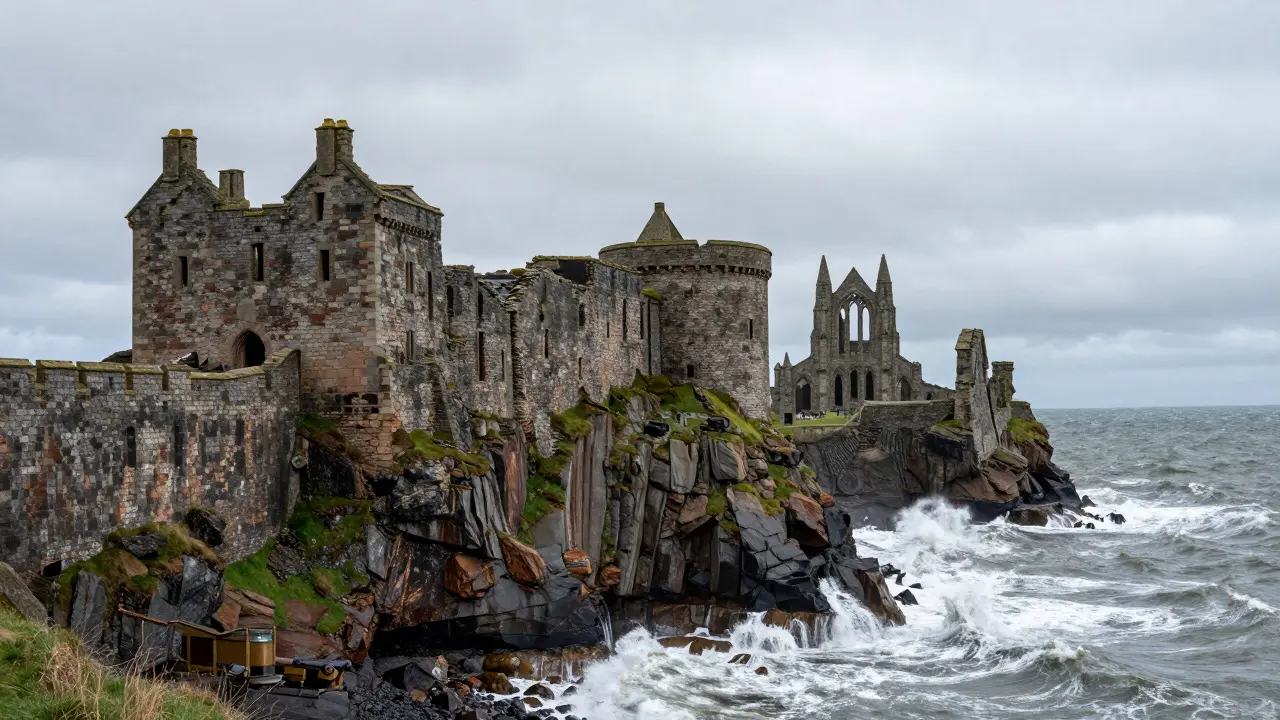
Walking into the ruins of St Andrews Castle is a bit like stepping onto a movie set that time forgot. You’re standing on a cliff edge, looking out at the North Sea, while crumbling stone walls surround you. But it’s not just pretty scenery; this place is packed with drama, betrayal, and some seriously spooky underground passages. If you’re planning a trip to Fife, this guide will walk you through what you need to know before you go, from how to get there to why those dark tunnels are famous.
Key Takeaways
- St Andrews Castle is one of Scotland's most dramatic ruins, perched on a sea cliff in Fife.
- The site includes both the medieval castle and the remains of the largest cathedral in Scotland.
- Underground tunnels connect the castle to the coast, used historically for smuggling and escape.
- Entry is free, but guided tours are highly recommended for accessing hidden areas.
- Combine your visit with a walk along the nearby coastline for the best views.
The Story Behind the Stones
To understand why these ruins look so battered, you have to look back to the 16th century. This wasn't just a home; it was a fortress. The castle played a massive role in the Scottish Reformation. In 1546, French troops besieged the castle, turning it into a battleground between Catholic and Protestant forces. The walls you see today still bear scars from cannon fire. It’s a rare spot where you can literally see the impact of history on the architecture.
Right next door, you’ll find the remnants of St Andrews Cathedral. Before the Reformation, this was the largest church in Scotland. Today, only the choir and part of the nave remain. Walking through the empty arches gives you a sense of scale that photos rarely capture. It’s quiet here, which makes the wind off the ocean sound even louder. For many visitors, this silence is the most striking part of the experience.
Navigating the Underground Tunnels
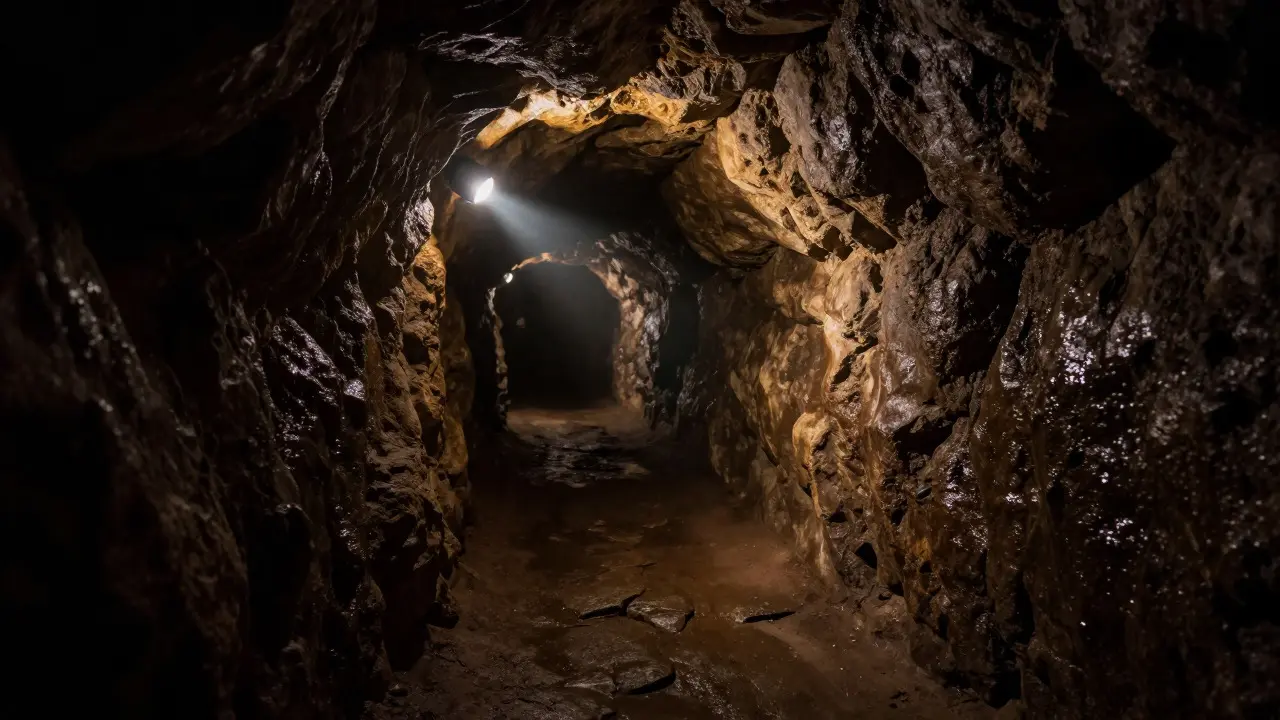
Now, let’s talk about the part everyone asks about: the tunnels. These aren’t just random holes in the ground. They were engineered passageways dug into the rock beneath the castle. Historically, they served as storage spaces, hiding spots, and escape routes. During times of siege, people could move supplies or flee without being seen by enemies above.
Today, these tunnels are a major draw for tourists. However, they aren’t open to roam freely. Safety is a priority because the paths are narrow, uneven, and can be damp. You’ll typically need to join a small group tour to explore them properly. The guides often share stories about local legends, including tales of ghosts and secret meetings. If you have a fear of tight spaces, bring a flashlight (though guides usually provide lighting) and wear sturdy shoes. The floor isn’t flat, and parts of the path involve climbing over rocks.
Practical Info: Getting There and What to Expect
Getting to St Andrews is easy if you’re coming from Edinburgh or Dundee. The town itself is compact, so once you arrive, walking is your best bet. The castle is located right on the main street, near the university campus. Parking can be tricky during peak season, so consider using public transport or arriving early in the morning to secure a spot.
Here’s a quick breakdown of what you should expect:
- Cost: Entry to the exterior grounds is generally free. Guided tours of the interior and tunnels cost a small fee.
- Hours: Check local listings before you go, as hours can change with the seasons. Summer months usually see extended opening times.
- Duration: Allow at least 1.5 to 2 hours. A quick photo op takes 30 minutes, but exploring the tunnels and reading the interpretive signs takes longer.
- Accessibility: The site is partially accessible. The main viewing platforms are step-free, but the lower levels and tunnels require navigating uneven terrain.
Beyond the Walls: Coastal Views and Nearby Spots
Don’t stop at the castle gate. The real magic happens when you walk along the cliff edge. From the castle, you can follow the path down towards the beach. This stretch of coastline offers some of the best views in Fife. On a clear day, you can see all the way to the Isle of May. It’s a popular spot for birdwatchers too, especially if you’re visiting in spring or autumn when migratory birds pass through.
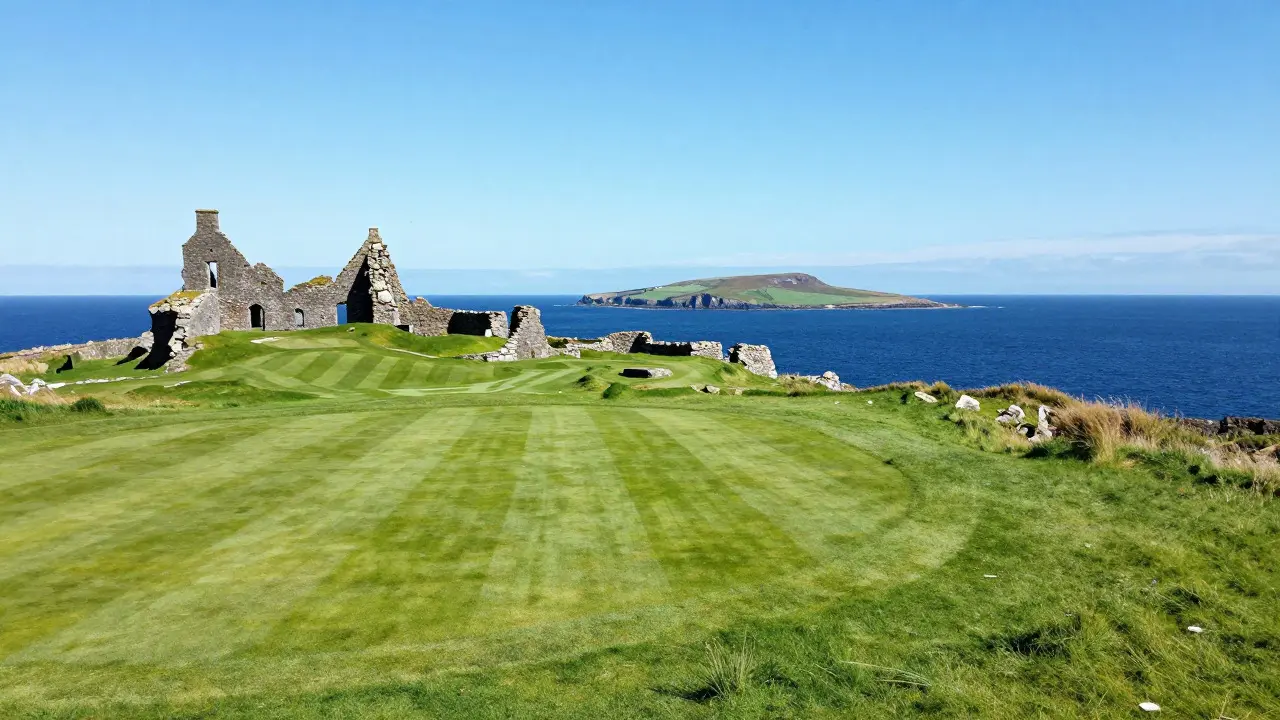
If you’re staying in the town, combine this visit with a stroll to the Old Course of St Andrews Golf Club. Even if you don’t play golf, watching the greenery against the backdrop of the castle ruins is a unique experience. The contrast between the manicured lawns and the wild, crumbled stones creates a visual tension that photographers love.
| Option | Best For | Time Required | Cost Estimate |
|---|---|---|---|
| Exterior Only | Quick visits, photography | 30-45 mins | Free |
| Guided Tour | History buffs, tunnel access | 1-1.5 hours | ~£10-£15 per person |
| Coastal Walk | Scenery lovers, families | 1 hour+ | Free |
Common Mistakes to Avoid
One big mistake people make is underestimating the weather. Being on a cliff means the wind can be brutal, even in summer. Bring a windbreaker or a light jacket. Another pitfall is assuming the site is fully restored. It’s a ruin, so expect broken glass, loose stones, and no handrails in certain areas. Keep an eye on children if you’re bringing them. Finally, don’t skip the interpretive panels. They’re scattered around the site and tell the story much better than any guidebook. They explain exactly where the cannons hit and who lived in which tower.
Frequently Asked Questions
Is St Andrews Castle open year-round?
Yes, the exterior is generally accessible year-round. However, guided tours may have limited schedules in winter due to weather conditions. Always check the latest local updates before traveling in November to February.
Are the tunnels safe to walk in?
They are maintained for safety, but they are not paved. You will encounter uneven surfaces and low ceilings. Wearing comfortable, non-slip shoes is essential. Children under a certain age may need to stay on the upper levels depending on the tour policy.
Can I take photos inside the cathedral ruins?
Yes, photography is allowed throughout the site, including the cathedral remains. Tripods are usually permitted unless there is a large crowd. Just be mindful of other visitors and watch your footing on the uneven ground.
What is the difference between the castle and the cathedral?
The castle is the fortified residence and defensive structure. The cathedral was the religious center. They are adjacent to each other, and their histories are intertwined, particularly during the Reformation period. Visiting both gives you the full picture of the site's significance.
How long does a typical visit take?
Most visitors spend between 1.5 and 2 hours. This allows time for the exterior, a guided tour of the tunnels, and a short walk along the coastal path. If you plan to do the full coastal walk to the lighthouse, add another hour.
Comments (10)
-
Deb Kortyna, MBA August 19, 2026
It is simply astonishing that such a pivotal chapter of Scottish history remains so underappreciated by the general public. The sheer scale of the cathedral ruins, juxtaposed against the fortified castle, creates a visual narrative that no amount of digital photography can truly capture. One must consider the profound silence that permeates the site, a silence that speaks volumes about the centuries of conflict and devotion that have shaped these stones. The mention of the French siege in 1546 is particularly poignant, reminding us that this was not merely a backdrop for tourism but a genuine theater of war. To walk among these walls is to feel the weight of the Reformation pressing down upon one’s shoulders. The tunnels, often dismissed as mere curiosities, were in fact lifelines for those trapped within the fortress. It is a shame that many visitors rush through without pausing to reflect on the human stories embedded in the architecture. The coastal views are indeed spectacular, yet they serve only to heighten the sense of isolation that defined life here for generations. I would argue that the interpretive panels deserve far more attention than they typically receive. They provide context that transforms a simple sightseeing trip into an educational journey. Do not underestimate the power of the wind off the North Sea; it is a constant reminder of the harsh realities faced by those who once called this place home.

-
alex kobri August 20, 2026
there is something about standing on a cliff edge that makes you think about how temporary everything is. the stone has been there for hundreds of years but it is crumbling right now. we are just passing through. the tunnels are interesting because they show how people tried to outsmart nature and other people at the same time. hiding underground when the sky is open above feels like a strange contradiction. i wonder if the ghosts actually know what they are doing or if they are just lost too. the wind sounds different when you are inside the rocks. it hums instead of howls. maybe that is why people tell ghost stories. the sound gets into your head. it is a good spot to sit and do nothing for a while. you do not need a guide to feel small here. the silence does the work for you.

-
Zach Loescher August 22, 2026
I went last spring and found the experience quite meditative. The contrast between the manicured golf course and the wild ruins is striking. It really puts things into perspective. The tunnels were damp but manageable with proper footwear. I appreciated the quietness of the cathedral section. It felt respectful to move slowly through the arches. The history of the siege adds a layer of tension to the landscape. You can almost hear the cannons in the echo of the wind. A nice balance of active exploration and passive observation. The coastal path was equally rewarding. Seeing the birds migrate was a highlight for me. It is a place that rewards patience and attention to detail. Not rushed, not loud, just present.

-
Quintin Franzese August 23, 2026
Sure, it's 'dramatic' and 'spooky,' which is code for 'tourist trap with extra steps.' But hey, if you want to pay ten pounds to walk around in the dark and get wet, go for it. The wind is definitely brutal, though. My hair looked like a demented witch after twenty minutes. Worth it? Meh. The view is nice if you ignore the crowds taking selfies with their phones held up like offerings to the sea god. Just don't expect any actual ghosts. Probably just rats and bad plumbing. Or maybe the rats are the ghosts. Who knows? Definitely bring a jacket. And maybe a towel. For the soul, not just the body.

-
Susan Cole August 25, 2026
The advice about the weather is crucial. I visited in late September and underestimated the chill coming off the water. Even in summer, the wind can be surprisingly intense. It changes the mood of the place completely. The tunnels require a bit of agility, especially near the lower levels. Comfortable shoes are non-negotiable. The guided tour added valuable context that the signs didn't fully cover. The guide knew some local legends that made the visit more engaging. The cathedral ruins are best experienced in the early morning light. The shadows play across the stones in a beautiful way. It is a peaceful spot for reflection. Take your time walking the perimeter. The views of the Isle of May are clear on sunny days. A lovely combination of history and nature.

-
Tamara Miller August 25, 2026
Oh, look at you all, acting like this is some deep spiritual awakening. It's just rocks. Pretty rocks, sure, but still. And don't get me started on the 'ghosts.' Please. It's probably just the wind whistling through the cracks because the maintenance crew hasn't fixed the drafts in decades. Typical. Everyone loves a good spooky story because they're too lazy to read the actual historical plaque. Which, by the way, is poorly lit and half-buried in weeds. If you're going to go, wear real shoes, not those flimsy sneakers you see tourists dragging everywhere. And for heaven's sake, keep your voices down. It's not a nightclub. Though I suppose if you're paying for a 'guided tour' you might as well treat it like a VIP experience. Don't let the marketing fool you. It's a ruin. Ruins are meant to be left alone. But sure, go ahead and take your hundredth photo. We all know you'll post it on Instagram with a hashtag like #blessed or #historylover. Yawn.

-
Savara Gunn August 26, 2026
Great tips! The part about the uneven ground in the tunnels is super helpful. I always forget to check shoe grip before trips. Thanks for the heads up on the wind too. I will pack a light jacket just in case. The cathedral looks really cool in the photos. Hope to visit soon. Nice write-up overall. Easy to read and informative. Good luck to everyone planning a trip!

-
Anthony Miller August 27, 2026
You clearly haven't done your research properly. The 'free entry' is a myth for anyone who wants to see anything substantial. The real content is behind the paywall of the guided tours. Why are you even posting this if you don't understand the economic model of heritage sites? It's basic economics. Scarcity drives value. The tunnels are scarce. Therefore, they cost money. Stop complaining about the price and appreciate the curation. Also, your description of the wind is inaccurate. It's not just 'brutal,' it's meteorologically significant due to the specific topography of the Fife coast. Read a geology textbook before writing a blog post. Amateur hour.

-
michelle veluz August 27, 2026
Finally someone talks about the REAL history! Did you know that the French troops were actually working with local conspirators to install a Catholic monarch? It's all connected! The tunnels weren't just for smuggling, they were for moving secret agents! I bet the ghosts are still guarding the secrets today. You can't trust the official guides, they leave out the conspiracy parts! The wind isn't just wind, it's the voice of the ancestors warning us about the corruption of the modern church! Wake up people! The stones remember what the books forget! Don't let them sell you a sanitized version of history! Check the old records, they've been redacted for centuries! This place is a portal to the truth!

-
Jacob Baby Official August 28, 2026
Let's be honest, this place is overrated. The 'drama' is manufactured by tour guides trying to upsell their little flashlight tours. The cathedral is just broken glass and regret. The castle is a pile of rubble that could have been demolished decades ago. The 'coastal views' are just the ocean, which you can see from anywhere else for free. The only reason people go there is because it's in St Andrews, the golf town. It's a side dish to the main course of Augusta-style pretension. The tunnels? Claustrophobic nightmares for the faint of heart. And don't get me started on the 'interpretive panels.' They're boring, dry, and written by committee. Save your money and your time. Go to a beach. At least the sand doesn't judge you for reading a sign. The whole thing reeks of tourist trap energy. It's not history, it's a museum diorama with bad lighting. Come on, admit it. You're just there for the Instagram filter. The greenery of the golf course is the only thing saving this place from being a total wash. Otherwise, it's just expensive dirt. Very dramatic. Very fake. Very overpriced. Next.
