
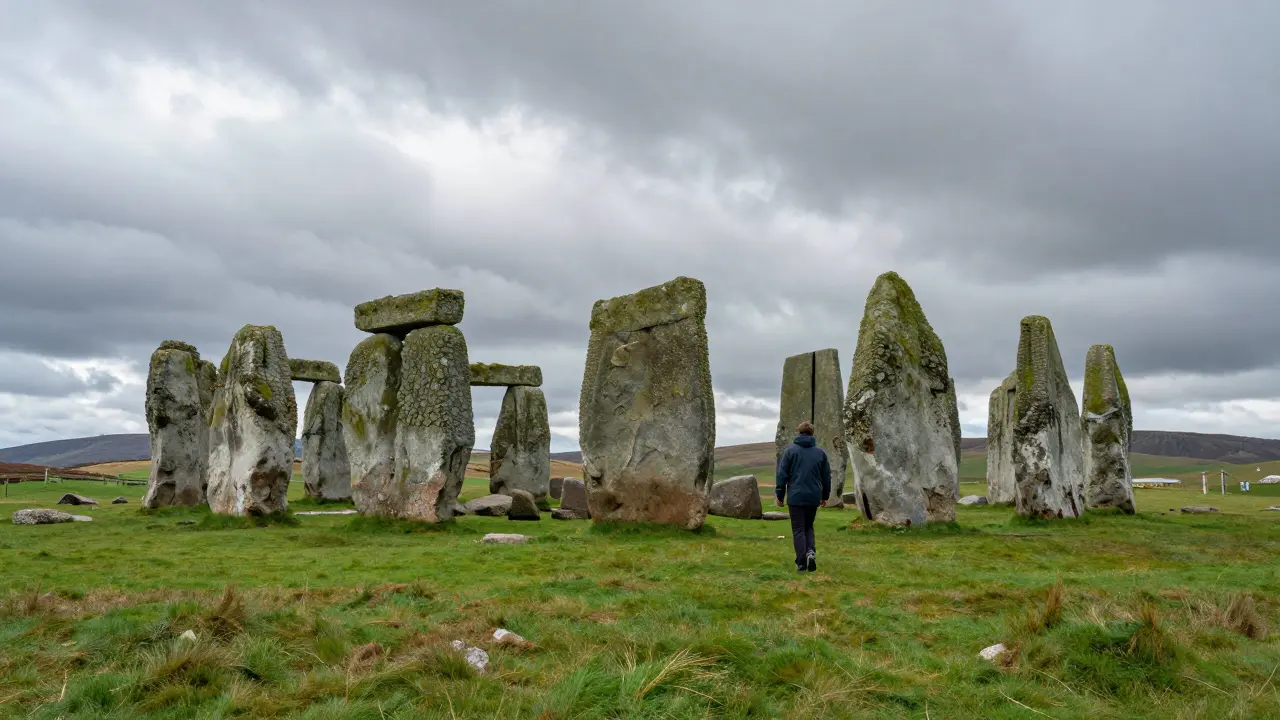
Walking here isn't just about exercise; it's about navigating a landscape that feels like the edge of the world. You'll deal with unpredictable weather-where you can experience four seasons in twenty minutes-and terrain that ranges from soft peat bogs to jagged sandstone cliffs. To make the most of it, you need to know which headlands offer the best views, where the rarest birds nest, and how to find those lonely standing stones that aren't on the main tourist maps.
The Essentials for Northern Isles Trekking
Before you lace up your boots, you need to understand that the environment here is unforgiving. Shetland is an archipelago of over 100 islands located north of mainland Scotland, characterized by rugged coastlines and a subarctic climate. Unlike the Highlands, there are very few trees, meaning you have zero natural cover from the wind.
You'll want gear that prioritizes wind-proofing over everything else. A heavy-duty waterproof jacket and boots with a Gore-Tex membrane are non-negotiable. The ground is often saturated, and the "paths" are frequently just sheep tracks through heather. Carrying a physical map and a compass is still a smart move because cellular signal drops the moment you dip into a glen or move behind a cliff face.
| Item | Standard Hiker Choice | Northern Isles Recommendation | Why it Matters |
|---|---|---|---|
| Footwear | Light hiking shoes | Sturdy, waterproof boots | Peat bogs and wet moorland are everywhere. |
| Outerwear | Light windbreaker | Hardshell waterproof jacket | Horizontal rain is common in Orkney and Shetland. |
| Navigation | Smartphone GPS | OS Map + Compass + GPS | Dead zones are frequent in remote coastal areas. |
Orkney: Walking Through a Neolithic Playground
Walking in Orkney is a group of islands off the north coast of Scotland known for its high concentration of prehistoric monuments and fertile soil. The terrain is generally flatter than Shetland, making it a paradise for long-distance walking and archaeology enthusiasts.
One of the most striking walks is around the Ring of Brodgar and the Stones of Stenness. You aren't just walking to a site; you're walking through a ritual landscape. The wind here is legendary, sweeping across the plateau and making the massive stones feel like they're guarding something ancient. If you wander off the main gravel paths, you'll find the land is a patchwork of green fields and grey stone, where the boundaries have remained largely unchanged for centuries.
For those who want a mix of nature and history, heading to the west coast is a must. The cliffs near the Bay of Firth offer dramatic views of the Atlantic. Here, you can track the coastline and spot grey seals lounging on the rocks. The walk toward the Broch of Gurness is a prime example of how the geography dictated the architecture; these massive drystone towers were built on the edge of the sea to act as both homes and fortresses, overlooking the shipping lanes of the Iron Age.
Shetland: The Raw Edge of Europe
If Orkney is a curated museum, Shetland is a wild frontier. The walking here is more demanding but far more rewarding for those seeking solitude. The Shetland Islands consist of a main island and numerous smaller ones, each with its own distinct character .
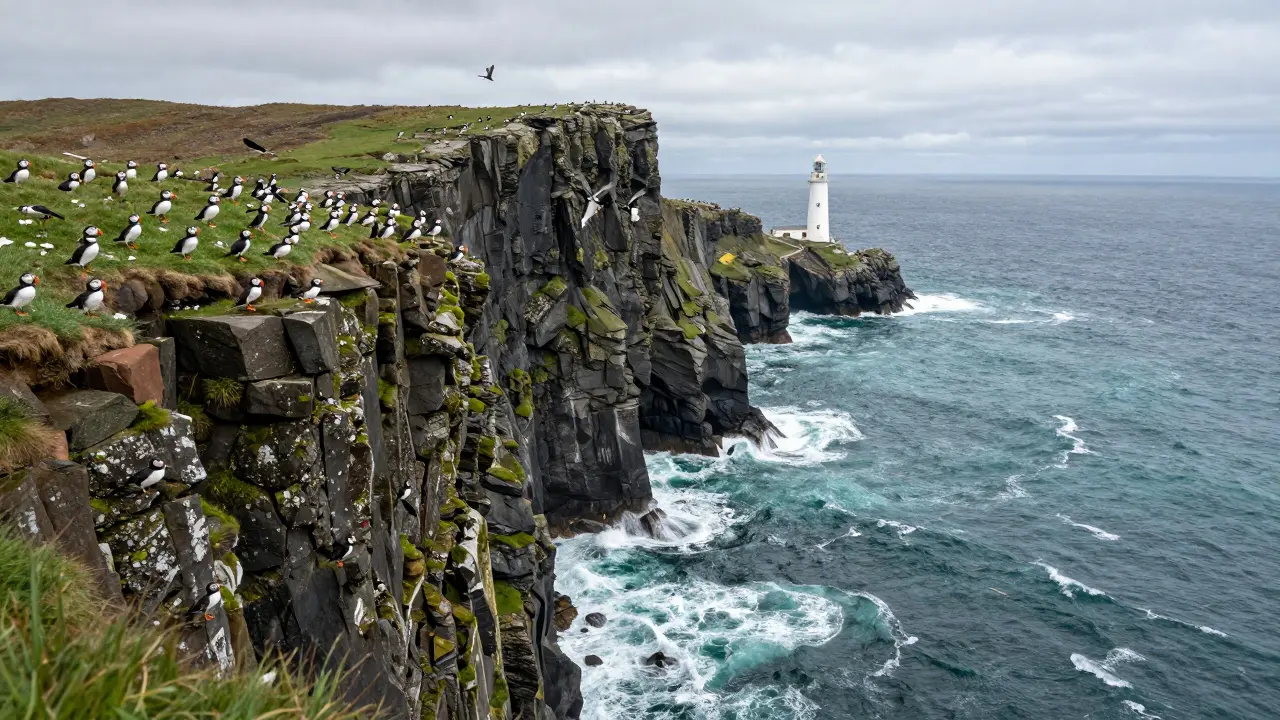
The hike to Sumburgh Head is perhaps the most essential walk in the region. This is where the land simply ends. You'll walk along high cliffs that drop straight into the churning sea, with a lighthouse acting as your beacon. It's a hotspot for Birdwatching, specifically for those looking to see the Atlantic Puffin and Northern Gannet. In the spring and summer, the cliffs are literally carpeted in birds. The noise is deafening, a chaotic symphony of thousands of creatures fighting for nesting space.
Further north, the walk to St Ninian's Isle provides a different experience. You walk across a massive tombolo-a sandy isthmus connecting the mainland to the isle. The white sand against the turquoise water looks like the Caribbean, provided you ignore the freezing temperature of the water and the biting wind. It's a perfect spot to discuss the Viking influence in the region, as the ruins of an old chapel on the island remind you of the Norse settlers who once dominated these waters.
Tracking Wildlife on the Wing
For many, the primary motivation for walking in these islands is the wildlife. The Northern Isles are a critical stopover for migratory birds. When you're trekking the coastline, keep your eyes on the horizon and the cliff faces. Puffins are the stars of the show, but you'll also encounter Arctic Terns, which have the longest migration of any animal on earth, traveling from the Arctic to the Antarctic and back.
The best way to see these birds without disturbing them is to use binoculars and stay on the established cliff-top paths. The nests are often just burrows in the grass; one wrong step and you've collapsed a colony's home. In Shetland, keep an eye out for the Shetland Pony, a hardy breed that has evolved to survive on the sparse vegetation of the moorlands. They are surprisingly friendly but can be protective of their foals, so give them plenty of space during your hikes.
Navigating Archaeology on Foot
Both archipelagos are dense with history, but the experience of finding these sites on foot is different from taking a bus tour. In Orkney, the Maeshowe chambered cairn is a masterpiece of Neolithic engineering. Walking toward it, you notice how the mounds blend into the natural hills. The walk between Maeshowe and the Skerries allows you to see how the ancient people used the landscape for astronomical alignments, marking the winter solstice with precision that still baffles modern architects.
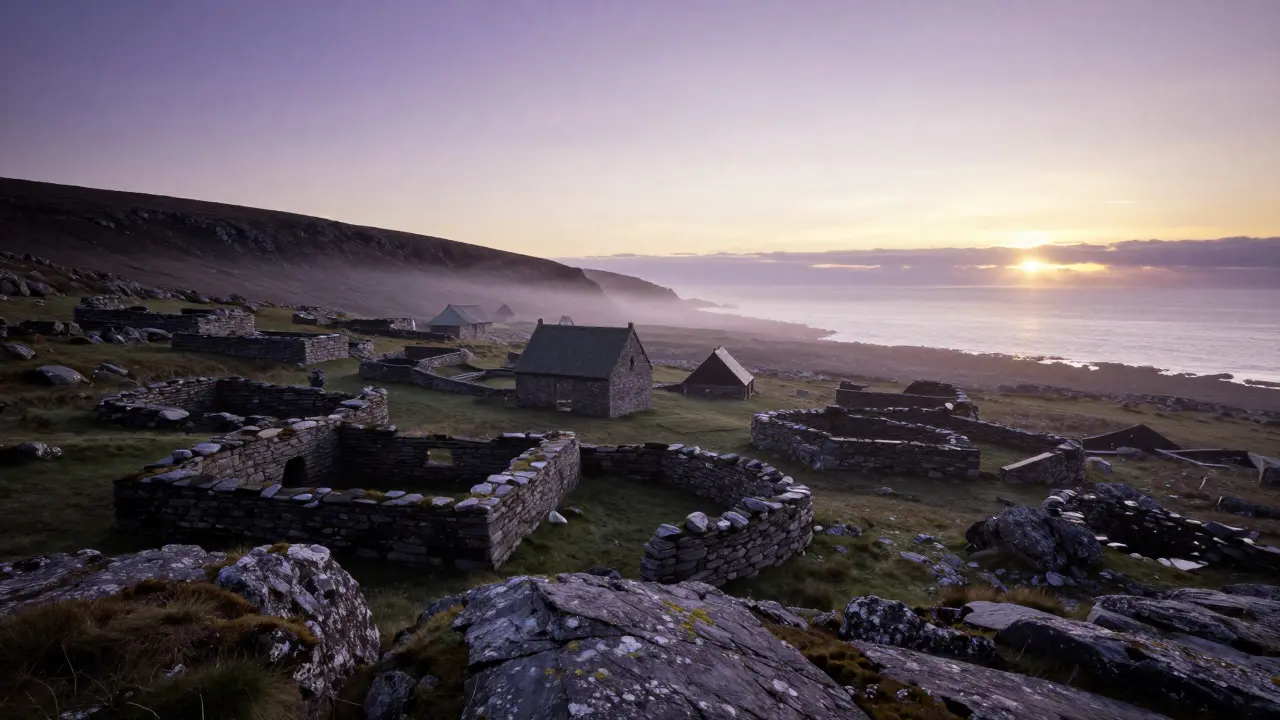
In Shetland, the archaeology is more scattered. Walking through the ruins of Jarlshof is a highlight. It is a unique site because it contains dwellings from the Neolithic, Bronze Age, Iron Age, and the Viking era all in one spot. Walking through these layers of history, you can see how the houses evolved from simple huts to complex longhouses, all while the wind howls off the Atlantic, just as it did 2,000 years ago.
Practical Tips for a Successful Trip
Timing is everything. If you visit in mid-winter, you'll have a few hours of dim light and a lot of rain. The sweet spot is from late May to August. This is when the puffins are on the cliffs and the days are incredibly long-in some parts of Shetland, it barely gets dark, allowing for late-evening walks that feel like perpetual twilight.
Respect the "Right to Roam." While Scotland has generous access laws, the Northern Isles have a lot of active farmland. Always keep your dog on a lead, especially around sheep, and stick to the paths where they exist. The peat bogs can be treacherous; if the ground feels spongy, don't push forward-find a way around. A small mistake in navigation can lead you into a mire that is incredibly difficult to exit.
When is the best time to see puffins in Orkney and Shetland?
The best window is between mid-April and early August. By the end of August, most puffins have returned to the open sea for the winter. For the most crowded colonies, visit Sumburgh Head in Shetland or the cliffs of Yesnaby in Orkney.
Are the walks in these islands suitable for beginners?
Many of the main sites, like the Ring of Brodgar or Jarlshof, have very accessible paths. However, coastal trekking and moorland walks can be strenuous due to the wind and uneven terrain. If you're a beginner, stick to the marked coastal paths and avoid deep moorland treks without a guide.
Do I need a permit to walk on the islands?
Generally, no. Scotland's Land Reform Act allows walking on most unenclosed land. However, always respect "No Trespassing" signs and avoid walking through active crofts or private gardens.
Which is better for hiking: Orkney or Shetland?
It depends on your goal. Orkney is better for those who love history and flatter, more accessible walks between ancient sites. Shetland is better for those seeking rugged wilderness, high cliffs, and a more isolated, "edge-of-the-world" hiking experience.
What should I do if I get lost in the moorlands?
Stay calm and try to backtrack to the last known landmark. If you have a compass and map, use them to orient yourself. If you're truly lost, stay put if the weather is closing in; wandering in a whiteout or heavy fog on the moors is dangerous. Use a whistle to signal for help rather than shouting, as it carries further.
Next Steps for Your Adventure
If you're feeling overwhelmed by the scale of these islands, start with a "hub and spoke" approach. Pick one main town-like Kirkwall in Orkney or Lerwick in Shetland-and do daily excursions. This allows you to keep a warm, dry base and adjust your plans based on the daily weather forecast.
For the more adventurous, consider a multi-day trek across the Shetland mainland, staying in B&Bs or small guesthouses. If you're more interested in the archaeology, spend a few days focusing exclusively on the West Mainland of Orkney, where the density of Neolithic sites is highest. Whatever you choose, remember that the magic of these islands lies in the silence and the space-take your time, breathe in the salt air, and let the landscape tell you its story.
Comments (10)
-
Eric Etienne April 4, 2026
Honestly, who actually enjoys hiking in a place where you can't even find a decent coffee shop every few miles? Sounds like a lot of effort for some rocks and birds.

-
Ashton Strong April 6, 2026
I must say, the emphasis on the correct footwear is absolutely paramount. For those planning a visit, I would highly suggest investing in a high-quality gaiter to prevent peat from entering your boots, as the boggy terrain can be quite deceptive and uncomfortable if not managed properly.

-
Kevin Hagerty April 6, 2026
wow such a great idia to walk in the rain lol’ as if gettin soaked is a vacation activity some people r just weird

-
Dylan Rodriquez April 6, 2026
There is something deeply humbling about standing in a landscape that has remained unchanged for millennia. It reminds us that we are but a small part of a much larger, ancient story. I believe that embracing the harshness of the wind and the cold allows a person to reconnect with their own inner strength and resilience. It is in these raw, unfiltered environments that we often find the most profound clarity. We should all strive to step outside our comfort zones, as that is where the true growth happens. Nature doesn't ask for our permission to be wild, and there is a beautiful lesson in that surrender. I encourage anyone feeling stagnant in their life to seek out a place that makes them feel small. It is surprisingly liberating to realize how insignificant our daily stresses are compared to the timelessness of a Neolithic circle. Let the Atlantic wind wash away the noise of the modern world and leave only the essence of being. This is not just a trip, it is a spiritual recalibration. May we all find a moment of peace amidst the chaos of the elements. It is truly a gift to witness the earth in its most honest form.

-
Janiss McCamish April 8, 2026
Check the tide tables before hitting St Ninian's Isle. The sandbar can disappear quickly.

-
Amanda Ablan April 9, 2026
Just a quick tip for those visiting the Neolithic sites-please remember to stay on the marked paths to protect the fragile soil. It's easy to wander off when you're excited, but the preservation of these sites depends on all of us being mindful.

-
Kendall Storey April 9, 2026
Total game changer to hit these spots. If you're going full send, make sure your kit has a high hydrostatic head rating or you're just wearing a sponge. The wind chill factor is no joke, so layer up with some merino base layers to keep the core temp stable while you're grinding through those moorlands. Get after it!

-
Yashwanth Gouravajjula April 10, 2026
The Viking history here is fascinating. Truly a bridge between cultures.

-
Meredith Howard April 10, 2026
the historical layers at jarlshof are simply mesmerizing i wonder how the climate shift impacted the transition from bronze to iron age dwellings here

-
Richard H April 11, 2026
I'll stick to the trails back home in the States where we actually have some real mountains and not just some windy islands in the middle of nowhere!
