
Standing on the bridge in Selkirk, looking down at the Yarrow Water, you can almost hear the ghost of a ballad. Or maybe that’s just the wind through the trees. But for anyone who loves words, Scotland isn’t just a place with pretty hills; it’s a library with no walls. The landscape is written into the stories, and the stories are written into the stone. If you’re planning a trip, don’t just look for castles. Look for the houses where Robert Burns was born, where Sir Walter Scott went bankrupt, and where Robert Louis Stevenson learned to fear the fog.
The Ploughman Poet’s Birthplace
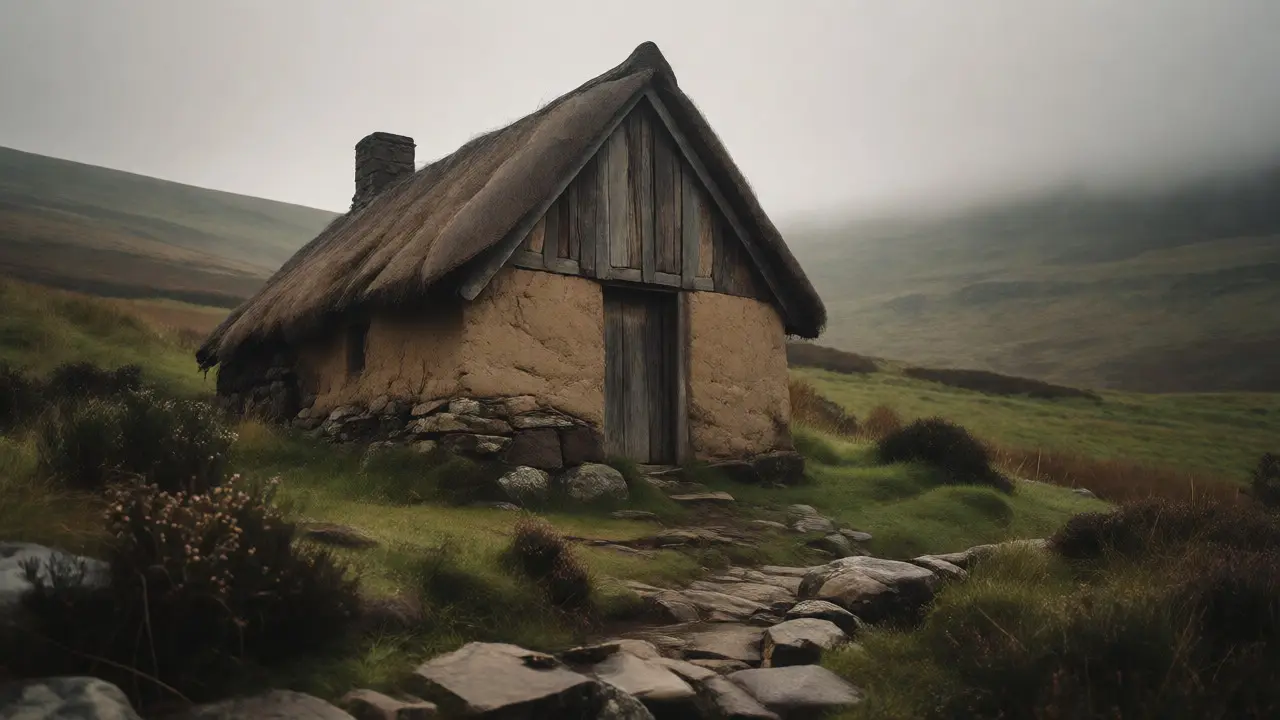
Most people know Robert Burns (1759-1796) as the National Bard of Scotland, famous for "Auld Lang Syne" and his passionate poetry about love and nature. But knowing the poems is one thing; standing in the room where they were written is another. Burns’ Cottage in Alloway, South Ayrshire, is small. Really small. It’s a two-room mud-walled shack that looks like it should have collapsed centuries ago. Yet it stands, preserved by the National Trust for Scotland.
Why does this matter? Because context changes everything. When you see the single window, the low ceiling, and the simple bed, "To a Mouse" stops being a school assignment and starts feeling like a confession. You realize he wasn’t writing from a ivory tower. He was writing from a dirt floor. The nearby Burns Monument Centre in Ayr offers a modern counterpoint, using interactive exhibits to explain how a poor farmer’s son became a global icon. If you visit in late January, you’ll join thousands for Burns Suppers, but honestly, the quiet solitude of a Tuesday morning in October is better for reflection.
Abbotsford: The House That Debt Built
If Burns represents rural struggle, Sir Walter Scott represents romantic excess. His home, Abbotsford, near Melrose in the Scottish Borders, is a monument to ambition gone slightly wrong. Scott invented the historical novel. Before him, fiction was mostly polite drawing-room talk. After him, it was knights, tartans, and high drama.
Scott bought Abbotsford in 1811 and spent the next twenty years expanding it. He wanted a baronial castle, so he built one. Then he added more towers. Then he filled them with artifacts. By the time he died in 1832, he owed creditors over £100,000-a fortune. The house is chaotic, crowded, and utterly fascinating. You can see his desk, still cluttered with papers, and the library where he wrote Waverley. The garden is equally impressive, featuring rare plants he collected from around the world. It’s a physical manifestation of his mind: vast, eclectic, and slightly overwhelmed by its own content.
| Author | Location | Vibe | Key Feature |
|---|---|---|---|
| Robert Burns | Alloway, Ayrshire | Humble, rustic | Mud-walled cottage |
| Sir Walter Scott | Abbotsford, Borders | Grand, chaotic | Bibliophile’s library |
| Robert Louis Stevenson | Edinburgh & Samoa | Urban, adventurous | Close to Calton Hill |
Stevenson’s Edinburgh: Fog and Fictions
Robert Louis Stevenson didn’t grow up in a cottage or a castle. He grew up in New Town Edinburgh, a grid of Georgian squares that felt suffocating to a sickly boy with an imagination too big for his body. Stevenson suffered from severe lung problems his whole life. This health constraint shaped his writing. He couldn’t travel easily, so he traveled mentally.
You can walk his footsteps in Edinburgh today. Start at Bruntsfield Place, where he lived as a child. The streets are clean now, not the smoky labyrinth of the 1870s, but the layout remains. Stevenson often climbed Arthur’s Seat, the extinct volcano overlooking the city. From there, he could see the Old Town’s crooked alleys and the New Town’s straight lines. This contrast fueled Jekyll and Hyde. The respectable doctor lived in the New Town; the monster lurked in the Old Town’s shadows. Visiting the Writers’ Museum on Lady Stair’s Close gives you access to his personal belongings, including his walking stick and letters. It’s a small space, but it packs a punch if you’ve read his work.
The Borders: Where History Became Myth
While Burns worked in Ayrshire and Stevenson in Edinburgh, the Scottish Borders belong to Scott. This region, bordering England, was historically a violent frontier. Raids, feuds, and bloodshed were daily realities. Scott took these gritty facts and polished them into gold. He created the image of Scotland that tourists buy postcards of: bagpipes, tartan, and noble savages.
A drive along the A7 from Melrose to Jedburgh lets you trace this history. Jedburgh Abbey, half-ruined and haunting, inspired much of his verse. Nearby Dryburgh Abbey, where Scott is buried, sits in peaceful fields. The juxtaposition is stark. Here lies the man who sold the world a fantasy, resting in a real ruin. If you’re interested in the source material, read his Minstrelsy of the Scottish Border. It’s less famous than his novels but shows exactly how he collected local legends and repackaged them for a Victorian audience hungry for escape.
Practical Tips for the Literary Traveler
Planning a literary tour requires some logistics. These sites aren’t always clustered together. Alloway is southwest; Abbotsford is southeast; Edinburgh is central. Here’s how to make it work without burning out:
- Group by Region: Do Ayrshire (Burns) in one day. Do the Borders (Scott) in another. Keep Edinburgh (Stevenson) separate unless you have extra days.
- Check Opening Times: Rural sites like Burns’ Cottage often close earlier in winter. Always verify hours before driving across counties.
- Read Before You Go: Skim the key works. Reading Kidnapped before visiting Edinburgh adds layers to the city’s geography. Reading Rob Roy before going to the Trossachs makes the landscapes recognizable.
- Book Tours Early: Abbotsford tours fill up quickly in summer. Pre-book online to guarantee entry.
Beyond the Big Three
Scotland’s literary map doesn’t stop with Burns, Scott, and Stevenson. Just north of Dundee, in Arbroath, you’ll find connections to J.M. Barrie, creator of Peter Pan. While Barrie is associated with London, his childhood in Kirriemuir heavily influenced Neverland. Walking the streets of Kirriemuir reveals the shops and landmarks that became pirate hideouts and fairy homes in his mind.
Then there’s Glasgow. The city produced Arthur Conan Doyle’s Sherlock Holmes, though Holmes himself is fictional. Doyle studied medicine here under Dr. Joseph Bell, whose deductive skills inspired the detective. Visiting the University of Glasgow’s medical school grounds offers a glimpse into the environment that shaped modern mystery fiction.
And we can’t ignore the contemporary scene. Edinburgh hosts the largest book festival in the world every August. It transforms the city into a hub of authors, readings, and debates. Even if you miss the festival, independent bookshops like Lighthouse Books in Edinburgh or Waterstones on Princes Street offer curated sections on Scottish writers that go beyond the canon.
Why These Locations Matter Today
It’s easy to dismiss literary tourism as dusty nostalgia. Who cares about a dead poet’s bedroom? But these places anchor identity. They show how art emerges from specific conditions. Burns wrote because poverty forced him to observe human nature closely. Scott wrote because history was disappearing under industrialization. Stevenson wrote because illness confined him to his mind.
Visiting these spots connects you to that creative process. You see the constraints that sparked innovation. In a digital age where information is abstract, touching the physical objects-Burns’ plow, Scott’s pen, Stevenson’s coat-grounds the experience. It reminds us that great stories aren’t generated by algorithms. They come from people living in specific places, struggling with specific problems.
Can I visit all three major literary homes in one day?
No, it’s practically impossible. Burns’ Cottage in Alloway is about 4 hours from Abbotsford in the Borders, which is then 1.5 hours from Edinburgh. Attempting this would mean spending most of your day in a car. It’s better to dedicate separate days or weekends to each region to truly appreciate the atmosphere.
Is Abbotsford suitable for children?
Yes, surprisingly. The house has many hidden compartments, secret passages, and interesting artifacts that appeal to younger minds. The gardens are also spacious enough for kids to run around. However, the guided tours can be long, so consider the self-guided audio option if attention spans are short.
What is the best time of year to visit Burns’ Cottage?
January is special due to Burns Night celebrations on January 25th, with haggis suppers and recitations. However, it’s cold and dark. For pleasant weather and fewer crowds, May or September are ideal. The surrounding countryside is green in spring and golden in autumn, matching the pastoral themes of his poetry.
Are there any literary trails in Edinburgh?
Yes, the Royal Mile and Old Town feature plaques marking homes of various writers, including Stevenson and Conan Doyle. There are also organized walking tours focusing specifically on literary history. The Writers’ Museum is a good starting point, offering maps and context for further exploration.
Do I need to read the books before visiting?
You don’t strictly need to, but it enhances the experience significantly. Knowing the basic plot of Waverley or Jekyll and Hyde helps you understand why certain locations feel significant. At minimum, familiarize yourself with the biographies of the authors to grasp their motivations.