
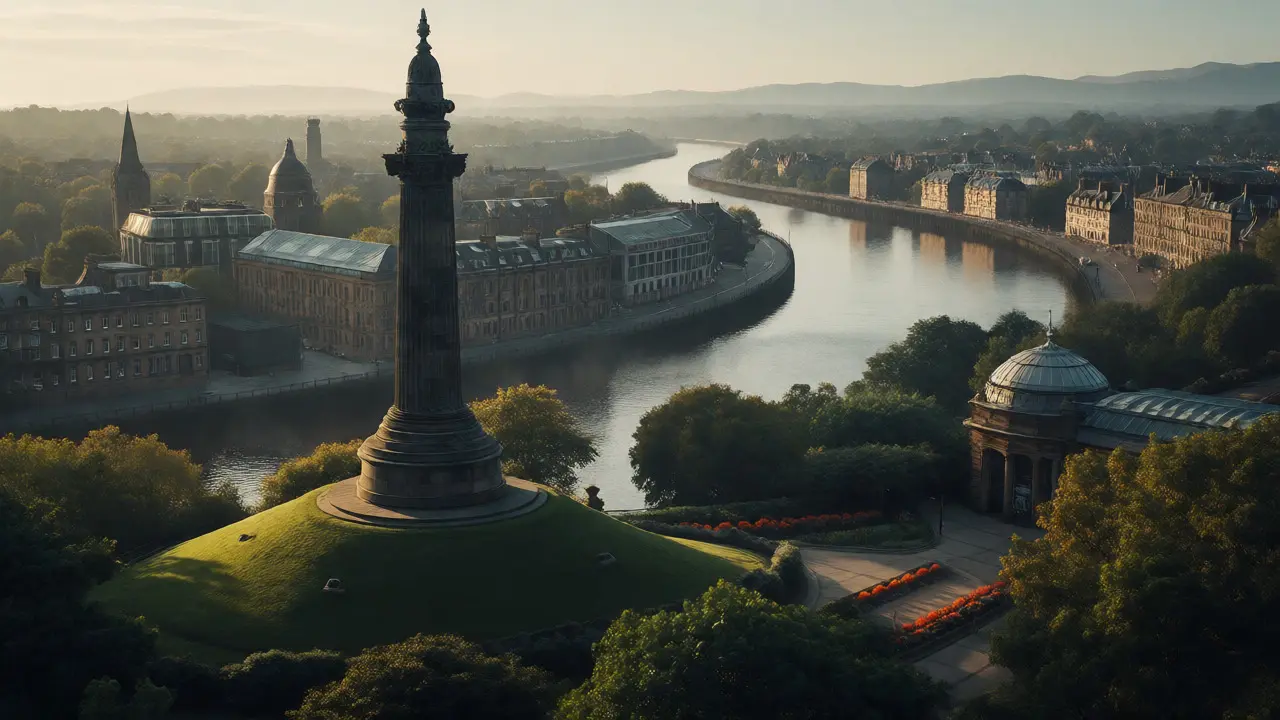
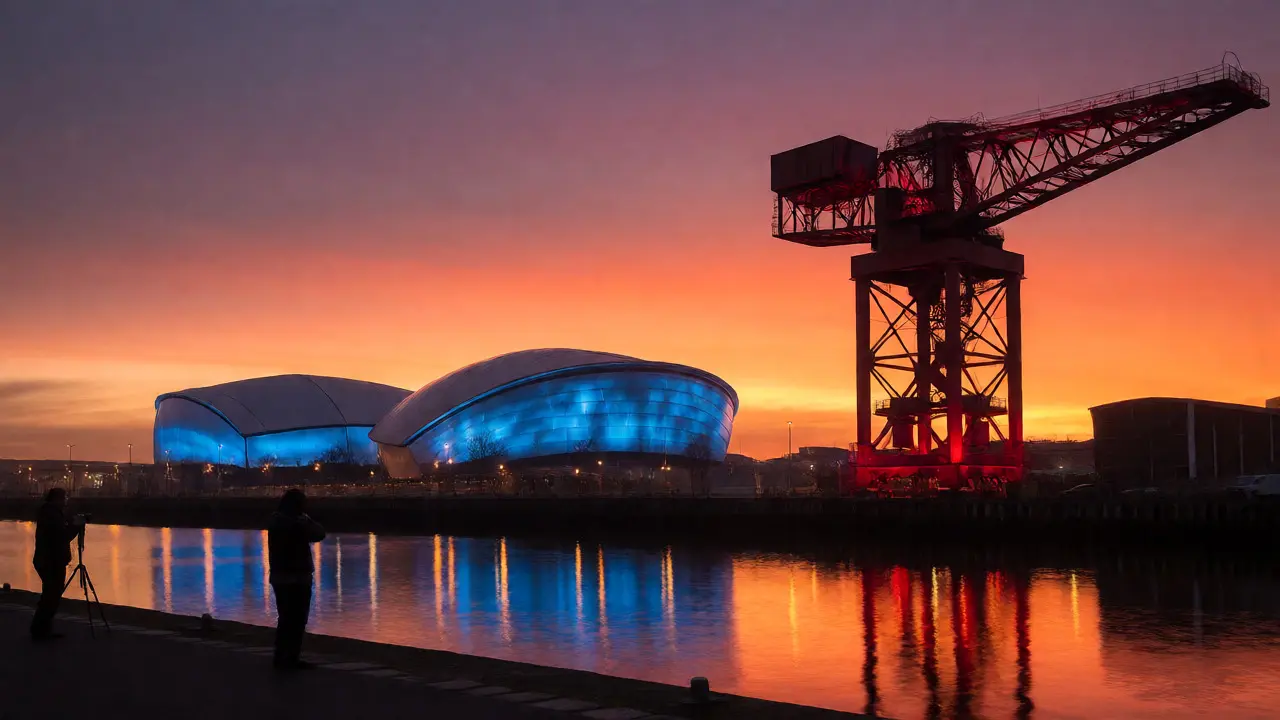
You’ve probably seen the photos. The sleek curves of the SSE Hydro glowing at night, the red steel arches of the Finnieston Crane standing like a sentinel, and the historic ships bobbing gently in the water. But here’s the thing about the River Clyde in Glasgow: pictures don’t do it justice. You have to feel the wind coming off the water, smell the mix of old iron and fresh rain, and hear the city humming along the banks.
If you’re planning a trip to Scotland’s largest city, skipping the river is like visiting Paris and missing the Seine. It’s the artery that made Glasgow what it is today-a global powerhouse of shipbuilding and industry. Today, it’s a playground for walkers, cyclists, and photographers. Whether you have two hours or two days, this guide breaks down exactly how to walk the Clyde, which bridges actually matter, and where to get those shots that make your Instagram look like a travel magazine.
Why Walking the Clyde Beats Taking a Tour Bus
Glasgow is a city you experience on foot. Sure, the subway is charming, but it doesn’t take you along the water. Walking gives you control. You can stop when a building catches your eye. You can duck into a pub when the Scottish drizzle starts. You can stand under a bridge and watch the light change.
The stretch from the Glasgow Green to the Pacific Quay is roughly four miles if you stick to one side, but most people zigzag between banks. That’s fine. The bridges are part of the fun. Each one has a story. Some are engineering marvels from the Victorian era; others are modern sculptures in steel and glass. By walking them, you’re literally crossing through time.
| Zone | Primary Vibe | Best For | Top Photo Spot |
|---|---|---|---|
| Glasgow Green | Historic & Industrial | History buffs, sunrise walks | Nelson Monument view |
| Merchant City | Elegant & Quiet | Architecture lovers | Victoria Bridge symmetry |
| Finnieston | Vibrant & Modern | Foodies, nightlife, views | Finnieston Crane silhouette |
| Pacific Quay | Creative & Futuristic | BBC fans, families | SSE Hydro reflection |
Starting Point: The Glasgow Green and Nelson Monument
Start your walk at the east end. The Nelson Monument sits atop Doulton Hill, offering the best panoramic view of the river bend. From up there, you see the full curve of the Clyde snaking through the city. It’s a great orientation point. Once you descend, you’ll hit the People’s Palace, a museum dedicated to Glasgow’s social history. Even if you don’t go inside, the exterior is stunning, especially with the flower beds in summer.
As you move west, keep an eye out for the Victoria Bridge. Built in 1899, it’s one of the oldest surviving bridges in the city. It’s not flashy, but it’s sturdy. The stone piers contrast sharply with the modern glass buildings further downstream. This juxtaposition is key to understanding Glasgow. The city doesn’t tear down its past; it builds around it.
The Merchant City Stretch: Quiet Elegance
Once you cross Victoria Bridge, you enter the Merchant City. This area was once home to tobacco lords who made their fortunes trading with the Americas. Now, it’s filled with converted warehouses, boutique hotels, and quiet cafes. The vibe shifts here. It’s calmer. Less traffic noise. More cobblestones.
Walk along the south bank towards the King George V Bridge. It’s a concrete beast, functional and plain. But look closely at the railings-they’re original cast iron. If you’re into photography, the early morning light hits the bridge’s underside beautifully, creating geometric shadows on the water.
Don’t miss the Custom House nearby. It’s now a hotel, but the architecture remains grand. The columns remind you that this river was once the gateway to the British Empire. Goods flowed in, wealth flowed out. Standing on the quay, you can almost hear the clatter of horse carts unloading crates.
Crossing Over: The Science Centre and Riverside Museum
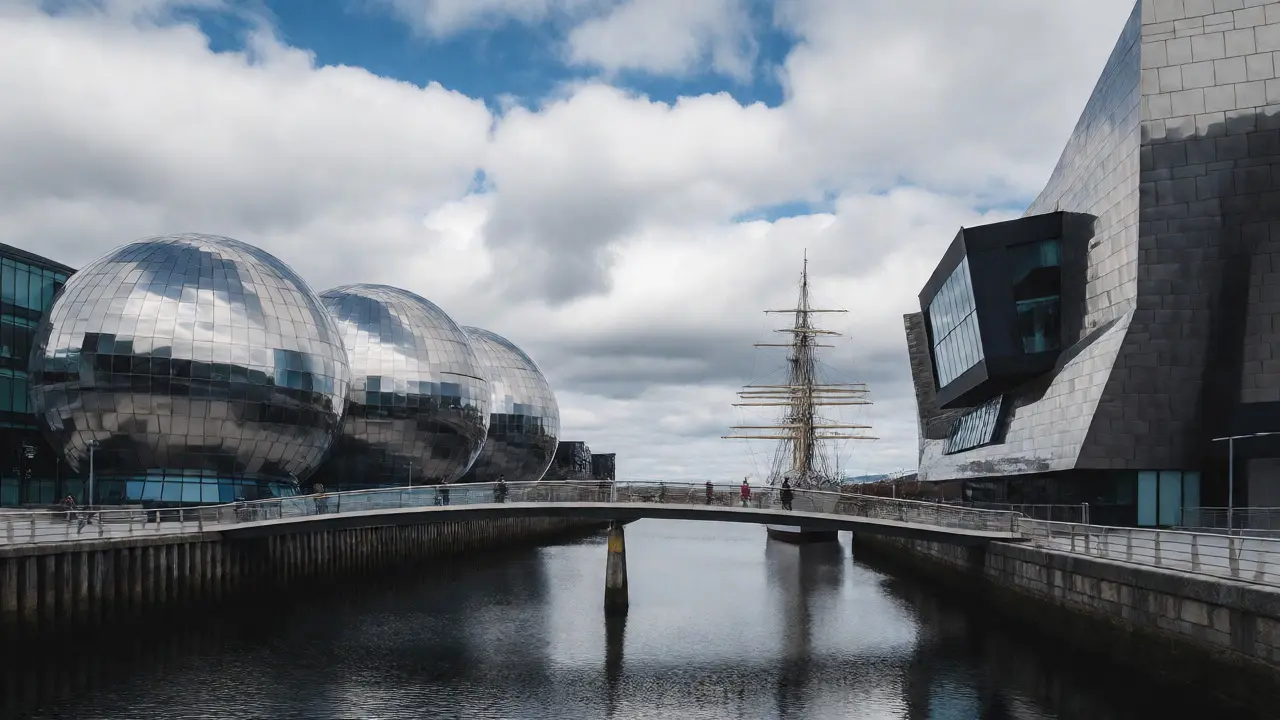
As you continue west, the river widens slightly. Here, you’ll find two major cultural hubs on opposite banks. On the north side sits the Scottish Science Centre, recognizable by its three massive spheres. It’s interactive, loud, and great for kids. On the south side, designed by Zaha Hadid, is the Riverside Museum.
The Riverside Museum is a must-visit. It houses Glasgow’s transport collection-old trams, steam trains, and vintage cars. The building itself is a work of art, with sharp angles and metallic panels that reflect the sky. Take the ferry across (it’s free) or use the pedestrian bridge. The view from the bridge looking back at the Science Centre’s spheres against the grey sky is iconic.
This section of the walk is perfect for midday breaks. There are plenty of benches and food trucks near the Riverside Museum. Grab a coffee, sit on the steps, and watch the boats pass. You might spot the Tall Ship Glenlee, permanently docked nearby. She’s a three-masted barque built in 1896. Climb aboard if you can-it’s surprisingly spacious and smells faintly of tar and salt.
Finnieston: The Heart of the Action
Keep walking west until you reach Finnieston. This is where the energy picks up. The Finnieston Crane dominates the skyline. Known locally as "The Stork," it’s a giant cantilever crane from 1931. It hasn’t lifted a ship in decades, but it stands as a monument to Glasgow’s shipbuilding heyday. When the sun sets, the crane turns black against an orange sky. It’s dramatic. Bring a tripod if you’re shooting after dark.
Finnieston is also the food capital of the West End. You’ll find everything from high-end steakhouses to cheap dumplings. After a long walk, treat yourself. The Ubiquitous Chip is famous, but honestly, just wander into any busy restaurant with a line outside. They won’t let you down.
From here, you can walk along the Clyde Arc, also known as the Squinty Bridge. It’s a single-pylon cable-stayed bridge completed in 2006. It looks like a guitar string plucked by a giant. Walking across it feels different-the deck sways slightly. It’s windy, but the view of the river stretching both ways is unbeatable.
Pacific Quay: Where Old Meets New
Your final destination should be Pacific Quay. This former industrial site transformed into a media and creative hub in the early 2000s. The BBC Scotland headquarters is here, so you might spot a celebrity entering the building. But the real star is the SSE Hydro, a massive concert venue shaped like a giant egg. At night, it glows blue, green, or purple depending on the event.
There’s also the Gallery of Modern Art (GoMA) closer to the center, but Pacific Quay has its own charm. The Scottish Maritime Museum is worth a quick stop if you love naval history. The exhibits are compact but detailed.
For photographers, the Glasgow Tower offers a unique angle. It’s a viewing platform on the roof of the Radisson Blu Hotel. Book ahead. The 360-degree view shows exactly how the river winds through the urban grid. It’s the best place to understand the scale of the city.
Practical Tips for Your Walk
- Weather: Glasgow is rainy. Average rainfall is about 40 inches a year. Always pack a waterproof jacket. Umbrellas rarely help because the wind flips them inside out.
- Footwear: Wear comfortable shoes. The paths are mostly paved, but some areas near the Green are uneven. Avoid heels unless you’re sticking to short sections.
- Timing: Sunrise at Glasgow Green is magical. Sunset at Finnieston is vibrant. Midday can be crowded near tourist spots.
- Safety: The riverbanks are well-lit and patrolled, but stay aware of your surroundings late at night. Stick to main paths.
- Transport: If you get tired, hop on the Subway. The Buchanan Street station is close to the start; Partick station is near the end.
Where to Eat Along the Route
You’ll need fuel. Near Glasgow Green, try The Black Bull for traditional pies. In Merchant City, Stravaigin offers fantastic Scottish fusion food. In Finnieston, you’re spoiled for choice. Arbuckle serves incredible burgers. Near Pacific Quay, The Gannet is upscale but worth it for seafood lovers. Don’t forget to try Irn-Bru. It’s orange, fizzy, and tastes like bubblegum mixed with rust. Locals swear by it.
Final Thoughts
Walking the Clyde isn’t just about seeing sights. It’s about feeling the rhythm of Glasgow. The city is resilient. It took a beating during deindustrialization but rebuilt itself with creativity and grit. Every bridge tells a story of connection. Every warehouse turned loft apartment speaks to renewal.
So lace up your boots. Check the forecast. Head to the river. You’ll leave with sore feet, a full camera roll, and a deeper appreciation for why Glaswegians call their city the "Dear Green Place."
How long does it take to walk the entire River Clyde?
A continuous walk from Glasgow Green to Pacific Quay takes about 1.5 to 2 hours at a moderate pace without stops. However, if you plan to visit museums, eat lunch, and take photos, budget half a day (4-5 hours). Most visitors prefer doing it in sections over multiple days.
Is the River Clyde walk safe at night?
Generally, yes, especially in the central areas like Finnieston and Merchant City, which are well-lit and busy with people dining out. However, quieter stretches near Glasgow Green can feel isolated late at night. Stick to populated areas if you’re walking alone after dark.
Can I cycle along the River Clyde?
Yes, much of the riverside path is shared-use for pedestrians and cyclists. The National Cycle Network Route 75 follows the Clyde closely. Just be mindful of pedestrians, especially near popular attractions like the Riverside Museum where crowds gather.
What is the best time of year to walk the Clyde?
Summer (June-August) offers long daylight hours and warmer weather, making it ideal for evening walks. Spring and Autumn provide beautiful lighting for photography but require rain gear. Winter walks are crisp and clear, though cold, with fewer tourists.
Are there public toilets along the route?
Yes, there are facilities at Glasgow Green, near the People’s Palace, at the Riverside Museum, and in shopping centers near Finnieston. Plan accordingly, as gaps between facilities can occur in quieter stretches.
Comments (10)
-
Zach Loescher September 19, 2026
The section on the Finnieston Crane really resonated with me. I visited last year and the contrast between that industrial relic and the modern SSE Hydro is genuinely striking. It makes you think about how cities evolve without erasing their history completely.

-
Quintin Franzese September 19, 2026
"Pictures don't do it justice" is such a cliché but here it’s actually true. The smell of old iron and rain is something no filter can capture. Also, if you’re not ready to walk four miles just because someone said "it's fine," maybe stick to the tour bus after all.

-
john randall September 20, 2026
Good breakdown of the zones. The table at the start is super useful for planning. I did the walk from Glasgow Green to Pacific Quay last summer and the Nelson Monument view was definitely the highlight for orientation. Definitely agree with skipping the subway for this specific route.

-
Alyson Karson September 22, 2026
Dude seriously go there its amazing!!
I went in August and the light on the river was insane. Just make sure u wear proper shoes bc cobblestones are rough on feet. Also Irn-Bru is weirdly addictive lol

-
Chris Neal September 23, 2026
While the guide is decent, it misses some critical historical context regarding the Clyde Navigation Trust. The engineering feats required to dredge the river were monumental. Also, the mention of the Tall Ship Glenlee is good, but visitors often miss the nearby exhibits on the maritime industry's decline which adds necessary depth. You should also note that the "Squinty Bridge" sways noticeably more than described, which can be disorienting for those with balance issues. The advice on footwear is sound, but one should also consider waterproof trousers given the spray levels near the bridges during high tide.

-
Vishnu Vardhan Reddy M S September 24, 2026
Haha love the sarcasm Quintin. But honestly, walking is the best way to soak up the vibe. I did a similar walk along the Hooghly in Kolkata and the chaos vs order dynamic is fascinating. If you have two days, definitely split it up as suggested. Don't try to rush it or you'll miss the details.

-
Kyle Ware September 25, 2026
agreed on the weather tip
umbrellas are useless there
i learned that the hard way
wear a hooded jacket instead
also the free ferry at the science centre is a great hack to save energy

-
Iva Grekova September 25, 2026
This looks like such a lovely itinerary! I've been wanting to visit Glasgow for ages. The idea of zigzagging between banks sounds fun and less tiring. Thanks for mentioning the food spots too, finding good local eats is half the battle when traveling.

-
Onyinyechi Nwosu September 27, 2026
the part about the custom house being a hotel now is interesting
architecture always tells the story of wealth and change
hope i get to see the crane at sunset someday

-
Chandan Singh September 27, 2026
The comparison to Paris and the Seine is apt, though perhaps slightly hyperbolic given the distinct cultural differences. However, the emphasis on the "Dear Green Place" moniker is well-placed. Glasgow’s green spaces integrated into the urban fabric are indeed underrated globally. One minor correction: the BBC headquarters is technically adjacent to Pacific Quay rather than strictly within the immediate quay perimeter, but close enough for practical purposes.
