
Imagine walking through a misty Highland glen and turning a corner to find a massive steel spider staring back at you. Or perhaps you're hiking the Pentland Hills near Edinburgh and stumble upon a series of stone monoliths that seem to have grown out of the earth itself. This isn't a fever dream; it's a Tuesday afternoon in Scotland.
We often think of art galleries as white-walled rooms with hushed voices and velvet ropes. But some of the most powerful artistic experiences in this country happen outside, under open skies, where the weather is part of the medium. Sculpture parks are not just collections of statues on plinths. They are immersive environments where landscape, history, and contemporary art collide. If you live here or are visiting, you are surrounded by world-class outdoor art that costs nothing to see and requires no ticket queue.
Why Scotland Is a Global Hub for Land Art
Why does a small nation in the north of Europe punch so hard above its weight in outdoor sculpture? It comes down to geography and heritage. Scotland’s dramatic landscapes-from the rugged west coast to the rolling Borders-provide a canvas that demands scale. Artists like Andy Goldsworthy, who lives in Dumfries and Galloway, use the natural environment as their primary material. His work isn't just placed in nature; it is made of nature.
The concept of Land Art is an art movement that emerged in the late 1960s, characterized by works created directly in the landscape using natural materials such as soil, rock, and vegetation has found a spiritual home here. The isolation allows for experimentation. You can build a spiral of stones on a remote island without worrying about city council permits or noise complaints. This freedom has attracted international heavyweights to create permanent installations across the country.
But it’s not all about high-concept minimalism. Many Scottish sculpture parks are deeply rooted in local industry and history. From coal mining heritage in Fife to textile traditions in the Borders, the art tells the story of the people who lived there before us. When you visit these sites, you aren't just looking at objects; you are reading a landscape written in stone, metal, and wood.
The Big Three: Must-Visit Sculpture Parks
If you’re planning a trip, three locations stand out for their accessibility, variety, and sheer impact. These are the anchors of any Scottish art trail itinerary.
Kelpies and The Helix Park (Falkirk)
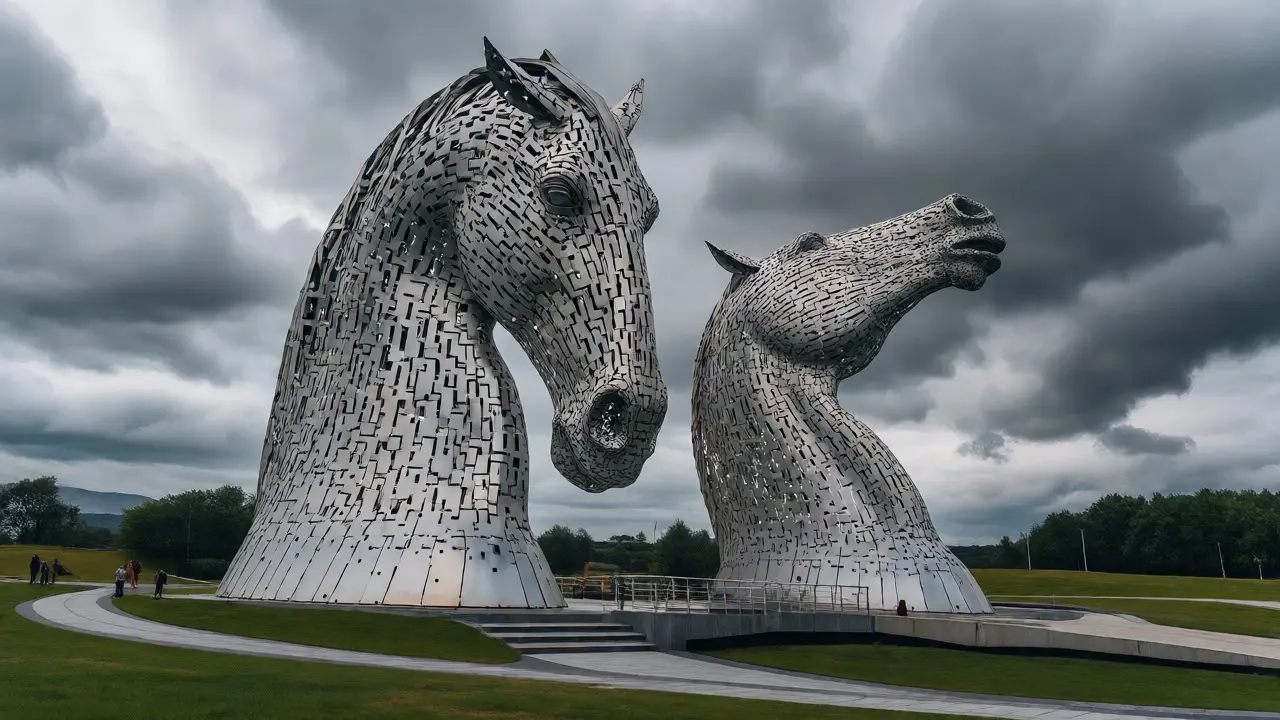
You’ve seen them on Instagram. The Kelpies are two 30-meter-high horse-head sculptures designed by Andy Scott. Located in The Helix Park a 350-hectare parkland site connecting the towns of Falkirk and Grangemouth via the Forth and Clyde Canal, they are the largest equine sculptures in the world. But don’t let the photo op fool you into thinking this is just a tourist trap. The engineering is staggering. Each head weighs 300 tonnes and is clad in stainless steel mesh that changes color with the light.
The surrounding park is a masterpiece of landscape architecture. It features winding paths, wetlands, and smaller art installations that reward those who wander off the main path. It’s free to enter, well-maintained, and offers a genuine sense of place. The proximity to the M9 motorway makes it one of the most accessible cultural sites in Central Scotland.
Muirland Historic Park (East Lothian)
Just 20 minutes from Edinburgh, Muirland Historic Park blends industrial heritage with modern art. Once a coal mine, the site now hosts works by major international artists. The centerpiece is often overlooked but brilliant: the "Pit Pony" memorials and the large-scale works that utilize the old slag heaps and railway lines.
What makes Muirland special is its integration of play and art. Families can spend hours here because the sculptures are interactive. You can climb on certain structures, walk through tunnels, and explore the reclaimed woodland. It proves that public art doesn’t have to be elitist. It’s a community space first, and an art gallery second.
Dundee Contemporary Arts and Riverside Walks
As someone living in Dundee, I have a soft spot for our waterfront. While not a single enclosed "park," the stretch along the River Tay is dotted with significant public art. The V&A Dundee building itself is a sculptural landmark, but look closer at the plaza and the adjacent Discovery Point. Here you’ll find works that reflect the city’s maritime and jute heritage.
The annual Dundee Design Festival also transforms parts of the city into temporary sculpture gardens. Keep an eye on local listings if you visit in September, as new installations often appear for short durations, creating a dynamic, ever-changing outdoor museum.
Hidden Gems: Off-the-Beaten-Path Trails
Beyond the famous names, Scotland hides dozens of smaller trails that offer intimate encounters with art. These spots are less crowded and often more profound because of their solitude.
The Forest of Dean Sculpture Trail (Dumfries and Galloway)
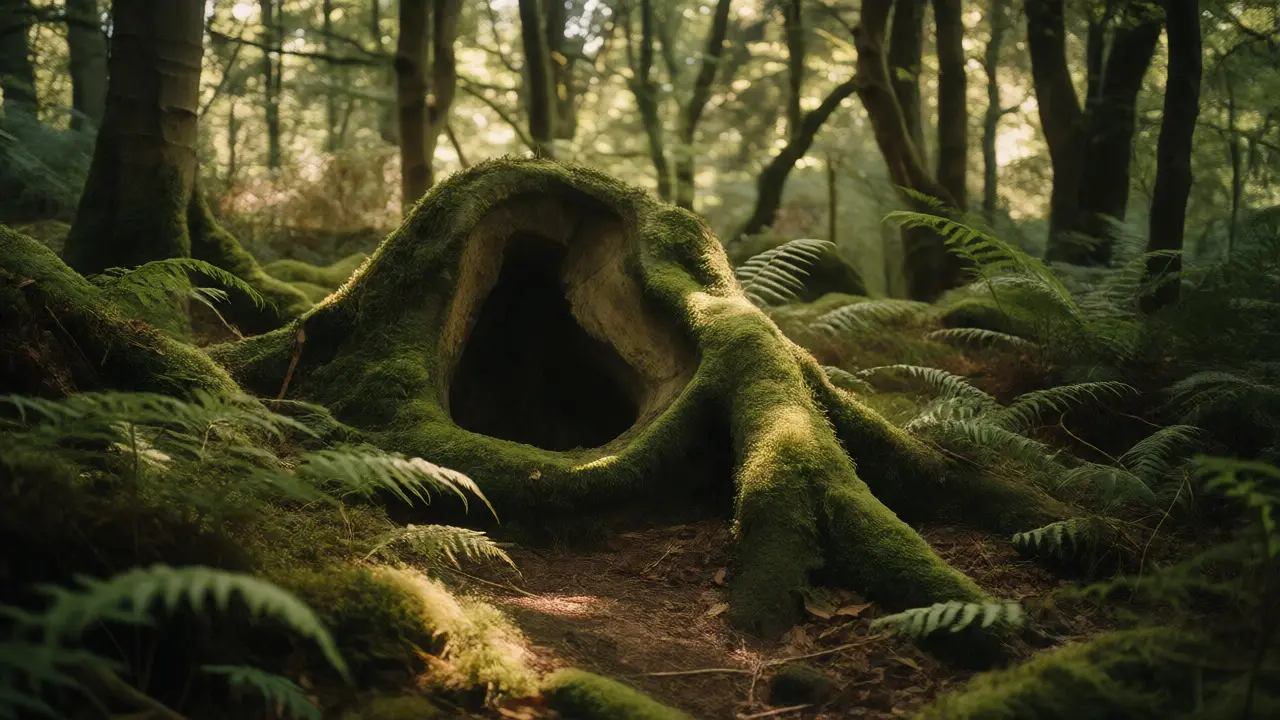
Not to be confused with the English Forest of Dean, this trail in southern Scotland is a masterclass in subtle integration. Created in the 1980s, it features works by artists like David Nash and Richard Wilson. The art here is quiet. You might miss a carved tree trunk if you’re rushing. It rewards slow walking. The forest floor is covered in moss and ferns, and the sculptures emerge slowly from the greenery, blurring the line between human creation and natural growth.
Lanarkshire’s Coalfields Heritage Park
In North Lanarkshire, the legacy of coal mining is preserved through both museums and outdoor sculpture. The area around Motherwell and Coatbridge features several installations dedicated to the miners’ strike and the industrial past. One notable piece is the "Miner’s Lamp" memorial, which uses light and shadow to evoke the darkness of the pits. It’s a poignant reminder of the human cost behind the energy that powered Scotland’s economy.
The Borders: Hawick and Galashiels
The Scottish Borders town of Hawick hosts a unique collection of wool-themed sculptures. Given the region’s history as a center for tweed production, artists have used fleece, yarn, and traditional weaving patterns to create large-scale outdoor pieces. Walking the Teviot Bank trail, you’ll encounter woven willow structures that reference the textile mills that once dominated the skyline. It’s a niche theme, but executed with such passion that it feels essential to understanding the local identity.
Practical Tips for Visiting Sculpture Parks
Visiting outdoor art is different from going to a museum. The elements are unpredictable, and the context matters. Here is how to get the most out of your visit.
- Check the Weather: In Scotland, rain is inevitable. However, many sculptures are designed to interact with water. Stainless steel looks better when wet; stone reveals texture in the drizzle. Bring waterproof layers, not just umbrellas.
- Wear Proper Footwear: Most trails involve uneven ground, mud, or gravel. Hiking boots are often better than sneakers. You want stability, especially if you’re climbing on interactive pieces.
- Go Early or Late: Lighting changes everything. Midday sun can wash out details, while golden hour creates long shadows that add drama to geometric forms. Plus, you’ll avoid school groups and tour buses.
- Read the Placards: Don’t skip the info boards. Understanding the artist’s intent or the historical context can transform a confusing object into a meaningful narrative.
Comparing Major Scottish Sculpture Destinations
To help you plan your route, here is a quick comparison of the top destinations based on accessibility, type of art, and visitor experience.
| Location | Key Feature | Accessibility | Best For |
|---|---|---|---|
| The Helix Park (Kelpies) | Monumental Scale & Engineering | High (M9 access, parking) | Families, First-time Visitors |
| Muirland Historic Park | Industrial Heritage & Interactivity | High (Edinburgh nearby) | Educational Trips, Kids |
| Forest of Dean (D&G) | Natural Integration & Subtlety | Moderate (Rural location) | Hikers, Art Purists |
| Dundee Waterfront | Urban Maritime Context | Very High (City Center) | Short Breaks, City Dwellers |
The Role of Public Funding in Preserving Outdoor Art
Maintaining outdoor sculpture is expensive. Rust, vandalism, and weather damage require constant upkeep. Much of Scotland’s outdoor art is supported by organizations like Creative Scotland and local councils. When you visit, consider donating if there’s a box, or supporting the local café. These spaces rely on community engagement to survive.
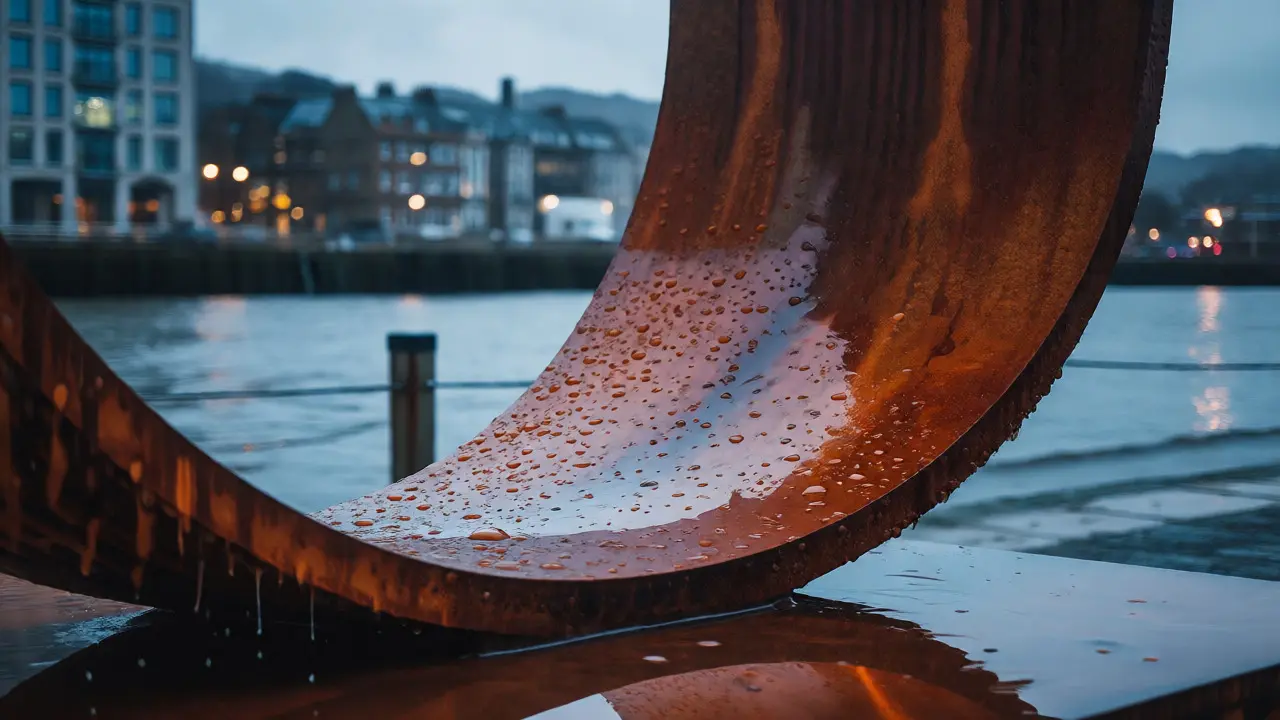
There is also a growing trend of "temporary" installations becoming permanent due to public demand. Artists are increasingly working with durable materials like Corten steel, which develops a protective rust layer, or treated oak, which weathers gracefully over decades. This shift ensures that the art remains relevant without requiring constant replacement.
Creating Your Own Art Trail
You don’t need a car to enjoy sculpture parks. Many cities have integrated art walks. Glasgow, for instance, has a rich tradition of street murals and small plazas with bronze figures. In Aberdeen, the granite architecture provides a stark backdrop for modern abstract pieces.
If you’re interested in photography, these locations offer endless opportunities. The interplay of natural light and man-made form is endlessly fascinating. Experiment with reflections in puddles after rain, or frame a sculpture against the changing colors of autumn foliage. The seasons change the mood of every installation, making repeat visits worthwhile.
Ultimately, Scotland’s sculpture parks invite us to slow down. In a world of digital screens and fast-paced travel, standing still in front of a giant stone or a twisting metal form forces a moment of contemplation. It connects us to the land and to the creative minds that shaped our cultural landscape. So next time you’re driving past a roundabout with a strange shape on it, pull over. Take a look. You might just find something beautiful waiting for you.
Are sculpture parks in Scotland free to enter?
Yes, the vast majority of public sculpture parks and trails in Scotland, including The Helix Park and Muirland Historic Park, are completely free to access. There are no entry fees, though parking charges may apply at some larger sites.
Can I bring my dog to Scottish sculpture parks?
Most outdoor sculpture parks in Scotland are dog-friendly. However, rules vary by location. At places like The Helix Park, dogs are welcome but must be on a lead in designated areas. Always check specific signage upon arrival, as some sensitive conservation zones within parks may restrict pets.
How do I find lesser-known sculpture trails?
Use resources like the Scottish Government’s 'Art in Public Places' database or local council websites. Apps like 'ScotArt' or tourism platforms like VisitScotland often list hidden gems. Additionally, university campuses in Edinburgh, Glasgow, and St Andrews frequently host accessible outdoor exhibitions that are open to the public.
Is the Kelpies sculpture climbable?
No, the Kelpies themselves are not climbable for safety and preservation reasons. However, visitors can walk right up to the base and view them from multiple angles. Inside the heads, there is an exhibition space that is sometimes open for guided tours, offering a unique perspective from within the structure.
What is the best time of year to visit outdoor art in Scotland?
Autumn (September to November) is arguably the best time. The changing leaf colors provide a stunning contrast to metallic and stone sculptures, and the lighting is softer for photography. Summer offers longer daylight hours for extended walks, while winter provides a stark, dramatic atmosphere, especially for land art pieces that emphasize texture and form.