
Planning a trip to Scotland while using a wheelchair involves balancing breathtaking landscapes with real-world infrastructure challenges. You want to see the cliffs of Glencoe, not get stuck on narrow stairs blocking a view you paid for. While many areas are improving, the difference between a welcoming city center and a remote Highland track can mean hours of travel time adjustments. This guide cuts through the marketing fluff to show you exactly what works right now for mobility-impaired travelers in 2026.
Accessible Travel in this region relies heavily on public transport reliability and hotel accessibility standards. Understanding these two pillars before you book saves significant stress once you land.
- Rail Network: ScotRail offers step-free access at major hubs, but local stations often rely on assistive staff presence.
- Accommodation: Look for the VisitScotland Access Rating rather than generic "disability-friendly" claims on booking sites.
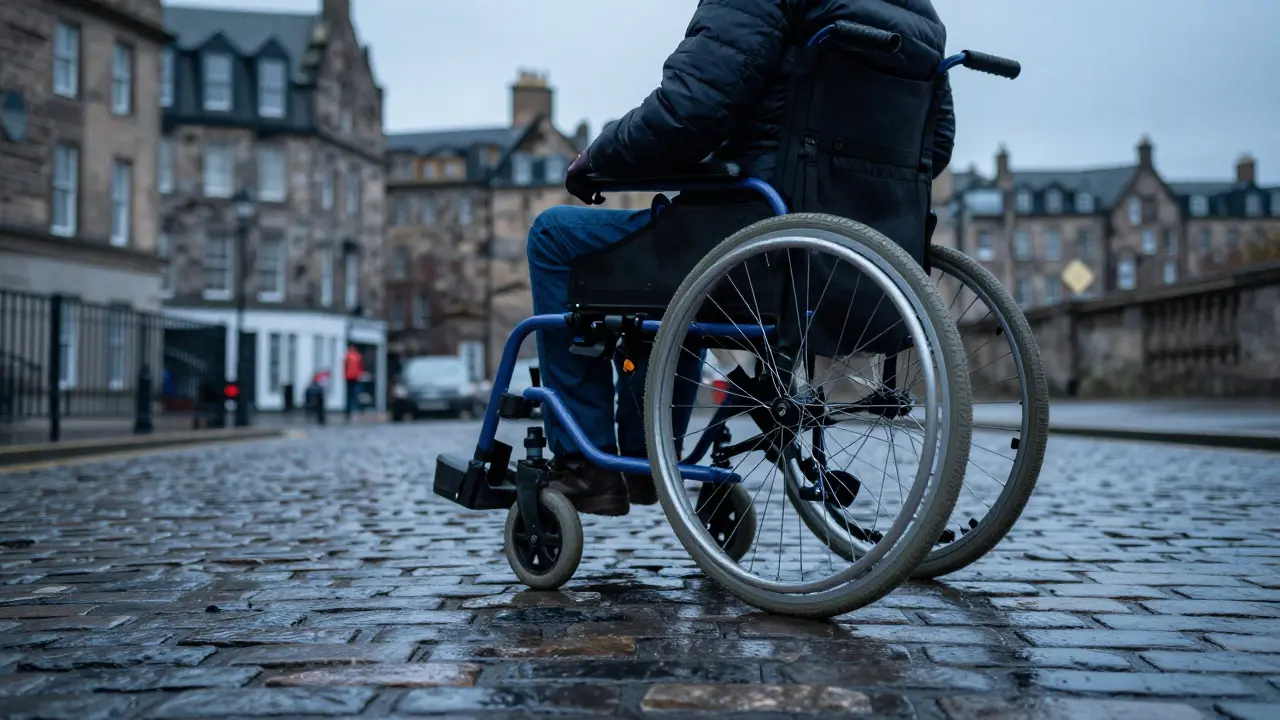
- Terrain: Cobblestones in Edinburgh and unpaved paths in rural spots remain significant barriers for manual chairs.
Navigating ScotRail and Trains
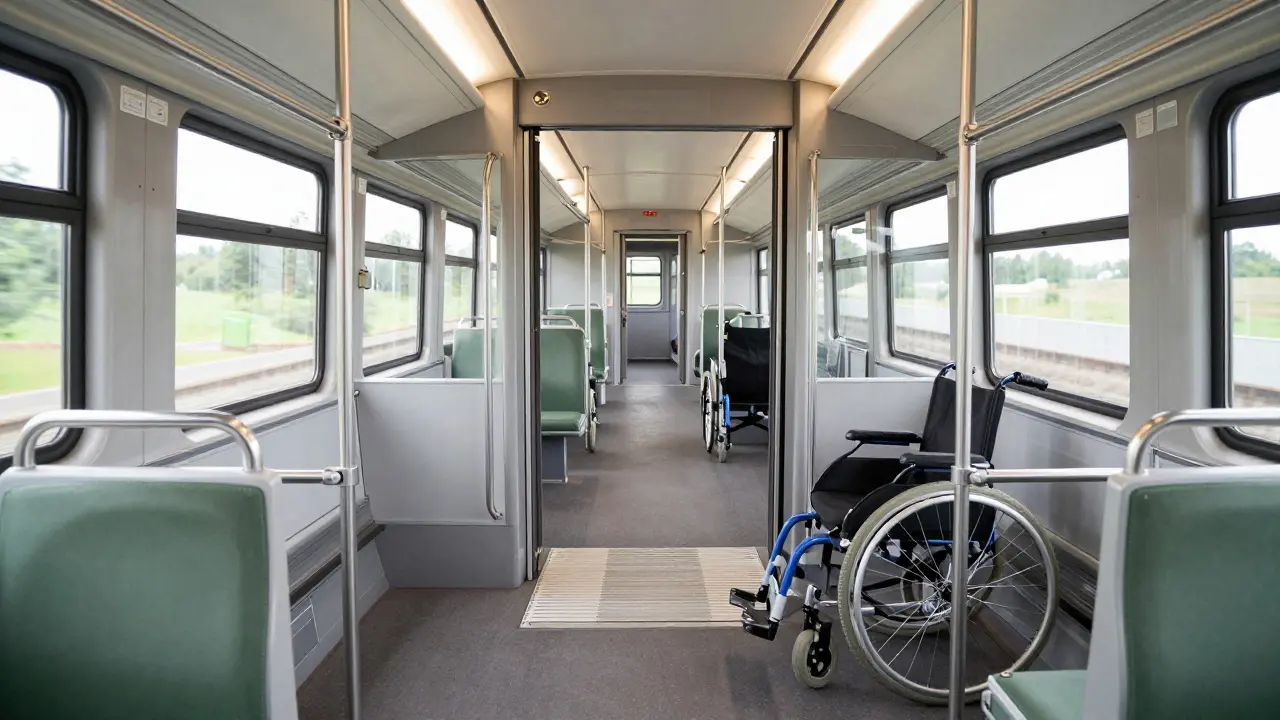
Trains remain one of the most scenic ways to move around the country, but the equipment varies wildly by region. ScotRail operates the national network. If you are traveling from London or Edinburgh, the high-speed rail links generally feature low-floor carriages designed for easy boarding. However, older regional lines still run heritage stock where you might encounter steps.
Before your journey, always check the specific station accessibility profile. A station labeled "step-free" confirms there are no stairs between the platform and the street. But remember, the train itself might not have a designated space for large wheelchairs on every carriage. For long-distance trips like the West Highland Line, contact the operator 48 hours in advance to confirm an accessible carriage is assigned to your ticket. This guarantees space for your chair so you aren't forced into a cramped area during peak hours.
A key strategy is avoiding the very top of the carriage if you need to exit quickly during an emergency stop. Some trains require conductors to deploy a ramp, which takes roughly five to ten minutes. If delays occur due to signal faults, being able to move freely through the aisle helps significantly.
Bus Services and Coaches
Local bus networks like Lothian Buses in Edinburgh are well-equipped with fold-out ramps at the front doors. The drivers are generally trained to operate them safely without assistance from passengers. When traveling outside major cities, Stagecoach buses serve many rural routes.
The limitation lies in frequency rather than vehicle capability. In towns like Oban or Inverness, buses arrive less often, making missed connections riskier if you cannot leave your chair unattended at a busy depot. If you are driving a small van or hiring a specialist taxi service, you gain independence that public buses sometimes restrict. Always check if the route involves steep hills, as older vehicles may struggle on inclines common in Scottish towns like Dumfries.
Citylink coaches provide inter-city connectivity similar to trains but often lack onboard toilets suitable for transferring from a wheelchair. Plan your stops accordingly to avoid being stranded between restrooms.
| Mode | Step-Free Availability | Accessibility Rating | Suitability |
|---|---|---|---|
| ScotRail Main Lines | High | Excellent | Long distances |
| Local Trams (Glasgow) | Very High | Moderate | City hopping |
| Coach Services | Mixed | Fair | Budget regional travel |
| Access Taxis | Guaranteed | Good | Short hops / Airport transfers |
Finding Suitable Accommodation
Booking a room online rarely shows true accessibility details. Photos might hide that the shower requires stepping over a tub lip or that the doorframe is too narrow for power chairs. Rely on independent audits instead of host descriptions. The official government body provides guidance on this.
VisitScotland runs an inspection scheme where they award ratings based on physical assessments of rooms. They categorize properties into levels like "Access," "Mobility Access," or "Hearing Access." When filtering bookings, prioritize those displaying the purple logo of VisitScotland. These properties have been physically checked by an assessor who verifies door widths and bathroom dimensions.
Even with a good rating, call the property directly. Ask specifically about three things: the distance from the main entrance to the room, the type of shower (level access preferred), and whether ground floor rooms are actually available. Many historic castles converted into bed-and-breakfasts have charming staircases that act as bottlenecks even if the room itself is modified.
Getting Around Edinburgh
The capital city has excellent transport links but retains historic charm that conflicts with smooth transit. The Old Town pavement consists largely of granite setts-cobblestones that vibrate violently under wheels. Electric wheelchairs handle this better than manual ones, but wear on tires increases significantly. Stick to New Town streets or specific pedestrian zones where paving is smoother.
Major attractions like the Edinburgh Castle offer lifts, yet queues for these lifts can reach thirty minutes during summer tours. Buying tickets early allows you to plan arrival times when crowds thin out. Alternatively, explore the Royal Yacht Britannia nearby, which was built to accept visitors with mobility aids via dedicated ramps and elevators on board.
Exploring Rural Highlands
The countryside presents the biggest contrast in accessibility infrastructure. While views are spectacular, paths are often grassy tracks or loose gravel. Places like Glen Affric or the Isle of Skye have limited paved walkways. Public transport here is sparse.
For maximum freedom in these areas, hire a vehicle fitted with a ramp lift. Several agencies in Glasgow and Inverness specialize in delivering adapted vans to pick-up points. This eliminates reliance on fixed timetables. National Park rangers often know the seasonally stable paths, but assume some surfaces will become muddy after rain.

Historic Sites and Cultural Access
Many listed buildings predate the concept of disability rights. Historic Environment Scotland manages many key sites and usually provides virtual tours or sensory boxes for those who cannot enter restricted spaces. For example, Stirling Castle has undergone recent renovations to improve elevator access to certain wings, though the dungeon remains inaccessible.
When visiting museums, request audio guides compatible with screen readers if visual impairments accompany mobility issues. Most major galleries offer tactile models of statues or artifacts. Check if the site falls under the Equality Act, which mandates reasonable adjustments even for private historic owners.
Essential Planning Resources
Before booking any part of your itinerary, utilize verified databases. The Sensory Trust offers downloadable maps showing accessible viewpoints. Additionally, the app Lime Connect is a community-driven tool where travelers post real-time photos of entrances and toilet facilities. User reviews in these apps provide granular details-such as "shower seat is slippery"-that official websites omit.
Contact local councils for temporary parking passes. Blue Badge holders can park closer to major sites without finding expensive disabled bays. Having a printed pass speeds up verification compared to digital versions at older toll booths.
Frequently Asked Questions
Are taxis in Scotland generally accessible?
Black cabs in Glasgow and Edinburgh are wheelchair-accessible with a small fee surcharge for special equipment. Outside cities, booking a wheelchair-accessible vehicle in advance is mandatory as standard cars lack space.
Do trains have power outlets for charging chairs?
Modern InterCity trains have 2-pin sockets near seating areas, but voltage compatibility isn't universal. Bring a UK power adapter. Older diesel locomotives do not provide socket access on the lower floors.
How reliable is step-free access at smaller stations?
Stations managed by Network Rail have improved, but some rural halts still require crossing tracks. Staff presence schedules vary, so confirming ramp deployment time with station managers is recommended.
Can I bring my dog into accessible hotels?
Guidelines differ by property. Assistance dogs are permitted under law. Pet dogs require prior consent. Many B&Bs charge extra cleaning fees even if they allow pets.
What happens if I get stuck on uneven ground outdoors?
Carry a portable ramp kit for short slopes. Local police can assist emergencies, but response times are longer in remote glens compared to urban centers. Keep a charged phone for calling 999.
Is parking free for disabled drivers everywhere?
Blue Badge discounts apply in many city centers, but pay-and-display machines still require coins or card top-ups. Always ask at visitor centers for exemption details before leaving your car.
Comments (10)
-
Teja kumar Baliga March 30, 2026
Honestly this breakdown regarding ScotRail is crucial information that gets overlooked way too often.

-
k arnold March 30, 2026
Oh wonderful another guide telling us how much infrastructure sucks while pretending it's actually getting better.

-
Tiffany Ho March 31, 2026
i hope everyone finds what they need because its really important for safe travels

-
michael Melanson April 2, 2026
I think calling ahead forty-eight hours really makes a difference when you want guaranteed space.

-
lucia burton April 2, 2026
When analyzing mobility logistics we must consider the kinetic friction coefficients present on cobbled surfaces versus standard asphalt compounds.
The variance in step-free availability across rural sectors indicates a systemic failure in urban planning directives.
Individuals utilizing power assist devices require consistent voltage standards which are sadly inconsistent on older diesel stock locomotives.
We have to evaluate the torque requirements for navigating inclines found near Dumfries and similar geographies.
Furthermore the ramp deployment latency during emergency stop scenarios presents significant risk factors for rapid egress.
Hotel accommodations often misrepresent their actual compliance metrics regarding doorframe widths in marketing materials.
A thorough audit of VisitScotland ratings suggests a higher probability of successful transit than booking site claims alone.
Battery management systems need careful monitoring when traversing the West Highland Line due to signal delays causing extended idling times.
Public transport reliability indices fluctuate heavily based on seasonal precipitation patterns affecting track conditions.
Accessibility audits should prioritize bathroom dimensions over general aesthetic features within historic castle conversions.
Emergency response protocols differ significantly between dense metropolitan hubs like Edinburgh and isolated glen regions.
Travelers must account for tire degradation rates when plotting routes over granite setts commonly found in Old Town districts.
The lack of universal charging sockets creates dependency on personal power banks which adds weight to cargo loads.
Navigational interfaces on trains often fail to communicate carriage positioning relative to platform elevators effectively.
Ultimately comprehensive route planning requires cross-referencing multiple verified databases to mitigate unforeseen barriers during transit phases.

-
Denise Young April 3, 2026
It is fascinating how people discuss infrastructure without mentioning the underlying economic incentives driving these discrepancies.
One might expect a unified regulatory framework but legacy systems remain stubbornly resistant to modern accessibility mandates.
Your analysis on battery management ignores the sheer variety of charger adapters required across different railway networks.
Perhaps the real issue is prioritizing tourist revenue over genuine inclusive design principles in historic conservation zones.
We see the data but implementation remains patchwork at best across the northern highlands sector.
It is exhausting watching hopeful travelers get stuck due to misleading hotel descriptions despite official ratings existing.
I suppose the romantic idea of Scottish landscapes overrides basic human rights considerations in policy making circles.

-
Sam Rittenhouse April 3, 2026
The thought of being stranded in a remote glen with nowhere to rest truly chills me to the bone.

-
Peter Reynolds April 4, 2026
thanks for sharing this info helps a lot for planning trips down there

-
Fred Edwords April 6, 2026
Actually! The correct terminology for those steps is platforms! Furthermore! The spelling of wheelchair was accurate!

-
Sarah McWhirter April 6, 2026
The timing of those thirty minute lift queues feels suspiciously coordinated with peak tourist traffic surges.
