
Key Takeaways for Your Trip
- Always book your accessibility tickets early; designated platforms often have a strict capacity.
- Check for "Access Maps" on festival websites to plan the shortest route from the parking lot to the stage.
- Request a "Companion Ticket" to ensure your carer or friend can stay by your side for free or at a discount.
- Look for the "Access Hub" or "Welcome Desk" upon arrival for immediate assistance with mobility equipment.
Navigating Viewing Areas and Platforms
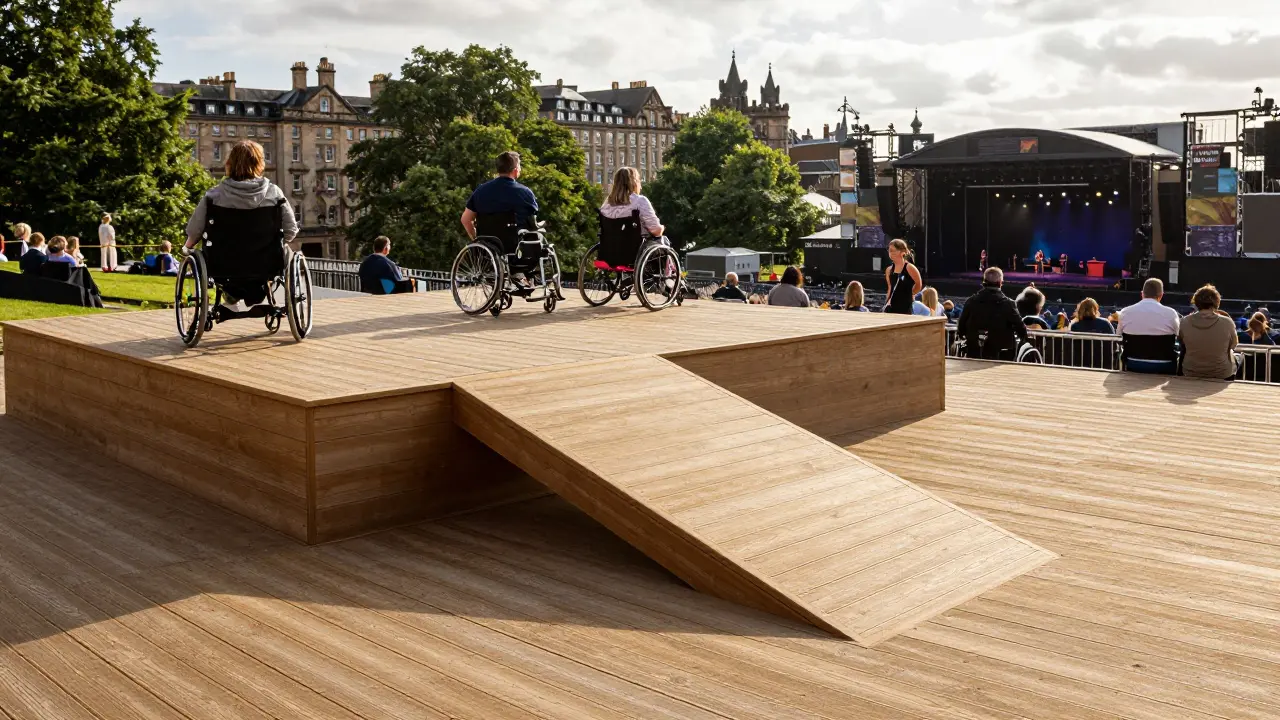
Standing in a crowd for six hours isn't feasible for everyone. Most major Scottish events now provide dedicated viewing areas. These aren't just "spots at the back"; in many cases, they are raised platforms that give you a better line of sight than the general admission crowd. For instance, at the Edinburgh Festival Fringe, many the larger venues have transitioned to tiered seating or specific platforms for wheelchair users.
When you're looking at a venue, check if they offer a "platform" or a "designated area." A platform is usually a physical structure (like a deck) that lifts you above the crowd. A designated area is often a cordoned-off section of the floor. If you're using a heavy power chair, you'll want to confirm if the platform has a ramp with a slope of no more than 1:12-the standard for safe, independent movement.
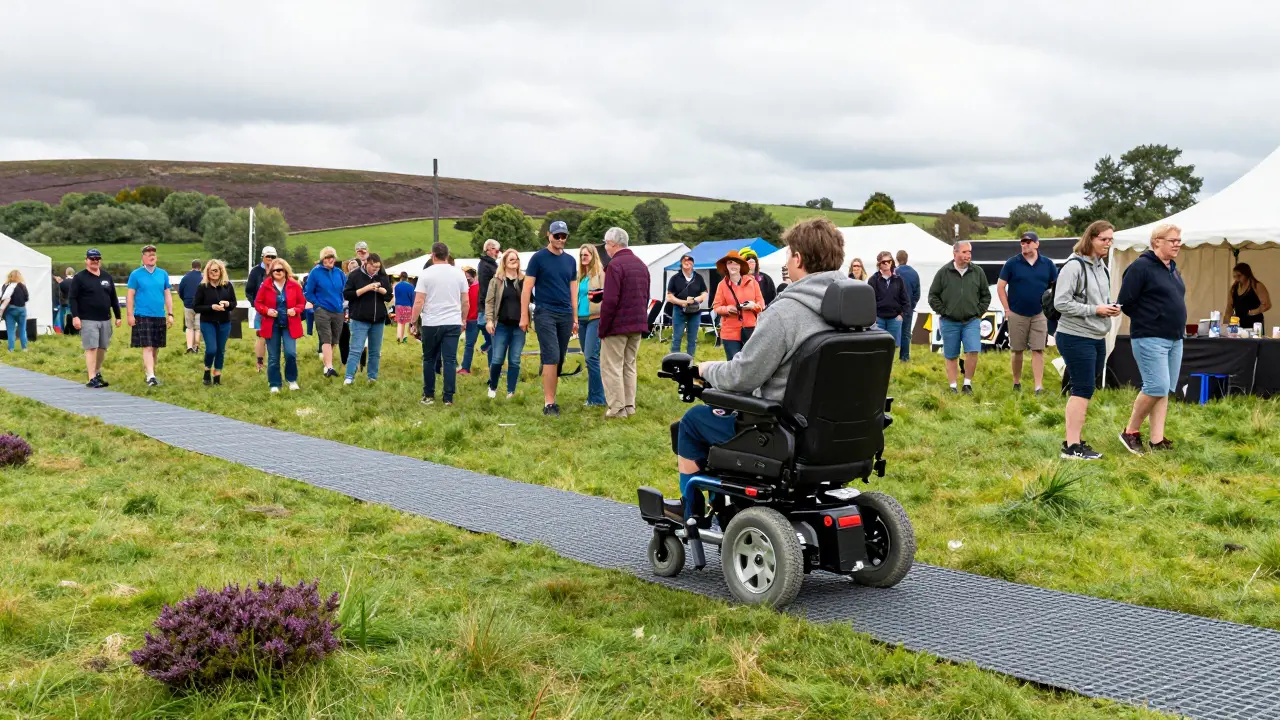
A common pitfall is assuming that "accessible" means "easy to get to." Sometimes the viewing platform is great, but the path to get there is through a field of wet grass. If the festival is held in a park-like many of the Highland Games-ask if they provide "mobi-mats." These are heavy-duty plastic grids laid over mud to prevent wheelchairs from sinking.
| Facility Type | Best For... | Key Attribute |
|---|---|---|
| Raised Platforms | Wheelchair users / Short stature | Elevated sightlines |
| Cordoned Areas | People with anxiety / Mobility aids | Reduced crowd pressure |
| Quiet Zones | Neurodivergent guests / Sensory needs | Low noise and dim lighting |
| Priority Seating | Elderly guests / Chronic pain | Reduced standing time |
Essential On-Site Facilities
The success of a day out often hinges on the "unsexy" details: toilets and charging stations. The standard for accessibility in Scotland has moved toward the Changing Places standard. Unlike a standard disabled toilet, a Changing Places facility includes a hoist and a changing bench, which is vital for adults who need more support than a traditional toilet provides.
If you rely on a power chair, keep an eye out for charging stations. Some larger festivals, like those in Glasgow, provide designated areas where you can plug in your chair's batteries. If they don't, it's a smart move to bring a high-capacity portable power bank or coordinate with the event organizers to find a secure power outlet near the access hub.
Parking is another critical entity. Look for Blue Badge Parking. In the chaos of a festival, these spots are gold. The most accessible festivals provide a shuttle service from the Blue Badge lot directly to the entrance, meaning you don't have to navigate a mile of gravel to get to the music.
Sensory and Neurodivergent Support
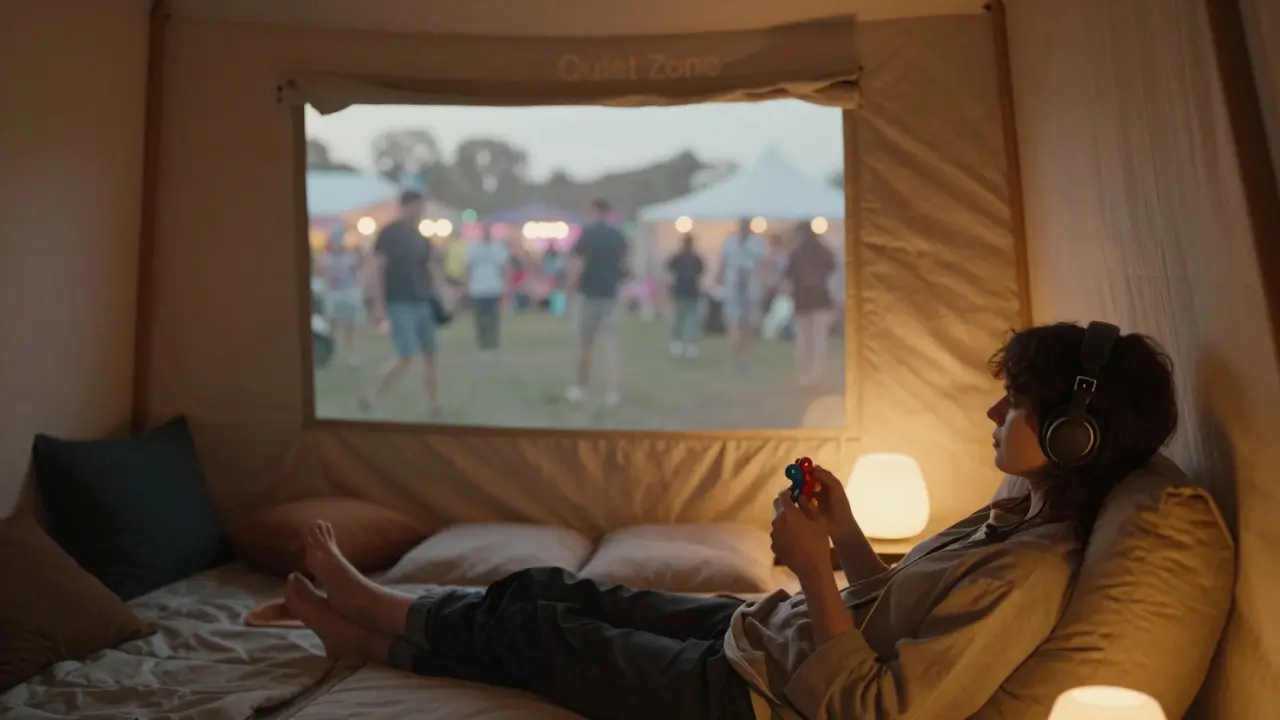
Accessibility isn't just about wheels; it's about how our brains process environments. Huge festivals are loud, bright, and overwhelming. Many events in Scotland now implement "Sensory Bags" available at the gate. These usually contain noise-canceling headphones, fidget toys, and a visual map of the venue.
The introduction of "Quiet Zones" has been a game-changer. These are designated areas, often in a separate tent or a quiet corner of a building, where the music is dampened and the lighting is soft. If you're attending an event with a child who has autism or if you're prone to sensory overload, knowing the location of the quiet zone is just as important as knowing where the stage is.
Practical Steps for Planning Your Visit
- Audit the Venue Map: Look for the "Access Map." If one isn't provided, email the organizers and ask for the specific distance from the disabled parking to the main stage.
- Submit Your Documentation: Most festivals require proof of disability (like a Blue Badge or a doctor's letter) to grant access to platforms. Send these in at least two weeks before the event.
- Test Your Gear: If the event is outdoors, ensure your tires are suitable for the terrain. For example, if you're heading to a folk festival in the Highlands, a chair with larger, pneumatic tires handles the turf better than small caster wheels.
- Plan Your Exit: The end of a festival is often the most chaotic time. Check if there is a designated "accessible exit" to avoid being pushed by the crowd during the rush to the parking lot.
Dealing with Common Hurdles
Despite the best intentions, things can go wrong. You might find that the promised "accessible toilet" is actually just a portable pot with a wider door. If you encounter a barrier, the first point of contact should be the Event Steward. Most Scottish festival staff are trained in basic accessibility awareness, but having a clear, written request of what you need can help them escalate the issue to the event manager faster.
Another hurdle is the "accessibility gap"-where the venue is accessible, but the surrounding streets are not. If you're visiting Edinburgh during August, be aware that the cobblestones in the Old Town can be a nightmare for manual wheelchair users. Using apps that map accessible routes or hiring a local accessible taxi service can bridge this gap.
Do I need to pay for a ticket if I'm using a viewing platform?
Yes, you generally need a standard event ticket to enter. However, the viewing platform itself is a free service provided for accessibility. You should notify the organizer in advance to ensure a space is reserved for you.
Can my companion get a free ticket?
Many festivals in Scotland offer a "Companion Ticket" policy where a designated carer or assistant can enter for free or at a reduced rate. You will usually need to provide evidence of your disability to qualify for this.
What are "mobi-mats" and why do they matter?
Mobi-mats are heavy-duty plastic pathways laid over soft ground or mud. They are crucial for wheelchair users at outdoor festivals to prevent wheels from sinking and to provide a stable, slip-free surface.
How do I find a Changing Places toilet?
Check the event's accessibility map or use the official Changing Places website/app. If the festival is large, they will usually have at least one specialized unit that includes a hoist and adult-sized changing bench.
What should I do if the viewing platform is full?
Immediately find an event steward or go to the Access Hub. While platforms have capacities, organizers can often find an alternative safe spot or rearrange the area to accommodate you if you have a pre-booked reservation.
Next Steps for Visitors
If you're planning your first accessible trip to a Scottish event, start by visiting the "Accessibility" tab on the event's official website. If the information is vague, don't hesitate to send an email asking for a PDF of the site map. For those who prefer a more curated experience, consider looking into travel agencies that specialize in accessible tourism in the UK; they often have inside knowledge of which venues are truly inclusive and which just claim to be.
For a broader look at accessibility, you might want to explore guides on accessible transport in Scotland, such as the modifications available on ScotRail trains or the availability of accessible taxis in cities like Glasgow and Aberdeen.
Comments (15)
-
sumraa hussain April 19, 2026
Omg the idea of those mobi-mats is actually insane!!! Imagine just sinking into the mud forever.... absolute nightmare!!!!

-
Raji viji April 21, 2026
Typical corporate fluff. They talk about 'huge strides' but let's be real, half these venues just slap a ramp on a backdoor and call it accessibility. It's absolute comedy gold how they think a 'sensory bag' fixes a chaotic crowd of ten thousand screaming people.

-
Vishal Bharadwaj April 22, 2026
probly just a way to get more govt funding lol. most of these places are still totaly inaccessible if u actually try to go thier without a guide. the cobblestons in edinburgh are basically a war zone for wheels.

-
Sandeepan Gupta April 23, 2026
It is worth noting that the 1:12 slope mentioned is the gold standard for independent use. If you are planning a trip, I suggest double-checking if the ramp is permanent or temporary, as temporary ramps can sometimes be steeper than advertised.

-
Parth Haz April 23, 2026
This is a wonderful resource for anyone planning a visit. It is heartening to see inclusivity becoming a priority in event planning.

-
Rajashree Iyer April 24, 2026
The struggle to navigate a physical space is but a mirror of the struggle to navigate the human soul in a crowded world. We seek a platform not just to see the music, but to be seen by a society that often forgets we exist in the shadows of their speed. This guide is a beacon of hope in a world of concrete barriers and indifference.

-
Aryan Jain April 25, 2026
Why are they pushing these 'quiet zones' so hard? It's just a way to keep people separate and controlled. First it is a tent for noise and then they just track everything you do in there. Wake up people, the layout of these festivals is designed to funnel you into specific areas for a reason.

-
anoushka singh April 27, 2026
I wonder if the people running these things actually care or if they just do it because they have to. I bet the staff at the 'Access Hub' are just bored and waiting for their break lol.

-
Nalini Venugopal April 28, 2026
I just noticed a few phrasing choices here that could be tightened up, but the intent is crystal clear! Love seeing more awareness for neurodiversity!

-
Agni Saucedo Medel April 29, 2026
The companion tickets are such a lifesaver 💖 honestly makes the whole trip so much more relaxed 🌈✨

-
Pramod Usdadiya April 29, 2026
The scotish highlends are beautifull but the weather is realy unpredictable. Always bring extra rain gear for the chair!

-
Aditya Singh Bisht April 29, 2026
Let's get out there and experience these events! With this kind of planning, anyone can make it happen! Just go for it!

-
Shivani Vaidya May 1, 2026
The inclusion of Changing Places facilities is indeed a significant advancement in public infrastructure
It demonstrates a commitment to dignity for all visitors regardless of their specific needs

-
Rubina Jadhav May 2, 2026
The maps are helpful.

-
Jitendra Singh May 3, 2026
It's great that different needs are being considered here. Glad to see the focus on both physical and sensory access.
