
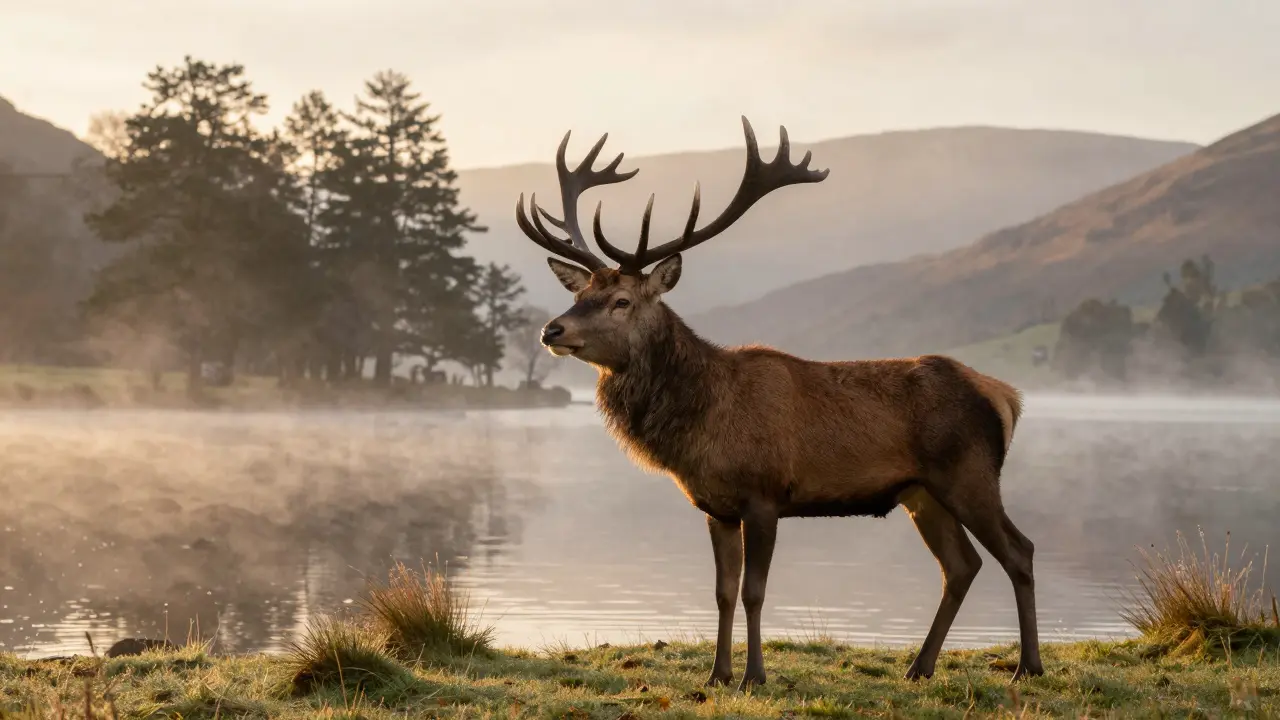
If you’ve ever stood in the misty highlands of Scotland and heard the haunting call of a stag echoing across the hills, you know why red deer are more than just animals here. They’re part of the land’s heartbeat. These majestic creatures aren’t just wildlife-they’re symbols of wild Scotland, with antlers that can span over a meter and bodies built for the rugged terrain. But where exactly can you see them? And when’s the best time to go? This isn’t just a list of spots-it’s a guide built from years of walking these hills, watching the seasons change, and learning how the deer move with the land.
Where to See Red Deer in Scotland
Scotland’s red deer population is the largest in Europe, with estimates around 300,000. But they’re not spread evenly. Some places offer near-guaranteed sightings; others require patience and a quiet step.
- Loch Lomond & The Trossachs National Park - Especially around the eastern shores near Balmaha and Rowardennan. Early mornings here are golden. The deer often come down to drink, and the mist rolls off the water like smoke. Park rangers here know the trails where stags rest after rutting season.
- Aberdeen and the Cairngorms - The Cairngorms National Park holds one of the densest populations. Head to the Glenmore Lodge area or the paths near Loch Morlich. You’ll often see hinds with calves in late spring. The park’s open moorland makes spotting easier than in dense forest.
- Ross of Mull and the Isle of Mull - A quieter option. Deer here are less habituated to humans, so you’ll need to walk farther and move slower. The best spots are around the Ardnamurchan peninsula and the road from Tobermory to Salen. Look for them grazing near the coastal heather.
- Glencoe - Famous for its dramatic cliffs, Glencoe is also a deer hotspot. The deer here are bold. You might see stags near the A82, especially at dusk. But don’t stop on the road-pull into a layby. The Highland Wildlife Park just outside Fort William also has a controlled viewing area if you want guaranteed sightings without hiking.
- Argyll Forest Park - Less crowded than the Cairngorms, this area has deep woodlands where deer shelter. Look for tracks and scat along the trails near Kilmelford. The deer here are more elusive, but the silence when you finally spot one makes it worth it.
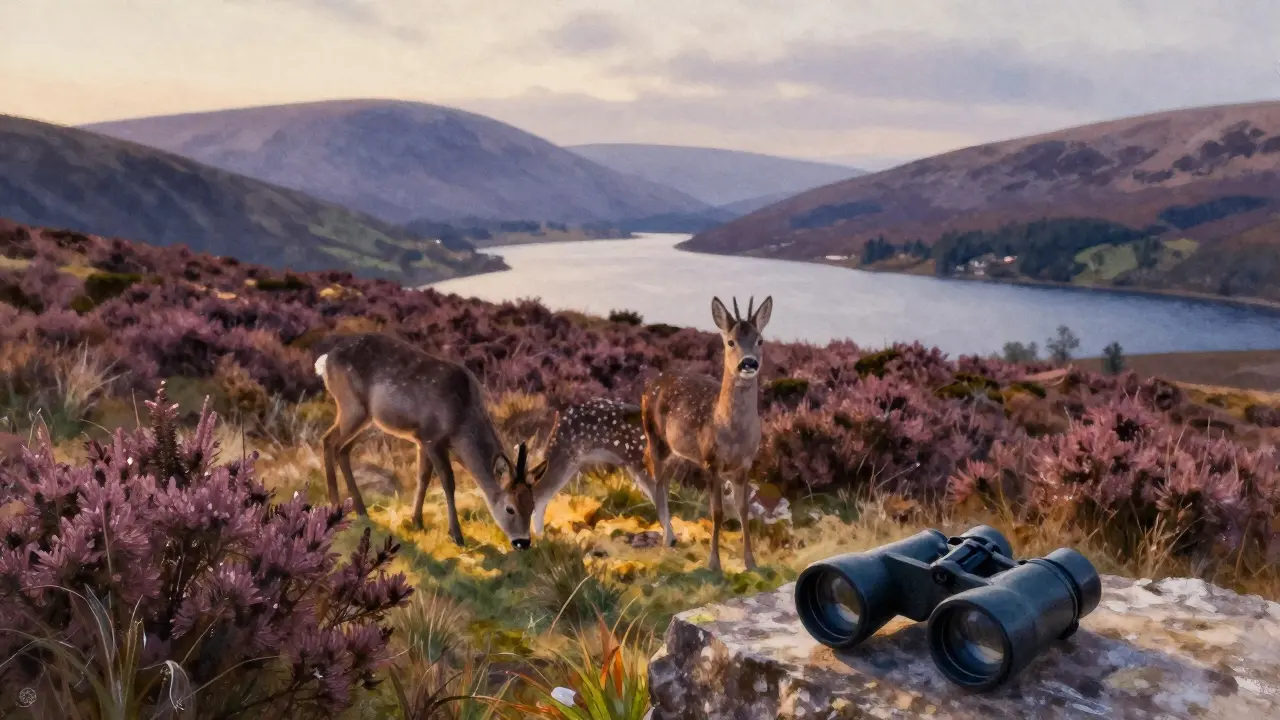
Remember: deer are not zoo animals. They’re wild. The best views come when you’re still, quiet, and patient. Binoculars help. A telephoto lens is better.
Best Seasons to See Stags
Red deer don’t stay the same all year. Their behavior changes with the seasons, and so does your chance to see them.
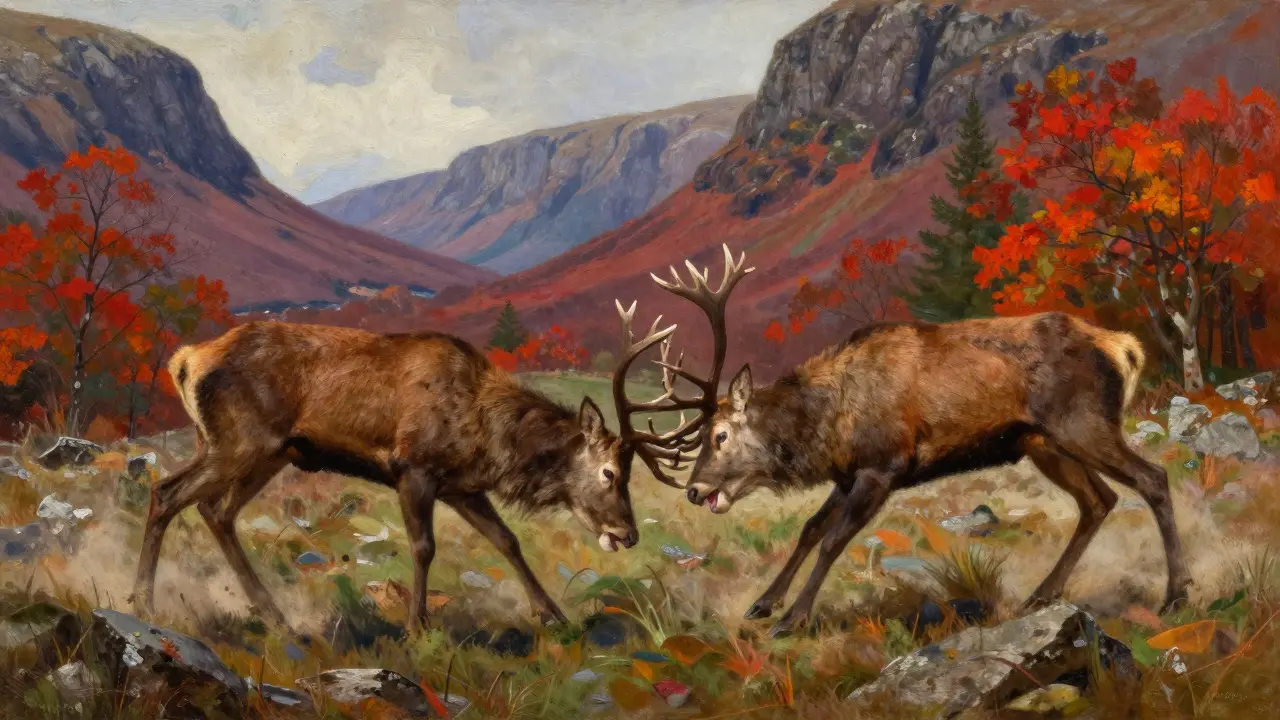
- September to October (Rutting Season) - This is when the stags are at their most dramatic. The rut is a battle for dominance. Males lock antlers, roar, and charge across the hills. The sound of a stag’s roar-deep, guttural, like a bell ringing underwater-can carry for miles. This is the most dramatic time to witness them. But it’s also the most dangerous. Stags are aggressive. Keep your distance. Do not approach. Many tourists get too close for photos. Don’t be one of them.
- November to December - After the rut, stags are exhausted. They’re thin, their antlers are worn, and they move slowly. You’ll still see them, but they’re less active. This is the time to see the last of the year’s calves with their mothers.
- January to March - Winter. The deer are lean, their coats are thick and grey-brown. They gather in small herds on sheltered slopes where snow is lighter. If you’re hiking in the Highlands during this time, you’ll likely see them at dawn or dusk. The snow makes their tracks easy to follow. It’s quiet here. Fewer people. Fewer distractions.
- April to June - Spring. This is when hinds give birth. Calves are born in secluded spots, hidden in bracken or heather. You won’t see the birth, but you’ll see the young ones by late May. They’re small, spotted, and clumsy. The mothers are fiercely protective. Stay far back. A mother deer will charge if she feels her calf is threatened.
- July to August - Summer. The deer are at their healthiest. Their coats are rich red. They’re relaxed, feeding on fresh grass and heather. This is the best time for photography. The light is soft, the colors are vibrant. You’ll see them in open glens, often near water.
For most visitors, September is the sweet spot. You get the drama of the rut, the beauty of autumn light, and the chance to hear the wild call of the stag. But if you want calm, quiet, and clear views, go in July.
What to Bring and How to Behave
Seeing red deer isn’t like visiting a theme park. It’s a quiet ritual.
- Wear muted colors. Bright reds, yellows, or whites will scare them off. Greens, browns, and greys blend into the landscape.
- Bring a thermos. It’s often cold, even in summer. A hot drink helps you stay still longer.
- Use binoculars or a telephoto lens. You don’t need to get close. In fact, getting close ruins the experience-for you and for them.
- Never feed them. Human food damages their digestion. It also teaches them to approach people, which ends badly-for the deer and for you.
- Leave no trace. Pack out everything. Even biodegradable items like apple cores or tea bags can disrupt their natural foraging.
- Stay on marked paths. Straying off-trail damages fragile heathland. It also puts you at risk of getting lost in mist.
- Don’t use drones. The noise stresses the deer. It’s illegal in national parks.
One thing I’ve learned: the best sightings happen when you’re not looking for them. Walk slowly. Stop often. Listen. The deer will often appear when you least expect it-just beyond a ridge, or between two trees.
Common Misconceptions
Many people think red deer are rare. They’re not. They’re everywhere. But that doesn’t mean you’ll see them easily.
Another myth: you can see stags with giant antlers all year. No. Antlers are shed every winter. New ones grow in spring and are fully formed by late summer. The biggest antlers you’ll see are in September, just before the rut. After that, they’re damaged, broken, or lost.
And no, you can’t reliably see them from a car. Deer avoid roads during the day. They move at dawn and dusk. If you’re sitting in your car at 2 p.m., you’ll see nothing.
When to Avoid
Some times are worse than others.
- Public holidays - Especially in September. Crowds increase. Noise increases. The deer vanish. Avoid the A82 near Glencoe on weekends during peak season.
- Midday sun - Deer rest in shade. You’ll see fewer between 11 a.m. and 3 p.m.
- Heavy rain - They shelter. Not worth the soggy hike.
- Full moon nights - They’re more active, but visibility is poor. You won’t see them clearly.
Plan for early morning or late evening. That’s when the light is right, the air is still, and the deer are moving.
Why This Matters
Red deer aren’t just scenery. They’re part of a living ecosystem. Their grazing shapes the heather. Their droppings feed insects. Their presence keeps predators like eagles and foxes in balance.
But they’re also under pressure. Climate change is shifting the seasons. Warmer winters mean less snow cover, which changes their feeding patterns. Habitat loss from overgrazing by sheep and from new developments is shrinking their space.
When you watch them quietly, respectfully, you’re not just seeing a deer. You’re witnessing a species that’s survived ice ages, wars, and human expansion. And if you do it right, you’ll leave with more than a photo. You’ll leave with a memory that stays with you long after you’ve left the hills.
Can you see red deer in Scotland all year round?
Yes, red deer are present in Scotland year-round, but their visibility and behavior change with the seasons. In winter, they gather in smaller groups on sheltered slopes and are harder to spot. Spring and summer offer the best chances to see hinds with calves. Autumn, especially September, is prime time for seeing stags during the rut. They’re most active at dawn and dusk, regardless of the season.
Is it safe to get close to red deer?
No, it’s not safe-and it’s illegal in national parks. Stags can be extremely aggressive, especially during the rut (September-October). Even hinds with calves will charge if they feel threatened. Always keep at least 50 meters away. Use binoculars or a telephoto lens. Never attempt to feed them or lure them closer. Their wildness is what makes them special.
What’s the best camera gear for photographing red deer?
A telephoto lens between 100mm and 400mm is ideal. You won’t need a flash-natural light is best. A tripod helps, especially in low light at dawn or dusk. Use a silent shutter mode if your camera has one. Avoid drones; they stress the animals and are banned in protected areas. Early morning light in July and September gives the richest colors.
Do red deer in Scotland have antlers all year?
No. Male red deer shed their antlers every winter, usually between January and March. New antlers begin growing in spring and are fully developed by late summer. The largest, most impressive antlers are seen in September, just before the rut. After the rut, antlers are often damaged or broken. You won’t see stags with full antlers after November.
Are there guided tours for deer watching in Scotland?
Yes, several wildlife tour operators offer guided deer-watching excursions, especially in the Cairngorms, Glencoe, and Mull. These are led by naturalists who know where to look and when. They avoid crowds and use quiet, ethical methods. Tours usually run at dawn or dusk in autumn and spring. Book in advance-spots fill quickly during peak season.
Comments (12)
-
Amy P March 17, 2026
Oh my god, I saw a stag at dawn in Glencoe last October and I swear it looked me right in the eye like we were having a silent conversation. The mist was rolling, his antlers caught the light like twisted branches made of bone, and he let out this roar that vibrated in my chest like a drum. I didn’t move. Didn’t breathe. Just stood there like a statue. That’s when I knew-this isn’t tourism. This is communion.

-
Ashley Kuehnel March 17, 2026
So glad someone finally wrote this! I took my niece out last June and we saw three calves hiding in the heather-so tiny and wobbly! Mom was totally on guard, pacing back and forth, ears twitching. We backed off slow, no photos, just sat on a rock and watched. Best thing we’ve ever done. Bring a thermos, wear brown, and just be quiet. You’ll be amazed what shows up. Also, avoid midday like the plague-deer nap hard between 11 and 3!

-
adam smith March 19, 2026
Deer are animals. They exist. You go to Scotland. You see them. That's it.

-
Mongezi Mkhwanazi March 19, 2026
Let me be perfectly clear: the notion that ‘September is the sweet spot’ is dangerously oversimplified. You speak of rutting season as if it’s a nature documentary, but the reality is far more brutal-antlers shatter, ribs crack, blood stains the heather, and the victors are left emaciated, trembling, barely standing. This isn’t romantic-it’s Darwinian carnage disguised as poetry. And don’t get me started on tourists with drones-do you know what a stressed stag does when it hears a buzzing machine? It charges. It doesn’t care if you’re ‘just taking a photo.’ It sees a predator. And if you’re not prepared for that, you shouldn’t be there at all.

-
Mark Nitka March 21, 2026
I respect the depth of this guide, but I think we’re missing the bigger picture. Red deer aren’t just about spotting them-they’re about respecting their space. I’ve seen people park right on the A82, jump out with selfie sticks, and yell to get the stag to turn around. That’s not wildlife watching. That’s harassment. The real magic happens when you stop trying to capture them and just let them exist. Walk slow. Sit still. Let them come to you. That’s the real lesson here.

-
Kelley Nelson March 22, 2026
While the sentiment is... charming, I must say, the tone of this piece is alarmingly sentimental. To refer to deer as the ‘heartbeat of the land’ borders on anthropomorphism of the most egregious sort. One does not, after all, attribute metaphysical significance to fauna simply because they are large, or antlered, or even historically persistent. One observes. One documents. One does not imbue them with poetic resonance as if they were characters in a Wordsworthian ode. The ecological role of cervus elaphus is quantifiable-not lyrical.

-
Aryan Gupta March 23, 2026
Did you know that the Scottish government has been quietly relocating red deer to test sites for climate experiments? They’re being moved to high-altitude enclosures to study ‘adaptive behavior’-but here’s the thing: the same labs that run these studies also have contracts with agribusinesses that clear native heathland for sheep grazing. The deer aren’t just under pressure-they’re being used as pawns. And those ‘guided tours’? They’re funded by the same corporations that lobby against protected zones. You think you’re seeing nature? You’re seeing a PR campaign. The rut isn’t wild-it’s a distraction. The real story is in the paperwork you’ll never read.

-
Fredda Freyer March 24, 2026
There’s something deeply human about how we project meaning onto wild things. We call the stag’s roar a ‘haunting call’-but does it mean anything beyond survival? Mating. Territory. Dominance. We romanticize because we’re lonely. We crave connection with something older than us, something that doesn’t need us. And maybe that’s okay. Maybe the deer don’t care if we call them sacred. But we do. And in that need-however flawed-we find our own reflection. Not in their antlers, but in our silence when we finally stop talking long enough to hear them.

-
Peter Reynolds March 25, 2026
Just wanted to say thanks for the detailed info. I’ve been planning a trip to Cairngorms and this helped me pick the right time. I’m going in July now-peaceful, good light, no crowds. Also, your point about not feeding them? That’s huge. I saw a guy toss an apple to a deer once. It was ugly. Don’t do that.

-
Fred Edwords March 25, 2026
Correction: the rutting season is from late September through mid-October, not ‘September to October.’ Also, ‘antlers are shed every winter, usually between January and March’-this is inaccurate. Peak shedding occurs in late February, with 90% of stags having dropped by early March. Please fact-check before publishing. Also, ‘heather’ is not ‘heathland’-they’re different ecosystems. And ‘calves’ are born in May, not ‘late May.’ Precision matters.

-
Sarah McWhirter March 26, 2026
Wait-so you’re telling me the government isn’t using deer to test mind-control frequencies via infrasound? Because I’ve read studies-yes, real ones-that show low-frequency vibrations from wind turbines and military sonar cause deer to migrate toward certain areas. Coincidence? I think not. And why are all the best viewing spots near former nuclear test sites? Hmm. And why do they always appear near roads? Because they’re drawn to the EM fields from cell towers. You’re not seeing deer. You’re seeing surveillance. Bring a Faraday cage. And wear tin foil. Just in case.

-
Ananya Sharma March 28, 2026
You call this a ‘guide’? This is a tourist brochure disguised as wisdom. You say ‘stay on marked paths’-but who marked them? Landowners? Estate managers? The same ones who’ve been clearing ancient woodlands for grouse shooting since the 1800s? And you praise ‘quiet observation’ while ignoring that the deer you’re watching are the last survivors of a species pushed into marginal habitats by centuries of overhunting and habitat destruction. You’re not a witness-you’re a consumer. And your ‘best time to photograph’? That’s the same mindset that turned the Highlands into a postcard. You don’t want to see deer. You want to Instagram them. And you’re all just complicit.
