
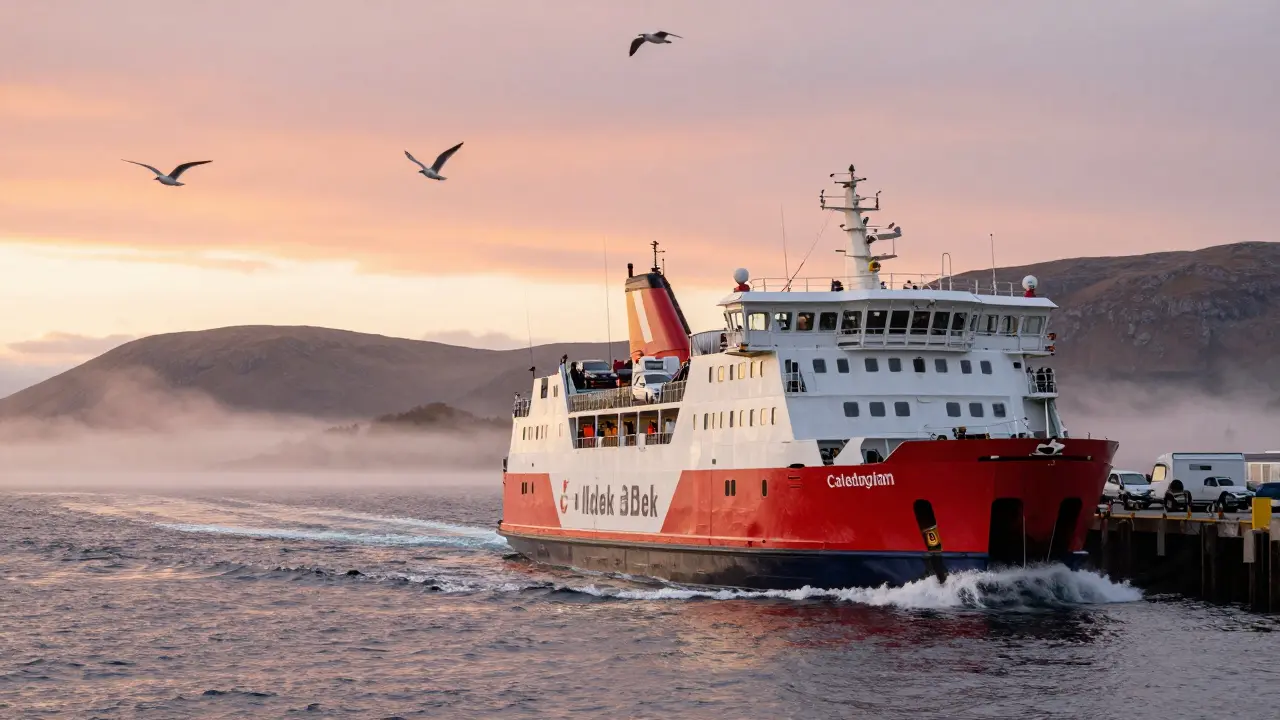
If you’re planning to visit the Hebrides, Orkney, or Shetland, you can’t skip the ferry. These aren’t just boats-they’re the lifelines connecting Scotland’s mainland to over 100 islands. No bridges, no tunnels, just ferries carrying cars, campers, hikers, and locals who’ve never known another way to get home. The system is run mostly by Caledonian MacBrayne a public ferry operator owned by the Scottish Government, serving west coast islands since 1973, with a few private companies filling in the gaps. Getting it right means knowing which route runs when, how far ahead to book, and what to expect once you’re on board.
Which Islands Are Connected by Ferry?
Scotland’s ferry network covers three main regions: the Inner and Outer Hebrides, Orkney, and Shetland. Each has its own set of routes, frequencies, and travel times.
- Inner Hebrides: Routes like Oban to Mull, Coll, Tiree, and Colonsay run multiple times daily in summer. The Oban to Craignure route on Mull is the busiest, with up to 10 crossings a day.
- Outer Hebrides: Ullapool to Stornoway (Lewis) and Oban to Castlebay (Barra) and Lochboisdale (South Uist) are key links. These routes are longer-up to4.5 hours-and less frequent, sometimes only once a day in winter.
- Orkney: Scrabster to Thurso and Gills Bay to St Margaret’s Hope connect Orkney to the mainland. The NorthLink Ferries service also runs from Aberdeen to Kirkwall and Lerwick.
- Shetland: The main route is from Aberdeen to Lerwick, operated by NorthLink Ferries. It’s a 12-hour overnight crossing with cabins available.
Don’t assume all islands are served year-round. Some, like the Small Isles (Rum, Eigg, Muck), cut back to just a few sailings per week in November through February. Always check the schedule before you pack your bags.
Ferry Schedules: What Changes With the Seasons
Scotland’s ferry timetable isn’t set in stone-it shifts dramatically between summer and winter. In peak season (May to September), most routes run hourly or twice-hourly. In winter, you might get one departure per day, and some routes pause entirely.
For example, the Oban to Colonsay route runs 10 times a week in July but only 3 times in January. The Mallaig to Armadale crossing on Skye drops from 12 daily sailings in summer to just 3 in winter. Even routes that keep running often change departure times. The Ullapool to Stornoway ferry leaves at 8:30 AM in summer but moves to 10:00 AM in winter.
Why the changes? Fewer tourists, rougher seas, and reduced crew availability. Winter weather can cause cancellations even if the schedule says a boat is running. Always check for updates 24 hours before departure. Caledonian MacBrayne sends real-time alerts via SMS if you register your number when booking.
How to Book a Ferry in Scotland
Booking is simple, but timing matters. You can book online, over the phone, or at the port-but online is the only way to guarantee a spot, especially for cars or campers.
Start at calmac.co.uk for all Caledonian MacBrayne routes. For Orkney and Shetland, go to northlinkferries.co.uk. Both sites let you compare sailings, see real-time availability, and choose your seat or cabin.
Here’s what to do:
- Enter your route, date, and vehicle type (if applicable).
- Select your preferred sailing time.
- Choose your seat-standard, premium, or cabin (if available).
- Pay with a credit card. No cash at the gate.
- Receive your e-ticket via email. Print it or show it on your phone.
Book early. For summer travel, especially on popular routes like Oban to Mull or Gourock to Dunoon, book at least 2-3 weeks ahead. If you’re traveling with a van or motorhome, book 4-6 weeks in advance. These vehicles take up a lot of deck space, and spots fill fast.
Walk-on passengers (no vehicle) can often book the day before, but even then, it’s not guaranteed during holidays. Easter, summer weekends, and the week after Christmas are the busiest times.
What to Expect Onboard
Don’t expect luxury cruise ships. These are working ferries-functional, clean, and sometimes crowded. But they’re well-maintained and safe.
Most vessels have:
- A cafeteria or snack bar (hot meals, sandwiches, coffee, and alcohol)
- Indoor seating with power outlets
- Outdoor decks for views and fresh air
- Free Wi-Fi (slow but usable for messaging)
- Toilets and baby changing facilities
On longer routes-like Aberdeen to Lerwick-you can book a cabin. Single and twin cabins have beds, a small sink, and a lockable door. Prices start at £45 for a single. Book early-cabins sell out fast.
Bring snacks. Even if there’s a café, lines can be long. A bottle of water, some granola bars, and a blanket for the deck are smart. Weather changes fast. Even on a sunny day, the wind on deck can be biting.
Traveling With a Vehicle
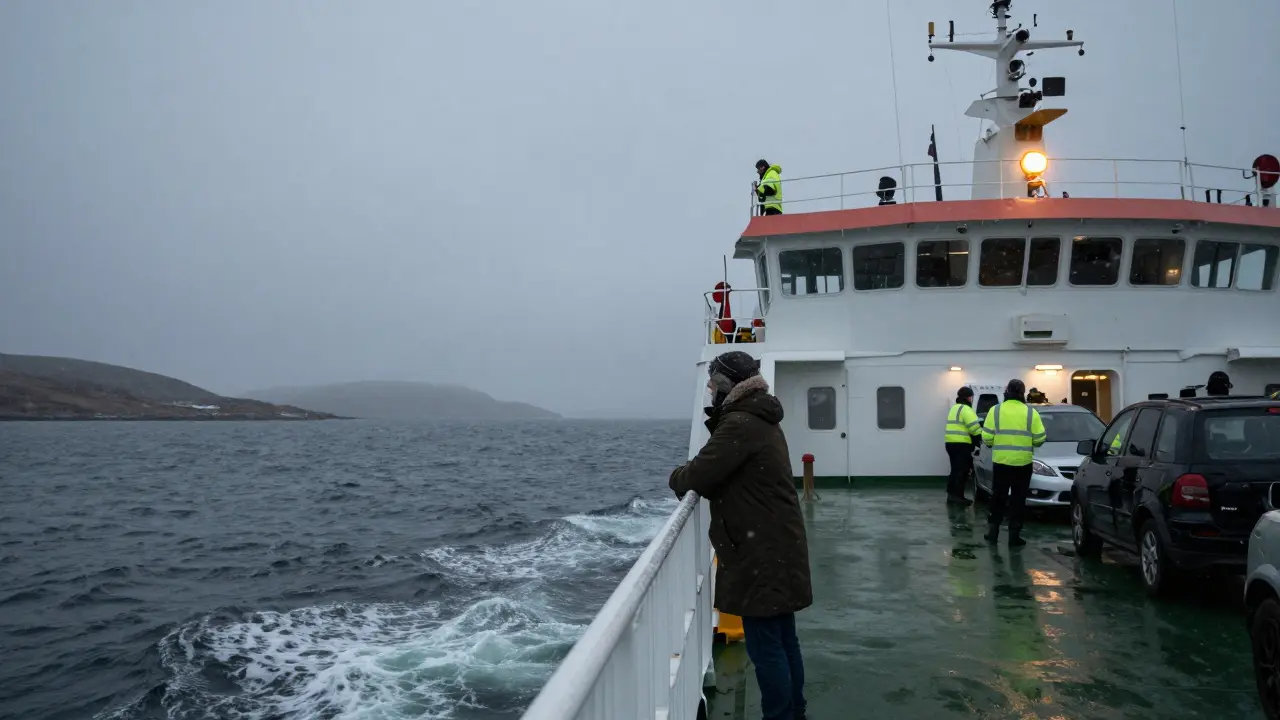
If you’re bringing a car, van, or motorhome, you need to know the size limits and loading rules.
Most ferries accept vehicles up to 5.5 meters long and 2.1 meters high. Campers and motorhomes over 3.5 meters may be classified as “large vehicles” and cost more. Check your vehicle’s exact dimensions before booking.
Arrive early. For vehicle bookings, you must be at the terminal 45 minutes before departure. For peak times, aim for an hour. You’ll queue in a designated lane, and staff will direct you to your spot on deck. Once onboard, you can stay in your vehicle or leave it and go inside.
Don’t leave valuables visible. Ferries are secure, but theft from parked vehicles does happen. Take cameras, laptops, and bags with you.
Some routes have restrictions. For example, the ferry to Islay doesn’t allow trailers or caravans. The route to Tiree only accepts vehicles under 3.5 tons. Always check the specific route rules on the operator’s website.
Costs and Discounts
Ferry prices vary by route, season, and vehicle type. A foot passenger from Oban to Mull costs £6.50 one way in winter, £9.50 in summer. A car up to 5 meters is £45 in winter, £65 in summer.
There are discounts:
- Scottish residents: Up to 40% off with a valid Scottish postcode. Proof required at check-in.
- Young Scot cardholders: Half-price fares for under-26s.
- Senior discounts: 25% off for those over 60.
- Group bookings: 10% off for 4+ passengers on the same booking.
There’s no rail or bus pass that covers ferries. But if you’re planning multiple crossings, the Caledonian MacBrayne FlexiPass a prepaid travel pass offering 5, 10, or 15 sailings over 12 months, valid on most routes can save money if you’re hopping between islands. It’s not for tourists on a short trip, but perfect for island residents or those staying a month or more.
What to Do If Your Ferry Is Cancelled
Winter storms, high winds, and mechanical issues can cancel sailings. It happens. On average, 1-2% of sailings are cancelled each year, mostly between October and March.
If your ferry is cancelled:
- You’ll get an automated email or SMS if you booked online.
- You can rebook for free on the next available sailing, even if it’s days later.
- If you’re stranded, Caledonian MacBrayne helps with accommodation vouchers at nearby hotels.
- Travel insurance that covers “transport failure” will reimburse you for extra costs.
Don’t wait at the terminal for hours hoping for a last-minute slot. If your sailing is cancelled, book your replacement right away. Popular routes fill up fast when others are also rescheduling.
Pro Tips for a Smoother Journey
- Use the Caledonian MacBrayne app real-time departure boards, booking, and service alerts for all west coast routes-it’s more reliable than the website on mobile.
- Check the weather forecast for your route. Wind speeds over 50 mph can cancel sailings, even if the mainland looks calm.
- Bring layers. The temperature on deck is always colder than on land.
- Don’t rely on mobile signal. Many islands have no coverage. Download offline maps and ferry timetables.
- Ask for a seat near the bow if you want views. The stern is noisier and bumpier.
- If you’re traveling with pets, they must stay in your vehicle unless it’s a guide dog. Bring a leash and water bowl.
Alternative Ferry Operators
While Caledonian MacBrayne handles most routes, other operators serve key areas:
- NorthLink Ferries: Aberdeen to Orkney and Shetland. Offers cabins and freight services. Isle of Arran Ferry: Brodick to Ardrossan. Runs hourly in summer, operated by Caledonian MacBrayne but listed separately.
- Western Isles Ferries: Small routes like Lochboisdale to Mallaig, serving remote communities.
- Orkney Ferries: Local island hops within Orkney, like St Margaret’s Hope to South Ronaldsay.
These services often have different booking systems and fares. Always confirm which operator runs your route before you book.
Next Steps: Planning Your Trip
Start by picking your destination. Then check the ferry schedule on the official site. Book your crossing as early as possible. If you’re driving, confirm your vehicle fits the limits. Pack for changeable weather. And don’t forget your camera-those views from the deck are unforgettable.
Ferries in Scotland aren’t just transport. They’re part of the experience. Whether you’re watching seals bob in the water off Mull or seeing the Northern Lights from the deck of a NorthLink ferry, these journeys are what make island travel here unforgettable.
Can I book a ferry on the day of travel?
Yes, but only if you’re a foot passenger on a less busy route. Popular routes like Oban to Mull or Gourock to Dunoon fill up weeks ahead, especially in summer. For cars or campers, booking the same day is risky-spots are rarely available. Always check online first.
Are pets allowed on Scottish ferries?
Yes, pets travel for free. They must stay in your vehicle unless they’re registered guide dogs. Some ferries have pet relief areas on deck. Bring a leash, water bowl, and waste bags. No pets allowed in passenger lounges unless they’re service animals.
Do I need to pay for a car on the ferry?
Yes. Vehicle fares are separate from passenger fares. A standard car (up to 5 meters) costs £45-£65 one way, depending on the route and season. Larger vehicles like campers or vans cost more. Always measure your vehicle before booking to avoid extra charges.
Which ferry route is the most scenic?
The Oban to Mull route offers dramatic views of the Sound of Mull, with mountains, seabirds, and occasional dolphins. The Ullapool to Stornoway crossing passes the Summer Isles and offers open sea views. For northern lights, the Aberdeen to Lerwick route in winter is unbeatable.
Can I get a refund if I miss my ferry?
No. If you arrive late, your ticket is forfeited. You’ll need to buy a new one. Arrive 45 minutes before departure if you have a vehicle, 30 minutes if you’re walking on. Delays from traffic or parking won’t be accepted as excuses.
Is there Wi-Fi on Scottish ferries?
Yes, most ferries offer free Wi-Fi, but it’s slow and unreliable, especially in open sea or bad weather. Don’t count on it for video calls or streaming. Download maps, schedules, and entertainment before you board.
Do ferries run on Christmas Day?
Most routes don’t run on Christmas Day. Some offer a reduced service on Christmas Eve and Boxing Day. Always check the schedule in advance-especially if you’re traveling to or from an island. Emergency services still operate, but passenger ferries are typically suspended.
Comments (10)
-
Anand Pandit December 31, 2025
Just got back from Mull last week and this guide nailed it. Booked my car 6 weeks out and still got a decent spot. The Oban to Craignure run is a beast in summer but totally worth it. Saw a pod of dolphins near the Sound of Mull-best 10 minutes of my trip. Bring a jacket even if it’s sunny. Wind hits like a slap.

-
Reshma Jose January 1, 2026
Same. Took the Ullapool to Stornoway in October and thought I’d be stranded. Turned out fine. Crew was chill, Wi-Fi worked long enough to text my mum. Pro tip: Grab a hot chocolate from the café. Not gourmet but it warms your bones. And yes, book early. No regrets.

-
rahul shrimali January 3, 2026
Don’t overthink it just go. Ferries are fine. Book online. Bring snacks. Sit outside. Enjoy the view. Done.

-
Eka Prabha January 5, 2026
Let’s be real. The Scottish government subsidizes these ferries because they’re a political liability. If you think this system is about connectivity, you’re ignoring the fact that island communities are being slowly starved of resources. The ‘flexipass’? A marketing gimmick to make residents feel grateful for crumbs. And don’t get me started on the ‘real-time alerts’-they’re sent after the ferry’s already left. It’s a performative bureaucracy disguised as public service.

-
Bharat Patel January 6, 2026
There’s something about ferries that makes time feel different. Not just the crossing, but the waiting, the quiet, the way the sea doesn’t care if you’re late or excited or scared. It just moves. Maybe that’s why people keep coming back-not for the destination, but for the pause. These boats aren’t just transport. They’re the last places where silence still has value.

-
Bhagyashri Zokarkar January 6, 2026
so i booked my ferry like 3 days before and thought it was fine right like i mean how hard can it be but then the weather got bad and my booking got canceled and i had to wait 3 days and my hotel was like 200 pounds a night and i had no money left and i just sat on the bench at the port crying and the lady at the counter was like oh we have a 10 percent discount for seniors and i was like i’m 28 and she just shrugged and i swear to god i think the whole system is rigged against people like me who just want to see the islands without going bankrupt

-
Rakesh Dorwal January 8, 2026
Scotland’s ferry system? Fine. But why are we letting foreign tourists dictate the schedule? You see all these people from India and China booking cabins like it’s a luxury cruise. Meanwhile locals can’t get a spot on the Oban route. And don’t even get me started on the ‘Scottish resident discount’-they make you prove your postcode like you’re smuggling identity. This isn’t tourism. It’s colonization with a ferry ticket.

-
Vishal Gaur January 8, 2026
Okay so i read this whole thing and honestly it was kinda helpful but i think you missed one thing. Like what if you’re on a bike? I mean i brought my mountain bike and they didn’t say anything about it. I just rolled it on like it was a backpack and no one cared. But then on the way back the guy at the gate said oh you need to pay for a cycle? I was like wait what? And he just shrugged and said it’s £5 but you’re lucky we even have a rack. So yeah if you’re on two wheels just assume you’ll get charged and bring cash just in case. Also the wifi on the shetland route is basically a joke. I tried to stream a song and it buffered for 15 minutes. Just bring music on your phone.

-
Nikhil Gavhane January 10, 2026
I’ve taken the ferry to Barra twice now. Once with my dad, once alone. Last time, an old man from the island sat next to me and told me stories about how his grandad used to row to the mainland in a dinghy just to get medicine. I didn’t say much. Just listened. That’s what ferries are for. Not just getting from A to B. But hearing the stories that only the sea carries.

-
Rajat Patil January 12, 2026
Thank you for this comprehensive overview. It is evident that a great deal of care has been placed into the provision of essential transportation services to remote communities. The distinction between seasonal scheduling and operational constraints is both logical and necessary. I would only suggest, in the spirit of accessibility, that a simplified version of this guide be made available in print form at regional tourist offices, as not all travelers possess reliable digital access. A small but meaningful gesture, perhaps, toward inclusivity.
