
Why the Night Sky Changes Everything About Galloway
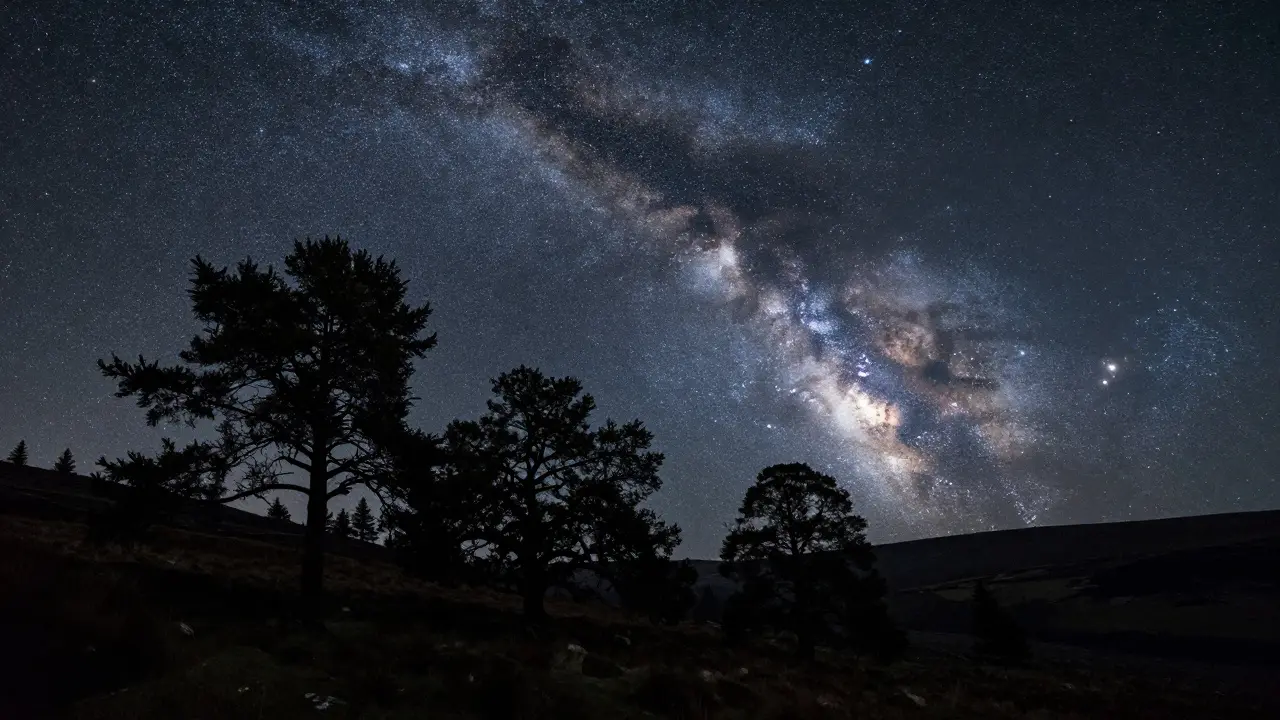
You might think of Galloway Forest Park as just another place to hike in Scotland. You’d be missing the point entirely. This isn’t just a forest; it is the largest National Dark Sky Park in Europe. That title changes how you experience the land. It means the light pollution here is so low that the Milky Way looks like a spilled bucket of milk across the sky. For many visitors from cities like Glasgow or Edinburgh, this is their first time seeing thousands of stars with the naked eye.
The park covers over 300 square kilometers of mixed woodland, open glens, and lochs. But the real draw for modern travelers is the combination of rugged daytime adventure and celestial nighttime wonder. If you are planning a trip to Dumfries and Galloway, understanding how to balance hiking with stargazing is key. You don’t want to arrive exhausted at dusk when the show is about to start.
Understanding the Dark Sky Designation
The International Dark-Sky Association grants this status based on strict criteria. Galloway Forest Park didn’t just get a plaque; it earned it through community effort. Local councils have installed amber LED streetlights that direct light downward, reducing skyglow. This matters because even a small amount of stray light can wash out fainter stars.
When you stand under a clear sky here, you aren’t just looking at space; you are seeing what the night looked like before electricity existed. The visibility extends beyond our solar system. On a good night, you can spot the Andromeda Galaxy, which is 2.5 million light-years away. It appears as a fuzzy patch of light, visible without binoculars if you know where to look. This clarity makes Galloway one of the best places in the UK for amateur astronomy and professional astrophotography alike.
Top Hiking Trails for Daylight Exploration
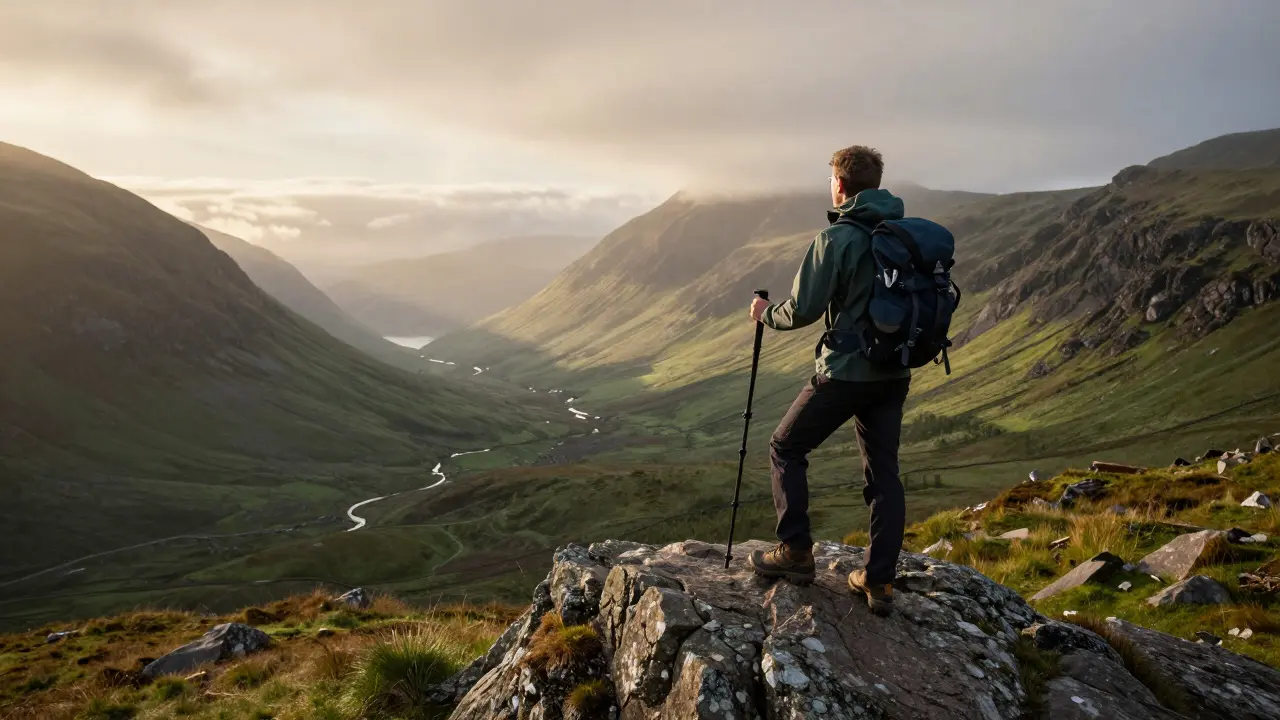
To enjoy the dark skies, you need energy. The trails in Galloway vary from gentle walks to steep climbs. Here are three routes that offer great views and manageable difficulty levels.
- Braehead Circular: This is a classic route starting near Glentrool. It takes you past the famous Waterfall of Faldon. The path is well-maintained and suitable for most fitness levels. Expect it to take about two hours. The scenery includes ancient pine plantations and native oak woodlands.
- Kelton Wyke Loop: Located near Glenapp, this trail offers quieter woods and a more secluded feel. It’s less crowded than Braehead, making it ideal if you prefer solitude. The terrain is uneven in parts, so sturdy boots are recommended.
- Cairnsmore of Fleet: If you want a challenge, head here. It is the highest peak in southern Scotland at 1,462 meters. The climb is steep and exposed. Weather changes quickly up here. Only attempt this if you have mountain experience and proper gear. The view from the top rewards your effort with panoramic sights of the surrounding landscape.
Remember to check weather forecasts before heading out. Scottish weather is unpredictable. A sunny morning can turn into rain by noon. Always carry waterproof layers.
Best Spots for Stargazing
Not all spots in the park are equal for viewing the stars. You need open horizons and minimal artificial light. Here are the best locations within or near the park boundaries.
| Location | Visibility Rating | Accessibility | Best For |
|---|---|---|---|
| Glencaple | Excellent | Parking available | Photography, wide-angle shots |
| Townhill Loch | Very Good | Short walk from car | Reflections, beginner-friendly |
| Cairnsmore Summit | Outstanding | Hike required | Advanced observers, no light pollution |
| Wig Bay | Good | Easy access | Combining sea views with stars |
Glencaple is often cited as the premier spot. The valley opens up perfectly toward the south, offering an unobstructed view of the zodiac constellations. Townhill Loch provides a different experience. The still water reflects the sky, creating a double image of the stars. It’s magical for photos but requires patience to find calm conditions.
Wildlife You Might Encounter
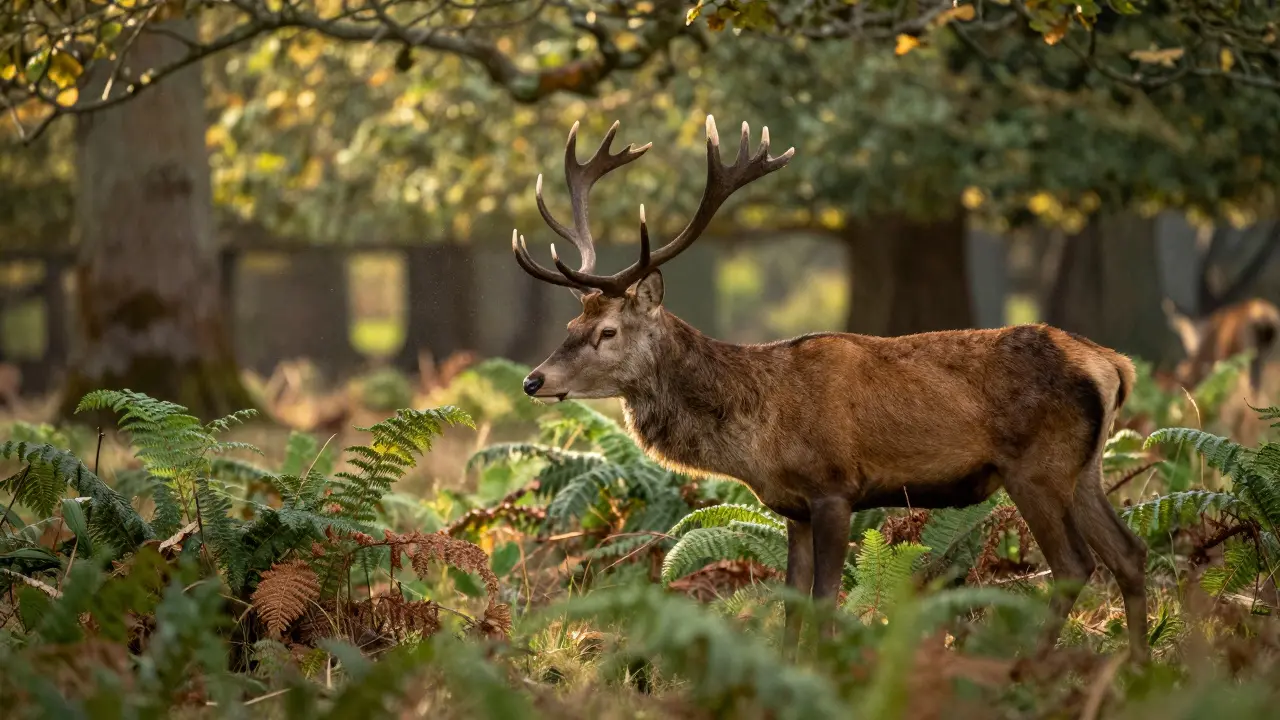
Galloway Forest Park is home to diverse wildlife. During the day, keep your eyes peeled for red deer. Herds graze in the open glens, especially during dawn and dusk. They are shy but common enough that you’ll likely see them if you stay quiet.
Roe deer are smaller and harder to spot. They blend into the dense undergrowth. Listen for their alarm calls-a sharp bark-if they sense you. Red squirrels are also present, though they are elusive. Look for them in the pine trees, particularly near feeding stations set up by rangers.
Owl enthusiasts should visit at night. The tawny owl and barn owl hunt here. Their calls echo through the woods after dark. Birdwatching apps can help identify species by sound. Just remember to use red-light filters on your torches to avoid disturbing them.
Practical Tips for Visiting in 2026
Planning your visit requires some preparation. Here’s what you need to know to make the most of your trip.
Timing Your Visit
The best time for stargazing is around the new moon. Check a lunar calendar before you go. Full moons brighten the sky too much, washing out fainter stars. Late spring and early autumn offer stable weather patterns. Summer nights are short, while winter brings colder temperatures but clearer skies.
What to Bring
- Warm clothing: Even in summer, nights drop significantly. Thermal layers are essential.
- Red-light torch: White light ruins night vision. Red light preserves it. Many headlamps have a red mode.
- Star map or app: Apps like SkyView or Star Walk help identify constellations. Download offline maps in case signal is weak.
- Comfortable seating: A camping chair or blanket makes long observation sessions easier.
- Binoculars: Not mandatory, but helpful for spotting details in star clusters.
Respecting the Environment
The Dark Sky designation relies on community cooperation. Stick to marked paths to protect sensitive habitats. Take all litter back with you. Avoid using bright white lights after sunset. These actions preserve the darkness for future visitors.
Local Accommodation Options
Staying nearby enhances your experience. You can return to your lodging after dark and wake up early for sunrise hikes. Several options cater to different budgets.
Camping is popular. Sites like Glentrool Campsite offer basic facilities. Wild camping is allowed in Scotland under the Right to Roam laws, but you must follow Leave No Trace principles. Pitch tents away from roads and trails to minimize light impact.
For comfort, consider bed and breakfasts in villages like Gatehouse of Fleet or Castle Douglas. These towns provide amenities without sacrificing proximity to the park. Some B&Bs even offer guided star tours, adding value to your stay.
Frequently Asked Questions
Is Galloway Forest Park free to enter?
Yes, entry to the park itself is free. However, parking fees may apply at certain visitor centers or designated lots. Always check current rates online before arriving.
Can I see the Northern Lights in Galloway?
It is possible but rare. The Aurora Borealis typically requires high geomagnetic activity. Southern Scotland is far from the Arctic Circle, so sightings are infrequent. Monitor space weather forecasts for predictions.
Are there guided tours available?
Yes, local astronomy groups and tour operators offer guided sessions. These often include telescopes and expert commentary. Booking in advance is recommended, especially during meteor showers.
What is the best season for visiting?
Spring and autumn provide balanced conditions. Spring offers blooming wildflowers and longer days. Autumn brings crisp air and fewer crowds. Winter has shorter nights but clearer skies for serious stargazers.
Do I need special equipment for stargazing?
No special equipment is needed to enjoy the view. Naked-eye observation is rewarding. Binoculars enhance detail, and telescopes reveal more objects. Start simple and upgrade as interest grows.
Is it safe to walk alone at night?
Generally yes, but caution is advised. Stick to well-known routes, inform someone of your plans, and carry a charged phone. Wildlife encounters are usually harmless but require respect.
How do I find my way in the dark?
Use GPS-enabled devices with offline maps. Mark trails clearly beforehand. Avoid venturing off-path in unfamiliar areas. Visibility is limited, increasing tripping risks.
Are pets allowed in the park?
Pets are welcome on leads. Keep them close to wildlife to prevent disturbances. Clean up after them to maintain environmental standards.
What food options are nearby?
Visitor centers have cafes serving hot drinks and snacks. Villages like Newton Stewart offer restaurants and pubs. Pack meals if staying remote areas.
Can I camp overnight inside the park?
Designated campsites exist within the park boundaries. Wild camping is permitted elsewhere under Scottish law, provided you follow guidelines. Respect private property signs.